REVIEW · NEW YORK CITY
New York: Louis Armstrong Private Walking Tour with Concert
Book on GetYourGuide →Operated by Rosotravel US · Bookable on GetYourGuide
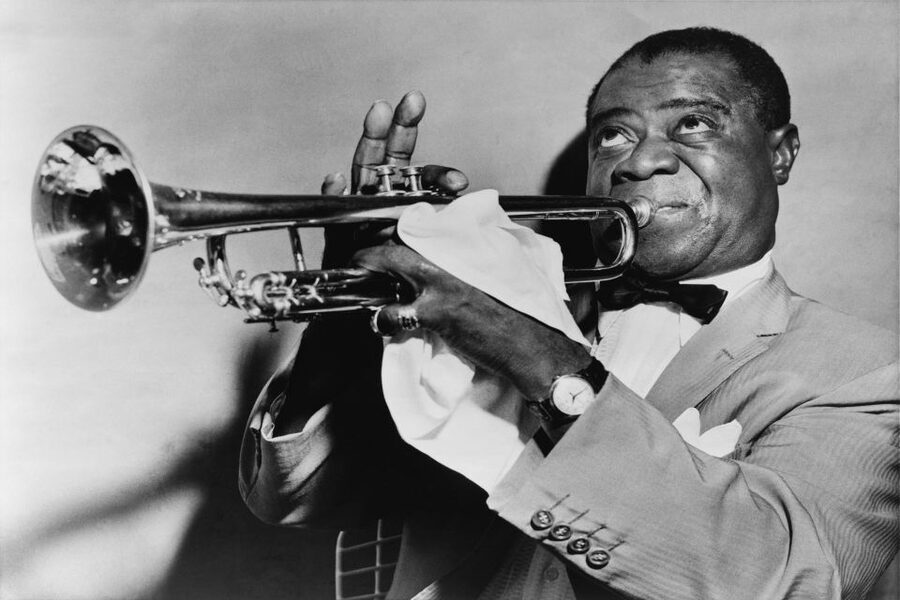
Armstrong’s NYC story starts on Columbus Circle. This private walk ties together jazz history and Louis Armstrong’s life with stops you can actually see—plus an optional evening performance if you choose the longer slot. It’s a smart way to turn famous addresses in Manhattan into real context, without getting stuck in a museum.
I especially love that the tour has a licensed, private guide who explains what jazz meant in different neighborhoods, not just dates and names. I also like that you get a guided flow between landmarks like Carnegie Hall and Birdland Jazz Club, with stories that connect the music to the streets.
One thing to consider: the format is very narration-led. In at least one recent experience, the guide relied on notes a bit more than you might want, so if you prefer lots of freestyle conversation, you may want to set that expectation.
In This Review
- Key highlights to look for
- Entering the Jazz World at Jazz at Lincoln Center
- What I like about this opening
- Seventh Avenue Stories and the Carnegie Hall Connection
- A quick reality check
- Times Square to Broadway Theaters: Jazz in the Spotlight
- Tip for better listening
- Armstrong’s Life Thread: Queens, Songs, and Key Friendships
- How this section helps you
- The Hudson Theatre Exterior and the Trip to Birdland
- Practical note about the ending
- The 3-Hour Option: Concert Tickets Without Your Guide
- What this means for your planning
- Price and Value: Is $193 Reasonable?
- A note on expectations
- Who This Tour Fits Best (and who should choose carefully)
- Practical Tips to Make It Click in Real Life
- Should You Book This Louis Armstrong Jazz Tour?
- FAQ
- Where does the tour start?
- How long is the tour?
- What’s the difference between the 2-hour and 3-hour options?
- Does the guide attend the evening concert with you?
- What languages are available for the guide?
- Is it a private group tour?
Key highlights to look for

- Jazz-led walk with a licensed guide (private group format)
- Jazz at Lincoln Center start at 10 Columbus Cir, with a clear meeting point
- Seventh Avenue to Carnegie Hall paired with Armstrong-era context
- Times Square and Broadway theaters included for the scene behind the scene
- Hudson Theatre exterior tied to Armstrong’s Hot Chocolates (1929)
- 3-hour option adds a concert ticket, but the guide does not accompany you
Entering the Jazz World at Jazz at Lincoln Center
Your tour begins at Jazz at Lincoln Center (10 Columbus Cir). You meet your guide out front—important detail: do not enter the venue. This makes the start quick, and it also helps you get oriented before you hit the blocks.
From here, you’ll get the backbone idea of the day: why New York gets called the Jazz Capital of America. Your guide frames NYC jazz as something living and local—made by specific people, in specific places, under changing social conditions. If you’ve only heard Armstrong’s trumpet on recordings, this is where you start to connect the sound to the city that shaped it.
You can also read our reviews of more tours and experiences in New York City.
What I like about this opening
I like that you start at a spot that’s still tied to modern jazz performance culture. It keeps the story from feeling like it’s only about the past. You’re not just learning trivia—you’re building a mental map for the rest of the walk.
Seventh Avenue Stories and the Carnegie Hall Connection

After the Lincoln Center area, you’ll stroll down Seventh Avenue to get a view of Carnegie Hall. This matters because Carnegie Hall isn’t just a famous building; it’s part of how jazz gained visibility and legitimacy in the wider American public. You’ll hear how jazz legends left their mark there, including Armstrong and many others.
Your guide shares music-history threads along the way, including the 1912 Concert of Negro Music by James Reese Europe and his Clef Club Orchestra. That’s the kind of detail that changes how you think about jazz progress—jazz didn’t just appear fully formed. It was carried, organized, performed, and promoted through real events and real organizations.
A quick reality check
Carnegie Hall is a view stop, not an entry stop based on what you’re told for this tour. Plan for photos from the sidewalk and for listening to the story as you walk. If you’re hoping for inside access, you’ll want to know that your time here is built around interpretation.
Times Square to Broadway Theaters: Jazz in the Spotlight
The walk then leans into the energy of Times Square and nearby Broadway theaters, including the Winter Garden Theatre. This is a smart choice. Armstrong-era New York didn’t exist in a quiet bubble. Entertainment districts, media attention, and theater audiences all influenced how people experienced music.
Expect your guide to connect the dots between the performers and the places that amplified them. You’ll hear why certain streets and venues became magnets for talent and attention, and how that helped jazz spread beyond its earliest communities.

Tip for better listening
With stops that include crowds and street noise, you’ll get more from the tour if you keep your focus on the guide’s main points. If you find yourself distracted by the spectacle of Times Square, use the walking time to reset your attention. The story is doing the heavy lifting here.
Armstrong’s Life Thread: Queens, Songs, and Key Friendships
This tour is not only about buildings. A big part of the experience is the personal narrative—how Armstrong’s life connects to the music you associate with him.
You’ll hear about his daily life in Queens, how his most famous songs came together, and his relationships with other jazz legends. Those friendship threads matter because jazz history is really a network story. People traded ideas, inspired each other, and carried reputations across scenes.
How this section helps you
If Armstrong is familiar to you mainly through albums, this is where you start seeing why his style worked the way it did. The guide’s job is to make you feel the chain: city life and community → performance venues → musical evolution. Even when details are brief, the connection is the point.
The Hudson Theatre Exterior and the Trip to Birdland
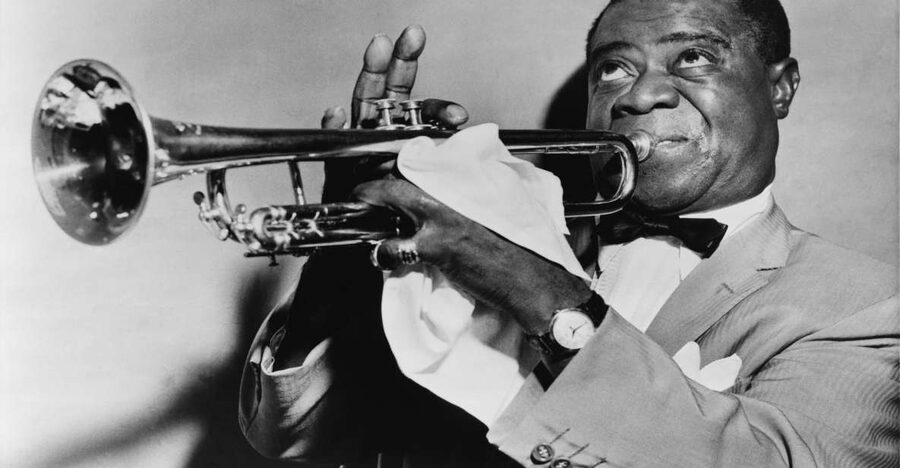
Near the end, you’ll look at the Hudson Theatre from the outside, tied to Armstrong performing in Hot Chocolates in 1929. That specific date is useful. It anchors the story in a moment, so Armstrong doesn’t stay trapped in general “legend” territory.
From there, the tour ends back near the Birdland Jazz Club. Birdland is a great finish because it keeps the day from feeling like a time capsule. You’ve spent time learning how the jazz world formed—then you end in a place still associated with jazz culture.
Practical note about the ending
The tour concludes back at the meeting point area per the activity flow you’re given, but Birdland is described as the celebrated jazz club where the walk ends. Expect a “wrap and orient” feeling rather than a final museum-style stop. Plan to explore Birdland’s surroundings on your own after if you want a little extra time in that atmosphere.
The 3-Hour Option: Concert Tickets Without Your Guide
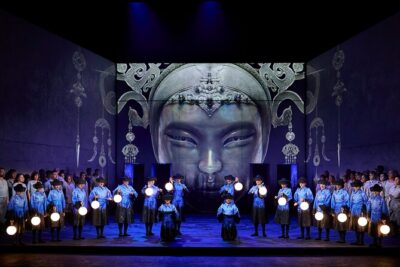
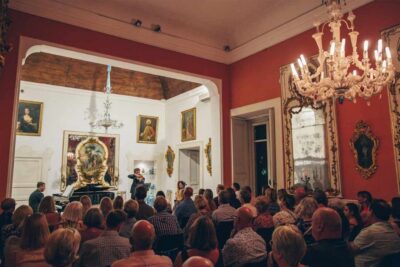
If you choose the 3-hour option, you get something extra: tickets to an evening jazz concert. The key detail is that the concert is a separate attraction—your guide does not accompany you.
Concerts typically start between 5:30 and 8 PM. The venue and the program can vary based on availability, and your exact time and location come by email with your ticket attached. So you’re not just buying a generic “jazz night.” You’re getting a specific event, but the specific venue isn’t fixed far in advance.
What this means for your planning
This setup can be great if you’re comfortable heading to a venue on your own. It also means you’ll want to keep an eye on your email the day before, so you don’t waste time figuring out where to go next.
If you prefer a fully guided evening from start to finish, the 2-hour option may feel cleaner. But if you want a complete day-to-evening rhythm—history in the afternoon, live music later—the 3-hour option is the better match.
Price and Value: Is $193 Reasonable?
At $193 per person, this tour sits in the higher end for a walking experience. Here’s the honest way to judge value: the price covers a private, licensed guide plus structured interpretation of multiple major landmarks, and the 3-hour option can add concert tickets.
So your value equation depends on which option you pick:
- 2-hour option: You’re paying mainly for a guided walking story across major jazz-related sites. If you love narrative history and want someone to explain why these places mattered, the guide component is the value.
- 3-hour option: The concert ticket can meaningfully change the math. If you’re aiming for both a guided tour and an evening performance, this is more likely to feel like a full package.
You’re also getting language support—your guide is fluent in English, German, French, Italian, or Spanish—and a private-group approach. That matters because the tour is designed around listening and questions, not just “see and go.”
A note on expectations
Because the tour is narration-heavy, the experience lives or dies on your guide’s delivery. Based on one reported experience, at least one guide may read through jazz material more than you’d like. If you’re picky about storytelling style, you can reduce disappointment by treating this as a guided lecture-walk, not a casual hang.
Who This Tour Fits Best (and who should choose carefully)
This is a strong fit if:
- You want Louis Armstrong context tied to real Manhattan landmarks.
- You like guides who connect music to social settings, not just facts.
- You want an easy walk with a clear starting point and a logical ending near jazz venues.
It may be less ideal if:
- You’re looking for hands-on activities or inside access to multiple sites. This tour is built around viewpoints and storytelling.
- You dislike independent logistics for the concert. The guide does not stay with you during the evening performance.
- You prefer a super freeform conversation style; the narration format can feel scripted.
If you’re visiting for the first time and want to understand why these addresses matter, you’ll get a lot out of it. If you’re a jazz obsessive, the specific references (like James Reese Europe’s 1912 concert and Hot Chocolates in 1929) give you useful anchors.
Practical Tips to Make It Click in Real Life
A few small choices can make a big difference:
- Go into it with one goal: understand how Armstrong’s life and jazz developments connect to specific NYC locations.
- Comfort matters. This is a walking tour across well-known areas that can get crowded. Wear shoes you trust.
- Plan your evening if you choose concert tickets. Since the guide isn’t with you, you need to know the exact venue and start time from your email.
- Use the walking time for questions if your guide allows it. A private setting can be better than group tours when you ask targeted questions about style, era, or venue significance.
Also, check that language preference is clear up front. The tour offers several languages, and that usually improves the flow and the depth of answers.
Should You Book This Louis Armstrong Jazz Tour?
I’d book this if you want a guided, high-quality way to place Louis Armstrong inside the NYC streetscape—Lincoln Center to Carnegie Hall to the Broadway zone to Birdland—then optionally cap the day with live music. The biggest “win” here is structure: you get a guided path with named stops and specific historical connections, plus the chance to hear jazz that same day.
Skip it only if you strongly dislike narration-led tours, or you need the guide to accompany you to the concert. In the 3-hour option, that independence is part of the deal.
If you’re aiming for a first-rate jazz-focused New York day—one that turns famous locations into a story—this is a solid choice.
FAQ
Where does the tour start?
You meet your guide in front of Jazz at Lincoln Center at 10 Columbus Cir, New York, NY 10023. The instructions say not to enter the venue since it’s only a meeting point.
How long is the tour?
The tour is 2 to 3 hours depending on the option you choose. Starting times depend on availability.
What’s the difference between the 2-hour and 3-hour options?
The 2-hour option focuses on the walking tour and jazz history. The 3-hour option includes tickets for an evening jazz concert. The concert is not included with the 2-hour option.
Does the guide attend the evening concert with you?
No. For the 3-hour option, the concert ticket is a separate attraction, and your guide will not accompany you.
What languages are available for the guide?
The licensed guide is fluent in English, German, French, Italian, and Spanish.
Is it a private group tour?
Yes, it’s listed as a private group. The guide ratio is described as one licensed guide per 25 guests, with two guides for groups of 26–50.