REVIEW · PALERMO
Palermo: Teatro Massimo Opera House Guided Tour
Book on GetYourGuide →Operated by Teatro Massimo di Palermo · Bookable on GetYourGuide
Opera feels real when you see it up close. On this Palermo Teatro Massimo guided tour, you move from the bronzed, sculpted foyer into a gold-stucco auditorium, then head toward the stage area to understand how an opera actually gets staged. I love the feeling of stepping into a major European theatre without needing to plan for tickets months ahead, and I also love how much time you get to look closely at the royal box and other decorated public rooms.
The main drawback to consider is that this is a tightly timed visit. Depending on what’s happening that day—rehearsals, lighting work, or maintenance—you may find the pace a bit fast and access to certain areas limited to the public rooms.
In This Review
- Key things to know before you go
- Entering the Teatro Massimo: the foyer that sets the mood
- Auditorium time: gold stuccoes, velvet, and that special acoustics feel
- Beyond the seats: royal box views plus Coat of Arms and Pompeian Rooms
- Up toward the stage: understanding how the show gets made
- Palermo views from inside: when you get to look out from above
- Guide quality and language switching: what matters for your experience
- Tickets and value: is $14 a smart Palermo move?
- Timing the tour: start between 9:30 and 5:30
- Photo and comfort tips that actually help
- Who this tour is best for
- Should you book the Palermo Teatro Massimo guided tour?
- FAQ
- How long is the Teatro Massimo guided tour?
- What’s included, and what should I plan for separately?
- Where do I meet the guide?
- What languages are available for the live guide?
- Will I see the stage during the tour?
- Can I cancel for a refund?
Key things to know before you go
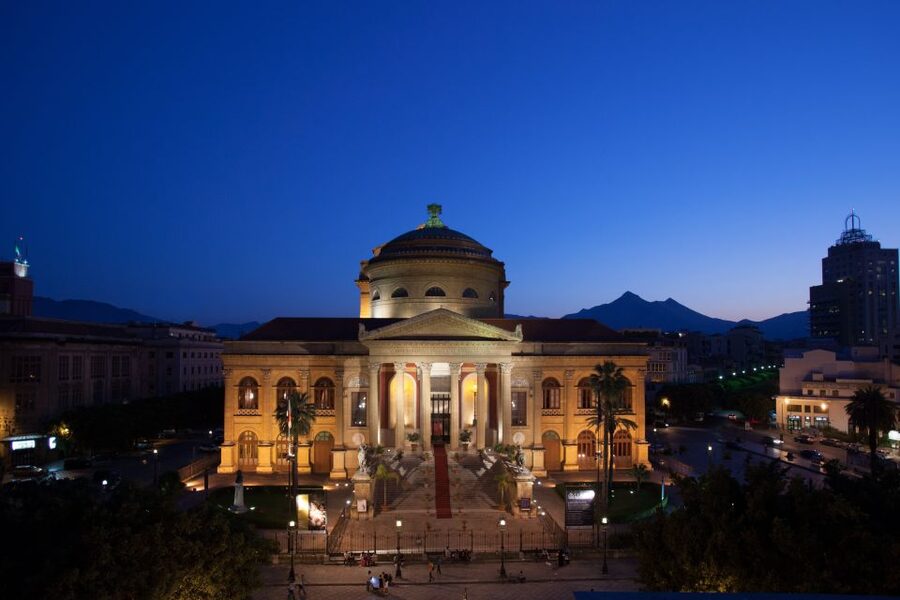
- 40 minutes, but it can feel like a highlights reel: the tour covers the big interior spaces you actually want to see.
- The foyer is a showpiece: sculptures plus bronze-decorated candelabra set the tone immediately.
- The auditorium is pure drama: golden stuccoes, wood details, and touches of velvet and glass.
- You’ll get the regal viewpoint: the royal box is part of the route, along with emblem-style rooms like the Coat of Arms and Pompeian Rooms.
- Stage time is included, but not guaranteed behind-the-scenes: you’ll visit the stage area when access allows.
- You may catch rehearsal activity: some tours coincide with orchestra rehearsal, auditions, or a ballet rehearsal, while others see the house dark during lighting sessions.
Entering the Teatro Massimo: the foyer that sets the mood
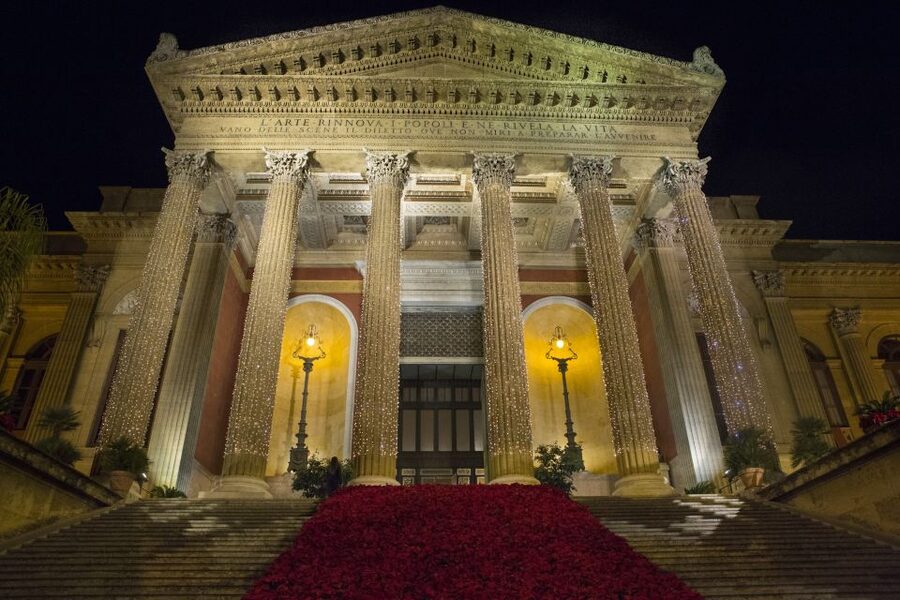
Your tour starts in the foyer, the kind of grand entry space that makes you slow down even if you’re not a theatre person. I particularly liked the sculptural details and the bronze-decorated candelabra, because they don’t feel like generic decoration. They’re the visual language of the place—built to impress, even before the orchestra starts.
This first stop is also a good way to get your bearings fast. You’ll see where the main circulation happens and how the auditorium connects to the rest of the interior. If you’re planning photos, the foyer is often where you’ll have the easiest time getting shots without people blocking each other.
Practical note: the foyer can feel a little hectic at the start, so give yourself a minute to collect yourself after you exchange your voucher at the ticket office.
Auditorium time: gold stuccoes, velvet, and that special acoustics feel
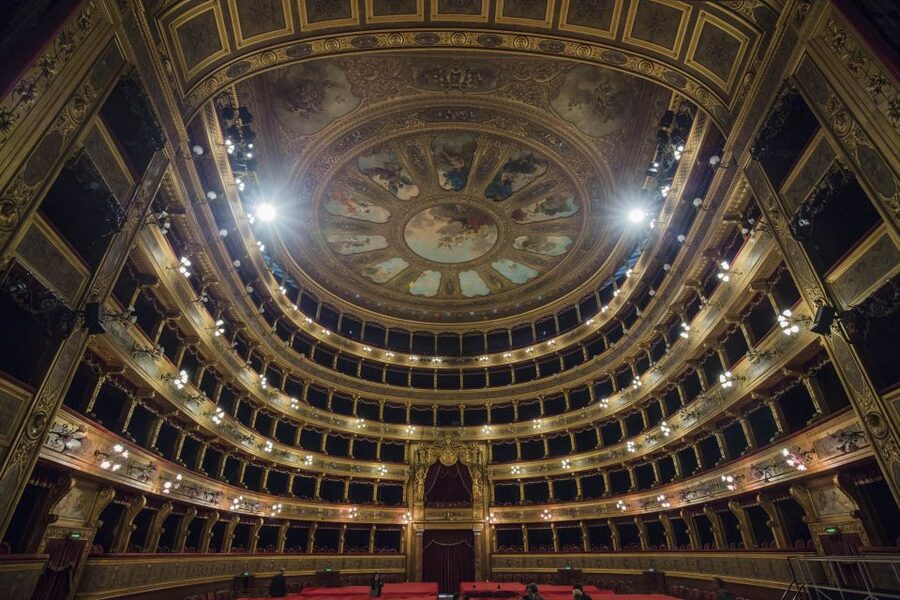
Next comes the auditorium, and it’s exactly why Teatro Massimo stays on most Palermo must-do lists. In person, the room reads as more than just big: you get golden stuccoes, warm wooden decorations, and interior touches in velvet and glass that make the theatre feel layered. You’ll also hear and see how the building is meant to carry sound and attention.
One detail I always look for in an opera house is how the central seating area changes the vibe. The tour route can include time near the centre of the space—often described with an echo-like experience—so you get a real sense of how the acoustics are part of the architecture, not an afterthought. Even if you don’t test anything, it helps you understand why the theatre matters.
Timing reality check: sometimes the auditorium is dim because of rehearsals or lighting work. That doesn’t mean your tour is ruined. It just means you’ll focus more on explanations of what you’re seeing and less on a fully lit view of everything at once.
Beyond the seats: royal box views plus Coat of Arms and Pompeian Rooms
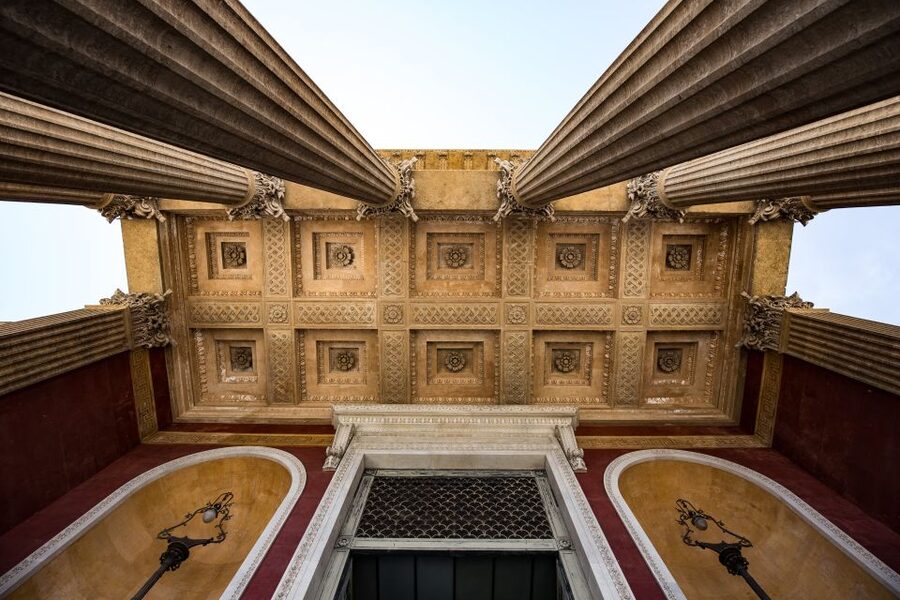
This is where the tour starts to feel more like a guided walk through symbolism. You’ll see the royal box, which is stunning even when you’re standing just outside it. It changes how you understand the theatre, because it wasn’t designed for comfort alone—it was designed for display and perspective.
From there, you move into other notable interior areas that help break up the experience. The route can include the Coat of Arms area and the Pompeian Rooms, which bring a different visual flavor to the visit. I liked that these rooms add variety. They keep the tour from turning into only one big room with one big wow moment.
If you care about history, this is the portion where the guide’s storytelling can really connect the design choices to what opera houses were trying to do in their era. It’s not just ornament for ornament’s sake; it’s how power, ceremony, and performance were staged together.
Up toward the stage: understanding how the show gets made
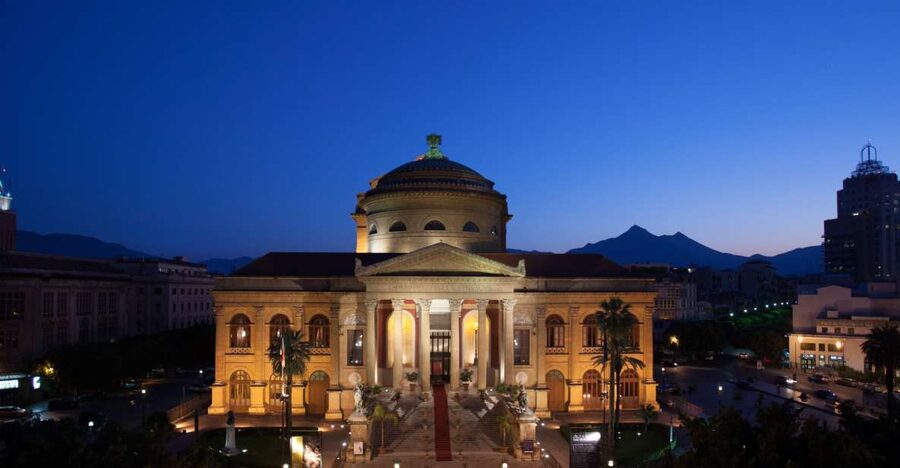
The highlights include visiting the stage and learning what’s involved in putting on an opera. In theory, this makes the tour more than a “look-only” experience. You start to understand the theatre as a machine—space, placement, and timing all matter.
In practice, access can vary. Some tours focus mostly on public areas, and you may not get full behind-the-scenes viewing if there’s work or a private event. Still, even limited stage time can help you picture where performers stand and how the space transforms between rehearsal and performance.
If you’re hoping for full backstage access, I’d manage expectations. The tour is built around what you can see and walk through inside the house, and those boundaries can tighten on certain days.
Palermo views from inside: when you get to look out from above
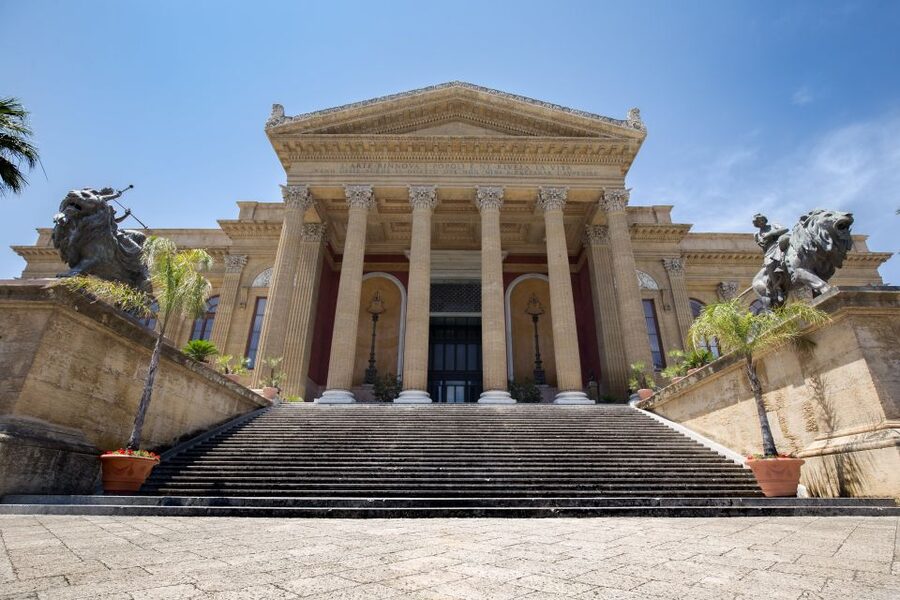
One of the tour inclusions is breathtaking views of Palermo from within the building’s top areas. I love this part because it flips the perspective. Before this, you’re focused on details inside. Then suddenly you can place Teatro Massimo back in the city—big skyline, real streets, and a sense of scale.
Access to upper viewpoints can depend on what’s happening in the theatre that day, so it’s best to treat this as a bonus. Even if the view is brief, it’s a memorable way to end the tour with your eyes leaving the theatre interior.
Guide quality and language switching: what matters for your experience
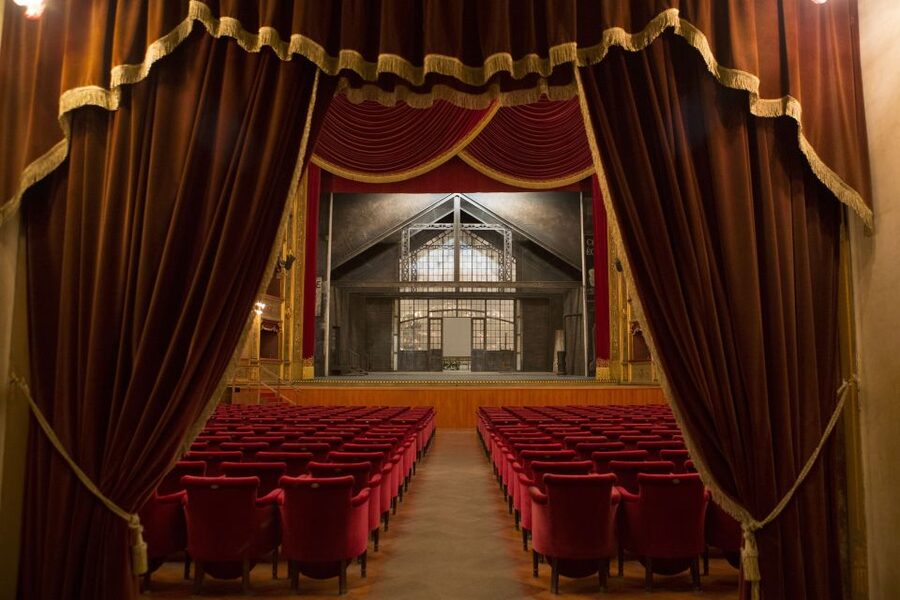
The tour is led by live guides, available in multiple languages. You can find tours in Italian, French, English, Spanish, and German (based on the tour info provided). In my opinion, language is not a small detail here. Opera-house history is packed with architectural terms, and a good guide makes those terms feel like plain storytelling.
A few guide moments stood out in the way these tours operate. For example, Daniele is mentioned as delivering a professional, fascinating tour, and Martha is also noted as doing a great job. Some tours run in a two-language approach, where the guide speaks Italian first and then English (or vice versa). That can actually be a plus if you like time to look and photograph while one portion is being explained in the other language.
The main caution is pace. When groups are split between languages, the explanation can feel hurried to one section while the other waits their turn. If you’re sensitive to rushing, pick a start time early in the day and expect that the tour is efficient by design.
Also, not every guide experience will be perfect. One tour example notes a guide who was on a phone a lot and didn’t interact warmly. That’s not the norm you should plan around, but it’s a reminder that the theatre is the constant; the human experience can vary.
Tickets and value: is $14 a smart Palermo move?
At $14 per person for a guided visit, this tour is strong value for two reasons. First, you’re getting access to interior spaces most people can’t realistically experience on their own without planning. Second, you’re paying for context—the guide connects what you’re seeing to why it was built that way.
This price also compares well with doing a theatre visit piecemeal. Instead of buying things separately and trying to decode architecture with no help, you get a structured route that hits the iconic elements: foyer, auditorium, royal box, stage area, and the key decorative rooms.
One extra practical benefit: it can help you avoid some ticket-line hassle. In at least one case, people reported going in smoothly right after checking in. Still, the theatre can be busy, so arrive with a little buffer and don’t aim for a zero-minute connection right after.
Timing the tour: start between 9:30 and 5:30
Tours run between 9:30 AM and 5:30 PM, with the last tour starting at 5:00 PM. If you want the best chance of interior activity—like rehearsal moments—earlier can be a smart bet simply because the day is still in motion.
On the flip side, later tours can be better if you prefer calmer pacing and fewer people trying to take photos in the same spots. The theatre’s daily schedule matters, and sometimes the auditorium lighting and access depends on what’s happening.
My advice: choose a time that fits your Palermo rhythm. Teatro Massimo works well as a mid-morning activity if you want a culture stop before lunch, or late afternoon if you’re pairing it with sightseeing around the city center.
Photo and comfort tips that actually help
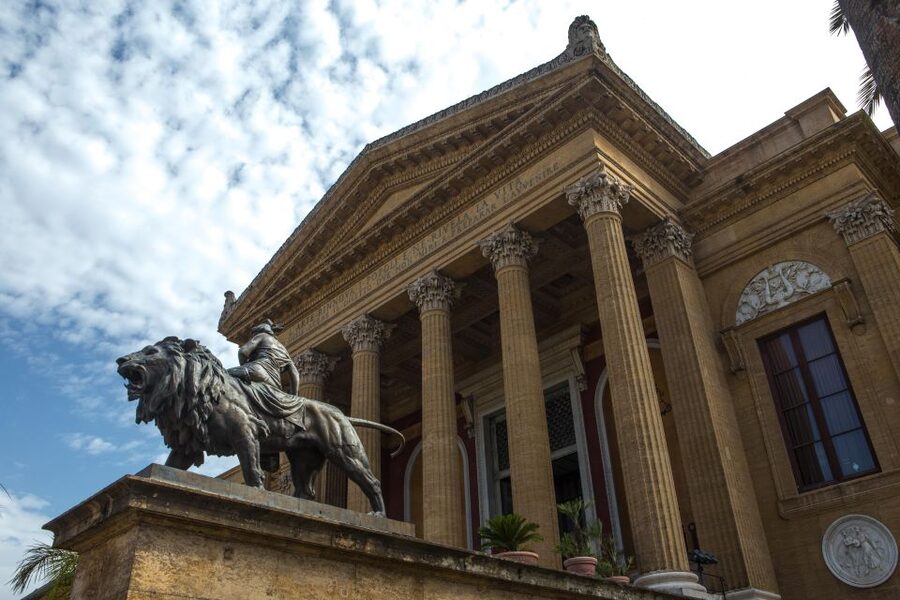
This is an interior tour, so a few basic prep moves make a noticeable difference. Wear comfortable shoes. You’ll spend your time looking up and around, and you’ll also be moving between rooms efficiently.
For photos, start in the foyer. It’s often easier to get cleaner shots before everyone crowds the auditorium. When you reach the auditorium, be mindful of seating and sightlines so you don’t block other people from seeing what the guide is pointing out.
If you’re going in a two-language format, consider using the language rhythm as your camera strategy. While one section is explained, you can often get your angles without rushing to keep up with the guide’s speed.
Who this tour is best for
This tour suits you if you:
- love architecture and want the theatre explained clearly
- want a focused, iconic interior visit without committing to an evening performance
- appreciate live guidance and don’t want to guess your way through ornate rooms
- will be in Palermo only briefly and want a high-value cultural stop
It may feel less ideal if you:
- need lots of backstage access (this tour is mainly about public areas)
- hate tight timing and want a slow, wandering pace
- come specifically for a full stage-and-backstage walkthrough every time
Should you book the Palermo Teatro Massimo guided tour?
Yes, I think you should book it if you’re curious about how grand opera houses are built to work—and perform. For the price, you get the real star spaces: the foyer, the gold-lit auditorium, the royal box, and other decorated rooms, plus explanations from a live guide.
If you’re especially picky about length, pace, or stage access, pick your time thoughtfully and go in with flexibility. Sometimes the theatre schedule adds rehearsal moments; sometimes lighting or work limits what’s visible. Either way, the building itself is the attraction, and the guide is what makes the details click.
FAQ
How long is the Teatro Massimo guided tour?
The guided tour is listed as about 40 minutes.
What’s included, and what should I plan for separately?
Included is the guided tour of the Teatro Massimo Opera House. Not included are hotel pickup and drop-off, plus food and drinks.
Where do I meet the guide?
Exchange your GetYourGuide voucher at the Teatro Massimo ticket office.
What languages are available for the live guide?
The tour is available in Italian, French, English, Spanish, and German.
Will I see the stage during the tour?
The tour highlights a stage visit and an explanation of what enables the staging of an opera. However, what you can see may depend on what’s happening in the theatre on the day.
Can I cancel for a refund?
Yes. You can cancel up to 24 hours in advance for a full refund.