REVIEW · ST NICHOLAS CHURCH PRAGUE
Prague: Classical Concert in St. Nicholas Church
Book on GetYourGuide →Operated by Fun in Prague · Bookable on GetYourGuide
Baroque walls make classical sound different. In St. Nicholas Church, Prague, this one-hour concert turns a simple evening plan into a focused listening experience, with excellent acoustics built for organ, choir, and chamber music. I love that you get more than one type of performance in the same setting, and I love the church interior itself, from the ceiling fresco to the lighting that makes the nave feel alive. One thing to consider first: the seating can be tough on your back if you are sensitive to pew benches.
You meet right outside St. Nicholas Church, then step inside for a program that can shift day to day. You’ll hear works by Handel, Bach, Vivaldi, Mozart, and others, with room for Czech composers too, including Antonín Dvořák. Dress is mostly smart casual, so you can keep it easy, but plan for warm clothing, because you’ll likely arrive through chilly Prague air.
In This Review
- Key highlights you’ll care about
- St. Nicholas Church makes the music feel like part of the architecture
- What to notice inside: frescoes, lighting, and the nave you’ll want to look at
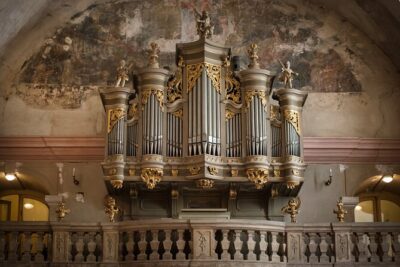
- The Mozart organ connection: the sound behind the legend
- What music you might hear: Handel, Bach, Vivaldi, Mozart, and Dvořák
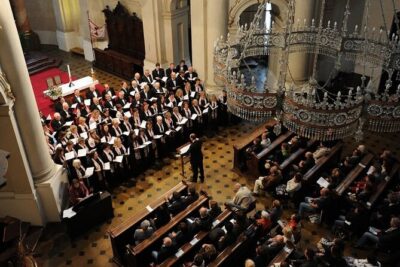
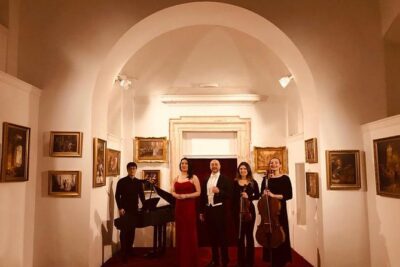
- Orchestral, organ, chamber, or choir: how to think about the format
- Staying comfortable: pew seating, cold outside, and what to bring
- Timing and meeting point: how to get in smoothly
- Price and value: is $30 worth it in Prague?
- Who this concert suits best (and who should reconsider)
- Should you book this Prague classical concert at St. Nicholas?
- FAQ
- How long is the Prague Classical Concert in St. Nicholas Church?
- Where do I meet for the concert?
- What’s included with the ticket?
- What kind of music will I hear?
- Can I expect the same program every day?
- Is there an official dress code?
- Is there a restroom inside the church?
- Are students eligible for a student price?
- Is the concert wheelchair accessible?
- What should I bring to stay comfortable?
Key highlights you’ll care about

- St. Nicholas Church Baroque interior: a dramatic ceiling fresco by J. L. Kracker and lighting that supports the music
- Mozart-linked organ: the baroque organ was played by Mozart in 1787
- A smart, tight time slot: one hour, so it works even on busy Prague days
- Music variety: orchestral, organ, chamber, and choir pieces, plus Czech composers like Dvořák
- English support: ticket includes a printed program in English
St. Nicholas Church makes the music feel like part of the architecture
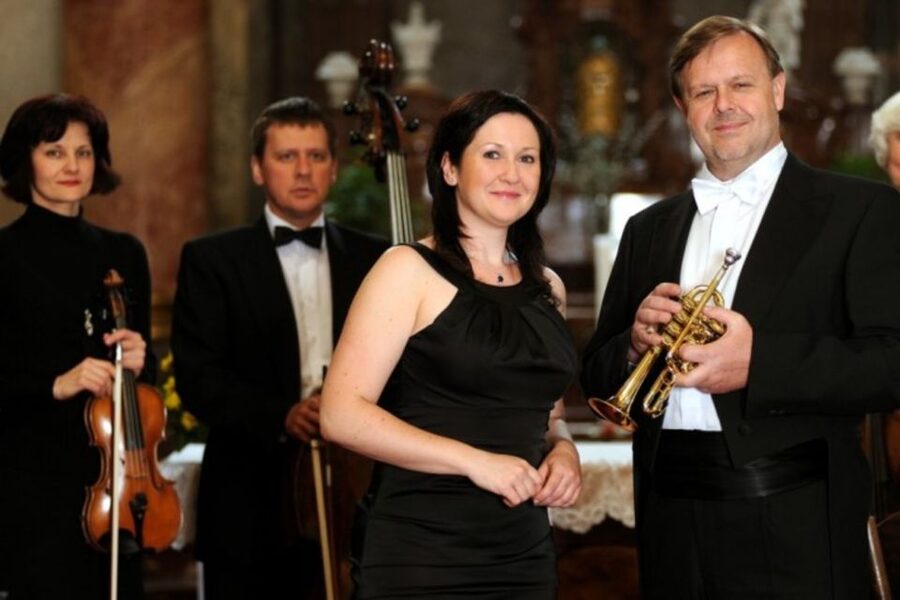
If your Prague evenings tend to blur together, this concert offers a clean break. Instead of browsing streets and lining up at sights, you sit. You listen. And the venue does a lot of the work for you.
St. Nicholas Church is one of those places where you immediately get why classical music belongs here. The room is built to carry sound, so you don’t feel like you are hearing music from a distance. You get clarity. Individual lines—especially organ and choral parts—stay readable as the sound travels. That matters if you care about what you’re hearing, not just the general vibe.
I also like the practical side of the plan. At 1 hour long, you’re not committing to a late-night marathon. You can slot this into an itinerary that already includes the big Prague hits, then still have energy for a post-concert walk. That balance is a big part of why this feels like good value.
What to notice inside: frescoes, lighting, and the nave you’ll want to look at

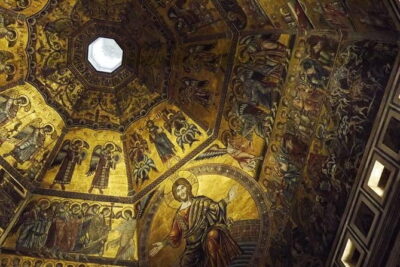
Even if you usually keep your eyes forward at concerts, St. Nicholas is hard to ignore. The nave is dominated by a ceiling fresco painted by J. L. Kracker, showing scenes from the life of St. Nicholas. It’s one of the biggest frescoes in Europe, and it changes how you experience time in the church. During slower passages, you’ll probably find yourself looking up—then back to the performers—because the visual energy and the music feel connected.
Lighting also plays a role. The interior has a lighting scheme that helps guide your attention. You’ll notice brighter areas that keep the stage and performers readable, while darker corners let the fresco and architectural details do their quiet work. That lighting approach helps the room feel intentional, not like a generic church space where someone simply turns the lights on.
This is a concert for people who enjoy details. If you like architecture, or if you’ve ever wished your classical concert venue had more atmosphere than a basic hall, this is built for that.
The Mozart organ connection: the sound behind the legend
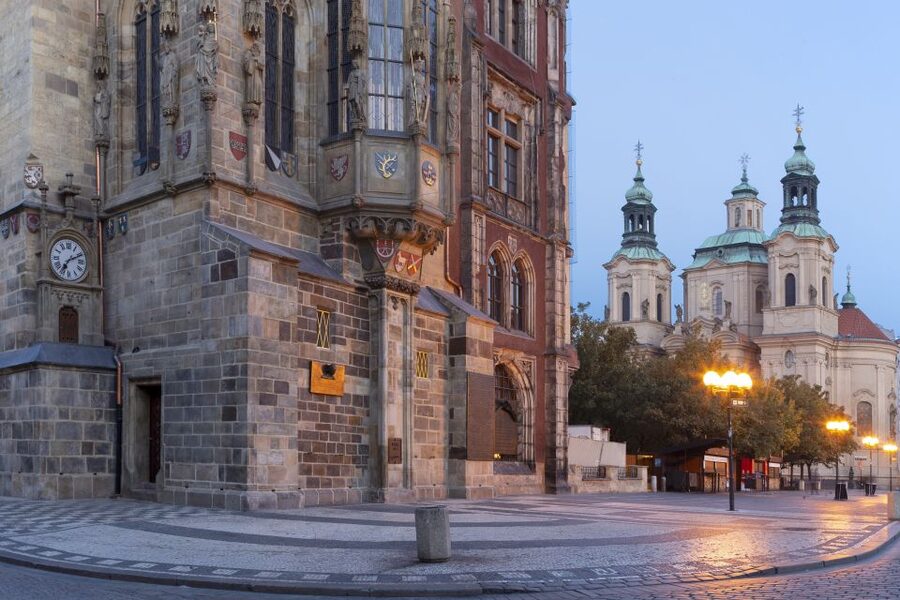
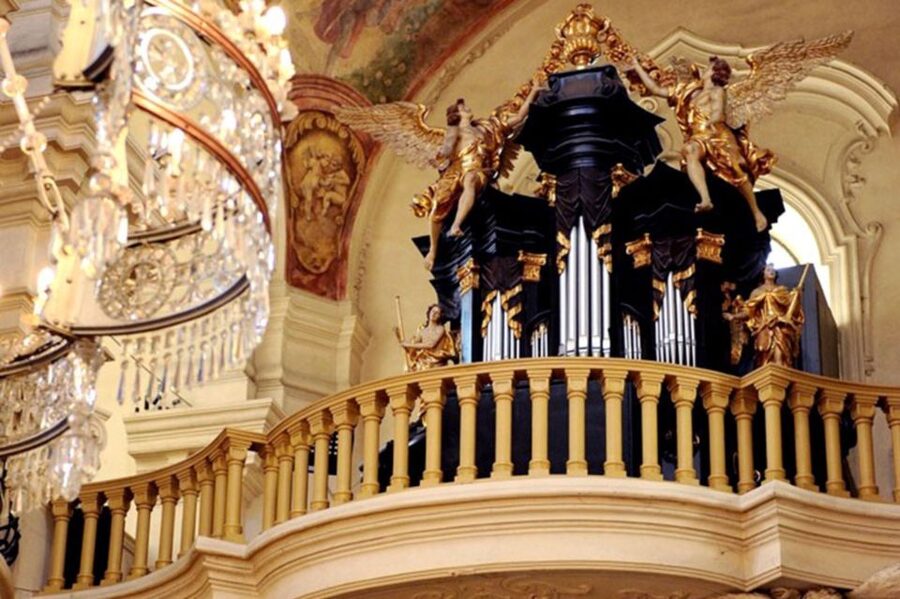
One of the most specific things that makes this experience stand out is the baroque organ. The church has an organ that was played by Mozart himself in 1787. That doesn’t mean you’re watching a recreation of the past. It does mean the instrument’s design and the church’s acoustics have deep historical roots.
When the organ is part of your program, you’re not just hearing a tool for accompaniment. In a room like this, the organ can sound like it fills the air from multiple angles. You tend to feel different registers more clearly—soft lines in the upper range, fuller resonance in the middle, and the kind of low “body” sound that makes your ribs notice.
If you’re deciding whether to attend because of Mozart specifically, I’d treat this as a big plus even if your program is mixed. The organ connection is baked into the experience, and the venue is clearly set up for it.
What music you might hear: Handel, Bach, Vivaldi, Mozart, and Dvořák
The program is not always identical. It changes day to day, so the set list can vary. But the composer names give you a strong sense of what the repertoire aims to cover.
Expect works by major European virtuosos, including G. F. Handel, J. S. Bach, Antonio Vivaldi, and Wolfgang Amadeus Mozart, plus other classical composers. You may also hear Czech music in the mix, including Antonín Dvořák. That pairing is one of the best ways to feel a sense of place. You’re not only hearing famous pan-European composers; you’re also hearing a composer who belongs to Czech musical identity.
One thing I appreciate about this style of programming is how it respects your listening focus. In many concerts, you jump between eras and styles just to check boxes. Here, the structure feels designed for clarity across one hour: you hear enough variety to stay engaged, but not so much that you forget what the music was about.
If you like specific styles, here’s a simple way to choose your mood:
- If you love crisp counterpoint and strong structure, Bach and Handel will likely feel satisfying.
- If you enjoy drama and motion, Vivaldi often brings that sense of forward momentum.
- If you want elegant classical expression, Mozart is a natural fit.
- If you want something distinctly Czech alongside the Western canon, Dvořák adds that local signature.
Orchestral, organ, chamber, or choir: how to think about the format
When you book, you have a choice of performance type—orchestral, organ, chamber, or choir. That choice matters because not every one-hour program will feel the same.
Some programs may focus more heavily on the organ and vocals, while others lean more toward chamber instruments or choral work. In other words: if you’re imagining a full orchestra every time, you could end up disappointed on a day where the lineup is smaller. The safest approach is to pick based on what you enjoy most in an intimate church setting.
Here’s a practical way to decide:
- Choose organ if you want the church to feel central and you like how sound can bloom in a historic room.
- Choose choir if you enjoy strong harmonies and a more text-and-melody experience.
- Choose chamber if you like lighter textures and close listening where individual instrument character shows up.
- Choose orchestral if you want the fullest range of instrumental variety within that one hour.
Even on days with a lighter instrumental setup, the venue’s acoustics help you still feel the music as a whole. But picking your preferred format ahead of time is the best way to line up your expectations with the sound you’re after.
Staying comfortable: pew seating, cold outside, and what to bring
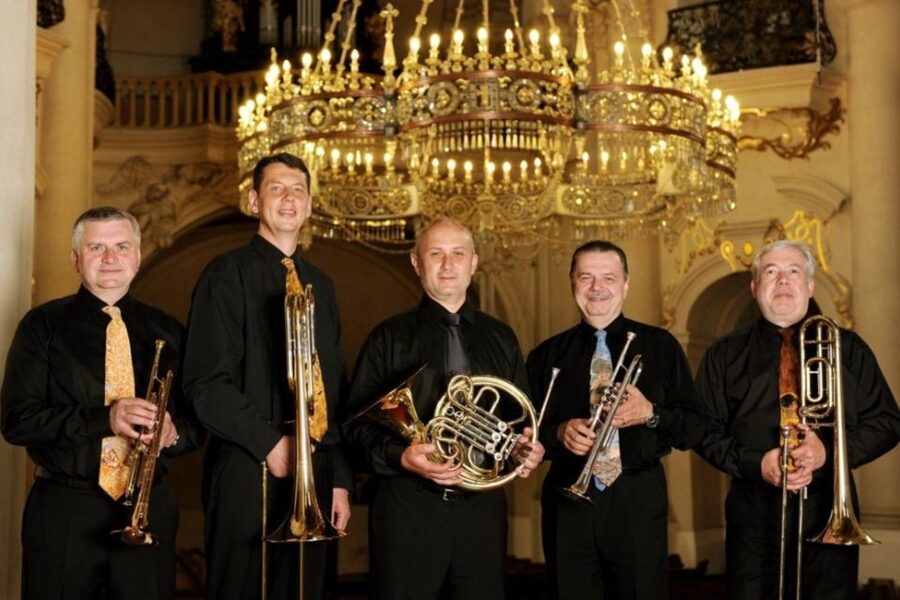
This concert is short, which helps. Still, you are sitting in a church pew. The seating comfort is a frequent talking point, and the honest takeaway is this: the benches are not made for long, modern comfort.
I’d plan for discomfort by keeping your body ready. Bring warm layers so you’re not focused on feeling cold. The venue warms up once people settle in, and that helps, but the path in and out of the church can be chilly.
Also, bring a small cushion only if that’s allowed for you personally. The data doesn’t confirm whether extra seating items are restricted, so I can’t promise it works. But you can definitely do the smarter, low-risk version: wear long pants or thicker socks and dress in layers.
One review also highlighted blankets as a nice touch. Even if blankets aren’t guaranteed every single day, it’s a good reminder that cold can be part of the experience, and the organizers appear to think about it.
What to bring:
- Warm clothing
- Student card, if you’re eligible for student pricing
No official dress code exists, so you don’t need fancy outfits. Smart casual is enough.
One more practical note: there is no WC inside the church. If you need a restroom, do it before you arrive. This is one of those small details that prevents a last-minute stress spiral.
Timing and meeting point: how to get in smoothly
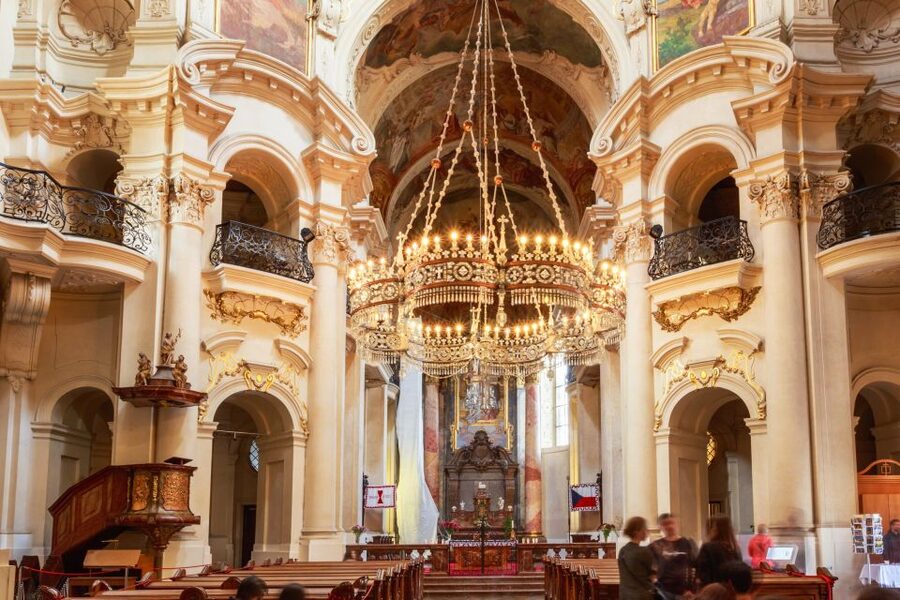
You meet outside the entrance to St. Nicholas’ Church. The experience is only one hour long, so arriving a bit early helps you settle in and find your seat without rushing.
Some people reported that check-in at the door can take time, including paperwork-style details. That means you should have your booking info ready and not treat it like a quick walk-by. If you want the least stress, arrive early enough to breathe.
Also, there can be schedule mismatches in the real world. One review mentioned a difference between the time shown at booking and the actual start time, though the ticket was still honored. The practical lesson: confirm the start time as shown on your confirmation and keep a bit of slack in your plan.
Once you’re inside, don’t waste time hunting for the “best spot” like it’s a pop concert. St. Nicholas is designed for sound. Pick a seat where you can see the performers comfortably, then focus on listening.
Price and value: is $30 worth it in Prague?
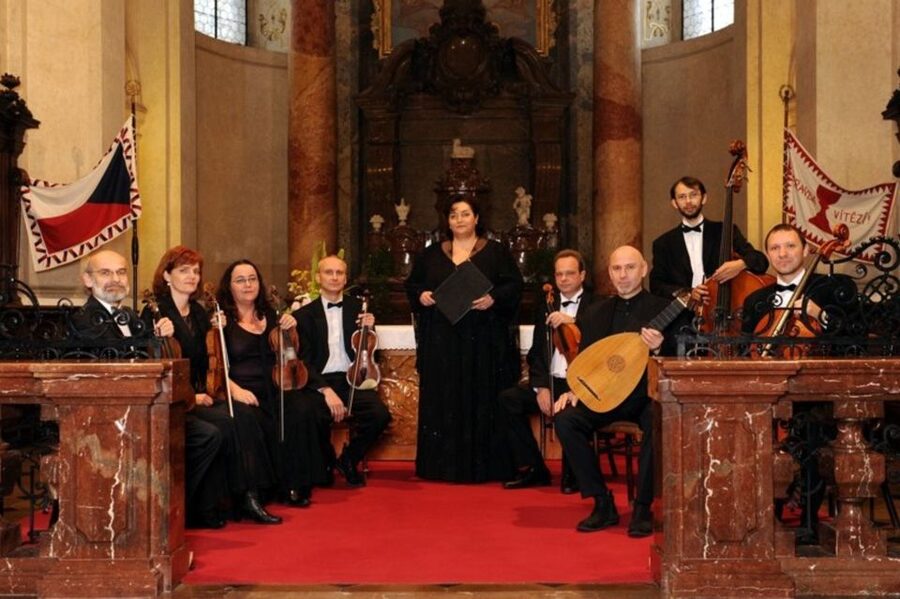
At $30 per person for a 1-hour classical concert in a major Prague church, the value depends on what you want from your evening.
If your goal is a short, high-impact cultural stop, this is one of the more budget-friendly ways to experience classical music in a landmark setting. You’re paying not just for musicians and repertoire, but for the specific atmosphere: Baroque interior, historic organ connection, and acoustics built for serious listening.
It also helps that what you receive is clear-cut:
- A ticket for the performance
- A printed program in English
That English program matters more than you might think. In music concerts, a little context can turn background listening into engaged listening. You can follow along, understand what you’re hearing, and feel smarter in the room.
Compared with longer evening events, the one-hour length is part of the price equation. You spend less time tied to the plan, which makes it easier to combine with dinner and other Prague stops without ending your day exhausted.
The only real value risk is expectation mismatch: if you’re arriving expecting a specific type of performance every time, the program format can vary. Pick based on your musical preference, not just the general idea of classical concerts.
Who this concert suits best (and who should reconsider)
This concert works best for you if you:
- Like listening-focused evenings more than sightseeing marathons
- Want classical music with a historic Prague church as part of the show
- Enjoy variety within one hour—organ, chamber, and choir elements
- Care about Czech cultural presence, since Dvořák appears in the potential repertoire
It may feel like the wrong choice if you:
- Need wheelchair access. This experience is not suitable for wheelchair users.
- Are traveling with unaccompanied minors. Unaccompanied minors are not allowed.
- Have very fragile backs or expect padded modern seating. The pew benches can be uncomfortable.
If you’re a student, this can also be a solid deal if you have the right proof. Student validity requires a student ID, such as an ISIC card or other documentation that proves study (the data also mentions a student card that can include a public transport pass).
Should you book this Prague classical concert at St. Nicholas?
I think it’s worth booking if you want a simple, high-atmosphere evening in central Prague that doesn’t require a long time commitment. The combination of St. Nicholas Church’s interior, the possibility of organ and choral sound, and the Mozart-linked organ connection makes it feel more specific than generic classical nights.
Book it confidently if:
- You can handle pew seating for an hour
- You’re open to a program that shifts day to day
- You want both famous European composers and a Czech touch
Skip or rethink it if:
- You strongly need wheelchair accessibility
- You are expecting a full orchestra every single time
- You cannot do cold weather waiting outdoors without discomfort
If your plan is to get a great seat, listen carefully, and let the building do its work, this is exactly the kind of Prague experience that makes a short stop feel memorable.
FAQ
How long is the Prague Classical Concert in St. Nicholas Church?
The concert lasts 1 hour.
Where do I meet for the concert?
Meet outside the entrance to St. Nicholas’ Church.
What’s included with the ticket?
Your ticket includes entry to the performance and a printed program in English.
What kind of music will I hear?
You may hear orchestral, organ, chamber, or choir music. The repertoire can include composers such as Handel, Bach, Vivaldi, Mozart, and other composers, plus Czech composers like Antonín Dvořák.
Can I expect the same program every day?
No. The program changes day to day.
Is there an official dress code?
There is no official dress code. Attire is mostly smart casual.
Is there a restroom inside the church?
No. There is no WC inside the church.
Are students eligible for a student price?
Student only valid with student ID, including a public transport pass or other documents that prove study such as ISIC.
Is the concert wheelchair accessible?
No. It is not suitable for wheelchair users.
What should I bring to stay comfortable?
Bring warm clothing. If you plan to use a student card, bring your student ID as required.