REVIEW · KRAKOW
Kraków: Romantic Candlelight Chopin Piano Concert
Book on GetYourGuide →Operated by Walking & talking · Bookable on GetYourGuide
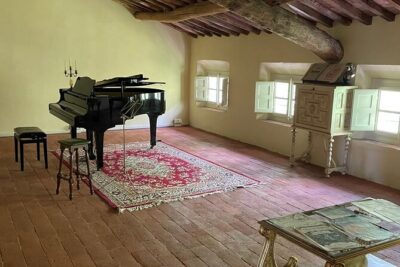
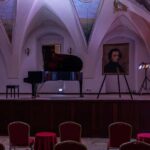
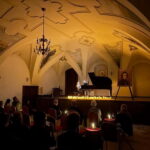
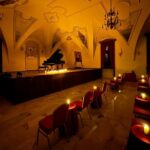
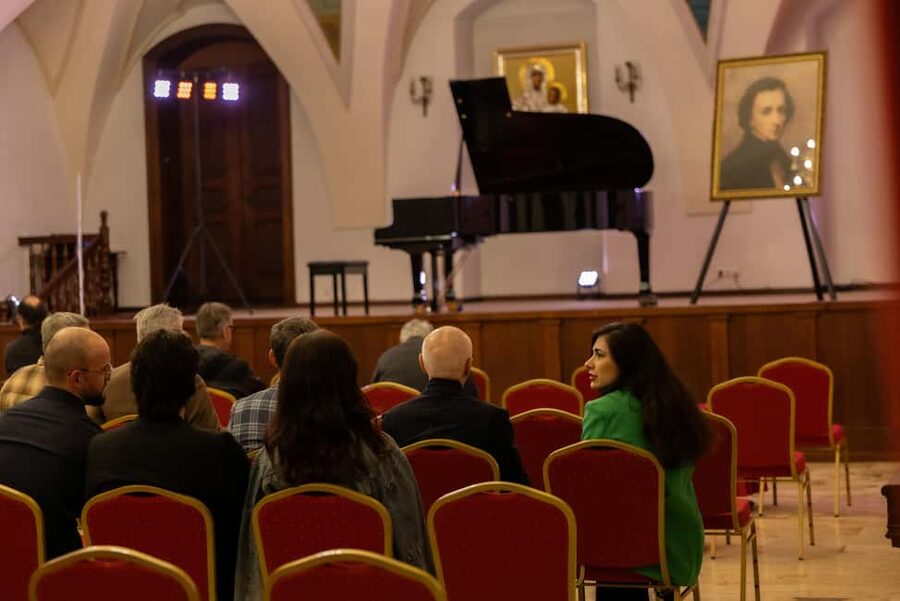
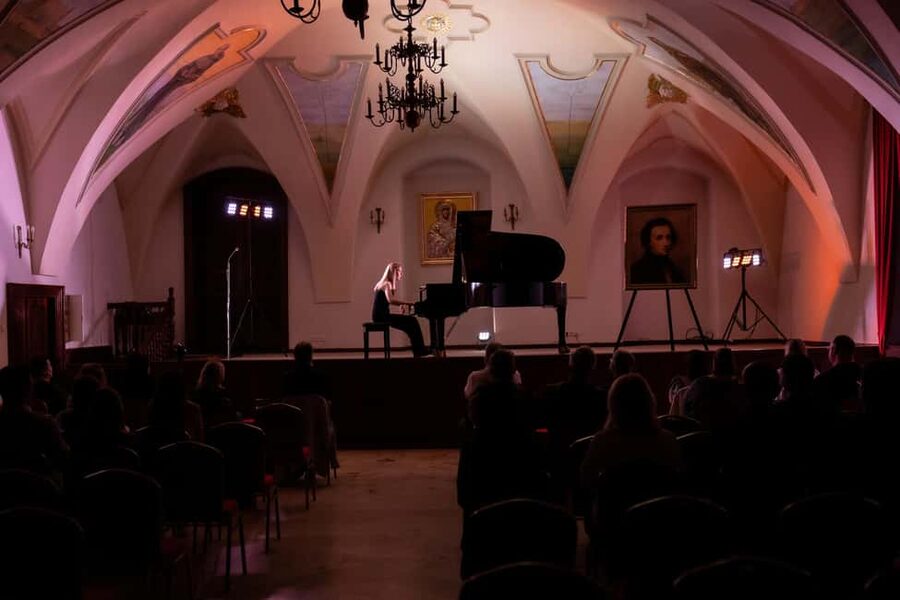
Candlelight turns Chopin into something physical. This 1-hour piano concert happens inside the 17th-century Church of St. Bernardine of Siena, in a part of the monastery that’s normally closed to visitors, so the whole night feels special before the first note even lands.
I especially like the candlelit atmosphere and the way the church setting supports solo piano acoustics. You’ll also get a real mix of composers in the program, not just Chopin, including Beethoven, Ravel, Rachmaninov, Debussy, and Bacewicz, so the emotion stays varied instead of repetitive. One thing to weigh: it’s not wheelchair accessible, and the concert space isn’t suitable for everyone, including children under 10 and people with epilepsy.
In This Review
- Key highlights at a glance
- Inside Kraków’s Church Concert Scene: Why This One Works
- The 1-Hour Flow: What Happens During the Concert
- Entrance to the Bernardine monastery and welcome
- Introduction of the performer
- First concert performance
- Short intermission
- Second performance set
- The Music Lineup: Chopin’s Spotlight, Plus Real Contrast
- Candlelight and Church Acoustics: The Atmosphere You’re Paying For
- Wine, Mood, and a Very “Sit Still” Evening
- Practical Details That Affect Your Comfort
- What you should know about entry and what’s not allowed
- Alcohol rules
- Health and comfort limits
- Getting the Value Right: Is This Worth $44?
- Who This Concert Is Best For
- Before You Book: Quick Decision Checklist
- FAQ
- FAQ
- Where does the concert take place?
- How long is the concert?
- What composers are included in the program?
- Is the concert conducted in English?
- Is the price $44 per person?
- Can I bring my own alcohol?
- Is it wheelchair accessible?
Key highlights at a glance
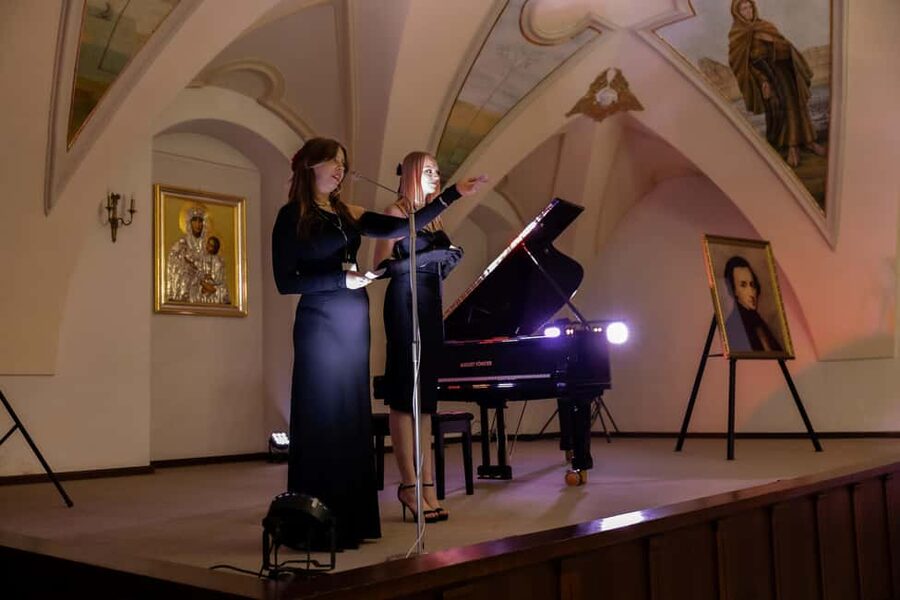
- 17th-century St. Bernardine of Siena venue: a rare, monastery-area space that’s usually off-limits
- Candlelight concert format: intimate lighting designed for focus and atmosphere
- Chopin plus major Romantic voices: Beethoven, Ravel, Rachmaninov, Debussy, and Bacewicz
- A short intermission: built into the hour so the pace stays comfortable
- Wine included in the experience: a small extra touch that fits the mood
Inside Kraków’s Church Concert Scene: Why This One Works
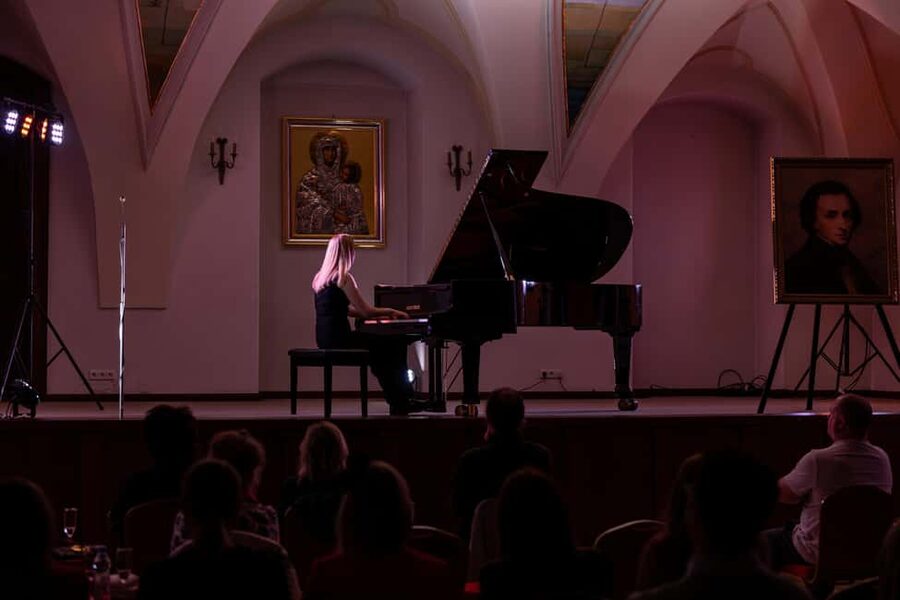
Kraków has plenty of classical music options, but this kind of concert is different. The value isn’t only that you’re hearing great pianists play famous works. It’s that you’re doing it in a historical room that doesn’t usually welcome the public. In a city known for churches you can wander at will, this feels like a controlled, respectful “private viewing,” except the art is sound.
You get a live solo piano program, close enough to feel the dynamics instead of just catching melodies from far away. And because the setting is Baroque-era and candlelit, the emotional tone matches the music. Chopin’s writing already lives on nuance—soft turns, sudden tension, quick releases—so this is the kind of concert where details matter.
Pricing is $44 per person for a 1-hour performance. That’s not cheap for a short event, but what you’re paying for is the combination: the rare access to the Bernardine monastery entrance area, candlelight ambience, English-language hosting, and a full program with multiple composers. For many visitors, that mix of culture + setting is exactly what makes it feel worth it rather than like a standard “ticketed show.”
You can also read our reviews of more tours and experiences in Krakow.

The 1-Hour Flow: What Happens During the Concert
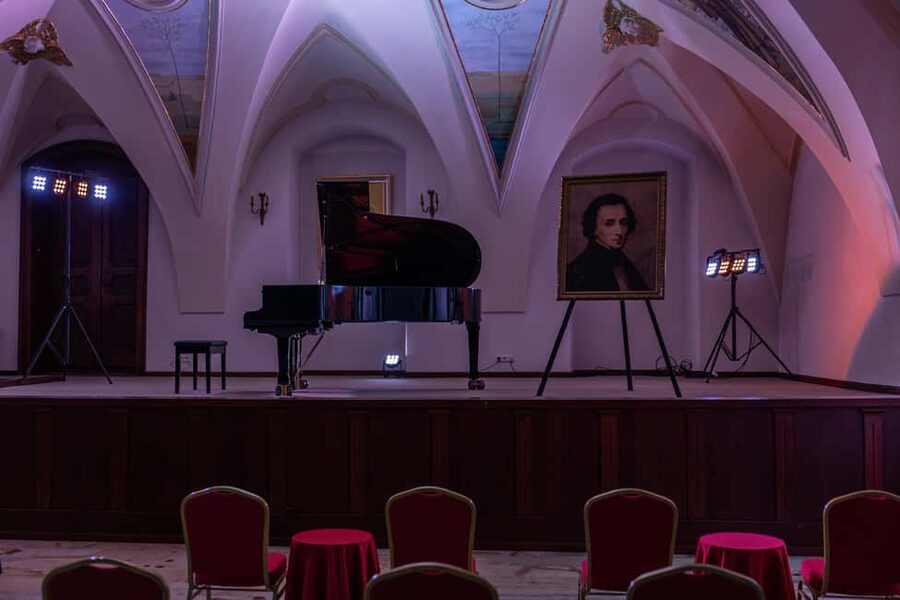
This concert runs about an hour, with a simple structure that keeps things easy to follow. You can think of it as two main sets with a brief break in the middle.
Entrance to the Bernardine monastery and welcome
You’ll start with entrance to the Bernardine Monastery, then a welcome and introduction to the composers featured in the program. This part matters more than it sounds. If you’re not a hardcore classical-music person, a quick framing helps you hear what to listen for once the playing starts.
Introduction of the performer
Next comes an introduction to the pianist. Even if you know the composers well, performers shape the experience through touch and tempo choices. When you know a little about the musician first, you tend to follow the interpretation more actively.
First concert performance
Then you’ll settle into the first half of the program. The repertoire includes quick-focus pieces like Chopin’s Etude Op. 10 No. 8, which can sound like musical lightning when played with clarity. It also includes longer emotional arcs such as Chopin’s Ballade No. 1 in G minor, Op. 23, which is often where people start to feel the room “tighten” around the music.
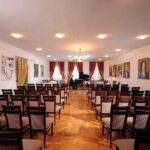
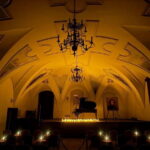


Short intermission
There’s a short intermission. It’s not meant to turn into a long social break. It’s there so you can reset, catch your breath, and come back ready for the second set with fresh attention.
Second performance set
The second half includes more color and variety across composers. Expect works like Ravel’s Valses nobles et sentimentales and Debussy’s Etude No. 1 (the piece inspired by Czerny). The program also includes a Rachmaninov Étude-Tableau Op. 39 No. 8, which adds heavier Romantic weight and dramatic pacing.
The evening closes with G. Bacewicz – Piano Sonata No. 2, which gives modern energy in the mix, instead of ending the night purely in Chopin’s world.
The Music Lineup: Chopin’s Spotlight, Plus Real Contrast
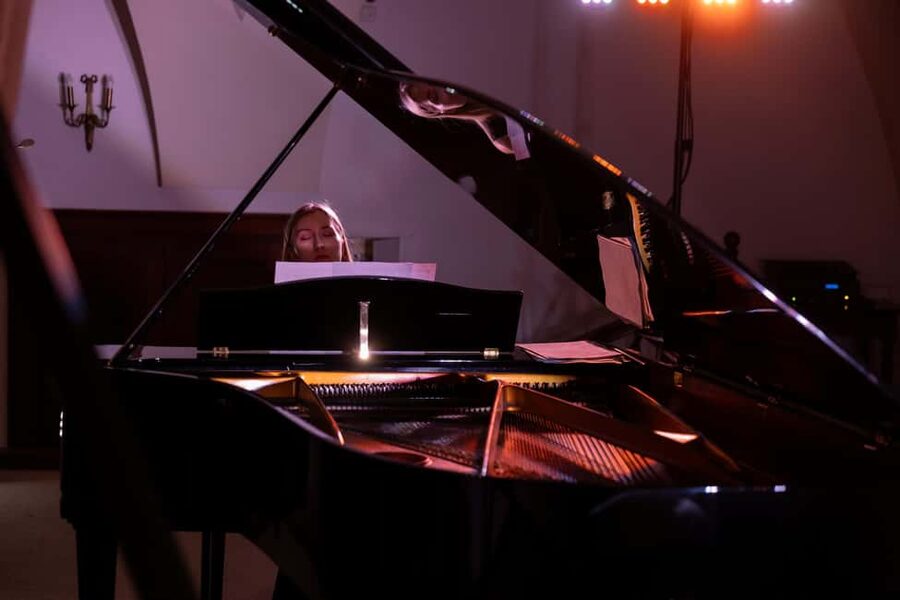
Chopin is the headline here, but the program gives you more than one mood lane. That matters because Chopin can feel intensely personal, and a varied set keeps the emotion from turning into one long blur.
Here’s the full repertoire you’ll hear:
- Beethoven – Sonata in E-flat Major, Op. 31 No. 3 (1st movement)
- Chopin – Etude Op. 10 No. 8
- Chopin – Ballade No. 1 in G minor, Op. 23
- Chopin – Mazurka Op. 17 No. 4
- Chopin – Preludes Op. 28 No. 4 & No. 6
- Ravel – Valses nobles et sentimentales (No. 1 & 2)
- Rachmaninov – Étude-Tableau Op. 39 No. 8
- Debussy – Étude No. 1 Pour les cinq doigts d’après Monsieur Czerny
- Bacewicz – Piano Sonata No. 2
Why this lineup is a good idea:
- Beethoven gives structure and classic backbone early, so Chopin’s world feels intentional rather than random.
- Chopin covers multiple facets: lyrical lines, technical etude fire, and the narrative sweep of a ballade.
- Ravel and Debussy bring French clarity and lighter harmonic colors, which can refresh your ears.
- Rachmaninov adds intensity and larger-than-life romantic drama.
- Bacewicz helps you end the night with something that doesn’t just mirror the 19th century, so you leave with a “last chord” that feels modern.
Candlelight and Church Acoustics: The Atmosphere You’re Paying For
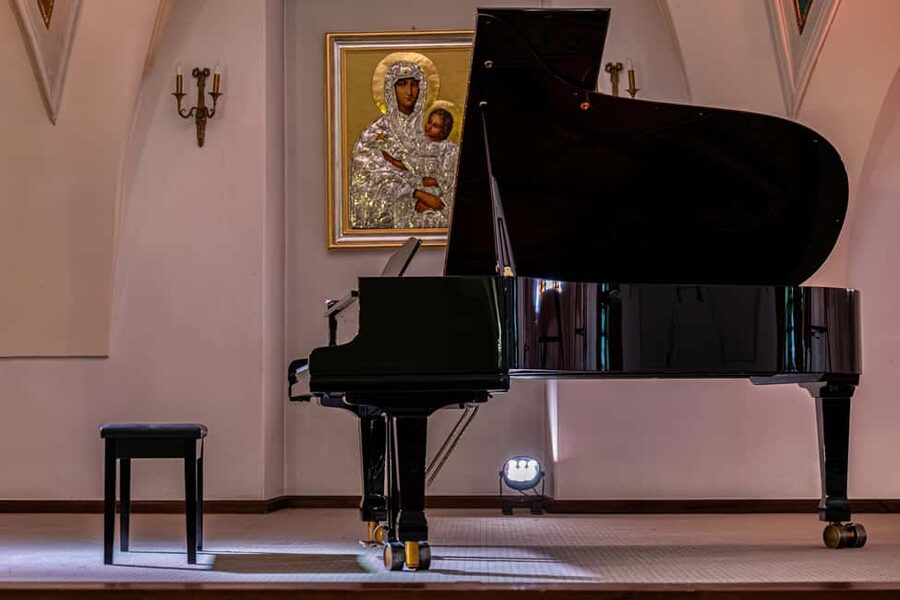
A candlelit concert is more than decoration. It changes how you perceive sound and attention.
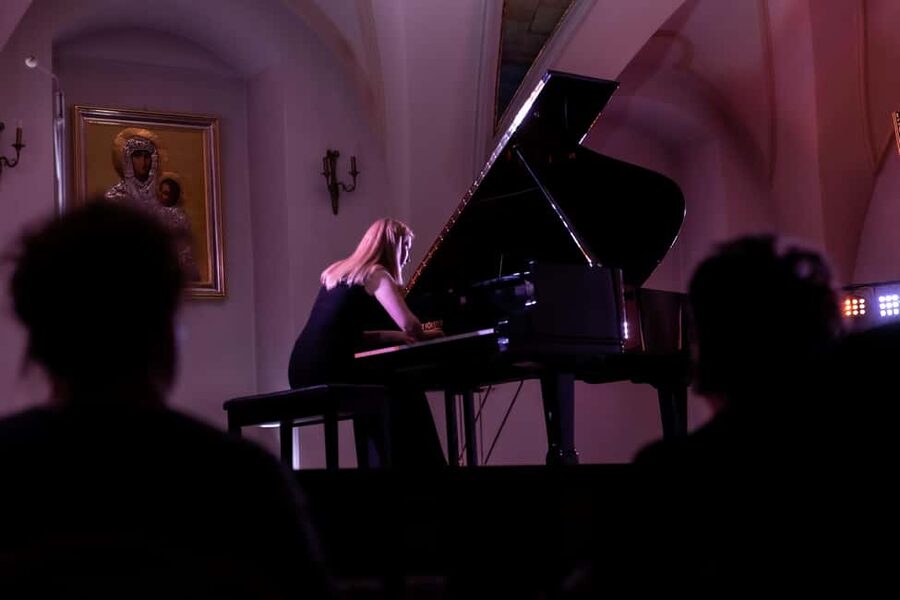
In this church setting, the visual quiet helps you focus on the piano’s phrasing. And because it’s solo piano, the instrument’s range carries emotional cues that you don’t always catch in larger orchestral halls. The concert is designed for that kind of close listening.
Also, the venue is normally closed to the public. That rare-access feeling tends to make people sit a bit more carefully, hush faster, and treat the space with respect. You get a calmer room, which helps the performance land.
Just keep expectations grounded: this isn’t about big crowd theatrics. The point is the sound plus the historical atmosphere.
Wine, Mood, and a Very “Sit Still” Evening
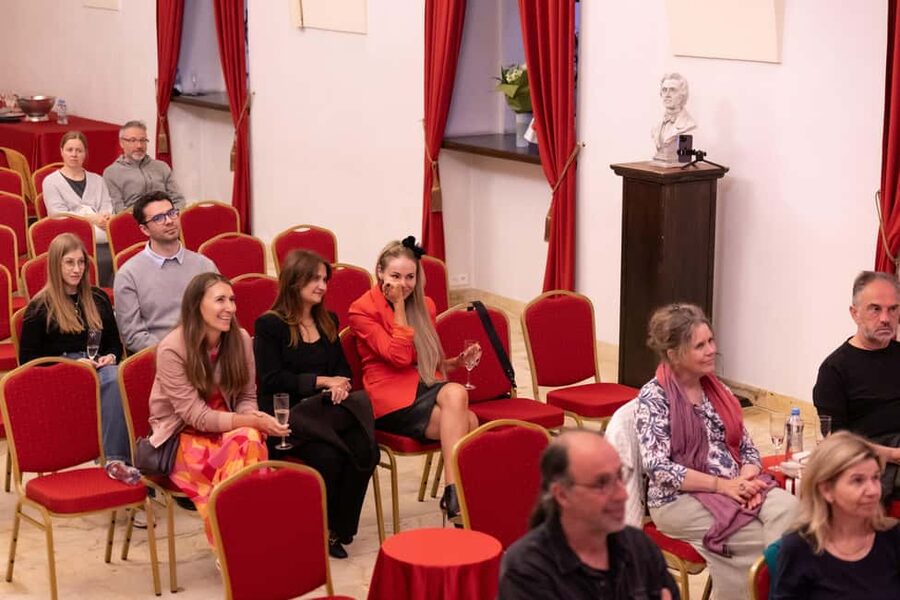
The highlights mention wine as part of celebrating Chopin’s genius. That’s a classy match for the Baroque setting and candlelight tone. It also helps explain why this event feels like an evening rather than a quick daytime recital.
At the same time, it’s still a concert. You’ll want to plan for a calm, seated experience where the main activity is listening. If you’re the type who enjoys talking loudly during performances, you might find this format frustrating. Making noise is listed as not allowed, and flash photography is also prohibited.
Practical Details That Affect Your Comfort
This is where the small rules can make or break the night.
What you should know about entry and what’s not allowed
You can expect a fairly strict concert-room environment. The event does not allow:
- pets, hats, and weapons or sharp objects
- baby strollers or carriages
- smoking or vaping, including indoors
- flash photography or making noise
- luggage and large bags, as well as unpermitted items like bare feet
Two practical tips:
- Travel light. If you have a big bag, you may end up stuck with it before the venue.
- Leave the hat at home. It’s one of those rules that’s easy to forget until you’re at the door.
Alcohol rules
You can’t bring your own alcohol inside the hall. That’s worth noting if you were planning to make the night longer with drinks. The experience is built around the provided atmosphere, including wine.
Health and comfort limits
It’s not suitable for:
- children under 10
- wheelchair users and people with mobility impairments
- people with epilepsy
- people with a cold
- hearing-impaired people
There’s also a weight limit listed: not suitable for people over 287 lbs (130 kg). If any of these apply, it’s best to choose a different music event that fits your needs.
Getting the Value Right: Is This Worth $44?
For $44 and a 1-hour length, you’re buying three things at once:
1) a top-tier Chopin-centered program with major surrounding composers,
2) candlelit concert atmosphere, and
3) access to a venue area that’s rarely open.
If your goal is just to hear Chopin, you might find cheaper recitals. But if your goal is to experience Kraków through a rare cultural setting—one that mixes music, sacred architecture, and a calm, candlelit mood—then the price starts to make sense quickly.
Also, the event includes the monastery entrance experience and English instruction. That extra guidance is a real value add if you want your listening to feel guided rather than random.
Who This Concert Is Best For
This is a strong choice if:
- you love Chopin and want to hear multiple works rather than only one highlight piece
- you’re curious about Romantic-era piano beyond Chopin
- you like historical settings and quieter, respectful nights
- you want a short evening plan that still feels like a “special event”
It may not be the best fit if:
- you need wheelchair accessibility (the hall isn’t wheelchair accessible)
- you’re traveling with small kids (not suitable under 10)
- you’re sensitive to indoor conditions if you’re currently getting over illness (people with a cold aren’t suitable)
- you want a more casual, social event with lots of movement
Before You Book: Quick Decision Checklist
If you read this and think yes, here’s how I’d make the call fast:
- You’re okay with a strict concert environment (no flash, no noise, no hat, no large bags).
- You want a curated, composer-focused hour rather than a wandering museum-style visit.
- You value the setting as much as the music.
If any of the listed “not suitable” conditions affect you, skip it and look for a different concert format.
FAQ
FAQ
Where does the concert take place?
It takes place at the Church of St. Bernardine of Siena in Krakow, in a part of the Bernardine monastery that is normally closed to visitors.
How long is the concert?
The concert lasts about 1 hour.
What composers are included in the program?
The program includes Beethoven, Chopin, Ravel, Rachmaninov, Debussy, and Bacewicz, with specific works listed in the concert repertoire.
Is the concert conducted in English?
Yes. The instructor language is English.
Is the price $44 per person?
Yes. The price is listed as $44 per person.
Can I bring my own alcohol?
No. You can’t bring your own alcohol into the hall.
Is it wheelchair accessible?
No. The concert hall is not wheelchair accessible, and it’s also not suitable for people with mobility impairments or wheelchair users.
If you want, tell me your travel dates and whether you’re a Chopin fan or more of a mixed-composer person, and I’ll help you pick which time slot to aim for.