REVIEW · PORTO
Porto: What is Fado? Commented Live Concert with Port Wine
Book on GetYourGuide →Operated by Fado na Baixa · Bookable on GetYourGuide
Fado in Porto hits you fast. This show is built to make Fado feel understandable and personal, not like a museum lecture. I like how it mixes Tawny Port with live singers, plus quick video storytelling that walks you through Lisbon, Coimbra, and the legacy of Amália Rodrigues.
The room is intimate and the program is only 1 hour, so if you want a long, late-night singalong concert, you may find the pace a bit tight.
In This Review
- Key Points Before You Go
- Why This Fado Show in Porto Feels Like More Than Music
- The 19th-Century Auditorium by Ribeira: What the Setting Does
- The Four-Act Program: Lisbon to Coimbra to Amália Rodrigues
- 1) Traditional Lisbon Fado: The Style Everyone Points To
- 2) Portuguese Guitar + Tawny Port Pairing
- 3) Coimbra Fado: Student Songs With a Different Tone
- 4) Amália Rodrigues and the Big Legacy Move
- Multimedia Storytelling in Your Language: Making Fado Easier to Follow
- The Portuguese Guitar Sound You’ll Actually Hear
- Price and Value: Is $18 Worth It?
- Who Should Book This (and Who Might Want a Longer Concert)
- Practical Tips So Your Hour Goes Smoothly
- Should You Book Fado na Baixa?
- FAQ
- Where is the meeting point for Fado na Baixa?
- How long is the Fado na Baixa concert?
- What’s included in the ticket price?
- What languages are available for the audio guide?
- Is the venue wheelchair accessible?
- Do I pay when I book?
- Can I get a refund if I change my plans?
Key Points Before You Go
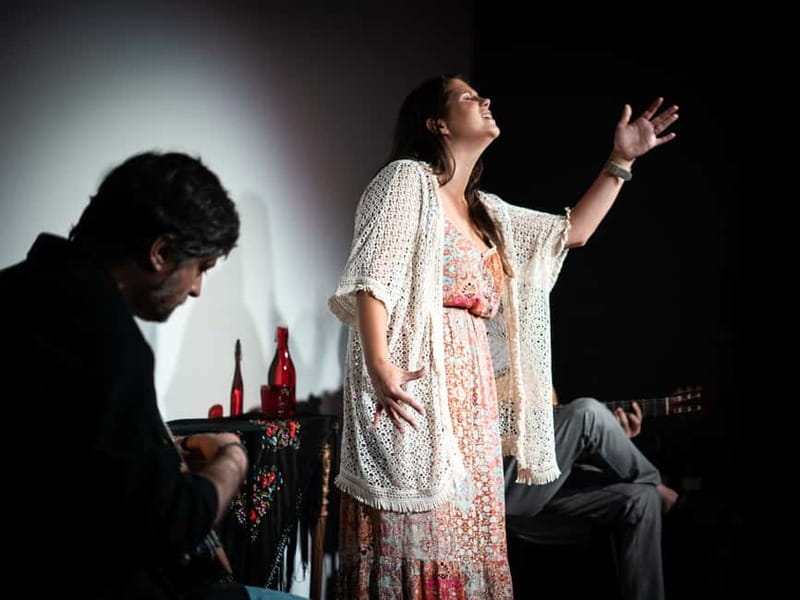
- Two Fado styles in one night: Lisbon and Coimbra, with clear context for what you’re hearing
- Portuguese guitar focus with up-close musicianship and techniques you can actually listen for
- Tawny Port included as a cultural pairing, not just a free drink token
- Multimedia testimonials in multiple languages so you follow even without Portuguese
- Audience interaction including chances to sing along during the performance
- Cozy 19th-century auditorium in Ribeira, near the Douro River vibe
Why This Fado Show in Porto Feels Like More Than Music
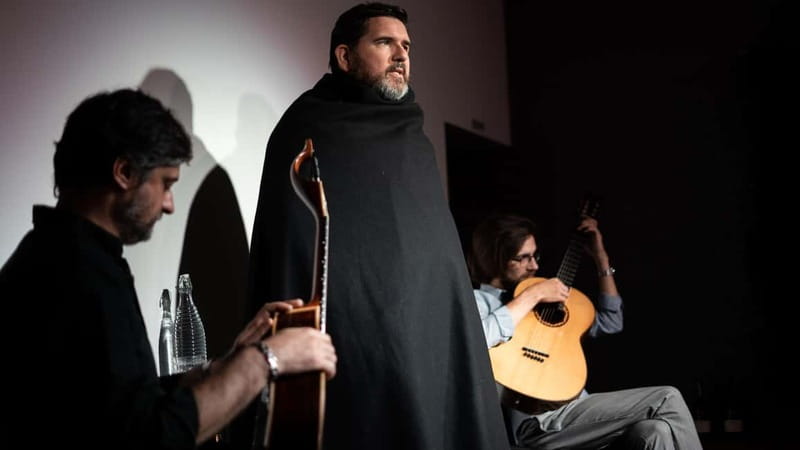
If Fado sounds mysterious, this is the antidote. The show is designed around the idea that Fado is emotion plus meaning. You don’t just hear songs; you get the story of why those melodies exist and why the lyrics land so hard.
I also like the balance of tradition and change. You start with a more classic, high-intensity Lisbon approach, then shift into the more student-linked world of Coimbra Fado, and finally you see how Amália Rodrigues reshaped the art for a wider audience. That arc helps you hear the differences instead of treating every song like a separate random highlight.
One more reason it works: it stays human. The program uses personal reflections and context you can track in your own language, which makes it easier to connect with lines about love, fate, loss, and longing.
You can also read our reviews of more tours and experiences in Porto.



The 19th-Century Auditorium by Ribeira: What the Setting Does
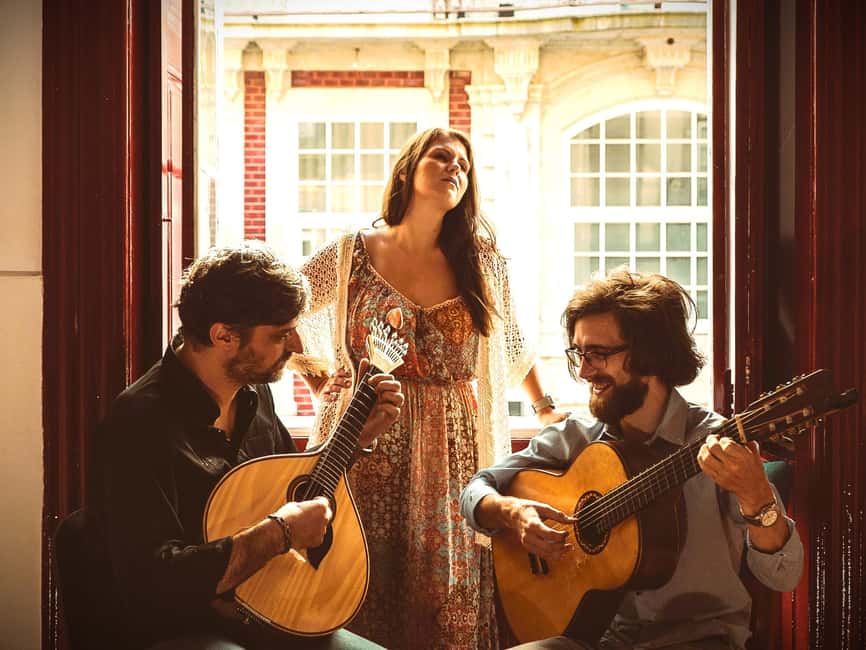
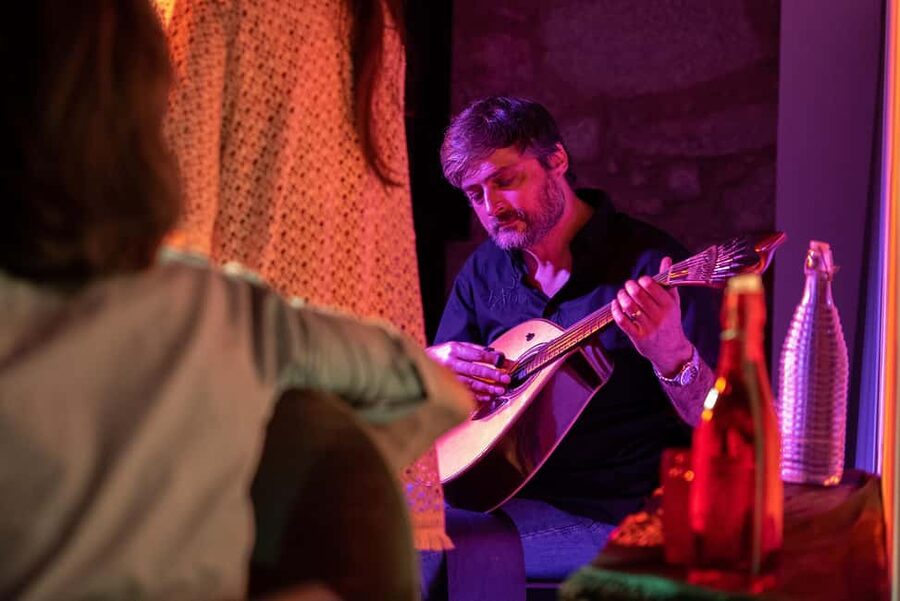
This isn’t a giant concert hall. It’s a licensed auditorium inside a 19th-century building in Ribeira do Porto (R. de São João 99). That matters because Fado is about closeness—voices and guitar details feel sharper when you’re not spread out across rows of strangers.
The Douro River area has that old-Porto atmosphere, and the show fits it. You can do this as an evening plan right after wandering near the water. Then you step into a cozy room where the performance holds the center of attention.
One practical note: a couple of comments mention the chairs look vintage. In an hour-long show, that’s usually fine, but if you’re sensitive to seating, I’d still aim to arrive early and choose the best spot you can.
The Four-Act Program: Lisbon to Coimbra to Amália Rodrigues
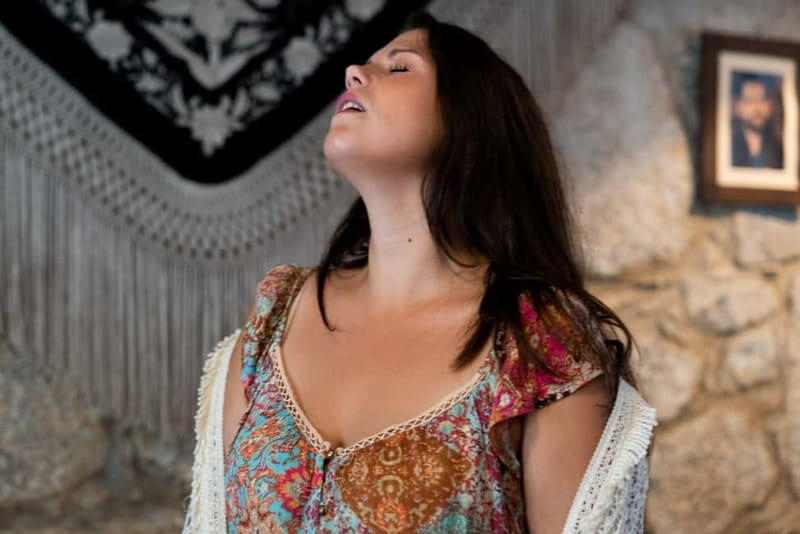
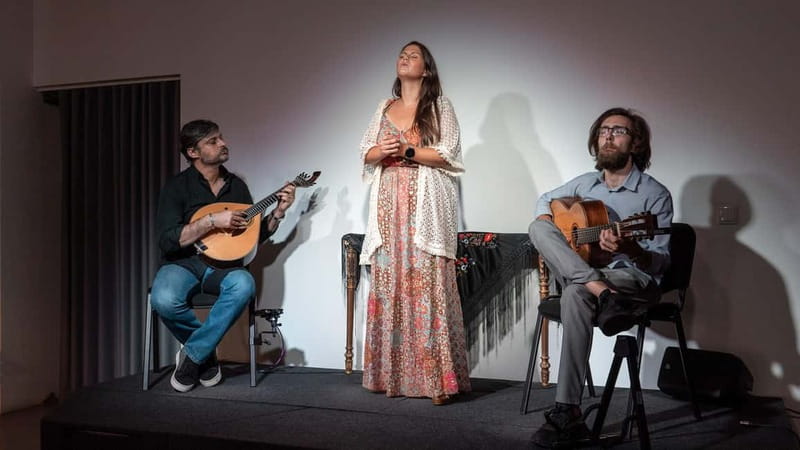
The show is structured like a guided journey through Portuguese musical identity. Four artists take part—male and female singers plus top musicians—while the program builds in clear sections.
1) Traditional Lisbon Fado: The Style Everyone Points To
You begin with the Lisbon style, the one many people first associate with Fado. It tends to feel intense and tightly emotional, with a vocal delivery that leans into the drama. You’ll hear the Portuguese guitar too, and this is where you start noticing how the instrument supports the voice instead of just accompanying it.
The value here is context. Once you understand what Lisbon Fado is trying to express, you can listen for the same emotional logic in later segments.
2) Portuguese Guitar + Tawny Port Pairing
Next comes the Portuguese guitar focus, paired with a serving of Tawny Port. The pairing is more than a nice extra; it gives you a sensory break without breaking the show. You’re in the performance, but you also get a moment to reset and keep paying attention to details.
This is also where musicianship shows. Guitarists use distinct phrasing and rhythm patterns, and it becomes easier to hear the technique once you know what to listen for.



3) Coimbra Fado: Student Songs With a Different Tone
Then you shift to Coimbra Fado, described as the Fado of Portuguese students. The show includes a male singer who is a former student at Coimbra University, so you get the feel that this tradition comes from lived identity, not just a staged concept.
Coimbra Fado has its own character and delivery, and that contrast is one of the biggest reasons the show stays interesting. You’re not watching the same style repeated; you’re experiencing how Fado changes by place and community.
4) Amália Rodrigues and the Big Legacy Move
Finally, the program highlights Amália Rodrigues, often called the queen of Portuguese Fado. This portion focuses on how she transformed the tradition and pushed it toward unprecedented recognition.
I like this ending because it connects the dots. Instead of ending on sadness with no explanation, you see how an art form survives by adapting while still honoring its roots.
Multimedia Storytelling in Your Language: Making Fado Easier to Follow

A lot of people worry they’ll be lost if they don’t speak Portuguese. Here, that risk drops because the show uses multimedia context and hand-picked testimonials.
You’re supported by an audio guide (English, French, Spanish, Portuguese). So even if the words fly by, you’re not stuck guessing what the singer is trying to say. It also helps with structure: you understand when the program is talking about Lisbon techniques versus Coimbra performance styles.
This combination—live music plus visuals plus language support—works well for first-timers. You get the emotional effect without needing to already know Fado vocabulary and history.
It also keeps momentum. The videos are interwoven with the singing and guitar, so it doesn’t feel like a full stop in the middle of a concert. In an hour, pacing is everything.
The Portuguese Guitar Sound You’ll Actually Hear
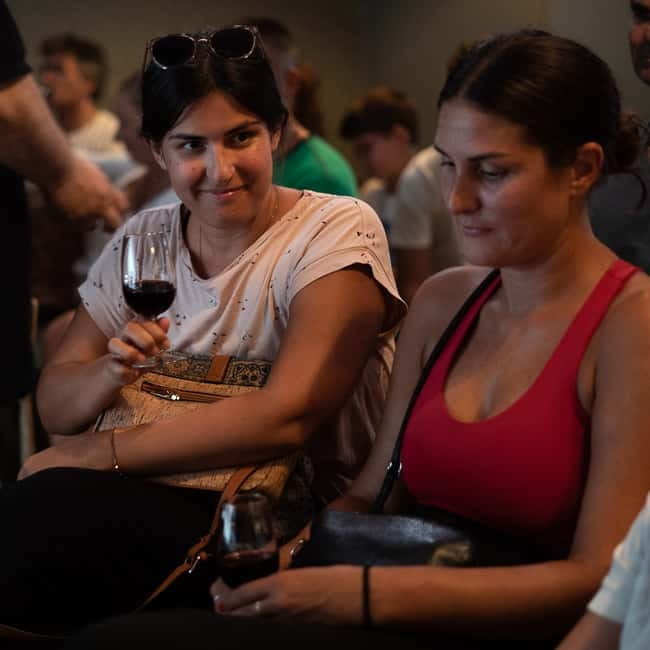
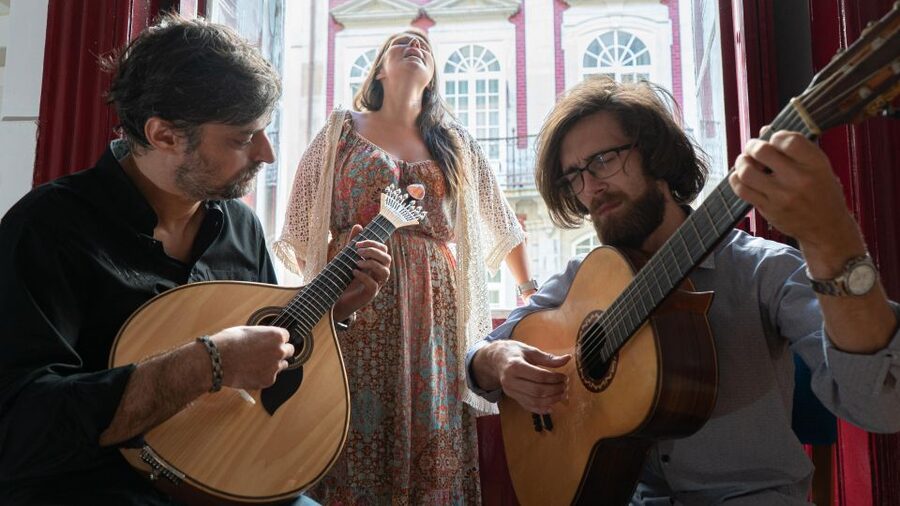
Portuguese guitar is a star in this show. Even if you don’t play, it becomes easier to notice what makes the instrument Portuguese instead of just “guitar with a different look.”
One reviewer noted fascination with the skill level, especially crediting musicians such as Mário Henriques and another guitarist named Rato. That kind of detail matters because it points to real technique, not just a general ambience.
What you can listen for:
- How the guitar phrases mirror the mood of the voice
- How rhythm and emphasis shift between Lisbon and Coimbra segments
- How the guitar can lead a line emotionally, then hand it off to the singer
By the end, you’ll likely find yourself hearing the guitar as a storyteller too, not just a soundtrack.
Price and Value: Is $18 Worth It?
At $18 per person for a 1-hour experience, you’re paying for more than a seat and a couple songs. The ticket includes the live performance plus multimedia content, an audio guide, and a glass of port.
That bundle is what makes the value feel fair. You’re getting:
- Multiple Fado expressions (Lisbon, Coimbra, and Amália’s legacy)
- Live vocal and guitar performance from skilled musicians
- Language support so you follow the meaning of what you hear
- A cultural pairing through the Tawny Port serving
If you’ve ever paid for a concert where you mostly catch the vibe but miss the story, this tends to solve that problem. It’s also a strong option when you want culture without committing to a long evening.
Who Should Book This (and Who Might Want a Longer Concert)
This show is a great fit if you’re:
- New to Fado and want a guided introduction
- Short on time but still want depth and context
- Traveling as a mixed group (one person loves music, another needs explanations)
- Interested in how Fado evolved, not just how it sounds
It may be less ideal if you want:
- A marathon concert with no structure
- A deep dive into just one style (the program rotates through major styles)
- A purely spontaneous singalong night (there’s interaction, but it’s still a scripted show)
Given how many people highlight the education and the emotional connection, the sweet spot is clear: you’ll enjoy it most when you’re open to both listening and learning.
Practical Tips So Your Hour Goes Smoothly
Here’s how to get the best experience without overthinking it.
- Arrive with a plan to focus. The show is fast and layered: singing, guitar, multimedia, and context all move together.
- Treat the Tawny Port as part of the show, not just a side drink. Have a sip during quieter moments so you stay engaged with the performers.
- If you care about non-alcoholic options, ask ahead. The experience clearly includes a glass of port, and some comments mention wishing for an alternative.
- If you’re sensitive to seating, show up early to choose your spot. It’s still a small venue, so you can usually pick a better row.
- Bring your curiosity about differences. You’ll hear Lisbon versus Coimbra as separate worlds, not variations on the same theme.
Should You Book Fado na Baixa?
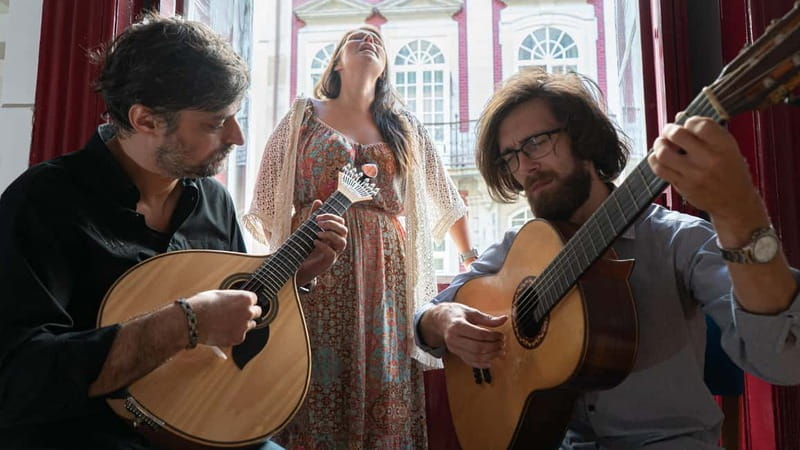
I’d book it if you want an efficient, emotionally effective Porto night. For first-timers, it’s one of the easiest ways to understand what Fado means to Portuguese people while still enjoying real performance quality. The Portuguese guitar, the quick video context in your language, and the Lisbon-to-Coimbra-to-Amália storyline add up to a lot for the time.
Skip it only if you’re chasing a long, unstructured concert where you don’t want any explanations. This show is built for understanding, and that’s its advantage.
If your Porto schedule includes time in Ribeira and you want a cultural activity that won’t swallow your whole evening, this is a strong choice.
FAQ
Where is the meeting point for Fado na Baixa?
You’ll meet in the heart of Ribeira do Porto at the Fado na Baixa auditorium, located at R. de São João 99, 4050-553 Porto.
How long is the Fado na Baixa concert?
The show lasts about 1 hour.
What’s included in the ticket price?
Your ticket includes the live performance with multimedia content, a glass of port, and an audio guide.
What languages are available for the audio guide?
The audio guide is available in English, French, Spanish, and Portuguese.
Is the venue wheelchair accessible?
Yes, the auditorium is wheelchair accessible.
Do I pay when I book?
There’s a reserve now & pay later option, so you can book your spot and pay nothing today.
Can I get a refund if I change my plans?
Free cancellation is available up to 24 hours in advance for a full refund.