REVIEW · SYDNEY
Sydney: The Drover’s Wife at the Sydney Opera House
Book on GetYourGuide →Operated by Opera Australia · Bookable on GetYourGuide
Opera inside the sails always hits. The Sydney Opera House turns The Drover’s Wife into a full-night, big-feeling performance, with Molly Johnson at the center of a hard frontier story. You get that classic Opera House glow before the first note even lands, and then the show takes over.
What I love most is the way the production feels built for film-level drama. The spectacular sets and costumes help you picture the Snowy Mountains world fast, and the music carries the emotional punches without needing any extra explanation. The other standout is the cast lead, Nina Korbe, whose performance anchors the whole piece.
One thing to consider: this production includes graphic violence (including violence against women), themes of racism, and gunshot effects with replica firearms. If that’s not your kind of night, it’s worth thinking hard before you book.
In This Review
- Key things to know before you go
- Why this opera feels like a Sydney moment, not just a show
- Getting there: the Joan Sutherland Theatre entrance plan that keeps your nerves calm
- Ticket value: what $98 gets you, and why it’s not just a seat
- The story of The Drover’s Wife: Molly Johnson’s survival, then the past returns
- Music and staging: where the Opera House does its best work
- Sensitive-content note: what you might see, and how to decide fast
- Before the curtain: rules that affect your comfort and photos
- Mobility and stairs: what to plan for inside the Opera House
- Who this opera is for (and who should skip it)
- Should you book The Drover’s Wife at the Sydney Opera House?
Key things to know before you go
- A brand-new Australian opera telling an old-style story with contemporary Aboriginal storytelling woven in
- Nina Korbe leads in the role of Molly Johnson, with a strong, symphonic-style score by George Palmer
- Spectacle meets emotion, with sets and costumes designed to look as dramatic under theatre lights as they do in your imagination
- You need your timing: ushers close doors at show time, and late entry may only happen during an appropriate pause
- Plan for the building’s stairs if you have mobility issues; there is an elevator option mentioned for people who struggle with steps
- Photography is off during the performance, but you can take pictures before and after, and at interval
Why this opera feels like a Sydney moment, not just a show

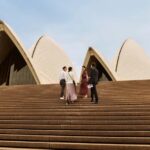
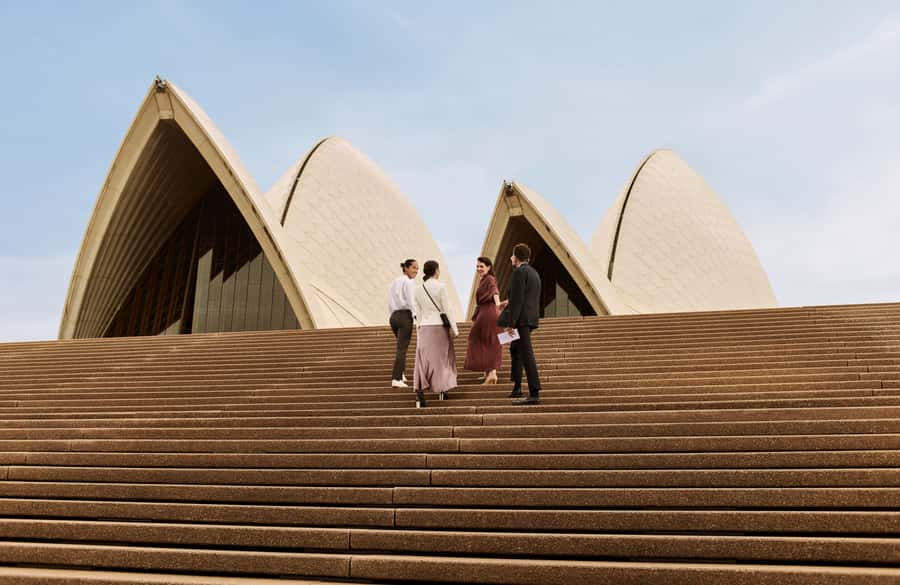
The Sydney Opera House already feels theatrical. Even before you sit down, the building does a lot of work: it frames the night, it loudens your sense of occasion, and it makes the whole evening feel like a cultural highlight.
That matters with The Drover’s Wife because the story is big in emotion and big in physical threat. Molly Johnson is heavily pregnant and left alone in a remote Snowy Mountains shanty while her husband is away droving sheep. On top of the normal fear that comes with survival, she faces snakes, bullocks, and hostile travellers. Then Yadaka, an Aboriginal man evading colonial authorities, disrupts her hard-won sanctuary. The conflict is not just external. It presses into history, memory, and choices.
This is why I think it lands so well in the Opera House. The space is famous for drama, and the opera is built for drama too. You feel the tension, then you feel the release when melodies lift and the orchestra pulls everything into focus.
You can also read our reviews of more tours and experiences in Sydney.

Getting there: the Joan Sutherland Theatre entrance plan that keeps your nerves calm
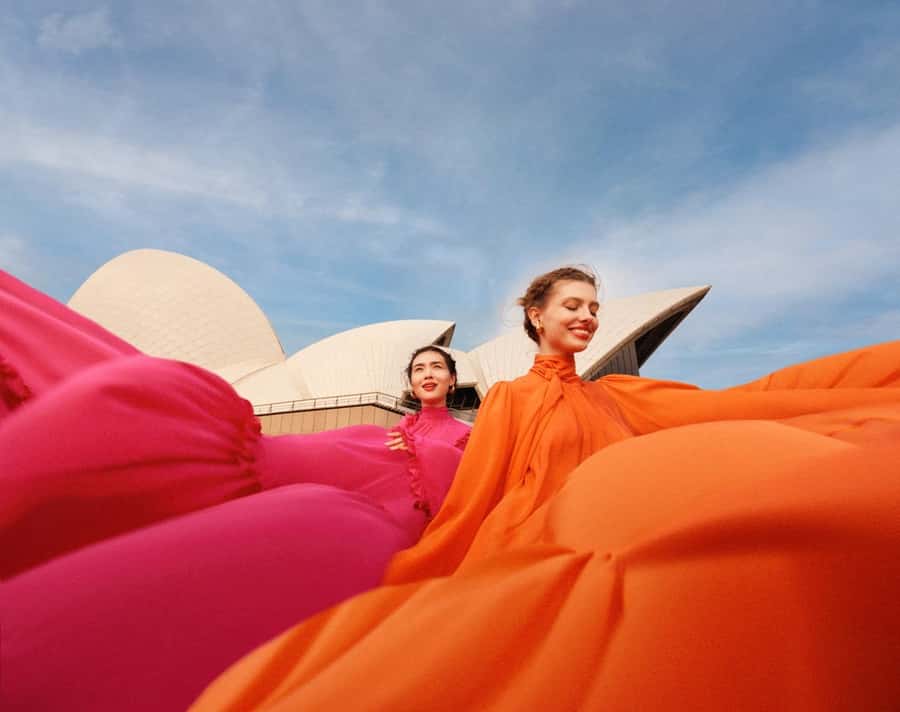
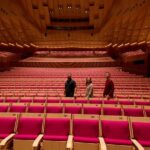
Your meeting point is the Joan Sutherland Theatre, Level 1 inside the Sydney Opera House. That sounds simple, but in practice it helps to arrive with a little buffer so you can find your entrance, get settled, and still enjoy the building.
Here’s what I’d do if I were going with a first-time Sydney plan:
- Head toward Circular Quay and treat the Opera House as a 10-minute walk away.
- If you’re using public transport, plan around the fact that many ferries and buses and trains stop at Circular Quay.
- If you’re in a taxi, you can be dropped off at the roundabout at the end of Macquarie Street, then you can also hail a taxi from the stand at the end of Macquarie Street after the performance.
Now for the one timing rule that can make or break your night: ushers close the doors at show time. Latecomers may not be allowed in until there is an appropriate pause. In other words, don’t build your evening around a slow wander. Build it around arriving early enough to breathe.
Ticket value: what $98 gets you, and why it’s not just a seat
At $98 per person for a 150-minute performance, the price is solid for a premium venue experience. You’re not only paying for a famous theatre address. You’re paying for:
- a major Australian production by Opera Australia
- a lead performance by Nina Korbe
- an expansive adaptation shaped from the play, novel, and film of Leah Purcell
- a score by George Palmer designed for a symphonic, emotionally heavy delivery
This is also one of those shows where the venue matters. Big sets and costumes won’t translate the same way in a smaller room. And the Opera House is one of the few places in Sydney where you can feel the art form at full scale without needing extra context.
So if your goal is a high-quality evening that still feels authentically Australian, this is a reasonable value play. You also get a performance length that’s long enough to feel like an entire night, not just a quick detour.
The story of The Drover’s Wife: Molly Johnson’s survival, then the past returns
The Drover’s Wife is centered on Molly Johnson, a survivor who has already learned how to live under pressure. She’s heavily pregnant, left alone to care for her children in a remote shanty in the Snowy Mountains. Her husband is away droving sheep, and Molly carries the day-to-day threats herself.
The threats aren’t abstract. You’re told to expect snakes and bullocks on her doorstep, plus hostile travellers. That’s important because it sets up a feeling of constant vigilance. Molly’s world is physically dangerous, and that constant danger shapes her decisions.
Then Yadaka enters. He’s an Aboriginal man evading colonial authorities. His arrival disrupts the sanctuary Molly has worked to build. And the opera keeps pushing the idea that survival does not erase history. Their shared story of brutal hardships becomes impossible to ignore. The show doesn’t just ask who is safe. It asks what safety costs, and who gets to decide what a safe place is.
If you like stories that don’t shy away from harsh realities, this one works. If you prefer light-hearted opera, it will feel heavy. This is survival drama with music that swells when you most need it.
Music and staging: where the Opera House does its best work
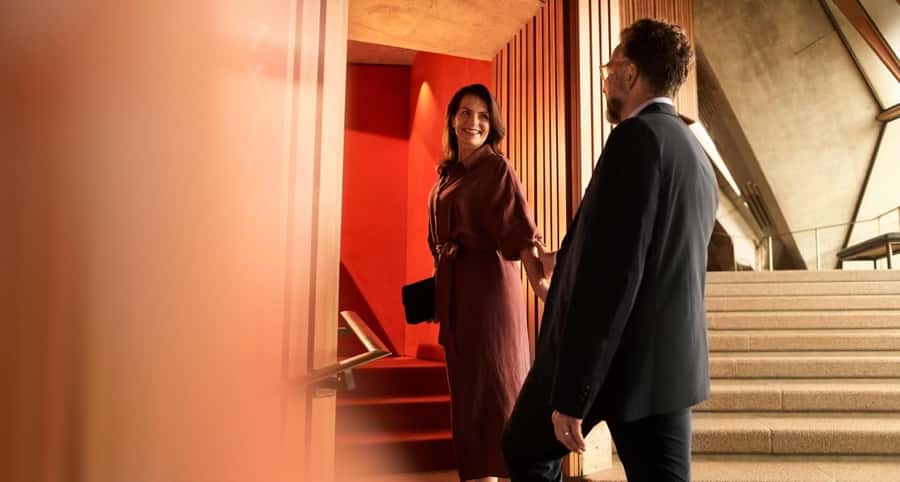
The highlight promise is real: the production looks like opera the way movies sell it. That comes from two sources.
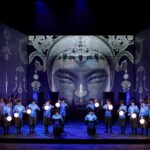
First, the production leans into spectacle. You’re going to see spectacular sets and costumes, and they’re used to make the Australian high country feel present, not generic. The staging helps you understand the environment quickly—open threat, harsh landscape, thin shelter, and the constant sense of exposure.
Second, the music is built for emotion and scale. The score by George Palmer is described as having the symphonic soul of Purcell’s modern classic. Translation: you get melodies that soar with raw feeling, plus lush orchestration that doesn’t just decorate the story. It tells you what matters.
And then there’s the storytelling blend. Grand opera traditions meet contemporary Aboriginal storytelling. That combination is not a gimmick. It shapes how you feel time passing, how conflict evolves, and how the ending lands.
One more detail that matters for your expectations: the show is built as a monumental new opera. It’s based on the play, novel, and film work by Leah Purcell, so you’re likely to sense that this isn’t a small adaptation. It aims for breadth.


Sensitive-content note: what you might see, and how to decide fast
This production includes graphic depictions of violence, including violence against women. It also includes themes of racism. You should also expect replica firearms and gunshot effects.
None of that changes the quality of the show. But it changes who should book. If you know you’re sensitive to scenes involving violence or racist themes, this is where you decide whether your night is better spent elsewhere.
If you do book and you want to handle it smoothly, go in knowing it’s part of the package. Also plan comfort. An extra layer of clothing is recommended for comfort, and there is no mandatory dress code—so you can keep it practical.
Before the curtain: rules that affect your comfort and photos

Photography rules are strict during the performance. You can’t film or record sound during the show, and photography is not permitted while the opera is running. The good news: you’re welcome to take photos before and after, and you can take photos at interval.
Also keep your bag situation simple. All items larger than an A4 sheet (21 cm x 30 cm) must be cloaked. The cloakroom is free. That’s one of those theatre rules that can save you stress if you follow it calmly rather than trying to manage oversized items after you’ve already sat down.
Doors closing at show time is the other major factor. Build your arrival around that. Don’t assume you can stroll in late and still settle quickly. Ushers close the doors, and late entry may only happen during a suitable pause.
Mobility and stairs: what to plan for inside the Opera House
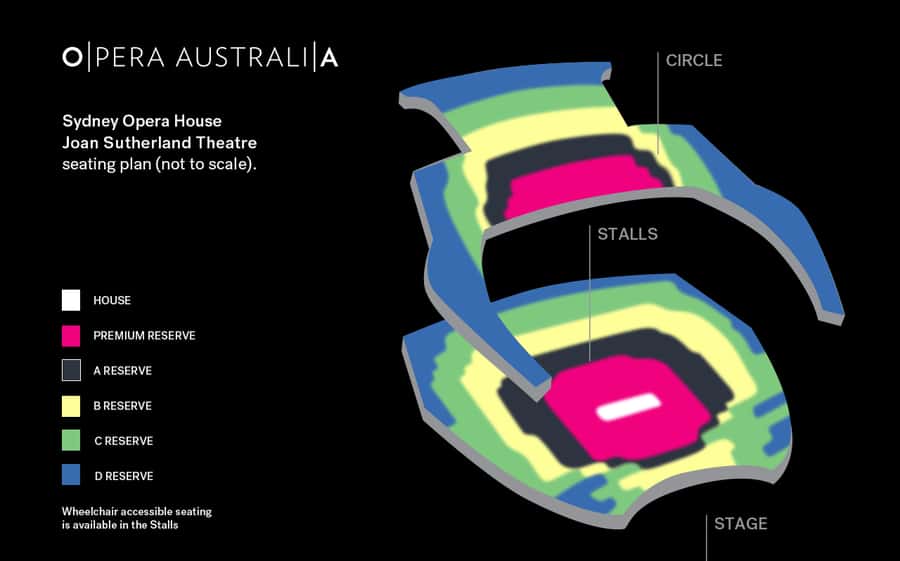
The Sydney Opera House is a famous building, and famous buildings often come with stairs. One piece of practical advice from people who have booked: there can be many trappetrappetrinn, meaning lots of steps. The helpful part is that there is an elevator option for people who are injured or have difficulty walking, and it’s also helpful for adults who simply don’t want to fight stairs.
Your booking also states wheelchair accessibility, so you’re not going in blind. Still, I’d recommend you plan your route early and be ready to use an elevator if needed. Arriving early makes it easier to ask staff for the right path without feeling rushed.
Who this opera is for (and who should skip it)
You’ll likely love The Drover’s Wife if you want:
- a top-tier opera night in one of the world’s most recognizable venues
- a story centered on survival, power, and history, not just romance
- music-forward drama, where the orchestra carries emotion and the melodies feel huge
- a strong lead performance, with Nina Korbe as Molly Johnson
You should think twice if:
- you’d rather avoid graphic violence, racism themes, or gunshot effects
- you don’t handle theatre stairways well and you’d rather not rely on finding an elevator on the spot
If you’re in Sydney for just a couple of days, this is also a great “one night, one big thing” pick. It gives you an Opera House evening and a deep performance all in one.
Should you book The Drover’s Wife at the Sydney Opera House?
Yes, if you want a high-impact opera experience that feels truly Sydney and truly Australian. The combination of a major Opera Australia production, a leading star in Nina Korbe, and a score by George Palmer gives you more than a generic performance night. It’s a story built for music, and it fits the Opera House atmosphere perfectly.
Book if you’re ready for intensity. This show isn’t gentle. But if you can handle that, it’s the kind of evening that sticks with you because it’s dramatic in sound, dramatic in visuals, and dramatic in theme.
Skip it only if the graphic violence, racism themes, or gunshot effects are likely to be a problem for you personally. If not, make it a priority on your Sydney calendar.