REVIEW · SYDNEY
Sydney: Rigoletto at the Sydney Opera House
Book on GetYourGuide →Operated by Opera Australia · Bookable on GetYourGuide
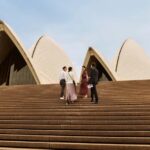
Sydney Opera House nights hit different.
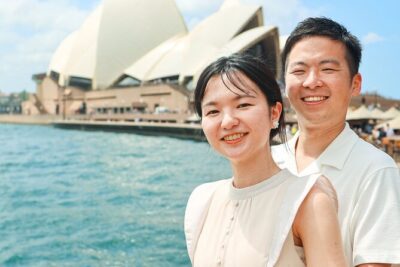
Seeing Rigoletto here is a fast trip to the big-league side of opera: you get the drama of Verdi, staged in one of the world’s most famous venues. I love the sheer sense of occasion the Sydney Opera House creates, and I also love how hummable Verdi’s melodies are, even when the story gets dark. One heads-up: this production includes sexual violence, violence against women, and strobe lighting effects—so it’s not the right fit if that content would be hard for you.
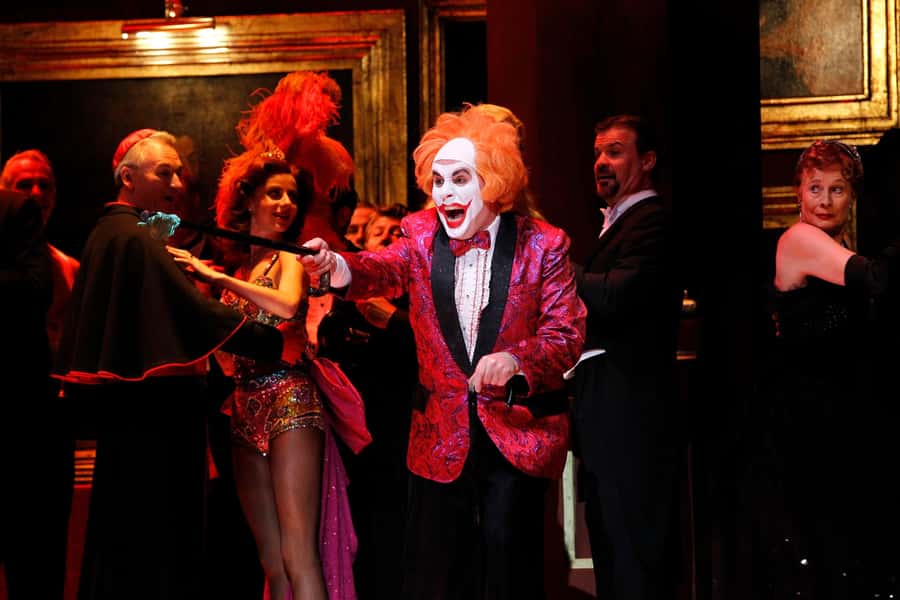
What really makes this performance worth your evening is the way it’s designed for your eyes as much as your ears. Elijah Moshinsky’s much-loved production returns with glamorous, La Dolce Vita–inspired sets and costumes (with a scene-stealing Fiat 500), plus a revolving, dolls-house style stage that keeps the action feeling cinematic. If you hate surprises, though, plan to arrive early, because ushers close doors at show time and latecomers may have to wait until there’s a suitable pause.
Key highlights worth your attention
- The Sydney Opera House setting: you’re watching opera inside an icon, not a generic hall
- La Dolce Vita-inspired production design: glamorous visuals, including a Fiat 500 and a revolving set
- Verdi’s famous melodies: tunes you’ll recognize fast, even if you’re new to opera
- Cast built for dramatic storytelling: Dalibor Jenis, Kang Wang, Gemma Nha, plus conductor Sesto Quatrini
- One interval, about 2 hours and 45 minutes: built-in break without killing the momentum
In This Review
- Why Rigoletto Works So Well at the Opera House
- Getting to Joan Sutherland Theatre Without Stress
- Before You Sit: Cloakroom Rules, Dress, and Late Entry Reality
- The Stage Picture: La Dolce Vita Glam Meets a Revolving Dolls-House Set
- What the Music Feels Like: From Court Intrigue to Hummed-At-You Tunes
- The Story’s Dark Edges (And the Content Notes You Should Actually Read)
- The People Behind the Voices: Quatrini, Jenis, Wang, and Nha
- Timing: How the 165 Minutes + Interval Plays Out
- Price and Value: Is $98 Worth It?
- Who Should Book This Performance (And Who Should Skip It)
- Should You Book Rigoletto at the Sydney Opera House?
- FAQ
- How long is Rigoletto at the Sydney Opera House?
- Is there a dress code for the performance?
- What should I do with bags larger than A4?
- Can I take photos or record during the show?
- Where do I enter for the performance?
- Is late entry allowed if I arrive after the doors close?
Why Rigoletto Works So Well at the Opera House
Rigoletto is one of those operas that gives you romance and trash talk, court politics and street-level cruelty, all in the same breath. The premise is classic and brutal: a father’s curse, a daughter’s fate. As innocence is shattered, revenge becomes the only prayer. The story can feel like a tragedy that’s been waiting centuries for your attention.
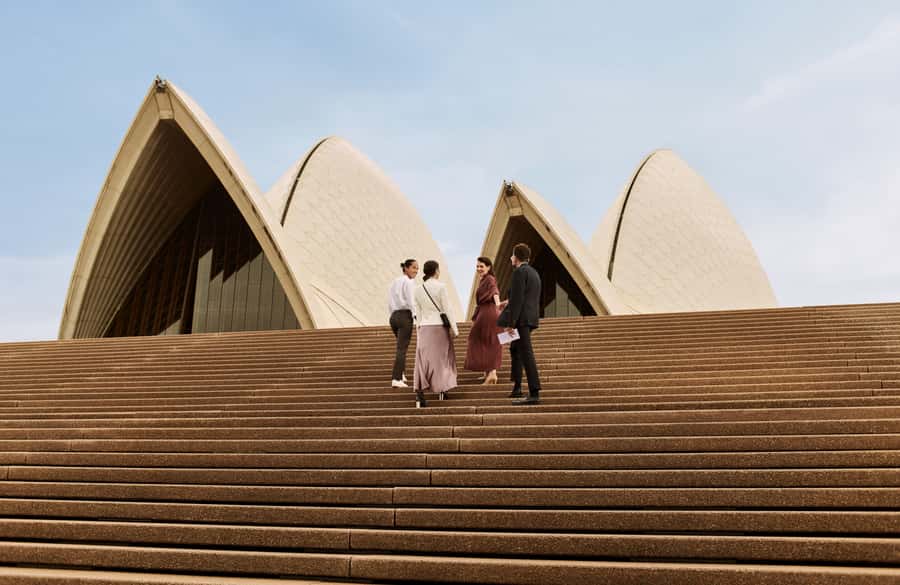
The Opera House adds another layer. The moment you settle in, the venue pushes you out of everyday travel mode and into performance mode. You’ll feel it in the acoustics and sightlines—this is the kind of place where sound carries and stage action looks intentional, not accidental. And because this production uses a revolving dolls-house style set, your eyes don’t get bored during transitions. Scenes don’t just change; they turn.
Still, if you’re sensitive to the production’s content notes, take them seriously. This isn’t a light-hearted night out.
Getting to Joan Sutherland Theatre Without Stress
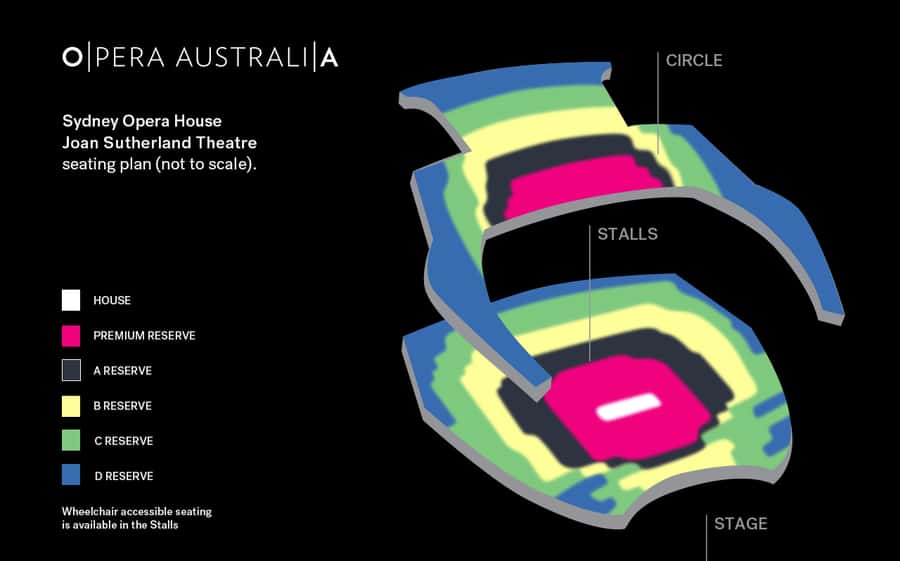
Your meeting point is the Joan Sutherland Theatre, Level 1 inside the Sydney Opera House complex. The easiest arrival strategy is to build your timing around Circular Quay: the venue is about a 10-minute walk from there, and ferries plus lots of buses and trains stop at Circular Quay.
A practical approach:
- Arrive from Circular Quay on foot, then slowly find the theatre level rather than rushing the last block.
- If you’re picking up tickets on the day, leave extra buffer. One recent guest flagged an obligation to come about an hour early to collect tickets, so give yourself room for any pickup process.
- Keep an eye on showtime. Ushers close doors at show time, and late entry may not be allowed until an appropriate pause.
After the performance, taxis can drop you off at the roundabout at the end of Macquarie Street, and you can also hail taxis from the taxi stand at the end of Macquarie Street after shows. That matters if you don’t want to wrestle your way out with the biggest crowd.
You can also read our reviews of more tours and experiences in Sydney.


Before You Sit: Cloakroom Rules, Dress, and Late Entry Reality
There’s no mandatory dress code. You can dress for the weather and comfort—Sydney evenings can cool off, so bring an extra layer if you run cold.
The one rule that can surprise people is the bag policy. All items larger than an A4 sheet (21cm x 30cm) must be cloaked. The cloakroom is free. Plan for that before you get to the theatre doors so you’re not scrambling mid-line.
Then there’s the latecomer situation. Ushers close doors at show time, and they may not allow latecomers in until an appropriate pause. Translation: don’t treat this like a movie screening. Get in on time, get settled, and let the music start cleanly.
Also note the seat-comfort factor. One guest said there wasn’t much width in their seats. That’s not something you can usually predict, but it’s a good reason to think about personal comfort when choosing seats.
The Stage Picture: La Dolce Vita Glam Meets a Revolving Dolls-House Set
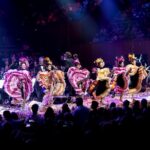
This isn’t minimalist opera staging. It leans into style—glamorous, La Dolce Vita–inspired sets and costumes that give the court scenes and nightlife energy a sharp, fashionable edge.
Two production design choices stand out:
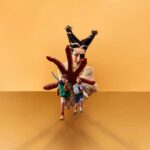
- A revolving dolls-house style set that gives cinematic detail to each scene. Instead of waiting for big scenic changes, you see the world shift around you. That makes the pacing feel modern.
- Fiat 500 on stage, which sounds like a fun detail—and it is—but it also acts like a visual anchor. You feel like you’re inside a stylized street-culture version of the story’s world.
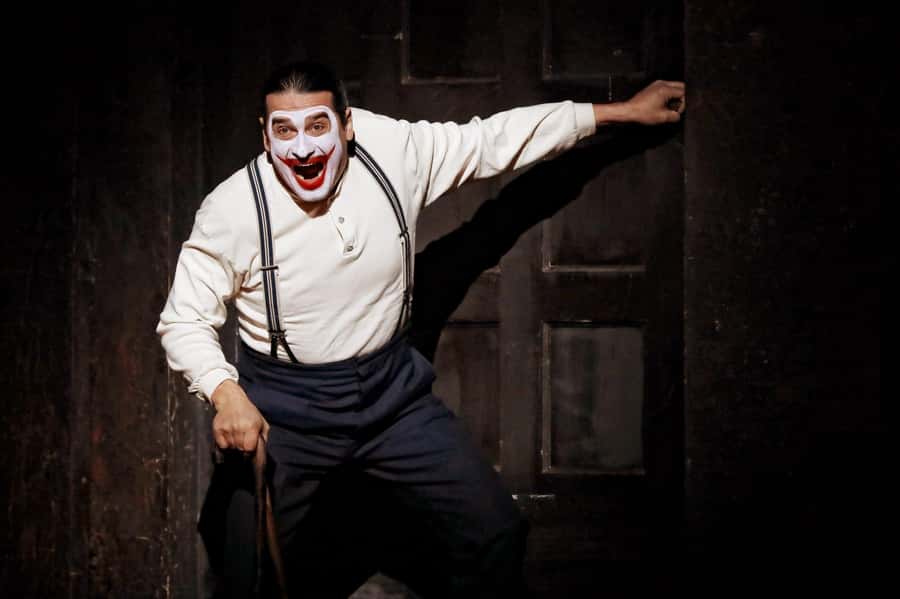
Elijah Moshinsky’s production is described as much-loved, and it shows in how the staging supports the drama. The jester’s pain isn’t just told through performance; it’s framed visually. Likewise, when the Duke’s world spirals into cruelty and lust, the production keeps that contrast readable, even when the plot turns fast.
What the Music Feels Like: From Court Intrigue to Hummed-At-You Tunes
Rigoletto is famous for melodies you’ll catch even if you don’t know the plot. The standout example is La donna è mobile, which has a life beyond the opera. In fact, Verdi insisted on secrecy from the premiere cast so the tune wouldn’t spread before opening night—and once it did, it became a hit in the streets the very next morning.
Even if you’ve heard bits of the music before, I like the way it lands in this kind of setting. In a smaller hall, you can end up focusing on individual moments. Here, you get momentum: songs flow into conflict, and conflict flows into songs.
One practical tip: don’t try to track every detail of the plot line-by-line. Watch what’s changing emotionally. The characters’ shifts—devotion, loyalty, lust, revenge—are built into both the singing and the staging. When you let the emotion guide you, the experience stops feeling like homework.
The Story’s Dark Edges (And the Content Notes You Should Actually Read)
This production includes sexual violence and violence against women, plus strobe lighting effects. That’s not filler text. It means the performance includes intense moments and visual effects that can be jarring.
If you’re booking for someone else, or if you’re unsure about your own tolerance, check your comfort level before buying. Opera can be intense even at its best, and Rigoletto leans into that darkness.
Also, strobe lighting isn’t just a minor technical detail. If you have any sensitivity to flashing lights, it’s worth taking seriously.


The People Behind the Voices: Quatrini, Jenis, Wang, and Nha
Opera is a team sport, and this cast lineup is built around dramatic impact.
- Sesto Quatrini conducts, and this is noted as his Opera Australia debut. A conductor’s style can shape everything—how tightly the ensemble moves, how the drama swells and releases.
- Dalibor Jenis reprises his acclaimed performance as the tortured jester. This role needs more than strong singing; it needs control, vulnerability, and the ability to make you feel the character’s bruises.
- Kang Wang sings the Duke, a role that demands charisma and menace at the same time. You should feel the Duke’s power, even when his actions are ugly.
- Gemma Nha plays the jester’s daughter, a part that carries the cost of the father’s curse and the tragedy of what happens next.
When these roles are done well, you don’t just follow plot points—you feel inevitability. That’s the real magic of Rigoletto: you sense how quickly a life can be destroyed once a secret and a curse take over.
Timing: How the 165 Minutes + Interval Plays Out
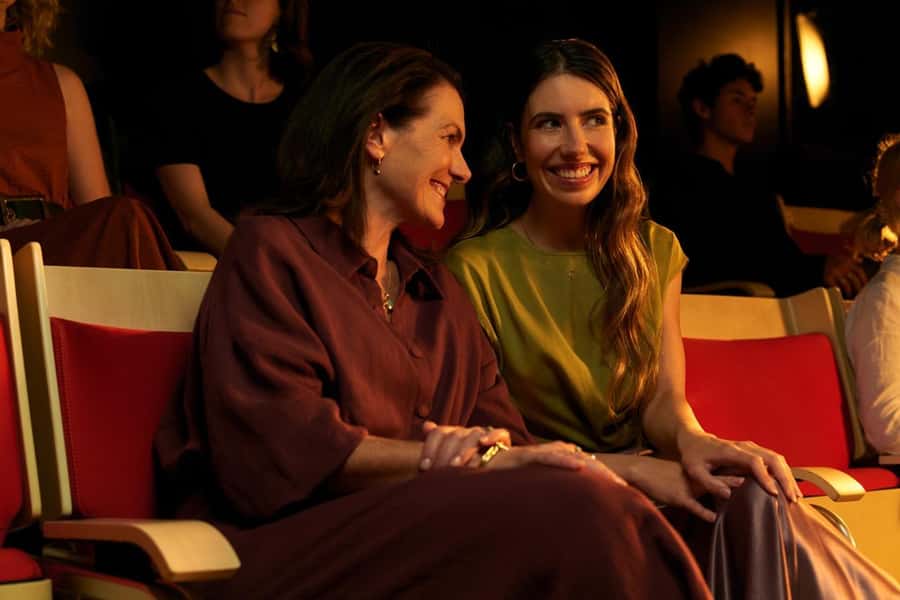
The performance runs about 165 minutes, including one interval (roughly 2 hours and 45 minutes total). That one interval is your chance to stretch, use the facilities, and reset before the ending.
Plan your timing so the interval doesn’t become a stress test:
- Get what you need during the break, because you’ll want to stay seated and focused after.
- If you’re grabbing something to drink or snack, note that food and drinks aren’t included with the ticket. So factor that into your pre-show plan.
Price and Value: Is $98 Worth It?
At $98 per person, this is not a cheap night out—but it also isn’t overpriced for what you’re getting.
Here’s why it can feel like good value:
- You’re paying for a major opera production inside a world-class landmark.
- You get a full-length Verdi experience—about 2 hours and 45 minutes with one interval.
- You’re getting a specific production style: La Dolce Vita–inspired staging, a rotating set design, and recognizable visual moments like the Fiat 500.
- The cast and conductor matter: Quatrini (Opera Australia debut), Jenis in a signature role, and strong casting that’s meant to carry the emotional weight of the plot.
Your main “cost,” besides the ticket, is timing and planning. If you’re the type who hates arriving early, dealing with cloakroom rules, and sitting through intense content, then the price won’t feel as worth it. But if you want a classic opera night with real production design and a famous venue, $98 can be a fair exchange.
Also remember: this activity is non-refundable, so only book when you’re sure your date works.
Who Should Book This Performance (And Who Should Skip It)
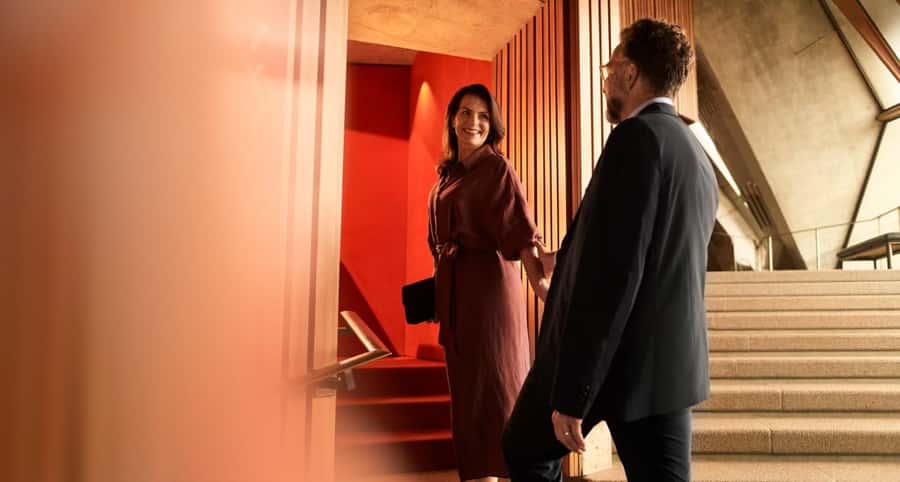
I’d steer you toward this if:
- You want an iconic Sydney Opera House evening and you don’t mind classic opera intensity.
- You’re curious about Verdi but also want production value—sets, costumes, and staging that keep your eyes busy.
- You like big dramatic roles and strong musical storytelling.
I’d skip or think twice if:
- The content notes (sexual violence, violence against women, strobe lighting) would make the night uncomfortable.
- Flashing-light effects could be a problem for you.
- You need a lighter, family-friendly entertainment evening.
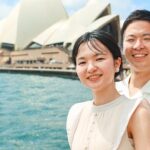
It’s also a good fit for couples and date nights who want culture with atmosphere. It’s less of a quick grab-and-go experience, more of a “settle in and let it happen” kind of evening.
Should You Book Rigoletto at the Sydney Opera House?
If you want one Sydney “wow” evening that feels genuinely special, I think this is a solid booking. The venue alone is worth it, but the production details make it better than just a tourist checklist: La Dolce Vita glam, the rotating dolls-house style set, and a cast set up for heavy emotions.
Just don’t treat it casually. Read the content notes, plan to arrive on time (latecomers can be blocked until a pause), and use the cloakroom if you have an oversized bag. If you do those things, you’ll spend the night watching a classic Verdi tragedy become a full-scale stage experience in one of the city’s most memorable rooms.
FAQ
How long is Rigoletto at the Sydney Opera House?
It runs about 165 minutes, including one interval.
Is there a dress code for the performance?
No. There is no mandatory dress code, though an extra layer of clothing is recommended for comfort.
What should I do with bags larger than A4?
Items larger than an A4 sheet (21cm x 30cm) must be cloaked. The cloakroom is free.
Can I take photos or record during the show?
No. Photography, sound recording, or filming isn’t permitted during the performance. You can take photos before and after the show and at the interval.
Where do I enter for the performance?
Meet at Joan Sutherland Theatre, Level 1, at the Sydney Opera House.
Is late entry allowed if I arrive after the doors close?
Ushers close the doors at show time, and latecomers may not be allowed in until there is an appropriate pause.