REVIEW · PARIS
Area ,Opera, Jewellery,Fashion,Palais Royal walking tour
Book on Viator →Operated by Ned · Bookable on Viator
Luxury streets, opera glamour, and perfume in one loop. This Opéra area walk takes you from Palais Royal gardens to Palais Garnier, with a guide who connects fashion, power, and theatre as you stroll.
I love the small-group setup (max 5), because you get real chances to ask questions instead of racing through facts. I also like that most stops are free, so your budget stays predictable aside from the optional Opera interior ticket.
One watch-out: this tour is built around fashion and jewellery along Rue Saint-Honoré and Place Vendôme, not a museum marathon. If you stand too far from the guide, you may miss some of the stories during busier sections.
In This Review
- Key things to know before you go
- A 2-hour 10-minute loop through Paris style, power, and theatre
- Meeting at Galerie de Nemours and ending at Palais Garnier
- Jardin du Palais Royal: where politics and culture sit in the same frame
- Comédie-Française: Molière and the oldest active theatre company
- Rue Saint-Honoré: the 1,840-meter runway of chic
- Eglise Saint-Roch: a big church with mixed styles
- Place Vendôme: from Louis XIV glory to Napoleon’s victory—and jewellery today
- Palais Garnier: the Opera house’s glamour and an optional interior ticket
- Musée du Parfum (Fragonard): turning luxury into something you can smell
- Value for $74.49: what you really get and what costs extra
- Who this tour is best for
- A small-group experience with one real drawback to watch for
- Should you book this Opéra area walk with Neda?
- FAQ
- How long is the Palais Royal walking tour?
- What’s the price per person?
- Is the tour in English?
- How big is the group?
- Do I need tickets for the stops?
- Where does the tour start and end?
- Is there flexibility if I need to change my plans?
Key things to know before you go
- Max 5 people means more back-and-forth with guide Neda
- English-language tour with a mobile ticket
- Mostly free-entry stops, with Palais Garnier interior costing €14 if you want it
- Fashion and jewellery focus concentrated around Rue Saint-Honoré and Place Vendôme
- Perfume at Musée du Parfum (Fragonard) adds a sensory twist to luxury culture
- From Palais Royal to Palais Garnier in about 2 hours 10 minutes, so you cover a lot fast
A 2-hour 10-minute loop through Paris style, power, and theatre
This tour is basically a smart shortcut for seeing a big chunk of central Paris without feeling rushed. You’re walking through government-and-culture territory at Palais Royal, then shifting into the luxury lane near the Opéra—where jewellery and fashion are part of the scenery.
The best part is how the route links ideas that usually stay separated in your head. You’ll go from the political clout of Cardinal de Richelieu’s era to the theatre legacy of Molière, and then into the commercial confidence of luxury boutiques.
If you like Paris when it’s equal parts grand and street-level—architecture on one side, shopping energy on the other—this format fits.
You can also read our reviews of more tours and experiences in Paris.


Meeting at Galerie de Nemours and ending at Palais Garnier
You’ll meet at Le Nemours 2 à 7 in the Galerie de Nemours (2 Place Colette), then finish at Palais Garnier near Place de l’Opéra (75009). The start time is 10:00 am, so it’s a great move for a first-or-second day itinerary, when you still want orientation.
Because it’s a walking tour, your timing matters more than you’d think. Wear comfortable shoes and keep your phone charged, since you’ll use a mobile ticket to check in.
Also note the practical upside: the tour is near public transportation, which helps if you’re juggling a museum earlier or trying to connect to another plan after.
Jardin du Palais Royal: where politics and culture sit in the same frame
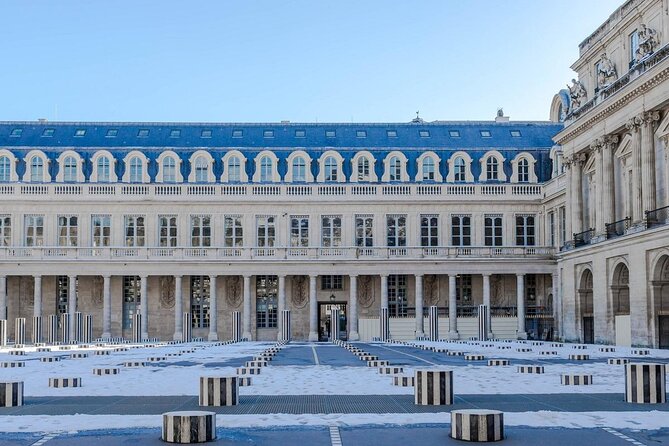
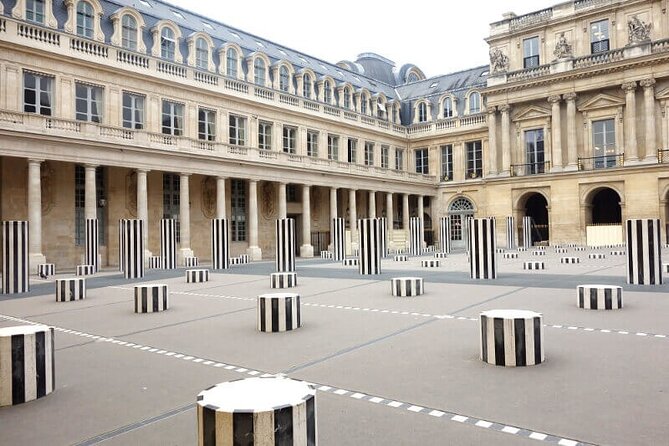
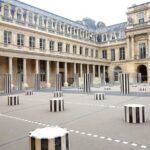
The tour begins at the Jardin du Palais Royal, at the heart of Paris just a few steps from the Louvre area. This space was created after Cardinal de Richelieu ordered the palace in 1633, so you’re standing in the shadow of old political influence.
What makes this stop feel worth it (even if you’ve never heard of Richelieu) is the setting. The garden sits inside a knot of major institutions—Constitutional Council, Ministry of Culture and Communication, and Comédie-Française—so it’s easy to understand how power and culture mix here.
The Jardin is also a quick reset after travel days. You get a calm, shaded moment before the walk swings toward fashionable streets and iconic landmarks.
Practical tip: take a minute at this first stop to look back the way you came. It helps you place the rest of the route later, especially when the streets start to blur into a shopping-and-monument mashup.
Comédie-Française: Molière and the oldest active theatre company
From the palace garden, you head to La Comédie-Française. Here, the story centers on Molière, whose plays have been translated widely and performed frequently by the company.
What I like about this stop is the clarity of purpose. Instead of a vague theatre description, you get the big idea: the Comédie-Française is the oldest active theatre company in the world, and it treats classics like living work.
Even if you’re not a theatre buff, it helps to know that the Opéra area isn’t just about opera houses. It’s part of a deeper stage tradition in Paris, with the same city-famous level of seriousness.
Drawback to consider: this is a short stop, so if you’re hoping for long theatre history, you’ll mostly be learning the key lines—not every chapter.
Rue Saint-Honoré: the 1,840-meter runway of chic
Next comes Rue Saint-Honoré, a long street—1,840 meters—that links the center of Paris to the prestigious 8th arrondissement. It’s known for trendy energy, but you’re not just walking for scenery. You’re learning how the city turns architecture into branding.
You’ll pass Haussmann-style façades that create a consistent visual rhythm, while the storefronts shift the mood toward luxury. It’s the kind of street where evening feels different, because the boutiques make the whole area look composed.
If you care about fashion and jewellery, this is one of the stops you’ll actually remember later. It’s where the tour’s theme becomes obvious: this isn’t random sightseeing, it’s a guided look at where Paris puts its style power.
Practical tip: if you’re the type who likes to browse, this is where you’ll want to slow down—without falling behind the group. Keep an eye on your guide’s timing so you still catch every landmark.


Eglise Saint-Roch: a big church with mixed styles

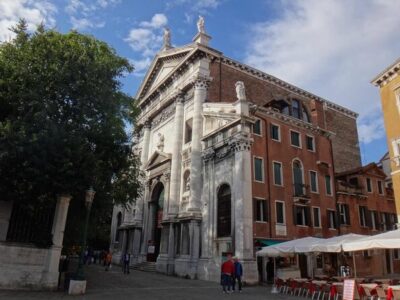
Then it’s Eglise Saint-Roch, one of the largest churches in Paris. It’s 126 meters long and has a plan inspired by Notre-Dame-de-Paris, but it didn’t get built overnight—so you see a mix of classical and baroque influences.
That mix matters. When a church takes decades, it becomes a time capsule of changing tastes, not a single-style performance. You get a more honest look at how Paris grew its identity piece by piece.
This stop works well in the walking tour flow because it breaks up the fashion intensity with something grand but still very human-scale in the streetscape. You’ll feel the shift from shopping-front glamour to solemn stone presence.
Place Vendôme: from Louis XIV glory to Napoleon’s victory—and jewellery today
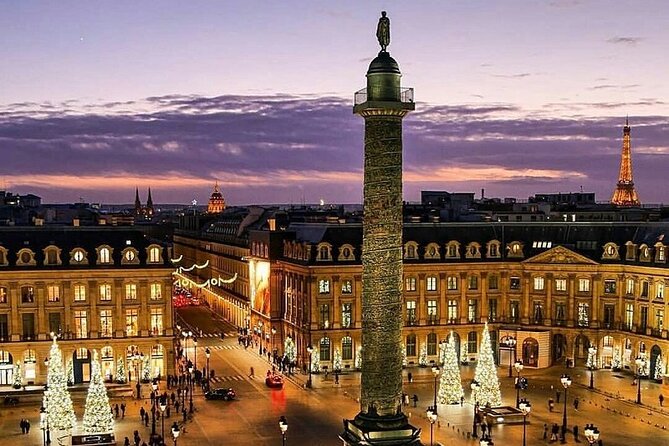
Place Vendôme is where the tour’s luxury focus lands with full force. The square was laid out in 1702 as a monument to the glory of Louis XIV’s armies, and later the Vendôme Column took the place of the original monument.
That column is modeled after Trajan’s Column in Rome, and it celebrates Napoleon Bonaparte’s victory at Austerlitz in 1805. The result is a place packed with political symbolism, now known for luxury boutiques—especially jewellery.
This is a great example of why the tour is more than a route checklist. You’re standing in a historical framework that explains why luxury culture feels so at home here. It’s not random; it’s layered.
Practical tip: if you have even a passing interest in jewellery as a cultural product, slow down around the storefronts. You’ll get more out of this section when you connect the present-day luxury to the square’s historical meaning.
Palais Garnier: the Opera house’s glamour and an optional interior ticket
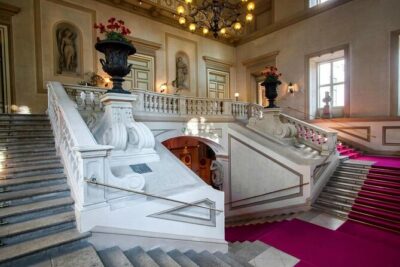
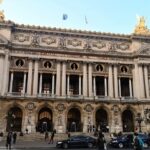
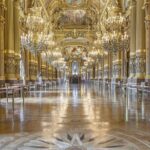
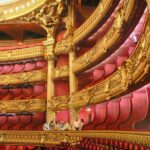
After Place Vendôme, you reach Palais Garnier, also known as the Paris Opera House. It was commissioned by Emperor Napoleon III as part of rebuilding Paris, with a design competition held in 1860.
Palais Garnier long ago became a center for cultural excellence, hosting major operas and ballet. So even from the outside, the building communicates a certain Paris confidence—the kind that says this city takes performance seriously.
A key detail for your planning: visiting inside the Opera house isn’t included. You’ll need a separate ticket for the interior, listed at €14.
Should you pay for the interior? If you love architecture or want to connect what you’ve just seen on the street to how the space functions for opera and ballet, it’s worth considering. If you’re mostly after the fashion-jewellery storyline, you can often be satisfied with the exterior-focused walk and move on.
Musée du Parfum (Fragonard): turning luxury into something you can smell
Near the Opera Garnier area, you’ll stop at the Musée du Parfum – Fragonard. This museum focuses on perfume as a luxury object that’s part of everyday life now.
You’ll see an assortment of ancient bottles and learn how perfume history runs from Ancient Egypt to the 20th century. The museum includes items like kohl pots, pomanders, vinaigrettes, perfume burners, pots-pourris, smelling salt bottles, and precious flasks, plus travel sets.
What I like about this stop is the way it refreshes the tour theme. You move from visible luxury (jewellery storefronts, fashion street energy) to sensory luxury you can actually imagine using. Perfume history also fits Paris because it’s a city where craft and branding have always played together.
Practical note: this museum stop is short, so treat it as a highlight scan, not a deep study. If perfume museums are your thing, you can always follow up later on your own schedule.
Value for $74.49: what you really get and what costs extra
At $74.49 per person for about 2 hours 10 minutes, this tour sits in the category of small-but-structured experiences. You’re paying for a guided route through big-name landmarks with a theme that stays consistent: Opéra-area fashion, jewellery, and culture.
The value math is strong because many stops are free-entry. Jardin du Palais Royal, Comédie-Française, Rue Saint-Honoré sightseeing, Saint-Roch Church, Place Vendôme, and the Musée du Parfum stop are all listed as free in the itinerary.
Your main extra cost is the Palais Garnier interior ticket at €14, if you want to go in. That’s a clean choice, not a forced upgrade.
One more value angle: with a group size capped at 5, the time feels less like a lecture and more like a guided walk. That matters on this kind of route, where questions about fashion, luxury history, theatre traditions, and architecture can actually change what you notice.
Who this tour is best for
This is a great match if you like Paris with a plan—especially if you care about fashion, jewellery, and the Opéra-side of town. It also suits you if you want a guided way to understand how places link together, from Palais Royal’s institutions to theatre tradition and today’s luxury shopping streets.
It’s also a good choice if you enjoy practical cultural context. A lot of Paris sightseeing tells you facts. This tour aims to connect facts to why the city looks and feels the way it does.
If, on the other hand, you’re hoping for lots of time inside museums or a long sit-down discussion at each stop, this isn’t built that way. It’s designed for movement, with quick, well-framed moments at each address.
A small-group experience with one real drawback to watch for
The tour’s format is the big selling point—small group, guided narrative, and time for questions. That’s the best part when your guide’s voice is clear and the group stays close.
The only caution I’d give you is about group positioning. If the guide is speaking and your spot is off to the side, you may miss details during shorter stops. So stay near the center of the group when the story matters.
Also be sure you’re choosing the right type of tour for your interests. Since the focus is fashion and jewellery in the Opéra zone, you’ll feel the most satisfied if that theme is what you came for.
Should you book this Opéra area walk with Neda?
I’d book it if you want a short, high-impact Paris walk that connects Palais Royal, Comédie-Française, Rue Saint-Honoré, and Palais Garnier into one coherent theme. The free-entry lineup helps a lot, and the small-group size makes it feel more personal than big-bus-style sightseeing.
I wouldn’t make it your only plan if you need deep museum time or if your priority is purely interior Opera exploration. In that case, add your own Opera timing separately and treat this tour as the orientation and style education piece.
If you do book: arrive a few minutes early, keep your phone ready for the mobile ticket, and stand close enough to hear the guide. You’ll get more out of the stories that tie fashion, luxury, and theatre together in the same walk.
FAQ
How long is the Palais Royal walking tour?
It runs for about 2 hours 10 minutes.
What’s the price per person?
The price is $74.49 per person.
Is the tour in English?
Yes, it’s offered in English.
How big is the group?
The tour has a maximum of 5 travelers.
Do I need tickets for the stops?
Most stops are listed as free-entry. Visiting inside Palais Garnier isn’t included and costs €14.
Where does the tour start and end?
It starts at Le Nemours 2 à 7 Galerie de Nemours, 2 Place Colette, 75001 Paris, and ends at Palais Garnier, Pl. de l’Opéra, 75009 Paris.
Is there flexibility if I need to change my plans?
Yes. Free cancellation is available up to 24 hours before the experience start time for a full refund.