REVIEW · PARIS
Paris Walk: Opera to Montmartre with Pastry & Chocolate
Book on GetYourGuide →Operated by Ohlalatravel · Bookable on GetYourGuide
Paris clicks into focus on this walk. You start at Palais Garnier, then get unforgettable stops plus pastry and chocolate tasting that turns the route into something you can actually taste, not just see. The big downside: it’s a lot of walking and stair climbing, so it’s not a fit if you have mobility limits.
This is a smart way to experience Paris’s “two-speed” feel: grand, polished downtown shopping arcades first, then the cobbled, art-filled climb up Montmartre to the Sacré-Cœur. You’ll also get a quick metro segment with a ticket included, plus photo stops, local tips, and even a small surprise gift.
In This Review
- Key highlights I’d circle on your plan
- From Palais Garnier to Galeries Lafayette: a classy Paris warm-up
- Passage Jouffroy and Passage Verdeau: why these arcades feel different
- Notre-Dame de Lorette: the side church you’ll be glad you didn’t skip
- Moulin Rouge, Wall of Love, and local Montmartre energy
- Le Bateau-Lavoir and Moulin de la Galette: art, atmosphere, and the hill’s build-up
- Le Passe-Muraille and Maison Rose: small sights with big personality
- Place du Tertre and Sacré-Cœur: the views, the artists, and the final climb
- Vigne du Clos Montmartre: the surprise stop that adds meaning
- Practical value: is this 3-hour Paris route worth $117?
- Who this walk suits best (and who should skip it)
- What to bring so you enjoy every step
- Should you book the Opéra to Montmartre walk with pastry and chocolate?
- FAQ
- Where does the tour start?
- Where does the tour end?
- How long is the tour?
- What’s the price per person?
- Is there a metro ticket included?
- Does the tour include food?
- What sights and stops will I see?
- Is the rooftop terrace stop guaranteed?
- What language are the tours in?
- What should I bring and wear?
- Is the tour suitable for people with mobility impairments?
Key highlights I’d circle on your plan
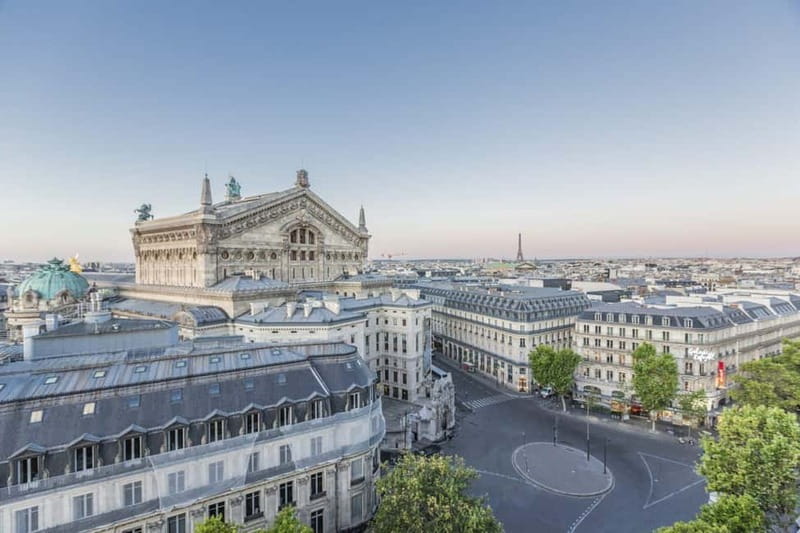
- Palais Garnier grandeur without rushing, so you can actually take it in
- 19th-century covered passages at Passage Jouffroy and Passage Verdeau for a quieter side of central Paris
- Hidden architecture stop at Notre-Dame de Lorette, then a quick metro reset
- Classic Montmartre photo stops like Moulin Rouge and the Wall of Love
- Sacré-Cœur from the right angle, with Place du Tertre’s artists and a vineyard stop along the way
From Palais Garnier to Galeries Lafayette: a classy Paris warm-up
The tour starts right where Paris looks its most theatrical: the Opéra square area around Palais Garnier. The guide keeps the pace human. You’re not just ticking off a landmark; you’re learning what to notice as you stand there—how the building’s scale and details create that “showstopper” feeling even if you’re only viewing it from outside.
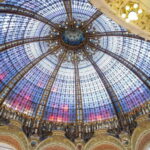
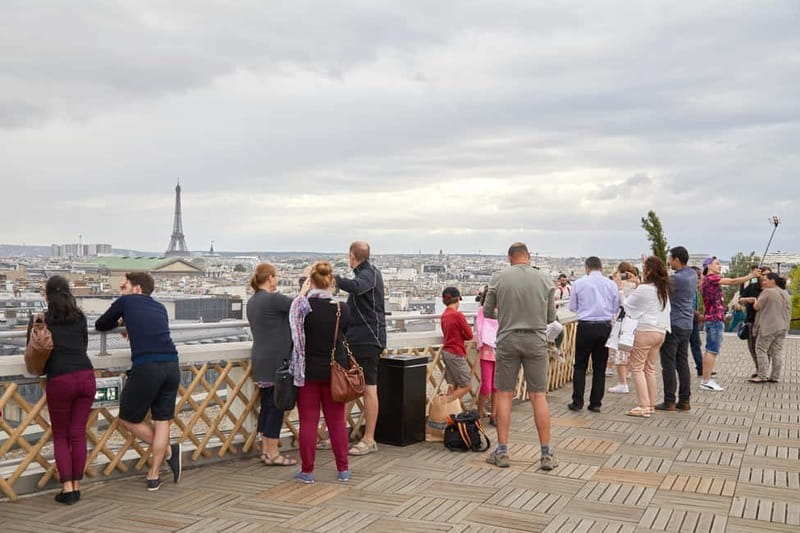
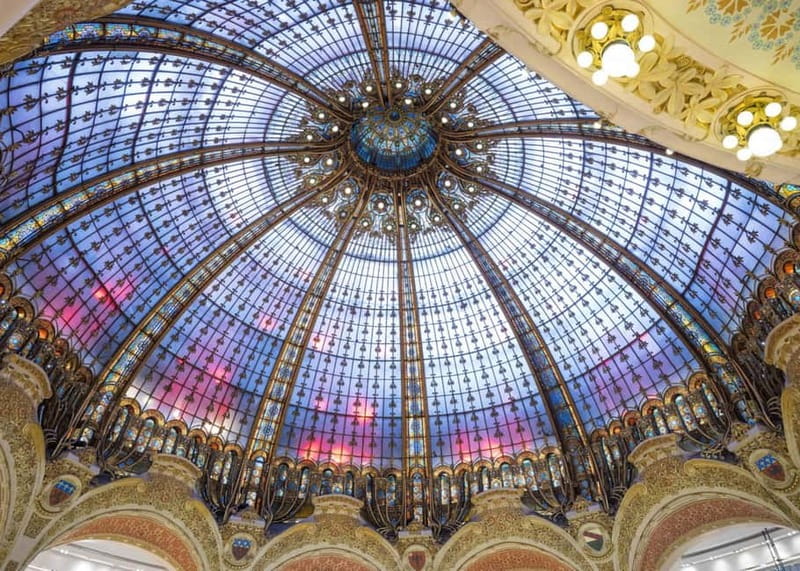
Next comes Galeries Lafayette and its big dome area. This is mostly a photo-and-views moment, not a long detour. If you’re the kind of traveler who likes to orient yourself visually, this stop helps you map what’s around you before you start winding toward Montmartre.
One practical thing I like here: the guide sets you up for later stairs. You’ll get a brief sense of the route rhythm early—where you’ll be climbing, where you’ll be ducking into covered spaces, and when the walk turns into the hill climb.
You can also read our reviews of more tours and experiences in Paris.


Passage Jouffroy and Passage Verdeau: why these arcades feel different
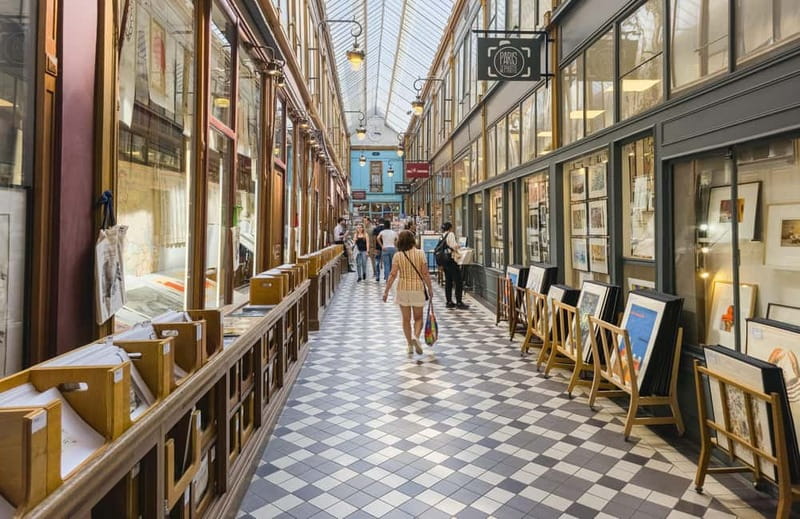
Now you’re in a calmer pocket of Paris: the covered arcades. Passage Jouffroy is the kind of place that makes you slow down without realizing it. You get this covered “corridor” feeling—light filtering in, shopfronts lining the sides, and a sense of older Paris commerce that’s different from the big department-store scale nearby.
Then you move to Passage Verdeau, another short arcade stop that’s worth it even if you’re not a shopping person. The value isn’t the stores. It’s the architecture and the mood. These passages are one of the best ways to understand how Paris historically funneled foot traffic through elegant, pedestrian-friendly spaces.
Photo-wise, the arcades are great because you can frame the ceiling and repeating lines. Timing-wise, they’re short stops that keep the tour moving but still give you that “wait, slow down” feeling in the best way.
Notre-Dame de Lorette: the side church you’ll be glad you didn’t skip

Midway through the walk, you get a stop that’s built for people who like their travel less obvious. Notre-Dame de Lorette is described as a hidden architectural gem, and that’s exactly the point. This isn’t the headline church. It’s the one that rewards attention.
The guide’s job here is to help you read what you’re seeing. You get context that makes the building feel more meaningful than a quick glance. If you’ve ever felt museum-guide history becomes a list of dates, you’ll probably enjoy the way the guide frames the story here so it lands like real place-and-time.
After that, there’s a short subway/metro segment. It matters because it keeps you from burning your legs too early. You get movement across the city, but you still keep the “walkable neighborhoods” vibe.
Moulin Rouge, Wall of Love, and local Montmartre energy
When Moulin Rouge appears, it’s the kind of stop that divides people: some find it cheesy, others find it fun. On this tour it works because it’s not just a photo backdrop. The guide puts it into context and keeps it from feeling like a billboard stop.
Then you move to the Wall of Love—a memorable shift from stage-like spectacle to something more sincere and human. The guide helps you see what you’re looking at so it feels like a meaningful stop, not just a quirky landmark.
This is also where Montmartre starts to feel like a living art district. The walking pace stays steady, and the photo moments are timed so you’re not constantly stopping and starting. That’s important on a 3-hour plan, because Montmartre climbing can drain you fast.
Le Bateau-Lavoir and Moulin de la Galette: art, atmosphere, and the hill’s build-up
You’ll then hit Le Bateau-Lavoir, another classic Montmartre stop tied to creativity and the artist scene. Even if you don’t know the names beforehand, you’ll get enough background to make the place stick in your mind.
Next is Moulin de la Galette. This is where the hill starts to feel like it’s shaping the day. You’re walking through streets and angles that naturally slow you down, and the guide uses that to your advantage—so you’re not just moving from stop to stop, you’re building a picture of what Montmartre was and still is.
If you like authentic-feeling neighborhoods, these stops are valuable because they’re not built for big tour bus crowds in the same way some other areas are. You get a more “stroll and look” experience, with the guide keeping you oriented.




Le Passe-Muraille and Maison Rose: small sights with big personality
Le Passe-Muraille is the kind of stop that surprises people. You might think it’s just a statue, but the guide frames it so you connect it with the Montmartre spirit. The value here is perspective: you learn how small symbols fit into the larger character of the neighborhood.
Right after that comes La Maison Rose. It’s a bright visual marker in the middle of a place that otherwise can feel like steep side streets and stone steps. This is where the tour becomes more “street level.” You start noticing the textures: stone, walls, stairways, and the way buildings stack on a slope.
These stops are also helpful for your photos. They give you a couple of “reset points” where you can step back, reframe, and recharge without it turning into a long break.
Place du Tertre and Sacré-Cœur: the views, the artists, and the final climb
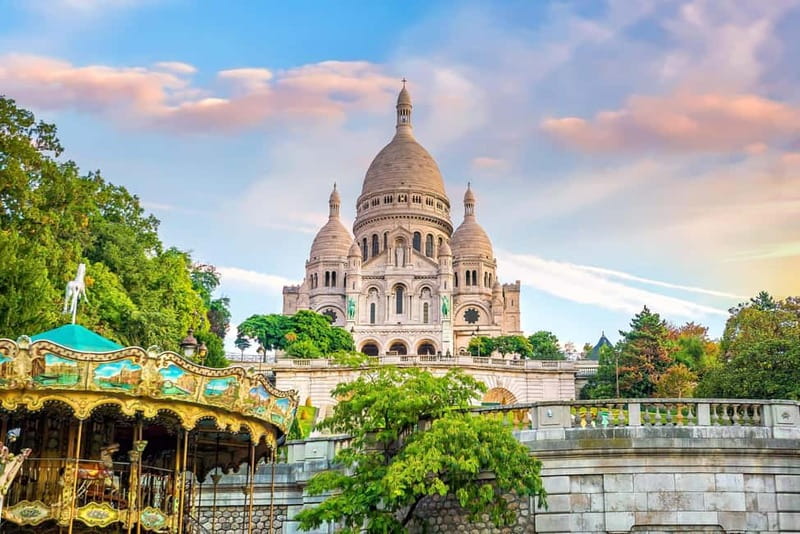
Now we’re heading into the part many people came for: Place du Tertre and the climb toward Sacré-Cœur. This is where Montmartre stops being a collection of landmarks and becomes a scene.
You’ll have time to watch local artists at work in Place du Tertre. This is one of the best reasons to do a guided walk instead of going solo with a loose plan. The guide can help you understand what you’re seeing and where to look, while you’re simply free to enjoy the atmosphere.
Then comes Sacré-Cœur itself. You’ll get a mix of photo stop and guided time, and you’ll see why people talk about it as a payoff. The basilica’s position on the hill changes everything about your viewpoint. On a clear day, it feels like Paris opens up.
One note: Montmartre stairs are real. Bring comfortable shoes and expect that your legs will feel the final push. If you’re traveling with someone who hates stairs, plan for an extra breather here.
Vigne du Clos Montmartre: the surprise stop that adds meaning
Before you finish at the basilica area, you’ll also get a stop at Vigne du Clos Montmartre. It’s a quiet break in the middle of all the famous, crowded, postcard energy.
This stop works because it adds contrast. After art scenes and iconic buildings, you get a small sense that Montmartre wasn’t always just the modern tourist version of itself. Even if you only take a short look, it makes the hill feel older, less purely commercial, and more layered.
Practical value: is this 3-hour Paris route worth $117?
For $117 per person and about 3 hours, this tour is basically selling you three things: guidance, timing, and the “right stops in the right order.”
First, the guidance matters because you’ll get explanations that make places feel real instead of just named. The standout feedback from recent bookings is consistent: the guides explain history in a way that sticks, not like a spreadsheet of dates. You’ll also get helpful local tips, which is what turns sightseeing into smarter sightseeing.
Second, the timing is built for effort. You hit a cluster of major Opéra-to-Montmartre landmarks without turning it into an all-day grind. Plus, the included metro ticket helps with efficient movement, so you’re not walking every mile uphill.
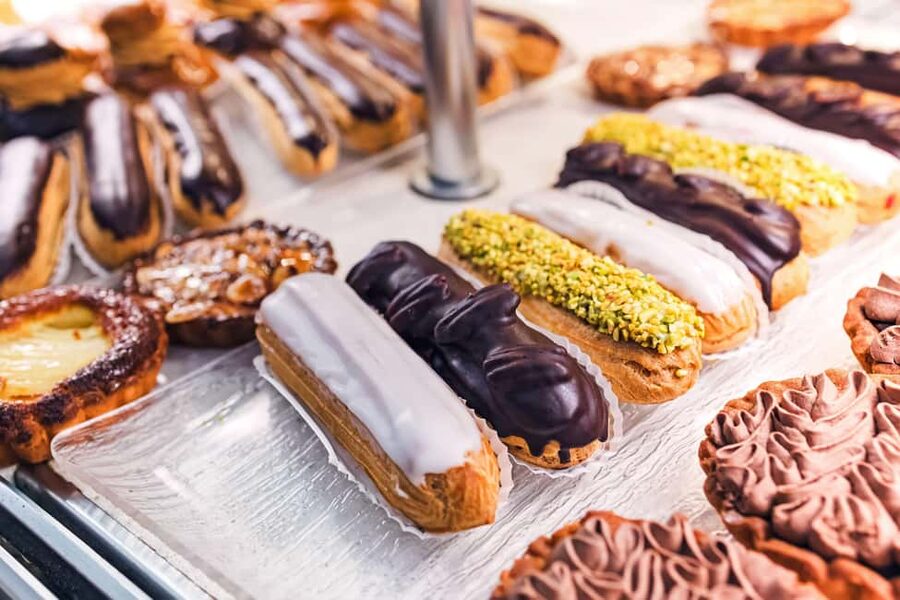
Third, the food stops aren’t random. The pastry and chocolate tasting is a built-in break, and because it’s award-winning offerings, it feels like part of the cultural experience, not just a sweet bonus.
If your goal is to see key areas fast, this is good value. If you want a long, slow “every side street” wander, you might prefer a self-guided day. But for people who want structure, photos, and a memorable ending at Sacré-Cœur, it’s a solid plan.
Who this walk suits best (and who should skip it)
This tour is best for you if you:
- Want a guided route that connects the dots between landmarks
- Like photo stops and clear guidance on what’s worth noticing
- Appreciate a hands-on cultural pause like the pastry and chocolate tasting
- Are comfortable with city walking and a hill finish
It’s not for you if:
- You have mobility impairments or can’t manage stairs (the tour includes climbing and uneven cobbled streets)
- You want zero walking after the midpoint (Montmartre still demands leg power)
Also keep in mind the optional Galeries Lafayette rooftop terrace. It’s described as free-access and optional, but access depends on store hours, crowd levels, and weather, and it’s not something the venue is affiliated with. In other words: plan for it, but don’t count on it as a guarantee.
What to bring so you enjoy every step
Bring:
- Comfortable shoes (non-negotiable for Montmartre cobbles and stairs)
- Water
- Camera (there are multiple photo moments)
- Sunglasses and a hat (Paris sun can sneak up on you)
- A casual outfit you can move in
If you like photos, you’ll also be glad the guide can take pictures for you, so you won’t lose every shot to awkward “selfie arm” angles.
Should you book the Opéra to Montmartre walk with pastry and chocolate?
I’d book it if you want a tight, enjoyable route that covers the grand Opéra start, the arcade charm, and the Montmartre payoff without turning into an all-day ordeal. The combination of storytelling that makes places stick and the food tasting break is a strong match for first-time visitors who want more than photos—they want context.
Skip it if stairs are a hard no, or if you hate structured pacing. Montmartre is the point where the walking gets real.
If you fit the first group, this is the kind of 3-hour plan that leaves you feeling like you actually understood the city’s different faces.
FAQ
Where does the tour start?
The meeting point is at Palais Garnier. The guide will be holding an umbrella in front of the main staircase with steps facing the opera square.
Where does the tour end?
The tour finishes at the Basilica of the Sacred Heart of Paris (Sacré-Cœur).
How long is the tour?
It runs for 3 hours.
What’s the price per person?
The price is listed as $117 per person.
Is there a metro ticket included?
Yes. The tour includes a metro ticket for the short subway/metro segment during the experience.
Does the tour include food?
Yes. You’ll get a pastry and chocolate tasting.
What sights and stops will I see?
The tour includes Palais Garnier, photo stops at Galeries Lafayette, shopping arcades at Passage Jouffroy and Passage Verdeau, Notre-Dame de Lorette, Moulin Rouge, Wall of Love, Le Bateau-Lavoir, Moulin de la Galette, Le Passe-Muraille, La Maison Rose, Place du Tertre, Sacré-Cœur, plus Vigne du Clos Montmartre.
Is the rooftop terrace stop guaranteed?
No. The rooftop terrace at a department store is optional and access depends on store hours, crowd levels, and weather. It’s also stated that the stop is not affiliated with or endorsed by the department store.
What language are the tours in?
The tour is offered in English.
What should I bring and wear?
Wear comfortable shoes and bring water, a camera, sunglasses, and a hat. The tour involves walking and climbing stairs.
Is the tour suitable for people with mobility impairments?
No. The tour is not suitable for people with mobility impairments.