REVIEW · FLORENCE
Florence: Italian Opera
Book on GetYourGuide →Operated by Agenzia Musica Internazionale · Bookable on GetYourGuide
Opera in Florence feels surprisingly approachable. This one-day concert lets you choose your seat category and enjoy Italian opera highlights from Puccini, Verdi, Mozart, and Rossini, in landmark venues. I like the way the evening blends big emotion with a clear, well-paced program, and you get the added charm of a historic setting like the Auditorium of Santo Stefano.
Two things I really like: the powerful voices (soprano Alessia Battini and baritone David Ciarrocchi) are paired with a skilled pianist, Gianni Cigna, so you feel the music even when you’re not a hardcore opera person. I also appreciate the practical comfort touches, like time to relax in the garden and stop by the tea room before the concert starts. One possible drawback to plan for: the program includes a piano solo intermezzo and a mid-evening break, so if you want nonstop singing start to finish, this format may feel a bit stop-and-go.
In This Review
- Key things to know before you go
- Where the music happens: Santo Stefano by Ponte Vecchio
- Zeffirelli Concert Hall and the rhythm of a one-evening format
- The exact program: the arias you’ll likely recognize
- First part
- Second part
- The performers: what the cast brings to the sound
- Seating choices: how to pick without overthinking it
- Before the curtain: garden time and a tea room stop
- What you’ll feel during the singing (and why the acoustics matter)
- Price and value: what $41 gets you in Florence
- Who this concert suits best
- Practical planning: how to make your evening smooth
- Should you book this Florence Italian Opera concert?
- FAQ
- How long is the Florence Italian Opera experience?
- What is included in the ticket price?
- Are food and drinks included?
- Where does the concert take place?
- What music is performed?
- Who performs in the concert?
- Is there assigned seating?
- Is the experience wheelchair accessible, and can I cancel?
Key things to know before you go
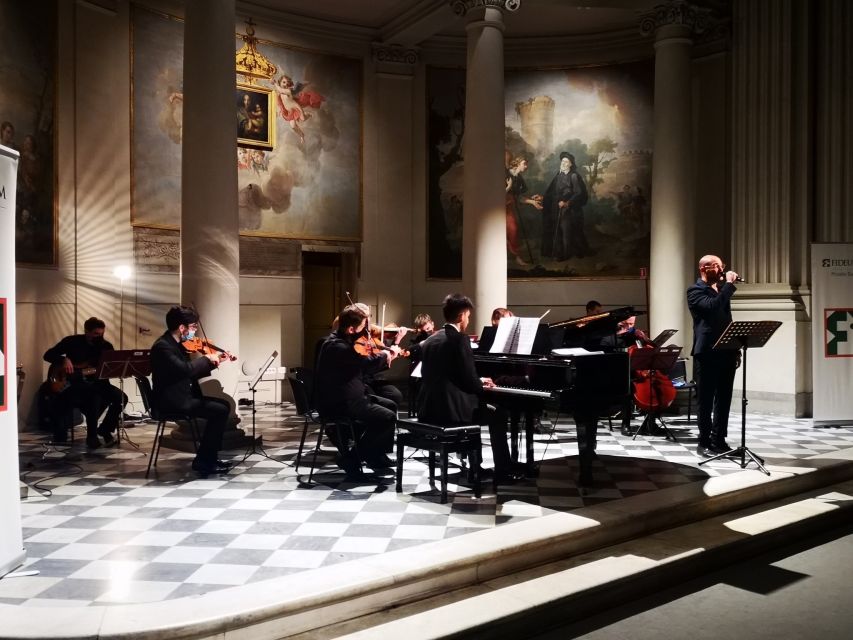
- Historic Auditorium of Santo Stefano near Ponte Vecchio, with exceptional acoustics
- Three seating categories, so you can match comfort to budget
- A focused opera program featuring arias and duets from Puccini, Verdi, Mozart, and Rossini
- Live piano accompaniment by Gianni Cigna, with a short solo intermezzo
- Relax options before the show in the garden or the tea room
- A compact cast (two vocalists plus pianist) that keeps the evening intimate
Where the music happens: Santo Stefano by Ponte Vecchio
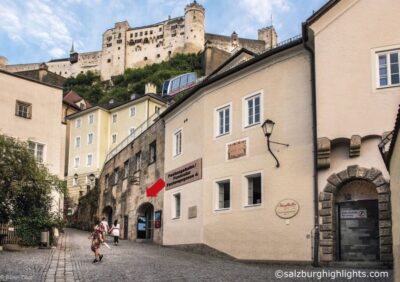
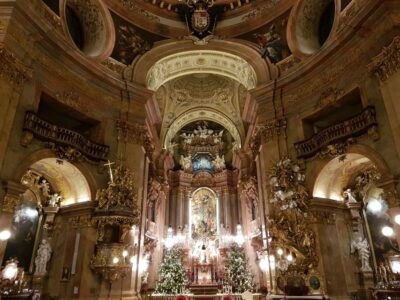
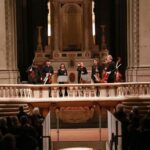
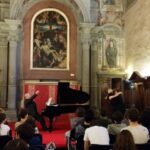
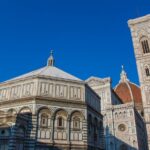
If you’ve ever looked at Ponte Vecchio and thought, I’d like the evening to feel like Florence looks in photos, this is a strong match. The Auditorium of Santo Stefano sits in the city center next to the famous bridge. It’s a building with an unusual “layers of time” story: it began in a Romanesque style, then took on Gothic and Baroque changes over the years.
It also survived real-world shocks. The auditorium was damaged during World War II, hit by the 1966 flood, and later affected by the 1993 Georgofili bombing. Restored in the late 1990s, it now feels made for classical music, and the acoustics are a big part of why this concert works so well.
Even if you only care about one thing—hearing voices clearly without straining—this venue matters. When acoustics are good, you don’t need to “figure out” the performance. You just hear it.
You can also read our reviews of more tours and experiences in Florence.
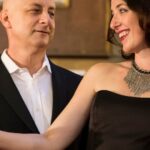

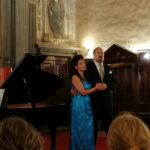
Zeffirelli Concert Hall and the rhythm of a one-evening format
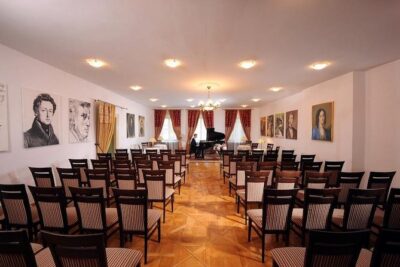
The concert runs in the Zeffirelli Concert Hall and the Auditorium of Santo Stefano. The schedule stays anchored in one evening experience rather than a multi-stop sightseeing day, which makes it easier to fit into a Florence trip without turning your night into a logistics puzzle.
You can think of it as: arrive, settle, enjoy the arias and duets, take a break, then finish with more of the best-loved moments. The structure is friendly for first-timers because it’s made of recognizable musical highlights instead of a full opera with an interwoven plot you have to follow for hours.
The only trade-off is time pacing. Since there’s a piano solo intermezzo and an intermission, the evening has clear “chapters.” That’s usually what makes it manageable. But it can also feel like you’re waiting between your favorite moments, depending on what you’re hoping for.
The exact program: the arias you’ll likely recognize
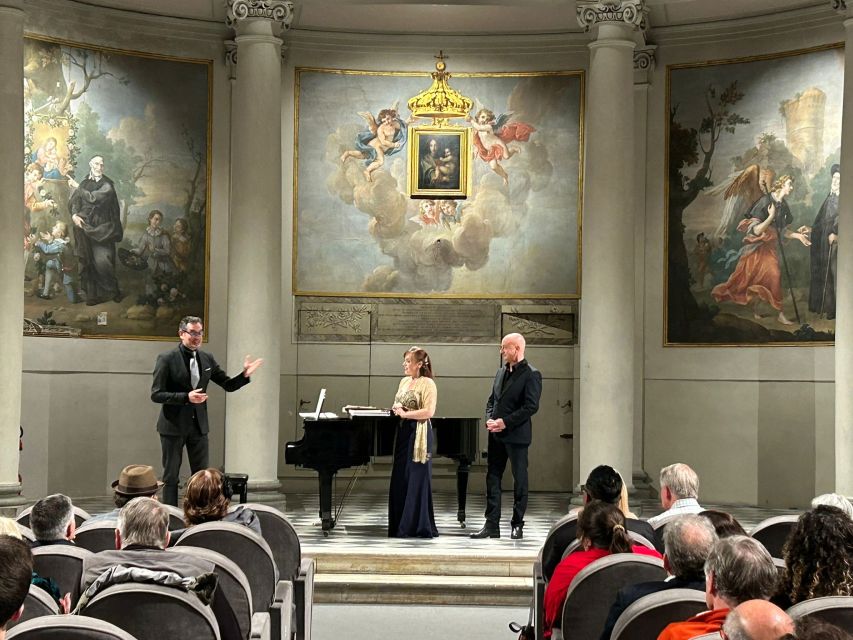
This concert is built around popular opera favorites. Here’s how the evening is arranged, so you can decide if the mix matches your taste.
First part
- Rossini: Largo al factotum from The Barber of Seville
- Puccini: Tre sbirri una carrozza from Tosca
- Piano solo intermezzo
- Puccini: Quando me’n vo from La Bohème
- Verdi: È strano… Sempre libera from La Traviata
- Mozart: Cinque, dieci, venti from The Marriage of Figaro
Then there’s an intermission.
Second part
- Puccini: O mio babbino caro from Gianni Schicchi
- Verdi: È sogno o realtà from Falstaff
- Mozart: La ci darem la mano from Don Giovanni
- Rossini: Dunque io son from The Barber of Seville
Why this program is smart: it gives you variety across styles. Rossini brings speed and flair. Puccini leans into lyric emotion. Verdi often hits the drama button. Mozart adds that elegant, human clarity. If you like the idea of an opera “greatest hits” night, this set list does the job.


The performers: what the cast brings to the sound
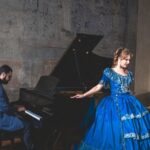
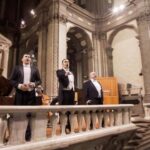
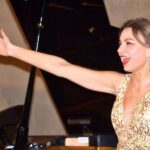
This isn’t a huge production with a full opera chorus. Instead, it’s a compact, voice-forward cast paired with piano. That can be a big win because it keeps the focus on what you came to hear: singing that lands, and accompaniment that supports it.
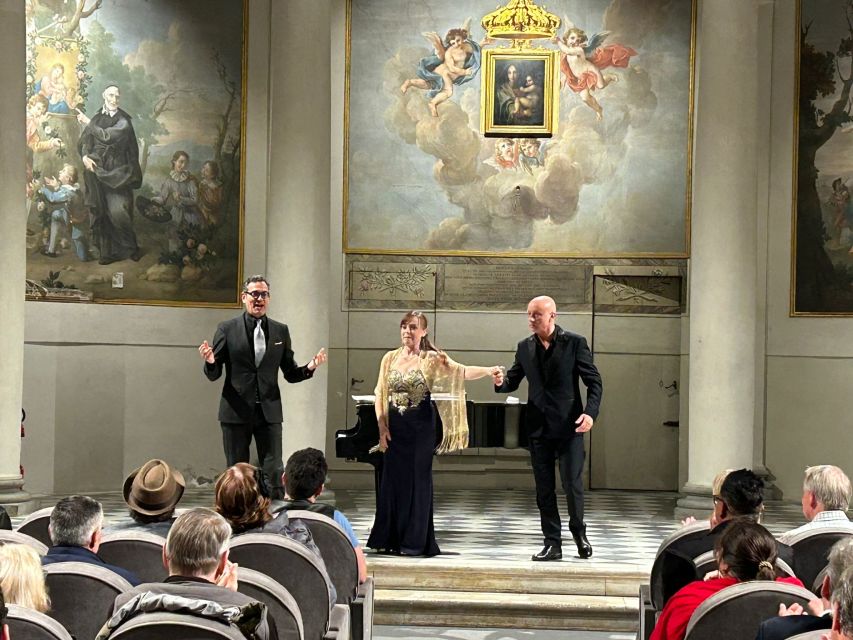
- Soprano: Alessia Battini
- Baritone: David Ciarrocchi
- Pianist: Gianni Cigna (also known as a vocal coach)
In practice, that combination matters. A strong pianist in an opera concert isn’t just keeping time. They shape breathing, phrasing, and transitions between vocal lines, especially in a program that moves across many composers and moods. Gianni Cigna’s role is built around that kind of sensitive accompaniment.
Seating choices: how to pick without overthinking it
You get to choose from three seating categories. The big question is what you value most: closeness to the stage, overall comfort, or a better balance of both.
A helpful way to think about it: the singers and piano are the heart of the show. So if you’re sitting too far back, you might still enjoy the music, but facial expression and small details will be harder to catch. On the other hand, opera concerts aren’t the kind of thing you want to endure in uncomfortable seats for an evening.
One practical tip from the vibe of the experience: if there’s an option that feels like a higher tier (or a more comfortable central area), I’d lean toward that, especially if you’re new to opera and want the night to feel easy and rewarding.
Before the curtain: garden time and a tea room stop
Not every opera experience gives you a nice decompression zone. Here, you can relax in a garden or use the tea room area before the performance. That small detail matters more than you’d think.
It helps you avoid the stressful feeling of rushing straight from the street into a formal hall. Instead, you can arrive, settle, and get your ears ready. Also, since food and drinks are not included, having a place to sit and take your time is a real quality-of-life upgrade.
What you’ll feel during the singing (and why the acoustics matter)
The best praise for this sort of concert usually comes down to one thing: can you hear the voice the way it was meant to sound. And with this setup—historic rooms and reported excellent acoustics—that’s exactly what you should expect to prioritize.
In a good acoustic space, the human voice sits in a way that feels natural, not tinny. You also hear the piano details more clearly, which makes quieter lyrical pieces land.
If you’re going in as a first-timer, focus less on trying to follow every musical term and more on noticing how the voice changes by composer. Rossini can feel playful and bright. Mozart can feel precise and conversational. Puccini often feels like a story told with breath and emotion. Verdi is often all about big feelings and strong phrasing.
Price and value: what $41 gets you in Florence
At about $41 per person for a one-day concert, this is priced like an opera introduction rather than a full-scale theatre night that costs several times more. The ticket includes the concert admission plus a printed program. You’re not paying extra for an audio guide or “extras” that usually get forgotten anyway.
Food and drinks aren’t included, so if you plan to make it a full evening out, budget a drink or small snack separately. That said, the included ticket covers the core value: live singers, live piano accompaniment, and a setting designed for classical sound.
The strongest value angle here is matching: you’re getting recognizable opera highlights across multiple composers, in a venue where people actually talk about the acoustics. For many first-timers, that’s the difference between a nice evening and a “I get it now” evening.
Who this concert suits best
This is a good fit if:
- You want an opera night without committing to a full-length production.
- You like Italian classics like La Traviata, La Bohème, and Mozart operatic selections.
- You care about hearing music clearly in a historic venue.
It’s also a smart option if you’re traveling with someone who’s curious but not sure they’ll enjoy opera. The mix of composers and the highlight-style program makes it easier to stay engaged.
If you’re the kind of person who hates any pause in a performance, you might want to consider the pacing. The evening includes intermission and a piano solo intermezzo.
Practical planning: how to make your evening smooth
A few practical points will help you keep the night low-stress:
- No hotel pickup or drop-off is listed. Plan to get there on your own.
- The meeting point can vary depending on the option you choose, so double-check your exact instructions when you book.
- Since there’s a printed program included, arrive with enough time to glance through it and get oriented before the first notes.
Also, this is wheelchair accessible, which is a reassuring detail for mobility needs.
Should you book this Florence Italian Opera concert?
I’d book it if you want a high-probability, first-timer-friendly opera experience in a Florence landmark setting. The price-to-content ratio is strong, and the program hits major, recognizable names: Puccini, Verdi, Mozart, and Rossini. Add good acoustics and live piano support, and it’s the kind of evening that can turn opera from intimidating to genuinely enjoyable.
I’d think twice if you’re trying to avoid any in-between pacing. With an intermission and a piano solo intermezzo, this is structured like a thoughtful concert, not a single continuous musical run.
If you want one opera-style night that feels tied to Florence’s atmosphere and not just generic performance time, this is a solid choice.
FAQ
How long is the Florence Italian Opera experience?
It’s listed as valid for 1 day. You’ll be going to an evening concert as part of that day’s experience.
What is included in the ticket price?
The ticket includes the concert ticket and a printed program.
Are food and drinks included?
No. Food and drinks are not included.
Where does the concert take place?
The concert is performed at the Zeffirelli Concert Hall and the Auditorium of Santo Stefano in Florence.
What music is performed?
The program includes arias and selections by Rossini, Puccini, Verdi, and Mozart, with a piano solo intermezzo and an intermission between the two parts.
Who performs in the concert?
The listed performers are soprano Alessia Battini, baritone David Ciarrocchi, and pianist Gianni Cigna.
Is there assigned seating?
You choose from three seating categories.
Is the experience wheelchair accessible, and can I cancel?
It is wheelchair accessible. Cancellation is free up to 24 hours in advance for a full refund.