REVIEW · KYOTO
Kyoto: Japanese Koto & Shamisen Concert and Koto Class
Book on GetYourGuide →Operated by Gen · Bookable on GetYourGuide
Kyoto’s koto sounds different when they’re that close. This is a professional live concert in an old, small Japanese house, with shamisen played alongside koto and a hands-on moment at the end. You get history plus music that moves from classical to contemporary, with original works mixed in.
I especially love the format: intro first, performance second, then a close-up Q&A where you can ask real questions. And I like that you don’t just watch—you can try playing the koto yourself with a skilled instructor. One thing to plan for: the venue is in a residential area and can be tricky to find, and late arrival can shorten your experience.
Key points worth your attention
- Old Japanese house setting: intimate, homey, and a nice change from temple-and-townhouse sightseeing
- Real conversation time: you can talk with the performer after the music
- Wide repertoire: classical, contemporary, and original compositions
- Hands-on koto: guided practice at the end, even if you have zero music background
- Small group or private feel: the class portion can feel personal and encouraging
- Photos included: you can take them during the session and also get photos after
In This Review
- A Kyoto Home Concert Where Koto and Shamisen Feel Personal
- The 1–100 Minute Program: What You’ll Do, Step by Step
- 1) Instrument introduction and reading the music
- 2) A live performance by professional musicians
- 3) Q&A and photo time right after
- 4) Try the koto yourself
- What You’re Actually Learning About Koto and Shamisen
- Koto: technique you can hear
- Shamisen: rhythm with personality
- Sheet music basics that make the performance click
- Professional Musicianship, From Classical to Contemporary
- The Q&A With the Performer: Ask Better Questions
- Trying the Koto Yourself: Beginner-Friendly, But Not Fake
- Venue Reality Check: Finding the Old House in Kyoto
- Timing Your Day: Pair It With Kyoto Sights Nearby
- Price Value: Why This Often Feels Like a Deal at $38
- Who Should Book This Koto and Shamisen Experience
- A Few Names and Details That Make It Feel Real
- Should You Book It?
- FAQ
- FAQ
- How long is the Kyoto koto and shamisen concert and koto class?
- Where does it take place?
- Is there a hands-on koto part, or is it only a performance?
- What styles of music do you hear?
- Are the instructions available in English?
- Is it suitable for families with small children?
- Do I get photos?
- What should I bring?
- What if I have allergies or physical limitations?
- What happens if I’m late?
A Kyoto Home Concert Where Koto and Shamisen Feel Personal
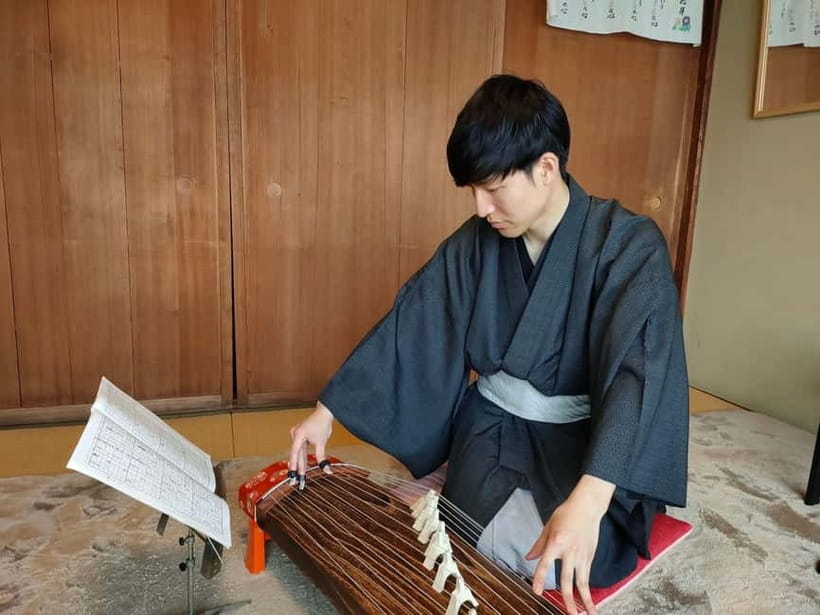
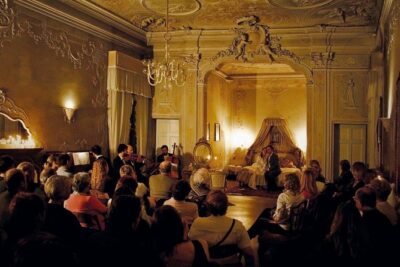
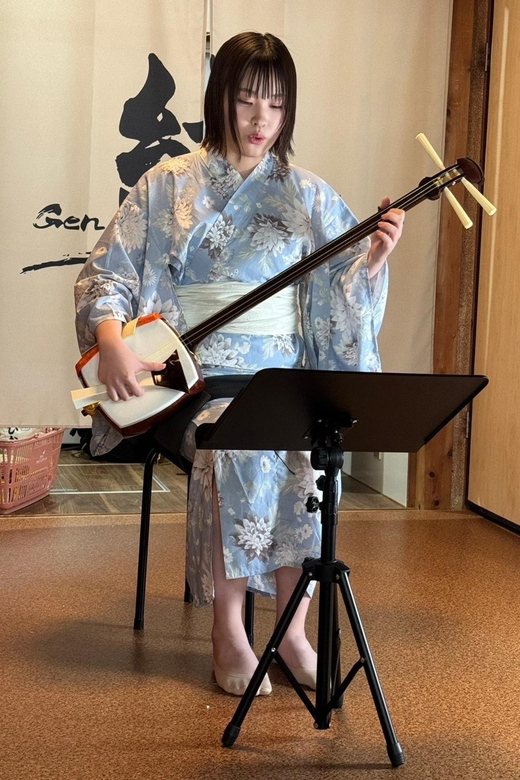
Kyoto has plenty of formal performance spaces. This one is different. The show happens in a small, older Japanese house. Think warm wood, close seating, and that feeling you’re listening from the inside of someone’s daily world, not from behind a stage curtain.
That setting matters. Koto is about nuance: small changes in touch, timing, and the way notes hang in the air. In a cozy room, you notice details that get lost in bigger halls. The shamisen also lands with more character in close quarters, especially when performers switch techniques and let the instrument’s tone shift.
Another good sign: you’re not treated like a passive audience. The program is designed so you learn just enough to understand what you’re hearing, then you get time to ask questions and even try the koto. For many people, that’s the difference between a nice cultural stop and an experience you remember for years.
The 1–100 Minute Program: What You’ll Do, Step by Step
Your time is roughly 1 hour to 100 minutes, and the flow stays consistent even though the exact program may change by season or performer.
Here’s what typically happens, in the order you’ll experience it:
You can also read our reviews of more tours and experiences in Kyoto.
1) Instrument introduction and reading the music
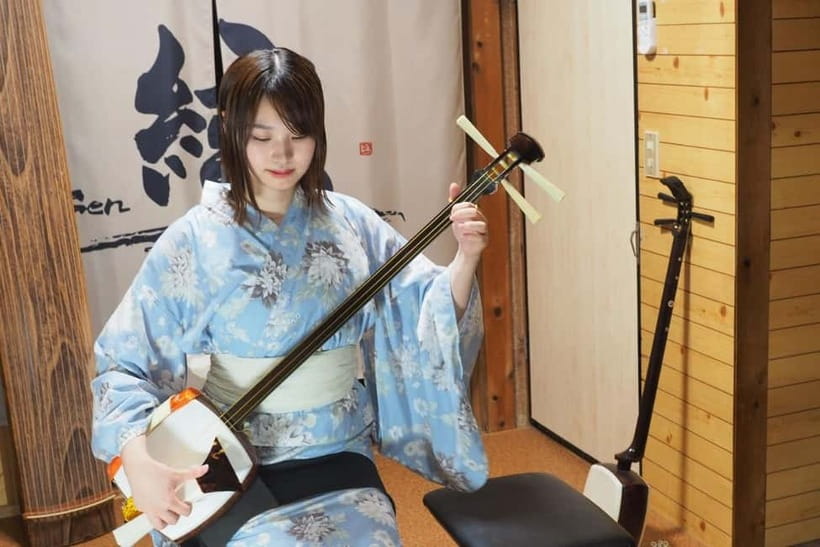
The start is a guided introduction to the instruments—especially the koto and shamisen—and to how their sheet music works. You’ll hear explanations of what makes each instrument unique, not just in sound but in how the notes are represented.
This matters because traditional music can feel mysterious if you only listen for melody. When you understand the score basics, you start recognizing patterns and technique rather than only reacting to emotion.
2) A live performance by professional musicians
After the intro, the musicians perform live. The repertoire spans classical, contemporary, and original compositions. In other words, you’re not boxed into one historical window.
A favorite part of this setup is contrast. Classical pieces can highlight structure and restraint. Contemporary selections often show how the same instruments can sound modern and bold. Original works then underline that tradition isn’t stuck in amber—it can still grow.
3) Q&A and photo time right after
Then comes the part that makes this feel special: the performer and hosts offer a close-up Q&A session. You’ll be able to ask questions and get direct answers from the people who played.
You also get an opportunity for photos. If you’ve ever tried to take pictures at the end of a show, only to feel rushed or blocked, this is the opposite. The room is small, and the conversation makes photos feel like a natural next step.
4) Try the koto yourself
At the end, you can play. Under professional guidance, you’ll learn a simple piece and practice the basic feel of the instrument.
Even if you’ve never held a koto before, the instructor guidance is part of the value. The goal isn’t to turn you into a performer. The goal is to give you that first real success moment—enough to appreciate what the pros do during the performance.
What You’re Actually Learning About Koto and Shamisen
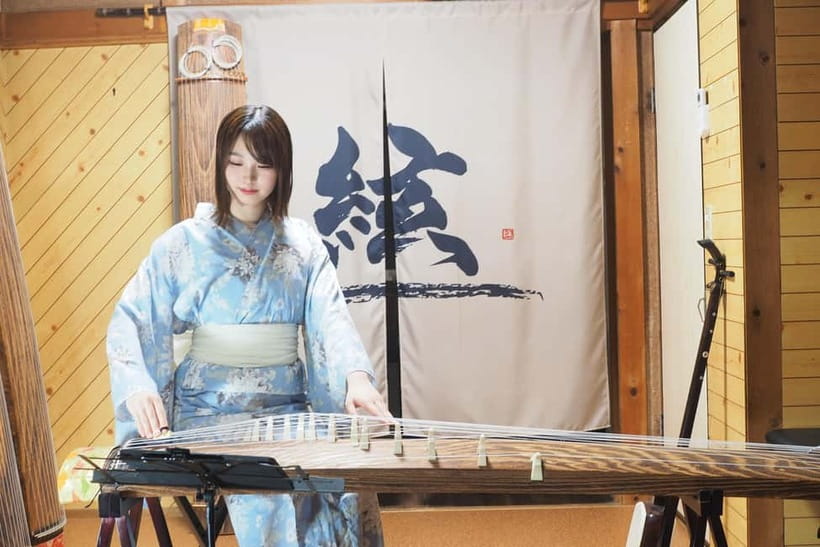
This isn’t just a concert with a token explanation. You’re guided through the instruments in a way that helps you listen better.
Koto: technique you can hear
The koto is known for its clean, airy resonance. What many people don’t realize is that technique can change tone a lot. When performers use different approaches, the instrument produces different timbre and character, even when the notes feel similar.
In the session, you’re set up to notice those changes. The score introduction helps, and so does the fact that you’ll see and hear the same instrument do multiple styles.
Shamisen: rhythm with personality
The shamisen brings a sharper edge to the sound world. It can feel rhythmic and expressive, especially when it’s paired with koto. In a quiet home setting, the shamisen often feels like it’s driving the emotional tempo of the pieces.
If you’re the type who likes to connect what you hear to how it’s made, the start of the program is a great match.
Sheet music basics that make the performance click
The program specifically includes explanations about the sheet music. That’s a practical inclusion. Instead of guessing, you get a framework you can hold while listening.
Professional Musicianship, From Classical to Contemporary
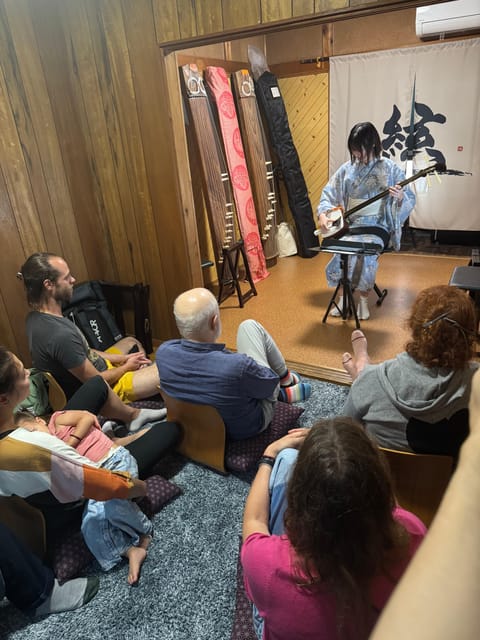
The repertoire is one of the strongest reasons to book. Many instrument concerts focus on only one style. Here, you can hear a range—classical, contemporary, and original pieces.
That range helps you understand something important: these instruments are not just museum pieces. They can sound formal, playful, dramatic, or modern depending on the composition and performance style.
In several experiences like this, I’ve noticed a pattern: people come in expecting traditional and end up appreciating the contemporary selections even more than they planned to. This program is set up to do that kind of switch—without forcing it. You’ll hear what changes, and you’ll understand why it still feels authentic.
The Q&A With the Performer: Ask Better Questions
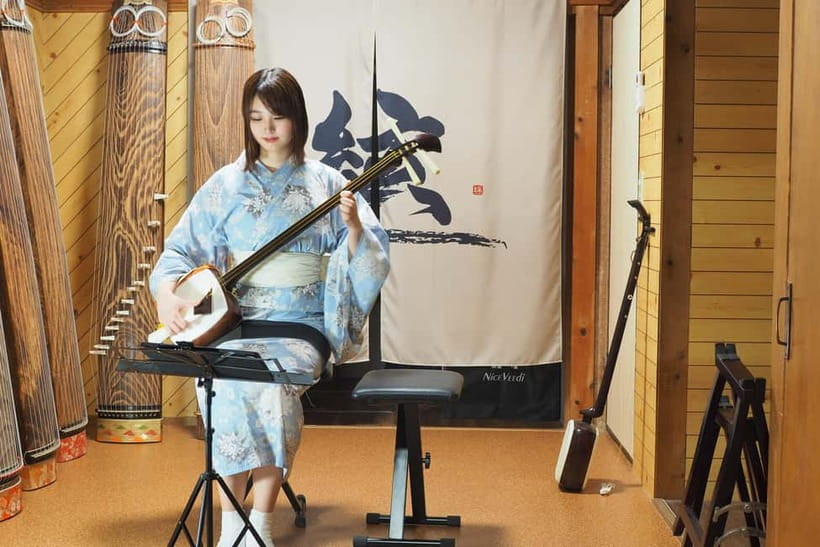
This experience doesn’t treat questions as an afterthought. After the performance, you get a time to talk with the professional player.
That’s where details show up. You’ll likely hear answers that connect sound to technique, and how the musicians approach different styles. You’ll also get a chance to ask what you actually want to know, not what the host predicts the audience is curious about.
From what I’ve seen in similar close-quarters sessions, Q&A time also helps the performance feel less intimidating. You’re not just watching tradition from a distance. You’re learning how real musicians think.
In one standout example from the experience set, a guide named Kyoko helped make the lesson more interesting by letting a participant try their own ideas along the way. That kind of supportive interaction is often the difference between a fun show and a truly memorable cultural moment.
Trying the Koto Yourself: Beginner-Friendly, But Not Fake
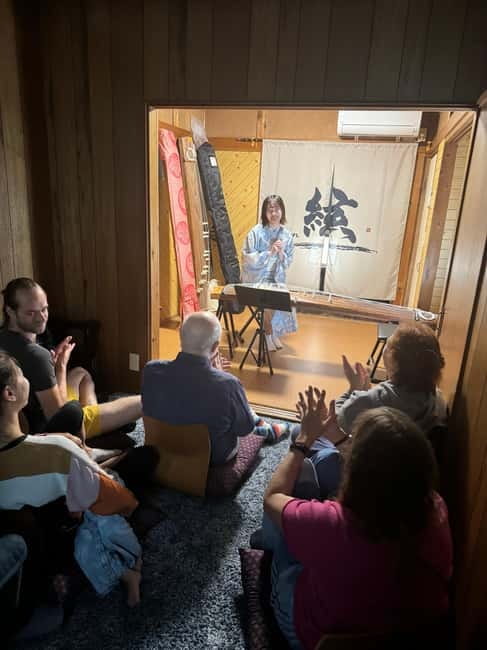
The best part for first-timers is that you can actually play. The program includes use of the koto instrument, materials/tools, and professional instructor guidance.
So what should you expect if you have no musical background?
You’ll get a simple piece and coaching for the basic technique needed to produce clear sound. In experiences described here, participants were surprised by how quickly they could pick up the basics. The instructors also tend to be patient and encouraging, focusing on getting you set up correctly rather than judging your results.
You’ll also see what professionals do with tone and timing. That’s powerful because you don’t just admire skill—you feel what it takes.
And yes, some people end up leaving obsessed. When a short, guided try leads to real momentum, it’s hard not to want more.
Venue Reality Check: Finding the Old House in Kyoto
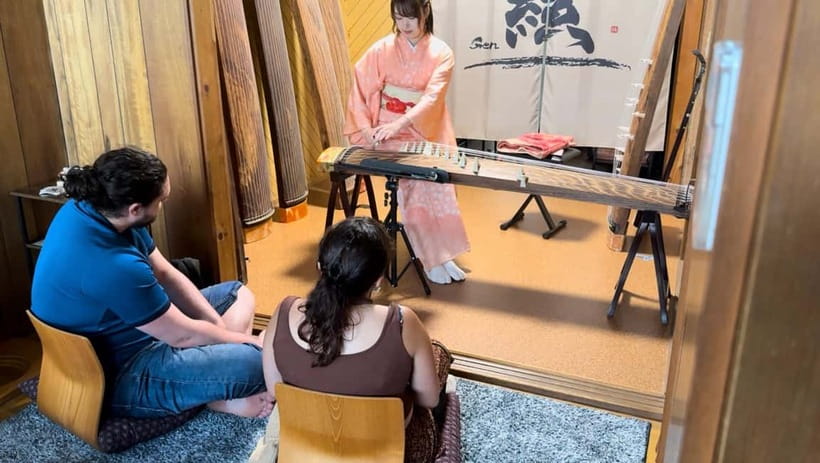
Location is part of the charm, and part of the challenge.
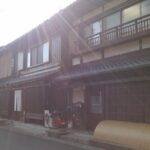
This concert/class takes place in an old, small Japanese house in a residential area. One practical note from experiences: the alley can feel dark, and you may need to wait outside until just minutes before the show.
If you’re worried about timing, give yourself buffer time. If you’re using a taxi, you might find it easier than trying to match a distant landmark to tiny streets on foot. And when you arrive, be ready to follow the host’s timing for entry.
Also note: late arrivals may result in a shortened experience time. In a tight program, they can’t pause the music.
Timing Your Day: Pair It With Kyoto Sights Nearby
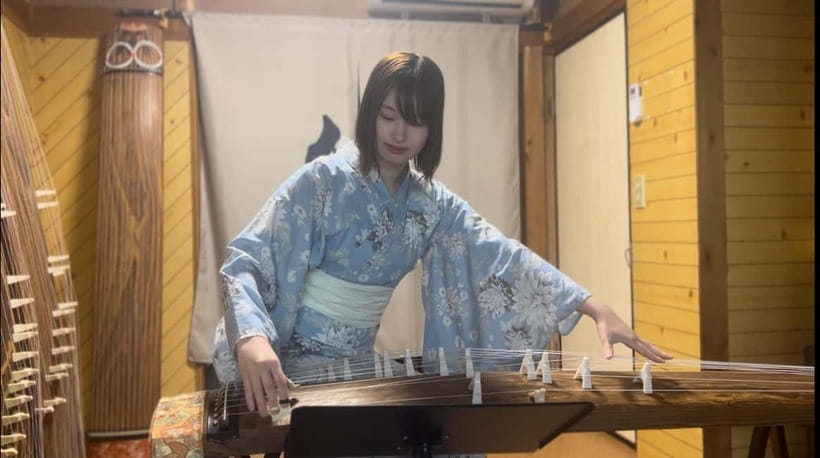
This experience is a good “different Kyoto” stop. It also works if you’re planning around Arashiyama, castles, or markets.
Here are practical nearby areas you can combine with it:
- Arashiyama (about 25 minutes by train and on foot)
You can access it from Saiin Station, a transfer point between the Hankyu Line and Randen Line.
- Nijo Castle (about 20 minutes by train and on foot)
It’s just one station away from Nijo Castle-mae on the Tozai Line.
- Kinkakuji / Golden Pavilion (about 20–25 minutes by bus and on foot)
Accessible from Nishioji Sanjo bus stop in about 16 minutes.
- Nishiki Market (about 25 minutes by train and on foot)
You can ride directly on the Hankyu Line to Karasuma or Kawaramachi.
How I’d use this: book your concert around a sightseeing block. For example, do an earlier cultural stop, then come to the music experience when the day shifts from sightseeing to something quieter and more personal.
Price Value: Why This Often Feels Like a Deal at $38
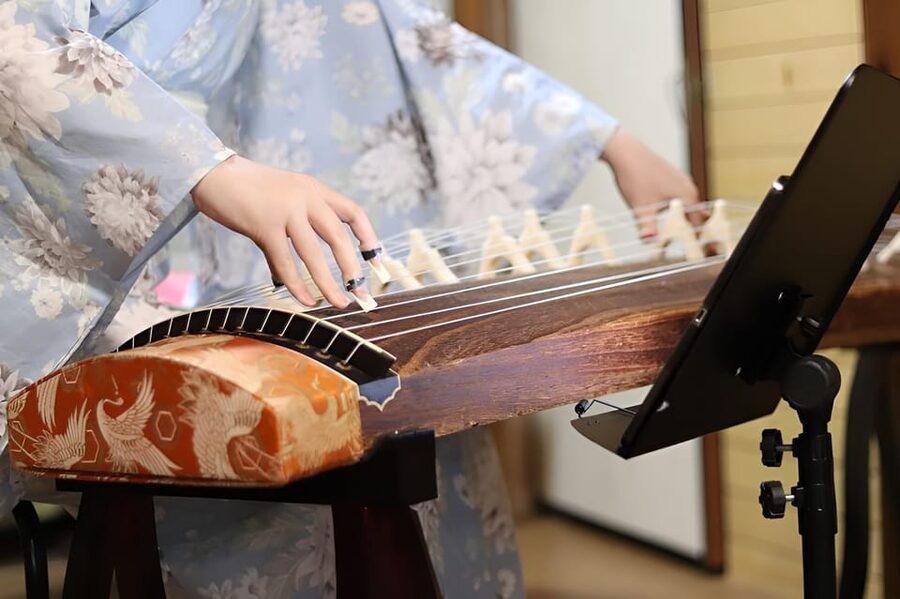
At $38 per person for a concert plus hands-on playing, the value is strong—especially because the program includes several things that are usually extra elsewhere.
You’re getting:
- all necessary materials and tools
- use of the koto instrument
- skilled instructor guidance
- a brief cultural introduction
- a private session for your group
- photos of your experience
That’s not just “watching music.” It’s learning basics, getting a live performance, and trying the instrument yourself. And because it’s set up for a cozy, small-group or private style, you’re more likely to get personal attention.
When you weigh the cost against what you usually get in bigger venues—where you watch but don’t participate—this kind of hands-on cultural session tends to feel fair.
Who Should Book This Koto and Shamisen Experience
This fits best if you want something calmer and more personal than a standard attraction.
You’ll likely love it if you:
- enjoy live music and want to hear traditional instruments up close
- want a beginner-friendly introduction that actually teaches you how to listen
- prefer small-group cultural experiences over large shows
- want a hands-on memory, not just photos in a crowd
It may not be the right fit if you’re traveling with very young children. The experience is not suitable for babies and toddlers in the listed ranges (under 1 year, under 3 years, under 4 years are listed as not suitable).
You should also share any physical limitations or allergies ahead of time so the hosts can plan appropriately.
A Few Names and Details That Make It Feel Real
Some of the most memorable moments come from the people leading the experience. In the accounts shared for this type of session, performers and guides mentioned include:
- Aoi (a performer known for beautiful voice and koto/shamisen work, and in one case connected to a birthday song)
- Kyoko (named as a guide/instructor who encouraged trying ideas during the lesson)
- Shohei (mentioned alongside Aoi in the context of patience and encouragement)
You don’t need to chase names to enjoy the evening. But when a session is led by genuinely supportive professionals, it shows. That support is part of why people walk away feeling like the experience was worth more than the ticket cost.
Should You Book It?
If you like authentic culture you can feel in your seat, I’d book this. The biggest draw is the combo: performance plus explanation plus Q&A plus hands-on koto. That structure makes the experience easy to enjoy even if you know nothing about Japanese traditional instruments going in.
You should also consider booking if you’re in Kyoto for a few days and want one evening that doesn’t look like every other stop. A small house concert is the kind of thing you can’t really replicate later at home.
Only hesitation I’d keep: if you hate finding small venues in residential areas, you’ll want to plan transport and arrive early. And if you’re tight on time, remember that late arrival can shorten the experience.
FAQ
FAQ
How long is the Kyoto koto and shamisen concert and koto class?
It runs about 1 hour to 100 minutes. You can check available starting times when you book.
Where does it take place?
The concert happens in an old, small Japanese house in Kyoto. The exact meeting point can vary based on the option you book.
Is there a hands-on koto part, or is it only a performance?
You can try playing the koto at the end. You’ll receive guidance from a professional instructor to play a simple piece.
What styles of music do you hear?
The program includes classical pieces, contemporary compositions, and original works. The specific program can change depending on season or performer.
Are the instructions available in English?
Yes. The instructor is listed as English and Japanese.
Is it suitable for families with small children?
It’s not suitable for babies under 1 year and children under 2 years, under 3 years, and under 4 years (as listed in the information).
Do I get photos?
Yes. Photos of your experience are included, and there is also an opportunity for photo-taking during the session.
What should I bring?
The experience includes necessary materials and tools, and it includes use of the koto instrument, so you mainly need yourself. Transportation to and from the location is not included.
What if I have allergies or physical limitations?
You should inform the organizers ahead of time about any physical limitations or allergies, so the hosts can plan accordingly.
What happens if I’m late?
Late arrivals may result in a shortened experience time.