REVIEW · PRAGUE
Prague: Entry Ticket Classical Concert at the Mirror Chapel
Book on GetYourGuide →Operated by Prague Concert Agency s.r.o. · Bookable on GetYourGuide
Classical music in a Baroque hall hits different. This one-hour chamber concert takes place in the Mirror Chapel at the Clementinum, where the sound travels cleanly and the program leans heavy on big-name favorites. I love that you’re not just hearing a single instrument or a single style: you get strings, piano, and organ textures with soprano and violin solo moments that keep things moving. I also like the sheer value for money, since the repertoire covers Mozart, Vivaldi, Beethoven, Smetana, and more without dragging on. One thing to consider: finding the chapel can be slightly tricky, and the smaller room means you’ll want to arrive early and treat the concert like a quiet zone.
The 5pm and 7pm performances both center on Eva Müllerová on soprano, but the supporting musicians and the musical choices shift just enough to make the two options feel different. That said, the experience is only as pleasant as the crowd in front of you, and distractions (phone screens or chatting nearby) can ruin the spell.
In This Review
- Why Prague’s Mirror Chapel Sound Is the Main Event
- Royal Czech Orchestra at Clementinum: Two Start Times, Two Programs
- The 5pm program: familiar classics with strong dramatic swings
- The 7pm program: smoother flow with romance and famous operatic color
- Meet the Soloists: What Changes When One Person Leads
- Eva Müllerová (soprano)
- Robert Hugo (organ) at 5pm
- Stanislav Gallin (piano) at 7pm
- Viktor Mazáček (violin) in both shows
- What You’ll Actually Feel During the Hour
- Seating, Timing, and the Little Etiquette Things That Matter
- Arrive early for a better seat
- Where you sit can change your sightlines
- Phones and side conversations are the real enemy
- Ticket Value: Is $34 Worth It?
- How to Find the Mirror Chapel (and Not Stress)
- Who This Concert Is Perfect For
- Should You Book the Mirror Chapel Concert?
- FAQ
- How long is the concert?
- Where do I go to check in?
- When do the doors open?
- Is there an official dress code?
- Are unaccompanied minors allowed?
- What’s included in the ticket price?
Why Prague’s Mirror Chapel Sound Is the Main Event
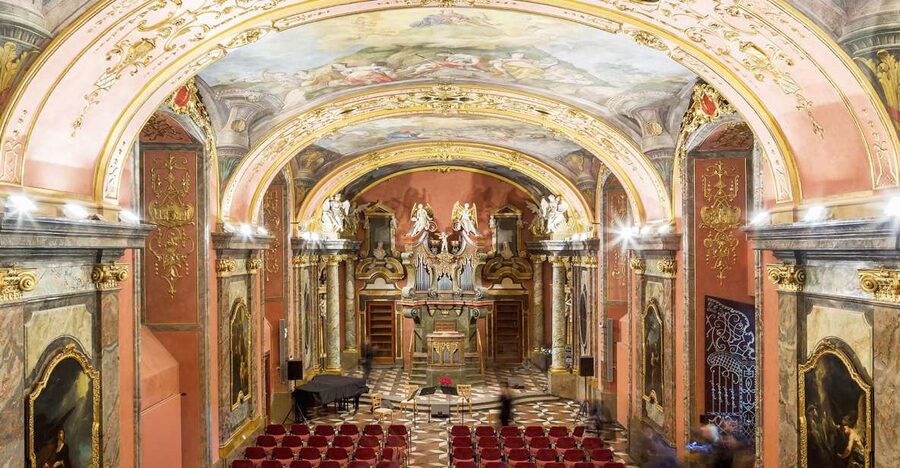
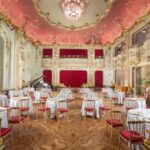
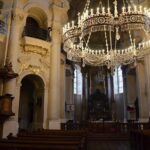
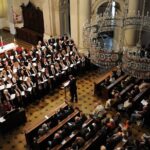
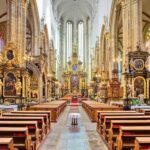
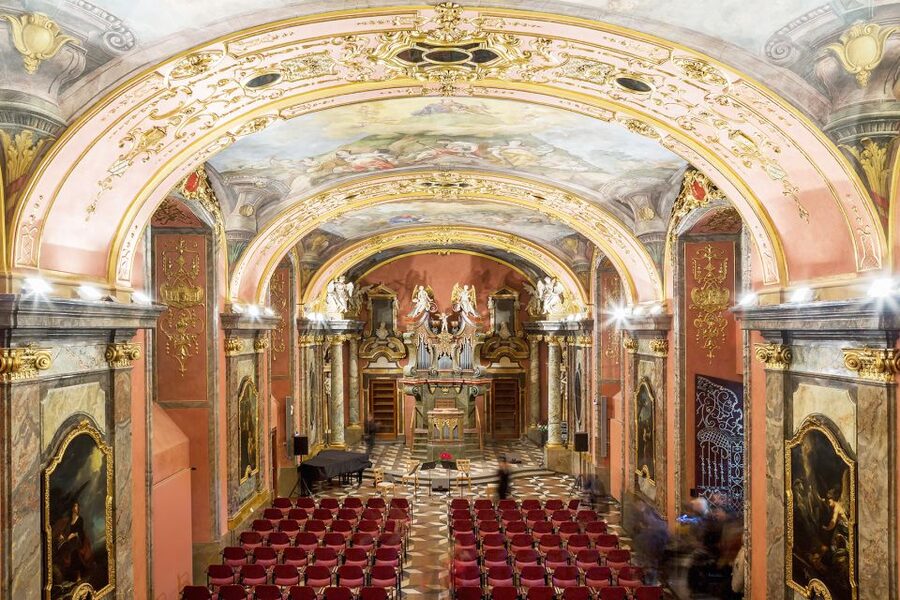
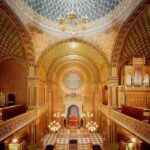
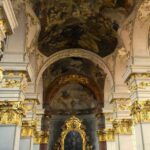
The Mirror Chapel is part of the Clementinum complex, and it has that old-world “pray-and-listen” feel even if you’re not religious. The best part for your ears is the acoustics: you’re in a space designed for resonance, so you don’t rely on microphones. When the orchestra plays softly, it still carries. When the brass-free, string-and-keys moments come through, they sound clear rather than muddy.
This is exactly what you want from an hour-long classical concert. If you’ve ever tried to enjoy music while tourists shuffle around a big hall, this is the opposite. It’s focused. The space helps you hear the details—bowing on the strings, phrasing from the soprano, and the way the organ color blends with the rest of the ensemble.
The venue also matters because it changes your expectations of time. In a normal concert, you watch the clock. In the Mirror Chapel, the music feels like it belongs to the room, so the hour can go by faster than you expect.
Royal Czech Orchestra at Clementinum: Two Start Times, Two Programs
You’ll choose between two concert times, both designed to last about 1 hour, and both include entry ticket + a printed concert program. The big takeaway: the setlists overlap in some famous anchor pieces, but each time slot has its own mix of moods.
You can also read our reviews of more tours and experiences in Prague.
The 5pm program: familiar classics with strong dramatic swings
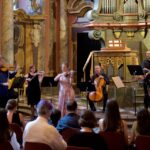
At 5pm, Eva Müllerová performs, with Robert Hugo (organ) and Viktor Mazáček (violin) as featured soloists. If you like variety—bright, lyrical, then suddenly thunderous—this program has that arc.
The 5pm program includes:
- Mozart: Overture to Le Nozze di Figaro
- Vivaldi: The Four Seasons (Spring & Winter)
- Mozart: Requiem (Lacrimosa)
- Pachelbel: Canon in D major
- Verdi: Aida – Marcia Trionfale
- Mozart: Symphony No. 40 (Tragic) Allegro
- Dvořák: Sing Unto The Lord A Joyful Song
- Bach/Gounod: Ave Maria
- Bach: Toccata & Fugue in D minor
- Smetana: The Moldau (Vltava)
- Beethoven: Symphony No. 5 (Destiny) Allegro
It’s a smart mix. You get the “everyone knows this” moments (Canon in D, Vltava, Beethoven’s Fifth), but you also get music that’s dramatically different from one track to the next. If you’re the type who wants instant recognition with just enough variety to keep you attentive, 5pm fits well.
The 7pm program: smoother flow with romance and famous operatic color
At 7pm, you’ll still hear Eva Müllerová, but the featured collaborators shift to pianist Stanislav Gallin and violinist Viktor Mazáček. This one leans a bit more toward nocturnal, lyrical, and lyrical-to-dramatic transitions.
The 7pm program includes:
- Vivaldi: The Four Seasons (Spring & Winter)
- Beethoven: Emperor Concerto – Adagio un poco mosso
- Mozart: Requiem (Lacrimosa)
- Smetana: The Moldau (Vltava)
- Chopin: Nocturne No. 20 in C Sharp Minor (from The Pianist movie)
- Bach/Gounod: Ave Maria
- Bizet: Habanera from Carmen
- Dvořák: Slavonic Dance No. 8 (in G minor)
- Beethoven: Symphony No. 5 (Allegro con brio)
This setlist is a good match if you want an evening that feels a little more like music for your mood—not only music for your recognition. The Chopin Nocturne choice is especially effective because it reaches beyond strict classical audiences; even if you don’t follow composer names, you’ll likely recognize the emotional shape of that piece.
Meet the Soloists: What Changes When One Person Leads
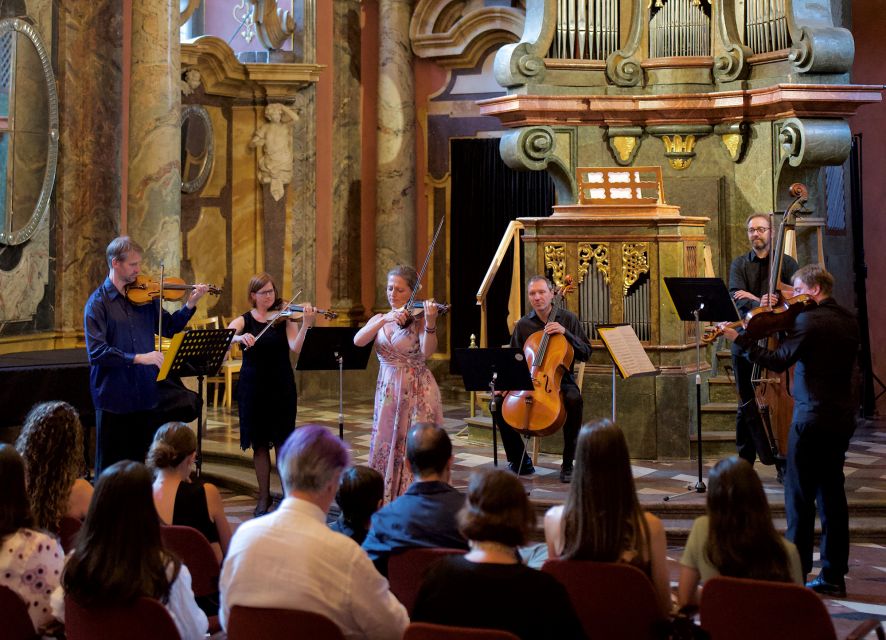
This concert works because the Royal Czech Orchestra is only half the story. The other half is the trio of soloists chosen for each time.
Eva Müllerová (soprano)
Having a soprano in the Mirror Chapel matters because vocal lines cut through the hall differently than strings do. In both time slots, Eva Müllerová anchors the program at key moments like Mozart’s Requiem (Lacrimosa) and other vocal-influenced selections. If you like that human element—breath, language, and line—this concert delivers it.

Robert Hugo (organ) at 5pm
Robert Hugo is featured for the 5pm concert as the organist. An organ in a Baroque setting isn’t just decoration; it’s part of the harmony engine. The organ can make familiar pieces feel larger, almost architectural. If you want to hear how sacred-sounding tone works inside a historical space, 5pm is the stronger bet.
Stanislav Gallin (piano) at 7pm
At 7pm, pianist Stanislav Gallin takes the featured role. A piano brings a different kind of clarity: it can sound intimate, crisp, and conversational, even when the hall is resonant. For anyone who likes the emotional side of Chopin, this is your time slot.
Viktor Mazáček (violin) in both shows
Viktor Mazáček performs as violin soloist at both 5pm and 7pm. He specializes in Baroque music, and that focus shows in how the violin phrases: lively articulation, strong rhythmic drive, and a sense of forward motion—exactly what you want for Vivaldi’s Four Seasons.
What You’ll Actually Feel During the Hour
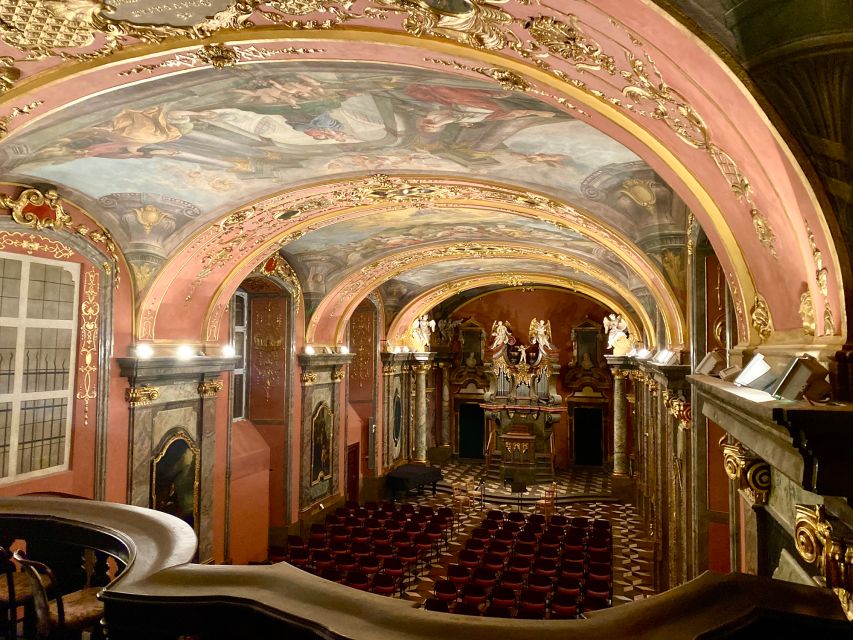
Even if you’re not a “classical every week” person, you can enjoy this concert because the program design does two things well: it mixes eras and it gives your ears recognizable milestones.
Here’s the vibe shift pattern you’ll hear across the hour:
- Early brightness and momentum: Mozart overtures and the theatrical energy of familiar openings.
- Baroque drama and texture: Vivaldi and Bach selections where the music feels “layered” even when you’re hearing it live without amplification.
- A solemn pulse: Mozart’s Requiem (Lacrimosa) is the kind of track that slows your breathing without feeling heavy.
- Big public favorites: Vltava and Beethoven’s Fifth. These are crowd-pleasers for a reason, and in this room they land with extra weight.
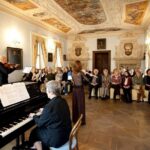
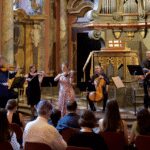
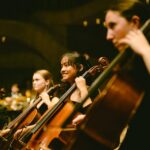
Also, you’re hearing all of this in a chamber setting—so the performers don’t feel distant. Even when they’re not right in your line of sight, you sense the ensemble working together.
Seating, Timing, and the Little Etiquette Things That Matter
This is one of those experiences where logistics affect enjoyment more than you’d think.
Arrive early for a better seat
Doors open 15 minutes before the concert starts. For the best seating within your price bracket, you’ll be glad you got there before the room fills. Several people highlighted how quickly it gets booked and how arrival timing can make a visible difference.
Also, there’s a practical reality: this is not a huge theater. Depending on where you sit, you might not get a perfect view of every performer, especially if the staging doesn’t place musicians in front of you all at once.
Where you sit can change your sightlines
I’d treat seating like a priority. In some sections, the musicians may be partly screened because the group sits in the chapel space rather than on a traditional stage. If you care about seeing hands on keys, the violin under the chin, or the organist’s position, get there early and choose a seat that matches your priorities.
Phones and side conversations are the real enemy
One repeated theme in real-world enjoyment is silence. If someone’s screen lights up, or if conversations spill over into the next room, the music gets harder to follow. If you want the full “living painting” feeling people describe, do your part: phone off, minimal movement once the concert begins.
Ticket Value: Is $34 Worth It?
At $34 per person, this concert is priced like a bargain compared to the cost of comparable “names and space” classical nights in major cities. What makes it feel like good value isn’t only the ticket price—it’s the mix of:
- a beautiful historic venue (not a generic hall),
- live performance without audio gimmicks,
- and a program built around recognizable classics.
You’re paying for focus. No long intermission, no wandering between sights. Just a tight hour where the musicians do the work and the building helps carry it.
It’s also cost-effective for a Prague evening. You’ll still have time afterward to explore the city center without feeling like you’re giving up your whole night to a formal event.
One small note: the event doesn’t include food or drinks, so plan accordingly if you tend to snack between activities.
How to Find the Mirror Chapel (and Not Stress)
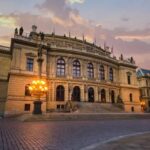
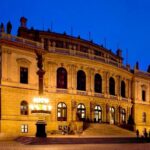
The meeting point is simple: show your ticket at the entrance of The Mirror Chapel. What’s not always simple is how quickly you’ll locate the doorway. Clementinum is a well-known landmark area, and the chapel can be a bit harder to spot at street level, sometimes tucked near side streets.
My practical advice:
- Give yourself extra time to walk and find the entrance.
- If you’re near the Clementinum area, use that name for navigation.
- Don’t show up at the last second. You’ll want a calm minute to settle in before the music starts.
Who This Concert Is Perfect For
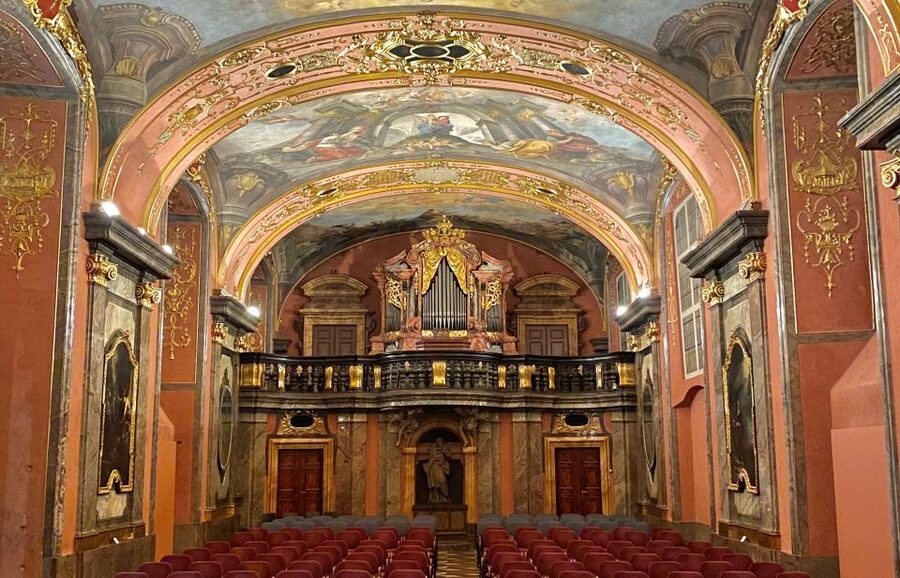
This works especially well if:
- you want a low-effort, high-reward Prague evening that doesn’t depend on a language barrier,
- you like big classical names but don’t want a long lecture or museum-style pacing,
- you’re curious about how Baroque spaces change how music sounds.
It’s also a good choice if you’re traveling with someone who loves music but you’re not sure you’ll have patience for a long concert. The hour length helps both types of listeners.
The one group to consider carefully: unaccompanied minors aren’t allowed, so if you’re traveling as a family, check your situation before booking.
Should You Book the Mirror Chapel Concert?
If you like classical music even a little, I think this is an easy yes. The combination of historic venue + live Royal Czech Orchestra + short format is what makes it feel worth your time in Prague. It’s also one of those experiences where the surroundings genuinely add to the sound, not just the photo moment.
Book it if you want:
- a focused evening plan,
- familiar classics,
- and a chance to hear soprano, organ, and violin in one hour without any fuss.
Skip it only if you strongly dislike crowded quiet spaces or you know you’ll have trouble with distractions. If you can arrive early, turn phones off, and settle in, you’re set up for one of the smoother, more memorable “Prague nights” you can build.
FAQ
How long is the concert?
The concert lasts 1 hour.
Where do I go to check in?
Show your ticket at the entrance of The Mirror Chapel.
When do the doors open?
Doors open 15 minutes before the concert starts.
Is there an official dress code?
There is no official dress code for this event.
Are unaccompanied minors allowed?
No, unaccompanied minors are not allowed.
What’s included in the ticket price?
Your ticket includes entry and a printed concert program. Food and drinks are not included.