REVIEW · PRAGUE
Prague: Mirror Chapel Classical Music Concert Ticket
Book on GetYourGuide →Operated by Prague Concert Agency s.r.o. · Bookable on GetYourGuide
Prague has a knack for turning a regular night into something you remember. This concert puts classical music in the Clementinum Mirror Chapel, where you get a front-row feel for famous works like Vivaldi and Mozart. I like how the program mixes big-name classics with real emotional power, all performed by top Czech musicians in a room built for sound.
Two things I especially like: the venue’s acoustics and the impressive lineup of soloists. Eva Müllerová brings the vocal moments, while Stanislav Gallin and Viktor Mazáček add star power on piano and violin. The second I’d think about most is how the variety holds your attention, from Vivaldi and Beethoven to Bizet’s Carmen touchpoints.
One practical consideration: the whole show is only 1 hour. If you love long-form concerts, you may wish it ran longer, especially after the first powerful piece hits.
In This Review
- Key highlights to look for
- Prague’s Clementinum Mirror Chapel: why the room matters as much as the music
- The Royal Czech Orchestra and the soloists you actually notice
- The program: from Vivaldi’s seasons to Mozart’s Requiem Lacrimosa
- Vivaldi’s The Four Seasons (Spring & Winter)
- Beethoven: Emperor Concerto (Adagio un poco mosso)
- Mozart: Requiem (Lacrimosa)
- Smetana: The Moldau (Vltava)
- Chopin: Nocturne No. 20 in C Sharp Minor (from The Pianist)
- Bach / Gounod: Ave Maria
- Bizet: Habanera from Carmen
- Dvořák: Slavonic Dance No. 8 (in G minor)
- Beethoven: Symphony No. 5 (Allegro con brio)
- How the 1-hour format plays out (and who will love it)
- Getting the best view: seat choice matters more here
- Price and value: is $34 worth it?
- What’s included, what’s not, and how to plan your evening
- Who should book this Prague mirror chapel concert ticket?
- Small practical tips that make the night smoother
- Should you book it? My honest take
- FAQ
- Where does the concert take place?
- How long is the concert?
- How much is the ticket?
- What is included in the ticket?
- What music will be performed?
- Who are the featured soloists?
- Are unaccompanied minors allowed?
Key highlights to look for
- Clementinum Mirror Chapel atmosphere with standout sound quality for live orchestral music
- Royal Czech Orchestra performance in a classic Prague setting you’ll want to see even before the music starts
- Soprano Eva Müllerová, plus piano soloist Stanislav Gallin and violin soloist Viktor Mazáček
- A program built for variety, from Vivaldi Four Seasons and Mozart Requiem to Chopin and Bizet
- A ticket that still works well even if you’re not in the very best section
Prague’s Clementinum Mirror Chapel: why the room matters as much as the music
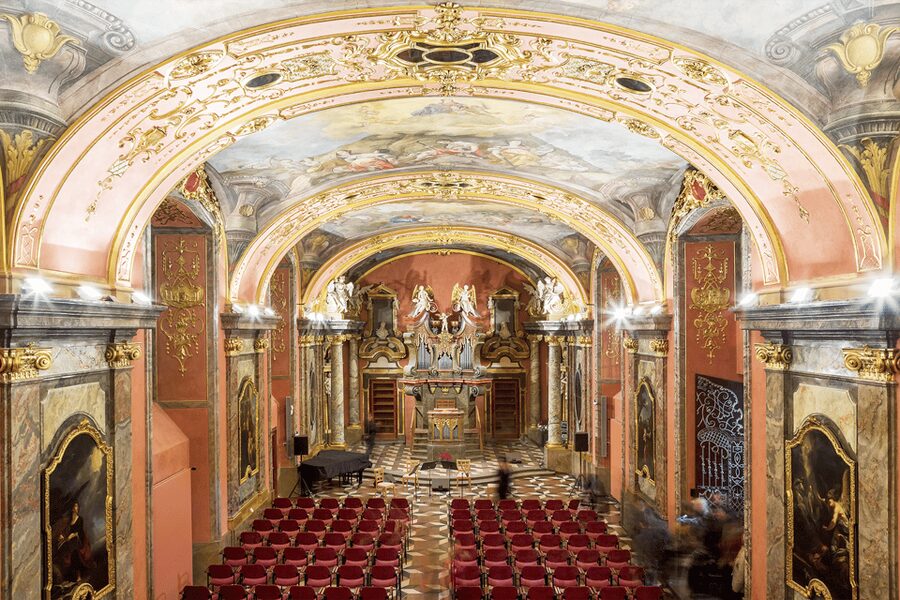
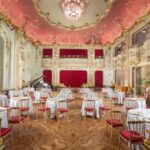
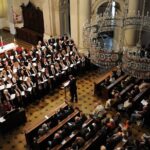
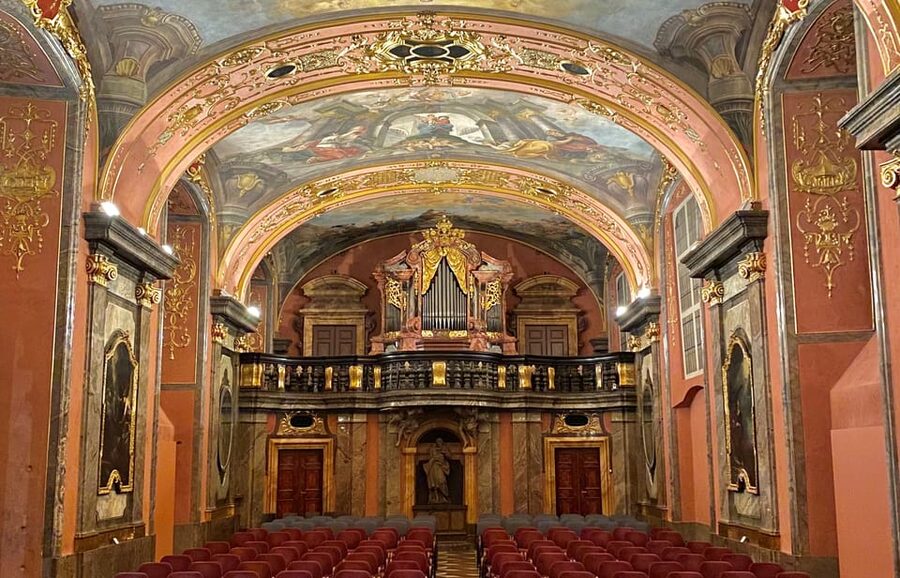
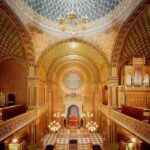
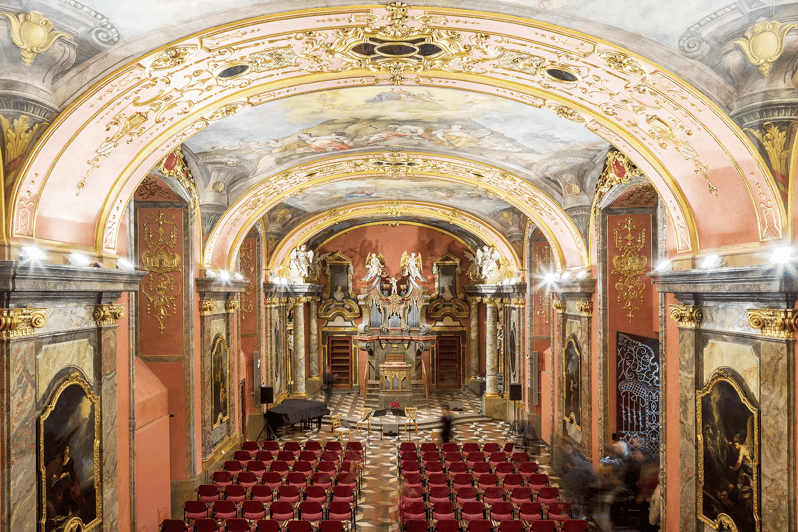
When you pick a classical concert in Prague, the building can make as much difference as the orchestra. Here, the setting is the Clementinum Mirror Chapel, and that matters because the sound is clear, close, and immediate. People talk about the acoustics as a major part of the magic, even when they don’t buy the very best seats. That tells me this isn’t one of those shows where you need perfect positioning to hear anything.
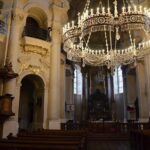
You also get the vibe of a historic chapel without the museum-stillness. It feels like a real performance space where music gets thrown forward—not swallowed. If you’ve ever sat through a concert where the instruments seem far away, this is the opposite: you’re in the middle of the sound.
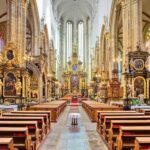
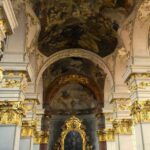
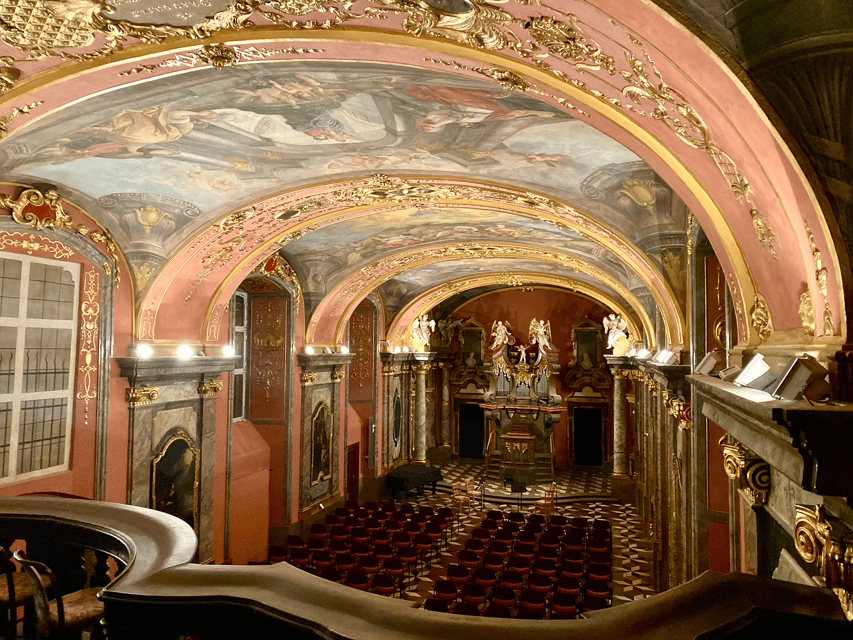
Then there’s the name itself: Mirror Chapel. Even if you don’t know the details of how the design affects the room, you can expect the visual experience to match the music—dramatic, reflective, and built for a sense of occasion. In a city full of churches, the Clementinum setting gives you a specific, memorable stage rather than just another interior.
You can also read our reviews of more tours and experiences in Prague.
The Royal Czech Orchestra and the soloists you actually notice
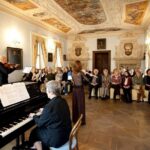
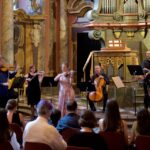
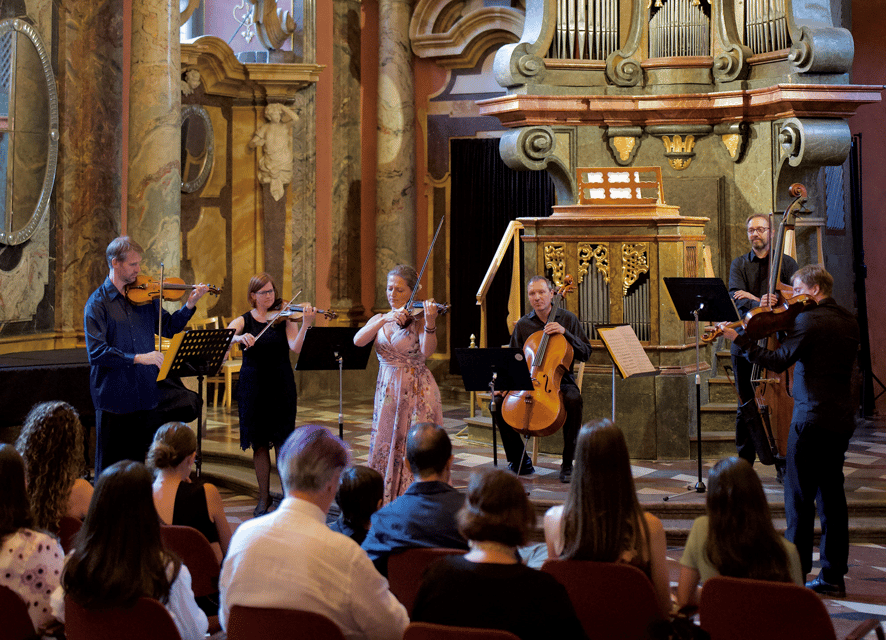
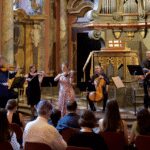
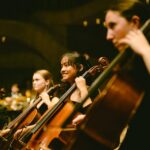
This concert isn’t just a “large ensemble” situation. You’ll feel the focus shift toward specific performers during the big moments. The evening features the Royal Czech Orchestra plus well-known Czech soloists who bring credibility and polish.
Here are the three names to latch onto, because each one anchors a different part of the program:
- Eva Müllerová (opera singer / soprano)
If you want vocal drama without losing clarity, she’s the reason those lyrical sections land. Her presence is a big reason the program feels emotionally wide-ranging, not just technically correct.
- Stanislav Gallin (piano soloist)
You get a rare piano moment in a classical-orchestra context. Gallin is described as a piano soloist from the Academy of Performing Arts in Prague, and also as a globally sought-after chamber and studio player. Translation: you’re not just listening to a pianist. You’re listening to someone who knows how to shape sound in a room like this.
- Viktor Mazáček (violin soloist)
Mazáček is part of the famous Czech Philharmonic Orchestra, and he specializes in Baroque music. That’s especially relevant because the program includes Vivaldi’s Four Seasons, where the violin role is front and center.
What I like about this setup is that it gives you multiple “entry points” into the concert. If you love vocal music, you’ve got Müllerová. If you’re drawn to piano, Gallin’s featured. If you care about how string playing brings Baroque character to life, Mazáček is the key.
The program: from Vivaldi’s seasons to Mozart’s Requiem Lacrimosa
One of the best signs of value in a short concert is how thoughtfully the program is built. This show walks you through several moods—sunlight, drama, tenderness, and intensity—without overstaying its welcome.
Here’s what you can expect, in the order you’ll hear it:
Vivaldi’s The Four Seasons (Spring & Winter)
This is the opener that works for both hardcore classical fans and first-timers. Spring and Winter are recognizable, vivid, and rhythm-driven. In a Baroque-style setting, the violin lines and orchestral color have a way of feeling physical—like you can sense motion even when you’re sitting still.
Beethoven: Emperor Concerto (Adagio un poco mosso)
You move from Baroque energy into Beethoven’s emotional weight. The Adagio portion is the kind of slow movement that rewards quiet listening. This is also where you’ll feel how the venue handles softer dynamics and how well the musicians shape phrasing.
Mozart: Requiem (Lacrimosa)
The Lacrimosa part of Mozart’s Requiem is famous for a reason. It carries a serious, haunting mood, and it tends to make audiences listen differently—more focused, less chatty, more attentive to expression.
Smetana: The Moldau (Vltava)
This is where Czech musical identity shows up clearly. Vltava has that flowing, narrative feel that makes it accessible even if you don’t know much classical music. It’s a strong bridge between the sacred weight of Mozart and the lighter, recognizable touches later.
Chopin: Nocturne No. 20 in C Sharp Minor (from The Pianist)
This track is an instant emotional hook if you’ve seen The Pianist. It’s not just a movie association—it’s a real, beautiful piece that lands well in a concert setting because it’s intimate by nature. In this chapel-style setting, the piano moments can feel especially personal.
Bach / Gounod: Ave Maria
This is a beloved choice because it blends reverence with singable warmth. You’ll likely recognize the melody even if you don’t know the names behind it.
Bizet: Habanera from Carmen
Then you get a spicy curveball: Bizet’s Habanera. It’s dramatic, rhythmic, and theatrical. It can feel like a conversation with the room—short, memorable, and packed with character.
Dvořák: Slavonic Dance No. 8 (in G minor)
This is pure energy. Dvořák’s dance writing has bounce, and it gives the orchestra room to show off ensemble snap. It also works as a crowd-friendly moment without turning the concert into something cheesy.
Beethoven: Symphony No. 5 (Allegro con brio)
Ending with Beethoven’s Fifth is the kind of choice that gives you a final “big signal.” The opening movement is famously rhythmic and bold, so it’s a natural closer for a concert that’s designed to leave you buzzing.
How the 1-hour format plays out (and who will love it)
A 1-hour concert can sound short—until you think about what it’s actually doing. It concentrates your attention. You don’t have time to tune out. You get a clean arc: Baroque-to-Classical evolution, then Czech color, then a mix of recognizable melodic hits, then a strong Beethoven closer.
But here’s the catch: if you’re the kind of person who wants long, multi-movement performances that let each theme unfold slowly across an entire evening, this show may feel like you blinked and it was over. Some audience members have wished for more time, and I get that.
Still, for many people, short is a feature. It’s a great fit for:
- a first-time classical concert experience
- a couple planning an easy evening without committing to a 2–3 hour block
- anyone who wants a high-impact cultural stop that doesn’t hijack the rest of their day
Getting the best view: seat choice matters more here
With smaller concert spaces, seating can make or break the feeling. Here, people strongly recommend grabbing the front rows if you can. The reason is simple: the musicians play at a level that feels connected to the listener, not like you’re watching from a distant stage.
You don’t have to spend a fortune to hear well. Even with a category that isn’t the top tier, the sound is described as amazing, which suggests this venue is forgiving. But if your goal is closeness—seeing facial expression, bow detail, and piano technique more clearly—then aim for the best section you can.
Also, use a practical timing tip. Plan to arrive 40–50 minutes early if you want the smoothest entry and the best chance at your preferred rows. This concert is compact, so being late doesn’t just cost you comfort—it can cost you the seat position that gives the whole experience its intimacy.
Price and value: is $34 worth it?
At $34 per person for a 1-hour concert with the Royal Czech Orchestra, soloists, and a printed program, this is priced like a serious cultural event, not a bargain-basement “background music” show. The value comes from three things:
- Quality performers and recognizable repertoire
You’re not only getting famous pieces (Vivaldi, Beethoven, Mozart, Chopin, Bizet). You’re also getting Czech works like Smetana and Dvořák, which makes the program feel more than generic tourism.
- A setting that turns listening into an experience
The Clementinum Mirror Chapel is repeatedly praised for its acoustics and atmosphere. That’s not a small detail. In a good concert hall, you hear more music with less effort from your brain.
- No extras required
Your ticket includes entry and a printed program. Food and drinks aren’t included, so you avoid that kind of inflated add-on cost. It’s a straightforward purchase: music first.
If you want a single evening that checks the box for “authentic, classical Prague” without signing up for a long formal tour, this ticket makes a lot of sense.
What’s included, what’s not, and how to plan your evening
You’ll want to plan around the fact that this is a concert-only experience. Here’s the practical breakdown:
Included:
- entry ticket
- printed concert program
Not included:
- transportation
- food and drinks
Meeting point:
- show your ticket at the entrance of The Mirror Chapel
That means you should think about your timing like a local. Do your sightseeing earlier, then treat the concert as the main event. If you need a meal, eat before you go (or grab something nearby on your schedule). The music doesn’t care if you’re hungry, and neither will your attention span.
Who should book this Prague mirror chapel concert ticket?
This is a smart booking if you fit one of these patterns:
- You want a classic program with both famous names and Czech flavor.
- You like hearing orchestral music in a space where sound is clear and close.
- You’re going to Prague for a mix of history and culture and want one evening that feels genuinely “in the moment.”
- You’re interested in Baroque violin character and piano-led moments.
It’s less ideal if you:
- need a long evening of music (the 1 hour limit is real)
- are traveling with unaccompanied minors, since unaccompanied minors aren’t allowed
Small practical tips that make the night smoother
These are the kinds of details that help you enjoy the concert instead of managing it:
- If you care about sitting close, arrive early (40–50 minutes before works well).
- Choose seats based on the feeling you want: closer is more intimate, but sound quality is praised even in other categories.
- Bring your full attention—this program includes quiet, serious passages like Requiem and a recognizable piano work tied to The Pianist.
- Wear comfortable shoes. You’ll likely want to walk through the Clementinum area first, then settle in.
Should you book it? My honest take
Book this if you want a concentrated dose of Prague classical culture in a real performance setting with top Czech musicians. The venue’s acoustics and the strong soloist lineup make the experience feel substantial for $34, and the program is built to keep different kinds of listeners engaged.
Skip it only if you’re chasing a long, slow, multi-hour concert evening, or if you need the event to fit a family plan that involves unaccompanied minors.
If you’re trying to choose between an extra museum stop and a live concert, I’d pick the concert here. It’s one of the easiest ways to make your Prague night feel special.
FAQ
Where does the concert take place?
It takes place at The Mirror Chapel in the Clementinum in Prague.
How long is the concert?
The concert lasts 1 hour.
How much is the ticket?
The price is $34 per person.
What is included in the ticket?
The ticket includes entry and a printed concert program.
What music will be performed?
The program includes works such as Vivaldi’s The Four Seasons, Beethoven’s Emperor Concerto (Adagio un poco mosso), Mozart’s Requiem (Lacrimosa), Smetana’s The Moldau (Vltava), Chopin’s Nocturne No. 20, Bizet’s Habanera from Carmen, Dvořák’s Slavonic Dance No. 8, and Beethoven’s Symphony No. 5 (Allegro con brio), plus Ave Maria (Bach/Gounod).
Who are the featured soloists?
The soprano is Eva Müllerová. The piano soloist is Stanislav Gallin, and the violin soloist is Viktor Mazáček.
Are unaccompanied minors allowed?
No. Unaccompanied minors are not allowed.