REVIEW · PRAGUE
Concert in the Rudolfinum – MOZART, VIVALDI, SMETANA
Book on GetYourGuide →Operated by Mgr. Silvie Tycová · Bookable on GetYourGuide
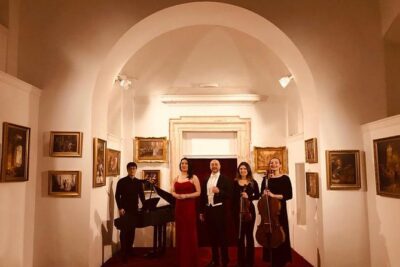
A concert in Prague you can actually hear. That’s the appeal here: music by the Parnas Ensemble in the historic Rudolfinum, performed in the Suki Hall setup rather than a huge stage-and-echo arena. You’ll get a tight, 65-minute program packed with big recognizable names, plus the feel of a small group show where you notice details.
I like two things right away. First, the setting: the Rudolfinum complex is historic, and the Suki Hall is described as pleasantly warm—comfortable enough that the evening feels easy, not stiff or exhausting. Second, the repertoire does a smart job of mixing crowd-pleasers with tone-poems and dances, including Smetana’s Vltava (Moldau) performed in Prague, plus classics like Mozart and a selection from Vivaldi’s Four Seasons.
One thing to consider: this is an ensemble concert, not a large orchestra concert. If you’re expecting a big, grand, full-size orchestra night with unfamiliar specialist works, you might find the program leans toward well-known pieces rather than music written specifically for this exact group.
In This Review
- Key things to know before you go
- Inside the Rudolfinum: why this feels different than a big hall show
- Parnas Ensemble’s style: light classical with real momentum
- The 65-minute program: what you’ll actually hear
- Vivaldi to set the rhythm: The Four Seasons selection
- Bizet’s Carmen through an ensemble lens: Suite from Carmen
- Debussy’s calm moment: Clair de lune (Moonlight)
- Ravel’s build: Bolero
- Smetana’s centerpiece for Prague: Vltava (Moldau)
- Strauss for levity: Pizzicato Polka
- Mozart as elegance: A Little Night Music
- A prayer moment: Ave Maria
- Bach’s clarity: Air
- A Nutcracker favorite: Waltz of the Flowers
- Dvořák to close the romantic thread: Largo from the New World Symphony
- Wrap-up with Slavonic Dance
- Your seat and your listening experience: how the format affects the night
- Value check: is $65 worth a 65-minute ensemble concert?
- Who this concert is best for (and who should rethink it)
- The human touch: how the night is run
- Should you book Concert in the Rudolfinum (MOZART, VIVALDI, SMETANA)?
- FAQ
- Where does the concert take place in Rudolfinum?
- How long is the concert?
- Who performs?
- What pieces are included in the program?
- Is there assigned seating?
- What’s the price?
- Can I cancel and get a refund?
- Is pay-later available?
Key things to know before you go
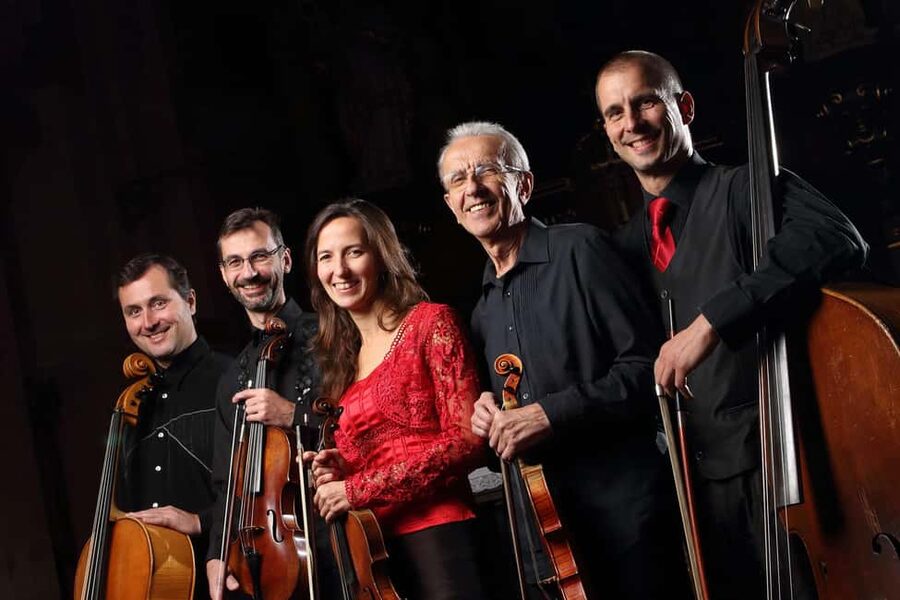
- Suki Hall at the Rudolfinum: an intimate side-hall feel, designed for listening close up
- Parnas Ensemble: light classical focus, with a track record that includes prestigious events like the NATO Summit in Prague (2002)
- A 65-minute program that moves quickly through tonal moods—baroque to romantic to Viennese dance
- Prague-native highlight: Smetana’s Vltava (Moldau) lands with extra meaning when you’re already in the city
- Dress is casual-flexible: at least one recent crowd included everything from formalwear to shorts and flip flops
Inside the Rudolfinum: why this feels different than a big hall show
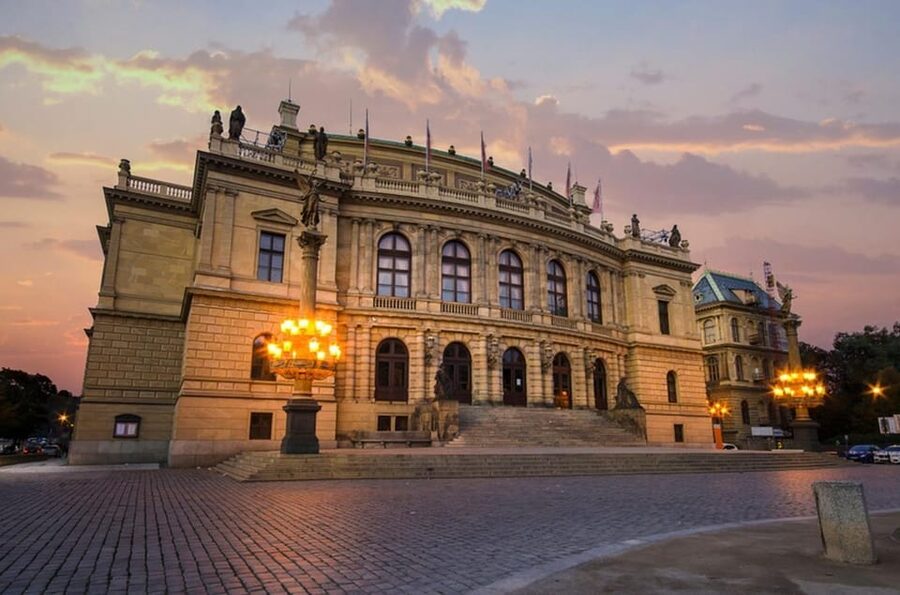
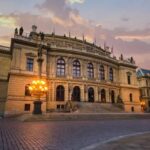
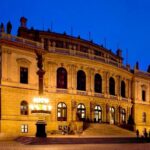
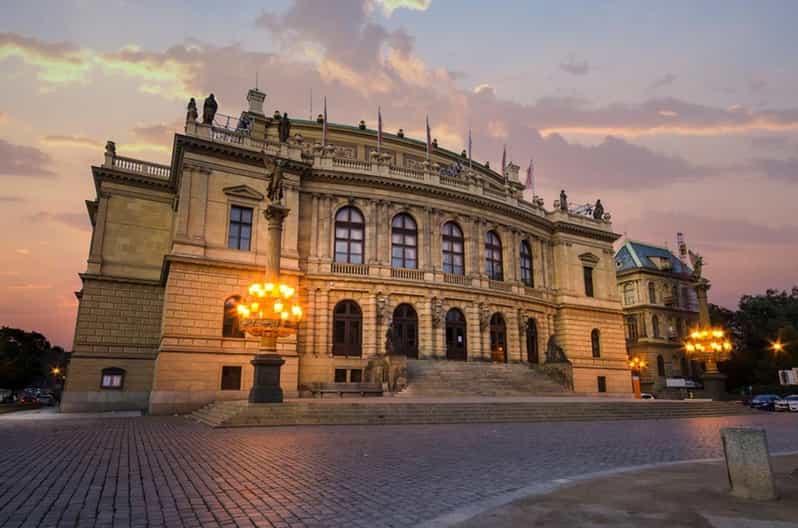
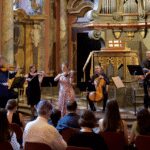
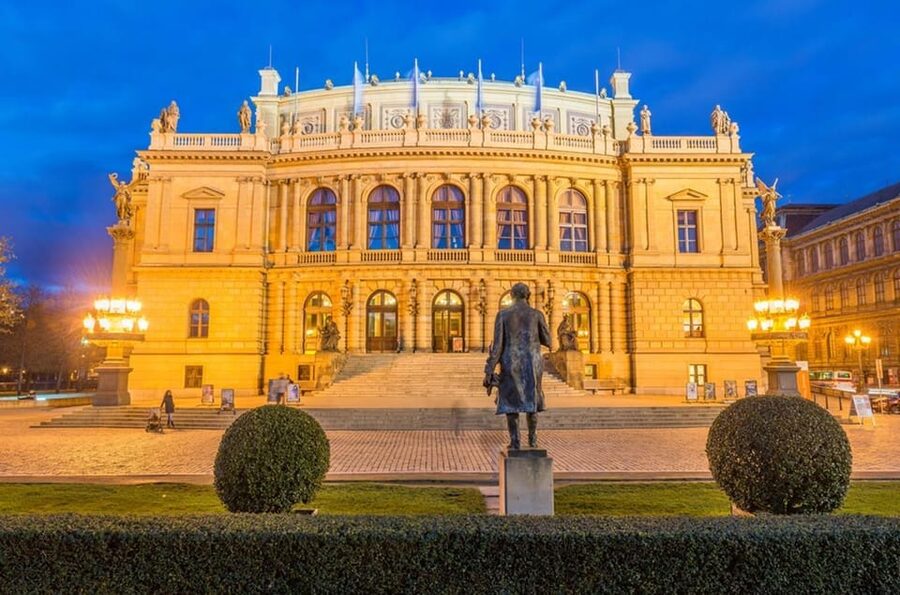
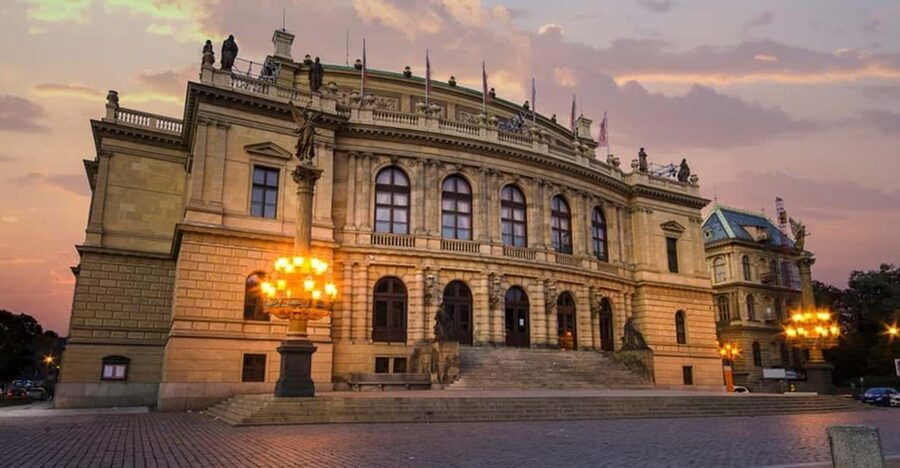
Rudolfinum is one of those Prague landmarks you remember after one look. But what matters for your evening isn’t just the building. It’s the fact that you’re in the Suki Hall, with dedicated seating and an ensemble configuration that keeps the music close.
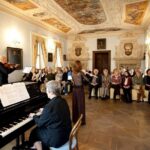
In practical terms, that means you’re less likely to feel like the sound is bouncing over your head. With smaller forces, you tend to catch phrasing and transitions more clearly. It’s also just less physically “event-y” than many concert halls—no marathon of changing atmospheres, no waiting for a huge ensemble to assemble. The program runs about 65 minutes, so you stay in the musical story without getting that late-evening brain fog.
And yes, the hall is described as pleasantly warm, which might sound minor until you’ve sat through a cold Czech winter concert. Comfortable seating makes it easier to listen instead of coping.
You can also read our reviews of more tours and experiences in Prague.
Parnas Ensemble’s style: light classical with real momentum
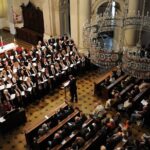
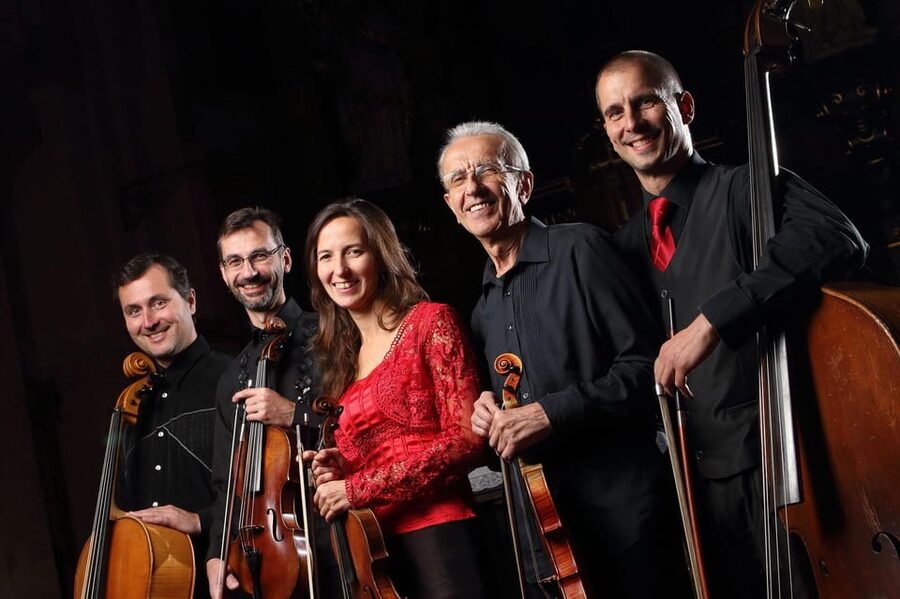
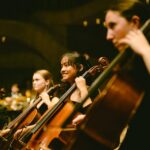
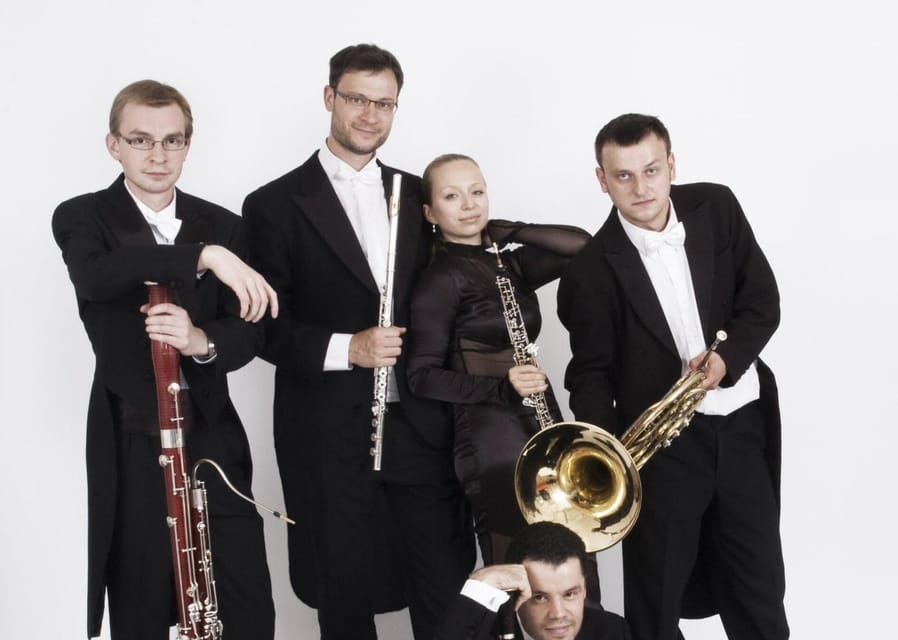
The performers are the Parnas Ensemble, described as internationally renowned and specialized in light classical music. That label can be misleading if you’ve only associated light music with background listening. Here, it’s more about programming choices: accessible melodies, clear textures, and pieces that flow well as a set.
You’ll also notice the ensemble approach in how the program is built. Instead of treating every composer like a separate, stand-alone presentation, the night moves by mood and rhythm. You get baroque energy and elegant lyricism, then turn toward romantic color, then end with something bouncy enough to leave you smiling.
There’s also a sense of professionalism and personality. One recent performance had no dull moments, and the evening reportedly included a strong finale plus an encore (Zugabe). That matters because with ensemble concerts, the performers’ energy has nowhere to hide. You either feel it—or you don’t.
The 65-minute program: what you’ll actually hear
This is a sequence of well-chosen pieces, and it’s worth knowing what each one tends to do for your listening mood. Here’s the lineup, in order, and how I’d expect it to feel as a single evening arc:
Vivaldi to set the rhythm: The Four Seasons selection
It starts with a selection from A. Vivaldi’s The Four Seasons. Even if you don’t know every detail, the music is famous for its motion—ideas that feel like seasons changing in real time. For a first piece, it’s a practical choice: it gets everyone’s attention fast and gives the ensemble a chance to show crisp articulation.
Bizet’s Carmen through an ensemble lens: Suite from Carmen
Next is G. Bizet’s Suite from Carmen. This is where you often hear dance and drama side by side. With an ensemble, the charm is that you can hear how themes pass between players rather than being swallowed by a large orchestral wall.



Debussy’s calm moment: Clair de lune (Moonlight)
Then comes C. Debussy’s Clair de lune (Moonlight). This is a different tempo of listening—more atmosphere, more fine control. If you like being swept into mood rather than just following fast melodies, this is the piece that usually lets people sit back and actually breathe.
Ravel’s build: Bolero
After that, M. Ravel’s Bolero brings back the “keep listening” effect. Bolero’s power is in repetition with gradual change. In an intimate setting, it can feel almost architectural: you track the evolution because the texture is never too far from you.
Smetana’s centerpiece for Prague: Vltava (Moldau)
The program includes B. Smetana’s Vltava (Moldau). This one is a big deal in Prague, not just musically. It’s one of the reasons this repertoire gets booked again and again: it turns the city’s geography into sound. If you’re already walking around Prague that night (or earlier), this piece can connect the streets to the music in your head.
Strauss for levity: Pizzicato Polka
Then you shift into something more playful with J. Strauss’s Pizzicato Polka. The tone is lighter, the beat is clearer, and it’s a good “wake up your shoulders” reset before the Mozart section.
Mozart as elegance: A Little Night Music
Next is W. A. Mozart’s A Little Night Music. This is the classical version of a clean shirt: tidy, elegant, and easy to enjoy even if you’re not a hardcore classical fan. In an ensemble context, Mozart can sound especially transparent—less fog, more line.
A prayer moment: Ave Maria
After Mozart, F. Schubert’s Ave Maria slows things toward reflection. It’s a known emotional stop on the road. If you like your concert moments to have contrast—bright, then tender—this is one of the pivots.
Bach’s clarity: Air
Then J. S. Bach’s Air. Bach often works beautifully in ensemble settings because the music rewards attention to balance. The Air tends to feel controlled and singing.
A Nutcracker favorite: Waltz of the Flowers
Next is P. I. Tchaikovsky’s Waltz of the Flowers from The Nutcracker. Even if you only know it from childhood or movies, it has that immediate “Oh, yes, I know this” effect. This is a smart programming move: it keeps the audience feeling included without making the evening childish.
Dvořák to close the romantic thread: Largo from the New World Symphony
Then A. Dvořák’s Largo from the New World Symphony. It’s slower and heavier in feeling than some of the earlier dances and suites. In a 65-minute concert, it’s a way to add gravity without dragging the pace.
Wrap-up with Slavonic Dance
Finally, you’ll hear Slavonic Dance (presented in the program as such). This ending helps tie back toward rhythmic energy and lift. The reported strong finale and encore on one recent night fits this kind of closing choice: the audience often leaves wanting a little extra.
Your seat and your listening experience: how the format affects the night
You’re seated on a dedicated seat, which matters. With ensemble concerts, sightlines and proximity can change how you enjoy the music more than you’d expect. In a small hall, you’re close enough that you may notice bowing, breath, and the tiny timing moments that keep transitions alive.
You’ll also likely experience the audience as mixed. One recent comment mentioned people dressed up next to people in shorts and flip flops. That doesn’t mean the show is sloppy; it means the atmosphere is relaxed. So you can dress for comfort, but you’ll still look good if you go a step more polished—think smart casual.
If you care about hearing details, arrive with enough time to get oriented before the music starts. The meeting point is Suki hall entrance on the left side of the Rudolfinum, so don’t plan to wander once you’re late.
Value check: is $65 worth a 65-minute ensemble concert?
At $65 per person for about 65 minutes, the value depends on what you want from a Prague concert.
If you want the biggest possible orchestra sound, you may feel the price is high for an ensemble. That’s the main critique echoed in at least one recent review: it wasn’t in the large hall, and it’s not a full orchestra, and some people prefer more ensemble-specific repertoire rather than the most familiar orchestral favorites.
But if your goal is a high-quality, listenable evening with clear music, this can be a good deal. You’re paying for:
- a historic venue you can enjoy comfortably (warm hall, intimate setting)
- a professional group performing well-known works
- a program length that makes it realistic to fit into an evening without committing to a long concert block
Also, the ensemble format is part of the value. You’re not just buying a ticket to a name; you’re buying proximity to musicians and an approachable program built for real-time enjoyment. If that sounds like your style, $65 doesn’t look as steep.
One more practical angle: the reviews highlight that this kind of concert works well even for classical beginners. So if you’re going with friends who don’t obsess over composers, you’re still likely to have an enjoyable evening.
Who this concert is best for (and who should rethink it)
This concert fits best if you:
- want intimate classical listening rather than a massive orchestra spectacle
- like recognizable music but still want performance quality
- enjoy a balanced emotional mix—light classical, lyric slow pieces, and lively endings
- plan a night out in Prague and want something cultural without going long
It might be a weaker match if you:
- came expecting a full-scale orchestra in the main hall
- specifically want works written for this ensemble rather than famous orchestrations
- dislike classical programs heavy on well-known crowd-pleasers
A note for groups: if you’re choosing between different kinds of classical evenings, this one can be a great compromise between people who love orchestral hits and people who want something more personal and less intimidating.
The human touch: how the night is run
One thing I appreciate when choosing a concert is how smoothly the atmosphere is handled. The provided information lists a contact person: Mgr. Silvie Tycová. And in recent feedback, the surrounding service was described as polite and pleasant, which matters because it affects your stress level before the first note.
If you like a calm start, you’ll probably feel comfortable here: dedicated seating, a clear entrance at Suki hall, and a tight 65-minute timeline that doesn’t make you guess about what’s coming next.
Should you book Concert in the Rudolfinum (MOZART, VIVALDI, SMETANA)?
Book it if you want an evening in Prague where the music stays close, the hall is comfortable, and the program gives you strong, recognizable classical moments—especially Vltava (Moldau) in the Rudolfinum setting. At $65 for 65 minutes, it’s a fair value when you’re here for the experience and listening quality rather than only for a full orchestra size.
Skip it (or adjust your expectations) if you’re chasing a big, main-hall orchestral event or if you strongly prefer lesser-known pieces designed specifically for a small ensemble. In other words: this is a friendly classical night, not a niche music seminar.
If your group includes classical newcomers, you’ll likely feel more relaxed here than at a more formal, intimidating concert.
FAQ
Where does the concert take place in Rudolfinum?
The concert is held in Suki Hall at the Rudolfinum. The meeting point is the Suki Hall entrance on the left side of the Rudolfinum.
How long is the concert?
The concert lasts about 65 minutes.
Who performs?
It’s performed by the Parnas Ensemble.
What pieces are included in the program?
The program includes Vivaldi (a selection from The Four Seasons), Bizet (Suite from Carmen), Debussy (Clair de lune), Ravel (Bolero), Smetana (Vltava/Moldau), Strauss (Pizzicato Polka), Mozart (A Little Night Music), Schubert (Ave Maria), Bach (Air), Tchaikovsky (Waltz of the Flowers from The Nutcracker), Dvořák (Largo from the New World Symphony), and Slavonic Dance.
Is there assigned seating?
Yes. You get tickets for a concert on a dedicated seat.
What’s the price?
The price is $65 per person.
Can I cancel and get a refund?
Yes. You can cancel up to 24 hours in advance for a full refund.
Is pay-later available?
Yes. You can reserve now & pay later, keeping travel plans flexible.