REVIEW · ROME
Musical masterpieces: The best of the Baroque concert
Book on Viator →Operated by Treasures of Rome · Bookable on Viator
Baroque music lands differently in Rome’s churches. I love the live organ sound in a church built for resonance, and I also love hearing a countertenor bring Baroque lines to life with real color and control. It’s an evening that feels made for art lovers, even if you don’t read music.
The setting is Santa Maria dell’Anima, and the whole experience is presented in English, so you can follow the program without guessing. The one possible drawback is simple: it’s about one hour, so it’s not a long, slow “evening event,” even though the atmosphere lingers.
In This Review
- Key Points at a Glance
- Why This Baroque Concert Works So Well in Rome
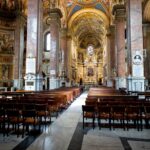
- Santa Maria dell’Anima: The Church You Hear as Much as You See
- Organ Power Meets Countertenor Texture
- What You’ll Hear: A Baroque Program From Several Major Masters
- The Performer Level: Precision Plus Atmosphere
- Timing: How to Pair This One-Hour Concert With Rome Sightseeing
- Small Group Comfort and Why It Matters
- Who This Baroque Concert Is For
- A Few Practical Tips Before You Go
- Should You Book This Baroque Concert in Rome?
- FAQ
- Where does the concert take place?
- How long is the experience?
- Is the concert performed in English?
- Do I need to bring a ticket printed on paper?
- What is included in the ticket?
- What performers and instruments will I see?
- Which composers are included in the program?
- How large is the group?
- Is there free cancellation?
- Is it easy to reach the venue?
Key Points at a Glance
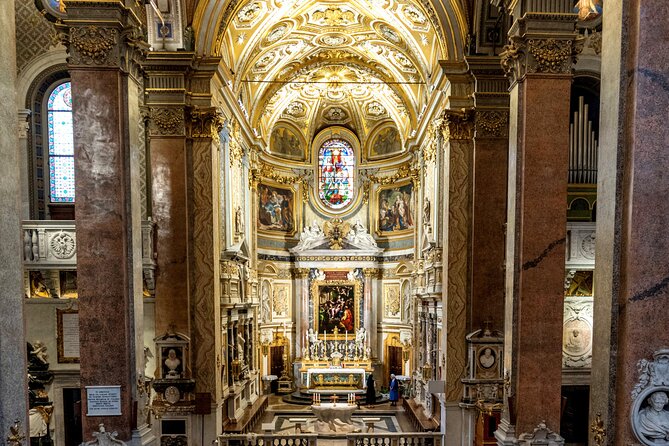
- A live organ plus a rare countertenor voice for a very Baroque sound
- Santa Maria dell’Anima’s interiors make every note feel part of the space
- A tightly programmed mix of Handel, Vivaldi, Bach, Pergolesi, Böhm, and more
- English-language delivery so you can track the flow of the works
- Small group size (up to 50) for a calmer concert atmosphere
- One-hour length that fits neatly into an evening of Rome sightseeing
Why This Baroque Concert Works So Well in Rome
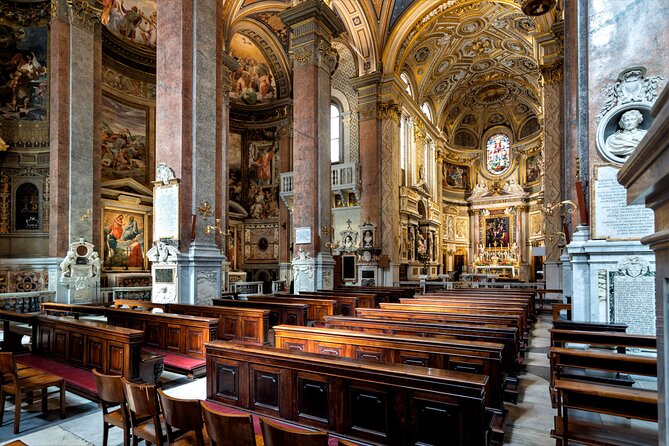
Rome can be loud: scooters, tour groups, traffic at rush hour. Then you step inside Santa Maria dell’Anima and the mood changes fast. You’re in a Baroque church where the architecture does part of the job for the musicians, shaping the sound as it carries.
What I like most is how direct the experience feels. This isn’t a museum talk. It’s music performed live by top-level artists, with the organ doing what organs do best: filling a room with sustained glow and then suddenly getting sharp, playful, or solemn, depending on the piece.
The other big win is the pairing of organ and countertenor. A lot of classical concerts give you one main sound; here you get two. The organ can be the foundation, while the countertenor adds that slightly otherworldly human line you usually only hear when you go looking for it.
You can also read our reviews of more tours and experiences in Rome.

Santa Maria dell’Anima: The Church You Hear as Much as You See
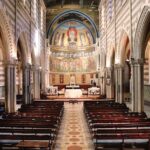
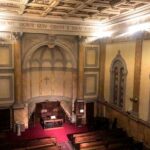
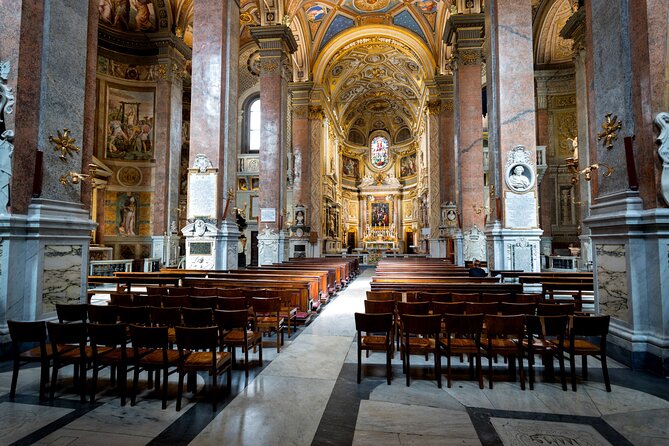
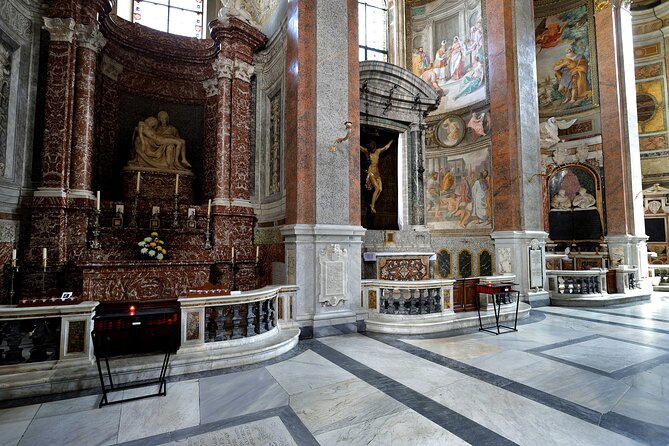
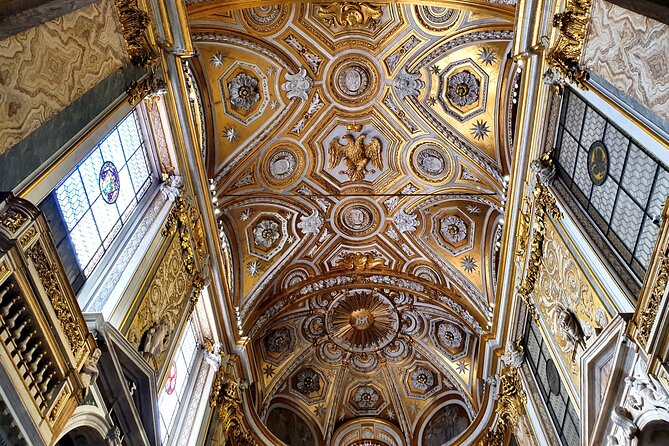
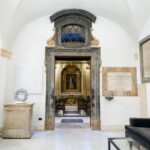
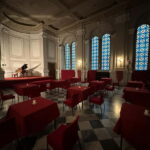
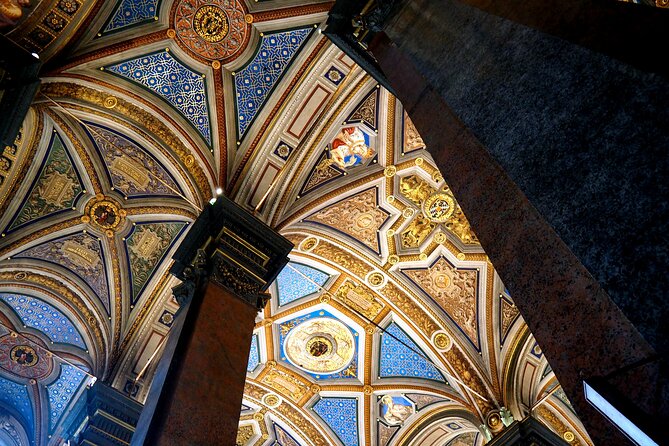
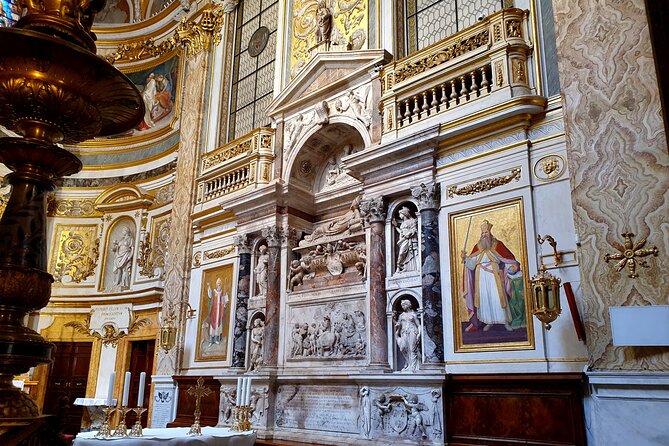
You’ll be focused on the stage, yes, but don’t miss the room. Santa Maria dell’Anima is the kind of church where the details don’t feel like decoration. They feel like they belong to the performance—corners, curves, and surfaces that make voices and notes behave differently than they would in a plain hall.
From what I’ve gathered, the atmosphere is part of the thrill: people describe it as surreal and like being in earlier times. That tracks. When the church is right, Baroque music doesn’t feel like a historic exhibit. It feels like something happening now, in a space that was built to make this kind of sound make sense.
If you’re the type who enjoys art and architecture, this stop alone earns its place. Even if Baroque isn’t your go-to genre, the church setting gives you a strong reason to pay attention. The building becomes a kind of silent partner.
One practical note: churches can ask a bit of patience. You’re likely to sit and listen for the full program, so plan your energy for a quiet hour rather than a sprint through crowds.
Organ Power Meets Countertenor Texture
The headliner feel here comes from the combination of a live organ and a countertenor. The organ isn’t just background music; it’s a full voice in the show. It can sustain notes like light on stone, and it can also move quickly through patterns that feel engineered for Baroque style.
The countertenor brings a different kind of magic. That voice type can be rare in everyday life, so even if you’ve heard classical singing before, you may find yourself leaning in. In the feedback from past attendees, people repeatedly highlight the countertenor as exceptional, and that matches what you’d expect from a performer working at this level.
There’s also something satisfying about the balance. The countertenor isn’t competing with the organ in volume; instead, the two blend in a way that makes the harmony feel intentional. When it works (and it usually does with strong performers), you stop thinking about technique and start thinking about mood.
What You’ll Hear: A Baroque Program From Several Major Masters
The program draws from composers that anchor the Baroque era. Expect works by Handel, Vivaldi, Bach, Pergolesi, Böhm, and more. That mix matters because it prevents the concert from sounding like one long stylistic repeat.
Here’s how you can think about it while you’re listening:
- Handel often brings bold contrasts and music that feels designed for an audience to react to.
- Vivaldi tends to bring energy and motion, and you may notice how rhythm stays lively even when the melody turns delicate.
- Bach is all about structure, counterpoint, and the feeling that lines fit together like a well-made machine.
- Pergolesi can feel intimate and expressive, which is perfect for a church where the voice carries close.
- Böhm often sounds close to the organ heart of Baroque writing, so it’s a strong match for the live instrument.
You don’t need a music degree to enjoy this. The best way to listen is simple: pick one element at a time. First, listen for how the organ hands off musical ideas. Then, listen for when the countertenor enters and how the vocal line changes the atmosphere.
Past attendees also mention that the program feels interesting and not generic. That’s what you want: a set list that stays engaging rather than just listing famous names.
The Performer Level: Precision Plus Atmosphere
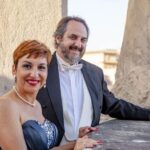
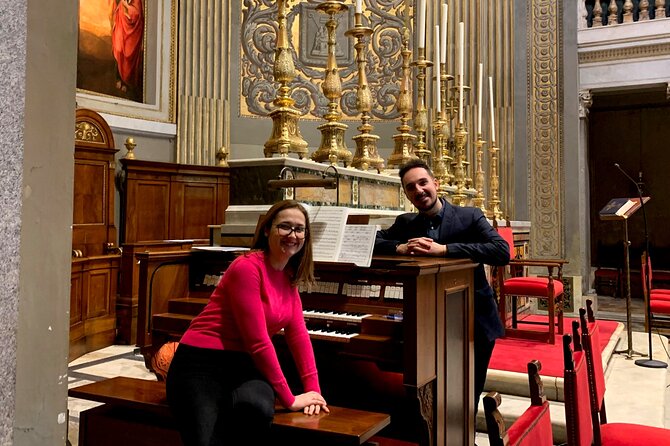
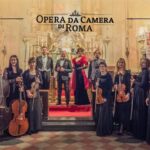
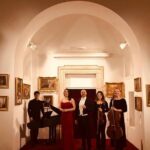
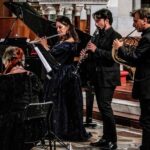
This concert is performed by artists connected with the Papal Sistine Chapel Choir, including the organist and countertenor. That matters because it usually signals musical discipline, not just a nice voice.
From the descriptions people share, the duo comes across as highly professional—people repeatedly mention both performers being very professional. I take that as a sign that the pacing is right: entrances land cleanly, the organ registrations support the music, and the countertenor delivers with confidence instead of forcing volume.
Another detail you’ll likely appreciate is how the church makes performance quality audible. In a great room, you hear clarity. In a mediocre one, everything becomes mushy and loud. With the right acoustics and careful musicianship, you get something else: the feeling that every phrase has shape.
And because it’s not a huge production, you stay connected to the essentials: voice, organ, and the space they share.
Timing: How to Pair This One-Hour Concert With Rome Sightseeing
This is an evening concert that fits neatly around a day of seeing the city. I like experiences that don’t steal your whole schedule, and this one is built for that.
Here’s a practical way to plan it:
- If you’ve been walking all day, use the concert as a reset. Sit down, let your ears lead for an hour.
- If you still want to see things after, remember that you’ll likely leave in the evening with less daylight, so keep your post-concert plans simple.
Because the duration is about one hour, you can time it as a capstone to a full sightseeing day. It’s also a good option if you want something cultural without committing to a long dinner-and-show night.
If you’re trying to squeeze Rome into one trip, this can be a smart choice. One good concert in a great setting often beats two mediocre ones that break up your schedule.
Small Group Comfort and Why It Matters
The group size caps at 50 travelers. That’s not huge, but it can change your comfort level compared with more crowded events. With a smaller setting, you’re less likely to feel like you’re fighting for a view or squeezed into awkward space.
Another plus: the concert is near public transportation. Rome isn’t hard to navigate, but the “last mile” can be annoying. If you’re coming from elsewhere in the center, it’s easier to make it on time when you’re not dependent on taxis or long walks.
Also, this is offered in English, so you can focus on the music rather than scanning for translations or subtitles. Language clarity doesn’t automatically make a concert better, but it does keep you from mentally checking out.
Who This Baroque Concert Is For
This is ideal if you meet any of these profiles:
- You love classical music and want something more specific than a generic “big hits” program.
- You’re curious about the countertenor voice and want to hear it in a real performance setting.
- You enjoy church interiors and want to see Rome’s Baroque side from the inside out.
- You want a cultural evening that’s short enough to feel manageable.
It’s also a good fit for art-minded visitors who don’t necessarily chase every opera or symphony. Baroque music plus a Baroque church is a satisfying combo. Even if your listening knowledge is basic, the atmosphere and live organ do a lot of teaching without being preachy.
A Few Practical Tips Before You Go
Keep it simple and you’ll enjoy it more.
First, treat this as a listening experience, not a sightseeing stop in disguise. Arrive with the mindset that you’re here to sit still and hear.
Second, use your phone for the mobile ticket. If you’re traveling light, make sure your phone is charged and your screen isn’t hiding from you at the entrance. Mobile tickets work best when you can show them quickly.
Third, plan for public transport. Since the venue is near transit, you can give yourself a small buffer and avoid last-minute stress.
Finally, bring your curiosity. Even if you don’t know Handel from Böhm, you can still follow the emotion: contrast, energy, and the way vocal and organ lines trade ideas.
Should You Book This Baroque Concert in Rome?
I’d recommend booking it if you want a short, high-quality evening with strong musical performances and a church setting that actually supports the art. The big selling points are the live organ, the countertenor, and the fact that you get a focused one-hour program rather than a long, uncertain night.
You might skip it only if you’re specifically looking for a longer concert format, a full choir experience, or a multi-stop tour with lots of walking and explanations. This is concentrated and music-forward. That’s the point.
If you’re in Rome and you like the idea of hearing Baroque music where it belongs, this is the kind of evening that leaves you smiling on the way back.
FAQ
Where does the concert take place?
The concert is at Chiesa di Santa Maria dell’Anima in Rome, Italy.
How long is the experience?
The concert lasts about 1 hour.
Is the concert performed in English?
Yes. The experience is offered in English.
Do I need to bring a ticket printed on paper?
No. You use a mobile ticket.
What is included in the ticket?
Admission ticket is included.
What performers and instruments will I see?
You’ll hear a live organ and a countertenor performance of Baroque works.
Which composers are included in the program?
The program includes works by Handel, Vivaldi, Bach, Pergolesi, Böhm, and more.
How large is the group?
The experience has a maximum of 50 travelers.
Is there free cancellation?
Yes, you can cancel for a full refund up to 24 hours in advance.
Is it easy to reach the venue?
Yes. The venue is near public transportation.