REVIEW · ROME
I Virtuosi dell’opera di Roma: La Traviata at St. Paul Within the Walls
Book on Viator →Operated by Musica & Musica Rome · Bookable on Viator
A tiny church can turn opera into something very human. This Rome performance of La Traviata by I Virtuosi dell’Opera di Roma mixes top-notch singing with the kind of acoustics you feel in your chest.
What I like most is the value (around $30) for a complete opera experience in a historic venue, and the way the cast and musicians deliver memorable highlights like the overture and well-known duets. The main consideration is simple: it’s a church, not a theater, so sightlines and comfort can vary, especially on hot days.
In This Review
- Key highlights worth your attention
- La Traviata at St. Paul Within the Walls: what you’re actually booking
- The church venue: acoustics, sightlines, and the heat reality
- Practical seating tips that actually help
- How the performance is staged: why this feels different from La Scala
- I Virtuosi dell’Opera di Roma: what to expect from the musicians
- The story of La Traviata (in human terms) so you don’t get lost
- When you’ll feel the story most
- Timing and arrival: 8:30 pm start, about 2h20, and interval strategy
- How early should you arrive?
- Smart casual dress code and what to bring for comfort
- Price and value: why $30 can feel either perfect or disappointing
- Who this is best for (and who should skip)
- Should you book? My decision guide
- FAQ
- What time does the performance start?
- Where is the concert held in Rome?
- How long is the show?
- What should I wear?
- How do tickets work with mobile tickets?
- Is there free cancellation?
Key highlights worth your attention
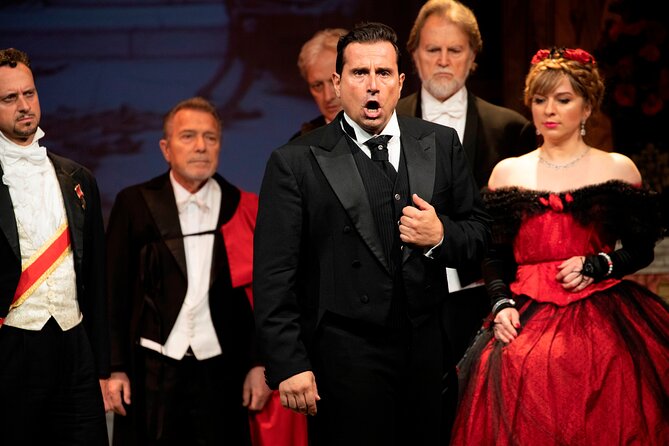
- La Traviata in a real church at St. Paul Within the Walls (Via Nazionale, 16/A)
- Great acoustics for many seats, with sound that often gets high praise
- Choosable seating categories, but back seats can mean folding chairs and more limited views
- Intimate group size (max 10 travelers per booking) for a calmer vibe
- Opera story prep pays off, and a quick synopsis makes the plot click fast
La Traviata at St. Paul Within the Walls: what you’re actually booking
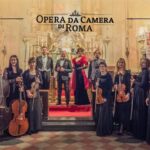
You’re not buying a stadium-sized opera production here. You’re booking an opera concert version of Giuseppe Verdi’s La Traviata performed by I Virtuosi dell’Opera di Roma, a group known for tackling full opera repertoire from the Italian lyrical tradition. That matters because it signals you’ll get more than a handful of arias. You’re settling in for an evening that follows the full arc, not just a greatest-hits set.
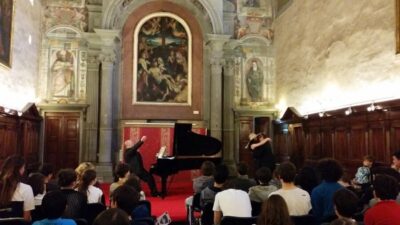
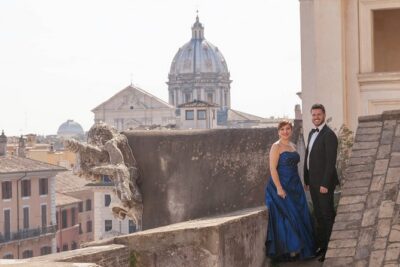
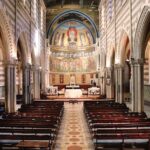
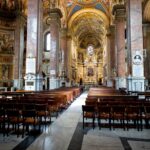
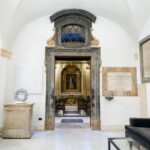
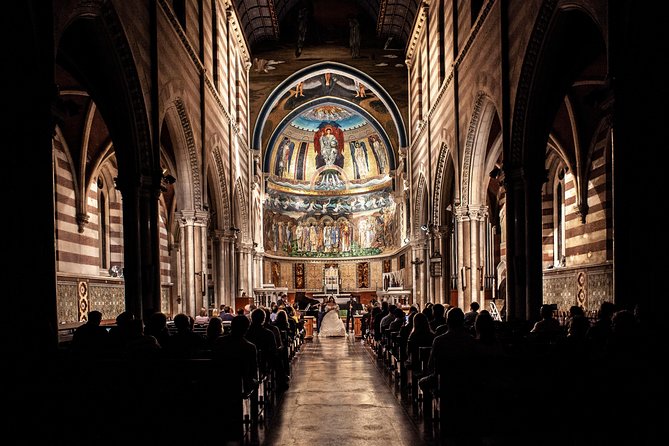
The big draw is the setting. St. Paul Within the Walls is one of those Roman spaces where the building itself feels like part of the show. Many people love the contrast: an 1800s Paris drama, staged in a historic church in the heart of Rome. For beginners, it’s also a friendly entry point. You get a guided cultural experience without the intimidation of a giant opera house.
The price (about $30.04 per person) is the other reason this works. In Rome, that kind of money can buy you a nice dinner, or it can buy you an evening with strong performers, close energy, and music that’s meant for storytelling. The trade-off is that church staging is practical, not theatrical: you may not have the “perfect stage picture” you’d expect in a traditional opera theater.
You can also read our reviews of more tours and experiences in Rome.
The church venue: acoustics, sightlines, and the heat reality
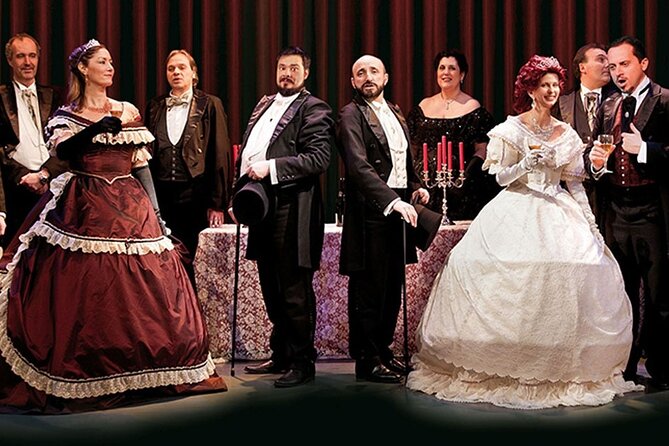
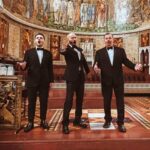
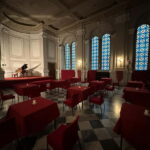
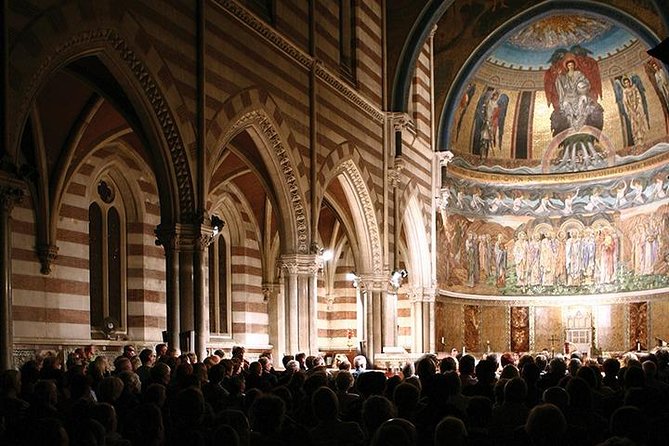
Let’s talk about St. Paul Within the Walls in plain terms: it’s an acoustics champion for many people, and a comfort challenge on warm days. The church has been praised for sound quality, with multiple viewers specifically calling out excellent acoustics. If you’re in the right seating zone, the vocals can sound clear and well-balanced.
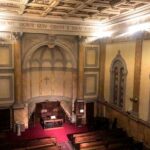
But your view may be trickier. This isn’t a sloped opera hall with big sightline engineering. You’re often seated on church pews or similar seating on a mostly level floor plan, and some people found that hard to watch—especially if you’re shorter, seated farther back, or expecting a raised stage. A few also mentioned the stage is low and that performers can be difficult to see because there’s no typical theater stage setup.
Now add summer Rome temperatures. One of the most repeated cautions is that the church does not have air conditioning and can feel extremely hot. If you’re going in peak heat, plan like a smart traveler: bring a handheld fan, be ready with water, and accept that your comfort depends on the day’s weather. Even if the temperature drops later outside, it doesn’t always mean the room cools down fast inside.
Practical seating tips that actually help
- If your priority is seeing, consider paying for seats closer to the front rather than assuming all “decent” seats are equal.
- If you want to avoid the worst views, arrive early—some seating areas can feel first-come once you’re on site.
- If you’re tall enough to see around others, that helps. If you’re not, consider front-ish rows as a safer bet.
How the performance is staged: why this feels different from La Scala
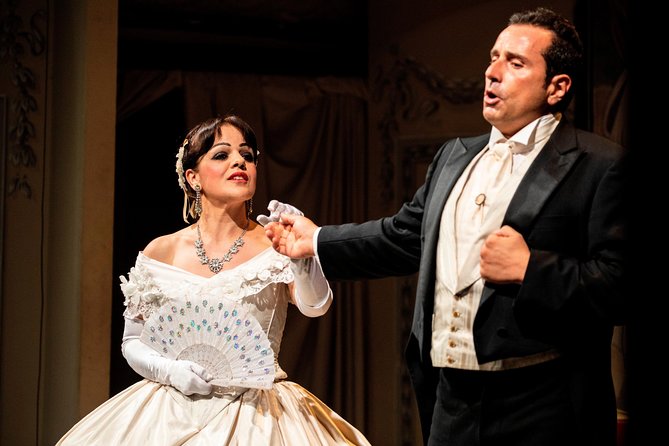
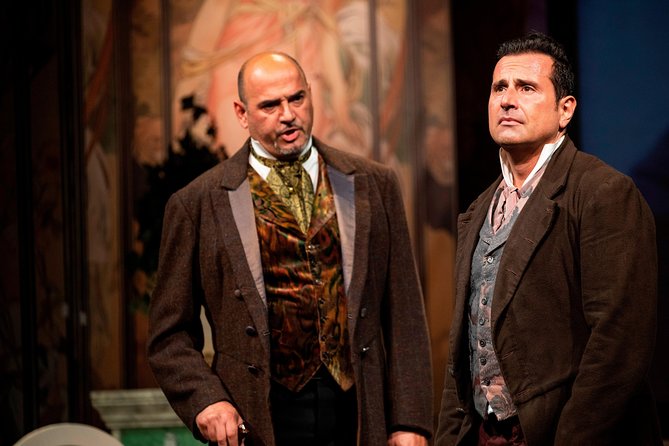
In a church, there’s less scenery and less stage business. That’s a drawback if you want dramatic stage movement and big production moments. One criticism I’d take seriously: some people felt the stage design was rather poor or that the show felt made for tourists. That can happen when you expect grand opera staging in a space that’s inherently simpler.
At the same time, many other comments land on the opposite side: the singing and music delivery are what carry the night. Several people highlight top-notch vocals, strong duets, and standout orchestral work. The balance often feels like a concert that still tells the full story.
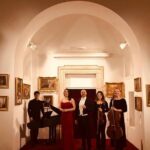
Also, don’t expect a mega-chorus in the same way you’d get in the largest opera venues. One review framed it nicely: you can’t assume a 60-piece opera orchestra setup. Here, the ensemble is smaller and focused, which can actually make it easier to follow the music and drama—especially if you’re new to opera.
In short: you’re going for performance quality and story, not for a full blockbuster production look.
I Virtuosi dell’Opera di Roma: what to expect from the musicians
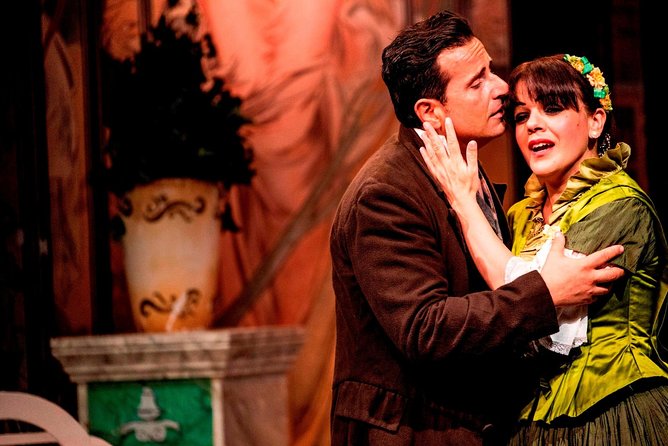
The group’s specialization is important: they perform whole opera repertoire from the Italian lyrical tradition. That’s why you’re seeing La Traviata as an entire work instead of a “sample menu” of songs.
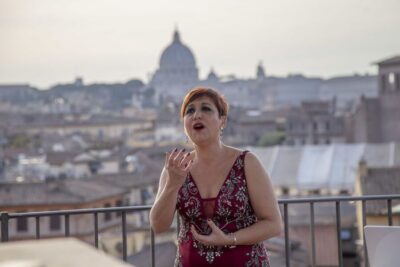
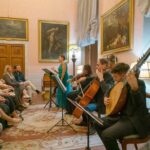
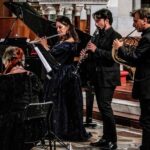
Many people singled out the musicianship, calling the orchestra fantastic and praising the pianist as well. Solo and duet moments often get the loudest praise because they’re where tone, phrasing, and acting meet. If you enjoy operatic voices that are clear and emotionally driven—this show can land very hard.
Another small but real point: many performers in Rome who work in smaller venues learn how to project without over-relying on big theater acoustics. In a church, the room does a lot of the work. When it goes right, you get that satisfying sense that the sound is building around you, not just blasting from a stage.
The story of La Traviata (in human terms) so you don’t get lost
If you don’t speak Italian, you can still follow La Traviata. The plot is dramatic and relatively straightforward, and a quick prep helps a lot. One helpful tip: if you’re unfamiliar with the story, a short synopsis read online beforehand can get you oriented fast.
Here’s the simple version to keep in mind:
- The story begins with Violetta, a well-known courtesan in mid-1800s Paris, living a life that’s socially complicated.
- At a party, she learns that Alfredo has loved her for a year.
- They move into a life together near Paris, but the conflict escalates because Alfredo’s father believes her past makes the relationship unacceptable.
- Violetta sacrifices herself and ends the relationship, believing it’s the only way to protect Alfredo—while he thinks she’s acting out of cruelty or misunderstanding.
- Months later, Violetta is dying. Alfredo reaches her at her bedside, and the tragedy closes as she realizes she still feels life returning—then collapses in his arms.
Opera is part music, part acting, part timing. If you know what’s coming next, you stop worrying about words and start watching emotions. Even people who said they didn’t understand the language still described feeling pulled into the arc, especially when major musical moments hit.
When you’ll feel the story most
People often mention recognizing famous moments and feeling emotionally moved even without understanding every line. That’s typical: the strongest melodies are like signposts.
If you’re going because you love music more than plots, you’ll still enjoy it. If you’re going because you want a first opera experience, you’ll likely do better if you walk in with this plot map.
Timing and arrival: 8:30 pm start, about 2h20, and interval strategy
The start time is 8:30 pm, with an overall duration of about 2 hours 20 minutes. That’s a sweet spot for Rome: long enough to feel like an evening event, short enough that you’re not trapped overnight.
Plan around an interval. One review specifically advised bringing a drink for the break. So even if you’re not a big snacker, I’d treat the night like a live performance with pauses—not like background music.
How early should you arrive?
You’ll get the best outcome if you arrive early enough to handle seating preferences calmly. Some people reported clearer outcomes for front rows and were encouraged at arrival to sit where they expected. On the flip side, people in cheaper sections described folding chairs in the back and limited visibility. In other words: timing matters, and waiting around at the last second can cost you sightlines.
A good Rome rule: plan to be early, not on time. In a church venue, last-minute chaos can turn into second-best seating.
Smart casual dress code and what to bring for comfort
Dress code is smart casual. That’s easy: think nicer jeans or a casual jacket, nothing costume-y. You don’t need opera formalwear.
Comfort is the bigger issue. Based on real feedback, the church can get hot and stuffy. I’d bring:
- a hand fan (especially in summer)
- water if you can, or expect that water may be sold there
- a light layer you can keep or stash, because Rome nights can shift
- your patience: this is part of the charm, but also part of the planning
Also consider height and visibility if you sit farther back. Some people couldn’t see performers well and left early due to the difficulty of watching in that setup. If “seeing every face” is non-negotiable for you, front-ish seating becomes more important than you might think.
Price and value: why $30 can feel either perfect or disappointing
Let’s do the honest value math.
At roughly $30, you’re paying for:
- a full opera work (not just a short program)
- recognizable La Traviata music and story
- live singers and orchestra
- a prestigious historic venue in Rome
For many people, that’s a bargain. Multiple reviews call it great value and a strong first opera experience, with praise focused on vocals and music quality.
Where it can disappoint is also tied to expectations:
- If you want a huge production with massive staging, big chorus numbers, and theater-level sightlines, you may feel it’s small-scale.
- If you’re unlucky with seating in the back, you might feel you paid for sound when your main goal was visuals.
- If the room is sweltering, the experience can turn uncomfortable fast.
My advice: treat this as an opera concert in a historic church. If you go in with that mindset and pick seats with visibility in mind, it’s a very solid evening buy.
Who this is best for (and who should skip)
This experience fits best if you:
- love opera and want a live La Traviata performance in a unique Roman setting
- are new to opera and want a gentler on-ramp than a massive production
- appreciate intimate performances where solo voices carry the emotional weight
- want an evening that combines culture, story, and music without overthinking dress or travel time
You might skip if you:
- have a strong need for perfect sightlines and raised theater seating
- are heat-sensitive or traveling in extreme summer temperatures
- expect a full mega-chorus production like the biggest opera houses
It’s also a nice option for senior travelers who want an uncomplicated evening activity with easy logistics and a memorable cultural stop. And yes, families sometimes make it work too, including kids who stay through the full performance when the setting and music click.
Should you book? My decision guide
Book it if you want an affordable, emotionally driven opera evening and you’re flexible about the church setting. The biggest positives repeat for a reason: the singers, the musicianship, and the acoustics can be outstanding, and the venue makes the night feel special.
Think twice if you’re going during peak heat or if you’re worried you can’t see well from your assigned category. In those cases, your seat choice and your comfort prep matter more than you’d think.
If you’re aiming for a first opera experience in Rome, this is one of the more practical ways to do it—especially because La Traviata is a famous story, and a quick synopsis helps the music land immediately.
FAQ
What time does the performance start?
It starts at 8:30 pm.
Where is the concert held in Rome?
It’s performed in the Church of St Paul Within the Walls, at Via Nazionale, 16/A.
How long is the show?
The duration is about 2 hours 20 minutes (approx.).
What should I wear?
The dress code is smart casual.
How do tickets work with mobile tickets?
You’ll have a mobile ticket, and your tickets are held at the church for collection on the day of the performance.
Is there free cancellation?
Yes. You can cancel for a full refund up to 24 hours before the experience’s start time.