REVIEW · ROME
Rome: “The Most Beautiful Opera Arias” Concert
Book on GetYourGuide →Operated by Opera da Camera di Roma · Bookable on GetYourGuide
Opera arias, minus the stuffiness.
This Rome concert puts you in the Waldensian Church steps from Piazza Venezia for an intimate, high-impact performance. You get famous Italian melodies in a small space where the sound has nowhere to hide.
I especially love the close-up feeling: you’re near the singers and the grand piano, so the emotion lands fast. And I really like that the program mixes big-name opera moments with lighter Italian favorites, including Neapolitan songs and Vivaldi’s Four Seasons.
One possible drawback: it’s short—listed at 50 minutes—so if you’re craving a full opera evening, this won’t be that. Also, church pew seating isn’t designed for long sits, so pick your seat option carefully if comfort is a priority.
In This Review
- Key highlights to look for
- A 50-minute opera hit near Piazza Venezia
- The Waldensian Church sound: warm room, close voices
- What you hear: Puccini, Bellini, Mascagni, and big aria moments
- The performers: singers and a grand piano that stay in dialogue
- Value in Rome: why $40 can feel fair here
- When the room is small, the performance gets personal
- Practical tips before you go
- Who this is best for
- Should you book this Rome opera-arias concert?
Key highlights to look for
- A cozy Waldensian Church venue near Piazza Venezia that keeps things truly in-the-room
- Standout acoustics where voices and piano carry clearly
- Famous arias you actually recognize, including La Traviata, Turandot, and Rigoletto
- Two vocal soloists plus a grand piano, giving you a focused, easy-to-follow set
- A friendly, English/Italian host who helps you get seated, with names like Roberto showing up in the experience
- A 50-minute format that fits well on a busy Rome itinerary
A 50-minute opera hit near Piazza Venezia
This is one of those Rome experiences that feels simple on paper and special in real life. You’re in Lazio, Italy, and the concert runs about 50 minutes, so it works nicely for an evening when you want culture without committing to a late, drawn-out event.
You’ll go to the venue on your own. There’s no hotel pickup, and parking isn’t included, so plan to walk or use public transport and keep it easy. The good news: the church is described as being just meters from Piazza Venezia, which makes timing feel more controllable than hopping across town.
Think of it as a concentrated taste of Italian opera. You don’t need to know every composer or every plot detail. The performance is built around recognizable arias and songs, so your ears get the headline even if you’re new to the genre.
You can also read our reviews of more tours and experiences in Rome.
The Waldensian Church sound: warm room, close voices
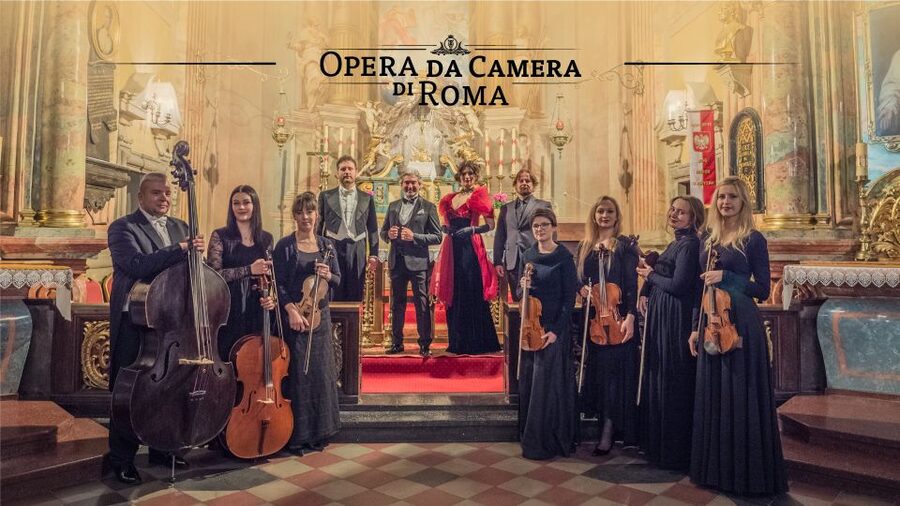
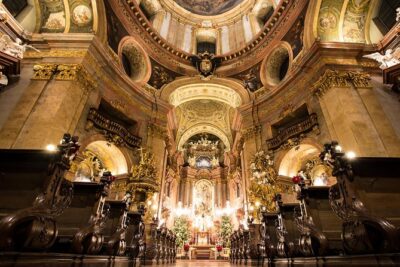
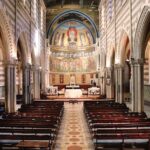
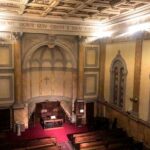
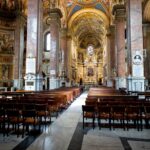
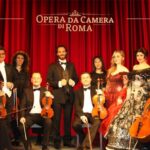
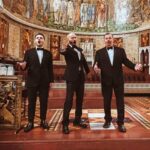
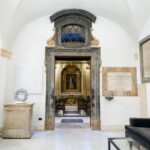
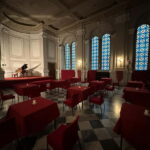
The heart of this experience is the venue. The concert takes place in a Waldensian Church with an intentionally intimate setup, and the sound is a major part of why this works.
Because the space is small, you don’t feel like you’re watching from a distant balcony. You’re close enough to feel connected to the musicians, the kind of closeness that makes the quieter musical moments land with real weight. Many people love it precisely because it feels like a private concert rather than a big theatre production.
You also get a warm atmosphere, which matters in Rome evenings. When the room feels comfortable and the acoustics are strong, you stop thinking about logistics and start listening. It’s a subtle shift, but it’s the whole point.
One practical consideration: seating is in a church setting. Some visitors note that certain seats may not be ideal, so if you have specific comfort needs, pay attention to the seat option you choose rather than assuming all pews feel the same.
What you hear: Puccini, Bellini, Mascagni, and big aria moments
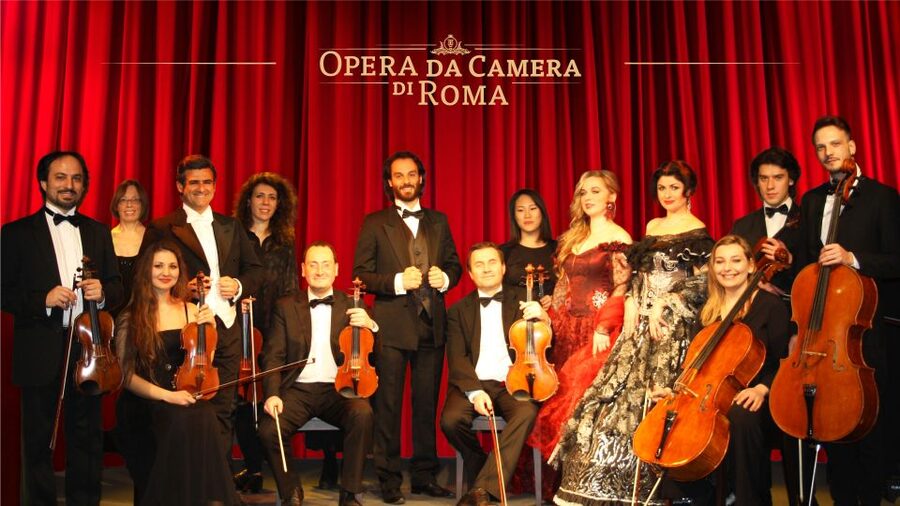
The program is built like a greatest-hits tour through Italian opera and related classics. Expect music inspired by composers such as Puccini, Bellini, and Mascagni, plus songs drawn from Neapolitan traditions.
The most exciting part for many first-timers is that the set includes well-known titles tied to major operas, including La Traviata, Turandot, and Rigoletto. Even if you don’t know the full context, you’ll often recognize the melodies once the singer starts—these are the tunes that show up in pop culture, film cues, and memory.
There’s also variety. Beyond opera arias, the program includes Vivaldi’s Four Seasons and Neapolitan songs. That blend keeps the evening from feeling one-note, especially if you’re coming straight from the city’s busy streets.
In a short 50-minute window, the performance needs to make fast choices. Here, that’s a good thing: you get a focused mix of emotional opera singing plus more familiar, melodic interludes.
The performers: singers and a grand piano that stay in dialogue
You’re not just hearing singers. You’re watching an ongoing musical conversation between voices and piano.
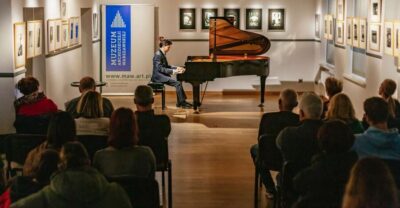
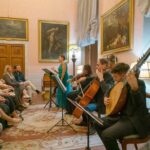
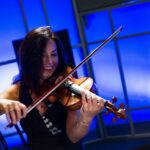
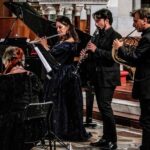
The setup centers on opera soloists alongside a grand piano, and the result is clear and intimate. Piano lines don’t feel like background; they feel like they shape the singers’ phrasing and mood. When the pianist supports the vocal lines this closely, even a single aria can feel like a mini scene.
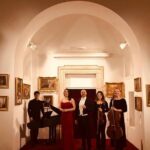
Hosts and performers are often a big part of the experience flow, too. People mention friendly hosting and clear guidance to help you find your place in the church. Names like Roberto show up, along with other performers such as Christian and Antonieta, which is a nice reminder that this is human-scale music-making, not an anonymous “content” event.
A small tip: if you’re going for the singers, give them your full attention from the start. The show is short enough that any chatter in your row can feel louder than you expect.
Value in Rome: why $40 can feel fair here
At $40 per person for a concert around 50 minutes, this sits in the “good deal” category for Rome, but only because the format matches what you’re paying for.
You’re paying for three things at once:
- A top-tier music setting (a church with excellent acoustics)
- Close access to the performers rather than a distant view
- A concentrated program that fits your schedule
In big venues, opera can feel like a long evening with extra friction: travel time, long seating blocks, and the sheer scale of the production. Here, the friction is low. You’re already near a landmark—Piazza Venezia—and you’re stepping into a room designed for listening.
This is also a great value choice if you’re curious about opera but not ready to commit to a full-length performance. It gives you a taste of the craft—vocal power, musical storytelling, and that unmistakable Italian expressiveness—without making the night drag.
It’s not likely to satisfy you if you want an opera-style storyline with full staging. But if you want real singers and real arias in a short, memorable evening, this is priced in a way that makes sense.
When the room is small, the performance gets personal
One theme that keeps coming up is how personal it feels—especially when the audience isn’t huge.
In a small church, even a modest crowd can change the vibe. You get fewer barriers between you and the music, and the performers can respond more directly to the energy in the room. Even when seating isn’t completely full, the core strength stays the same: strong voices and acoustics designed for clarity.
There are a couple of comfort-style notes worth taking seriously:
- Church seating can be tight, so choose based on comfort if you can.
- Some people wish the lighting was more theatrical, so if you’re very stage-production focused, temper expectations.
Still, most people come away impressed by the sound quality and the way the performers fill the space.
Practical tips before you go
Here’s how to set yourself up for a smooth, low-stress night.
- Plan to arrive on foot. The venue is extremely close to Piazza Venezia, and since pickup and parking aren’t part of the package, walking keeps it simple.
- Use the map/address info you’re given. Because meeting points can vary by option, treat your confirmation details as the source of truth for exactly where to go.
- Bring patience for a short show. It’s meant to be quick and focused. If you’re expecting a long sit, you’ll feel the time more than you’d like.
If you’re pairing this with sightseeing, the location is ideal. You can do a museum or a historic walk earlier in the evening, then come here for a musical reset.
Also, this concert is offered with English and Italian in mind, so you’ll be able to follow the experience whether you’re comfortable with Italian or not.
Who this is best for
This concert is a strong match if any of these describes you:
- You want an opera experience that’s easy to fit into a Rome schedule.
- You’re a first-timer who wants big-name arias without homework.
- You love acoustic music and enjoy performances where the room size helps the sound.
- You’re traveling with teens or family and need something more approachable than a long opera night (the program is designed to stay accessible).
It may be less ideal if you’re chasing a full production with elaborate staging. This is about voices, piano, and the acoustics—more concert than theatre.
Should you book this Rome opera-arias concert?
I’d book it if you want real Italian vocal music in a close, listen-first setting, and you’re okay with a 50-minute format. The combination of a prime central location, strong acoustics, and recognizable pieces makes it a practical win for most Rome itineraries.
Skip it only if you need:
- a full-length opera evening,
- guaranteed theatre-style staging,
- or you’re very sensitive to church pew comfort and seating variation.
If you’re in the middle—curious, open-minded, and short on time—this is exactly the kind of Rome evening that turns into a story you tell later.