REVIEW · ROME
Rome: The Three Tenors at St. Paul’s Church Concert Ticket
Book on GetYourGuide →Operated by Opera e Lirica srl · Bookable on GetYourGuide
A church concert that hits every emotion.
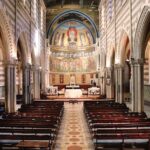
This is a ticketed evening at St. Paul’s Within the Walls, where you trade a typical Rome night out for three famous tenors, an ensemble of classical players, and a program that moves from full-on opera drama to songs everyone knows. I love the acoustics here—clean, powerful, and made for voices—and I also love the mix of serious opera arias with big-name Neapolitan favorites like O’ Sole mio. One thing to consider: the seating is pew-style, so if you’re picky about comfort, plan for a long sit.
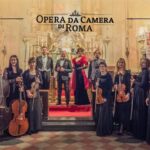
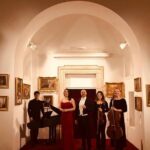
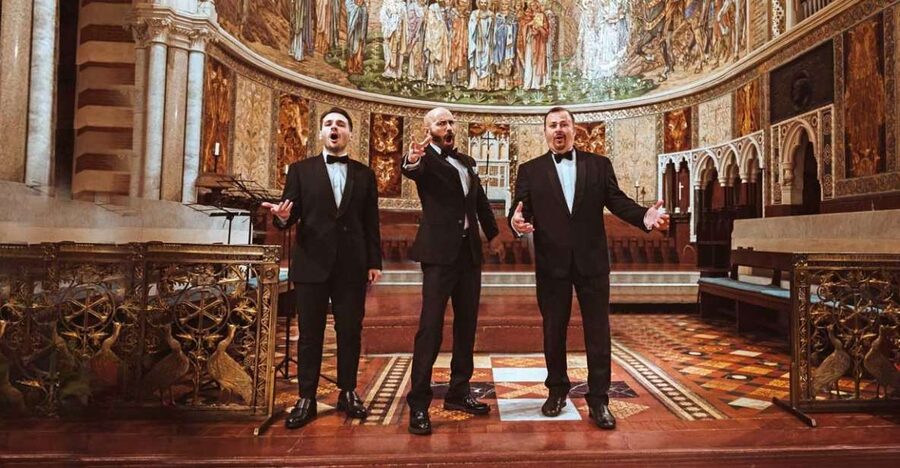
You’ll hear the Three Tenors—Francesco Fortes, Alessandro Fortunato, and Stefano Sorrentino—backed by a small chamber ensemble (2 violins, cello, bass, and piano). The evening has a light touch too: you’re not watching a stiff, museum-like recital. Still, the biggest drawback is practical: pews can feel uncomfortable for some people, and the church is not designed for modern lounge seating.
In This Review
- Key things to know before you go
- St. Paul’s Within the Walls: where the sound does the work
- Three tenors, one tight ensemble: Fortes, Fortunato, Sorrentino
- Part I opera arias in 90 minutes: Mascagni through Donizetti
- Part II Neapolitan singalongs and famous encores
- Tickets, seats, and when to arrive on Via Nazionale
- Is it worth $41? Value check for a first-time opera crowd
- Who should go (and who may want a different Rome night)
- Should you book this concert?
- FAQ
- How long is the Three Tenors concert at St. Paul’s Within the Walls?
- Where does the concert take place?
- What music is included in the program?
- Who performs at the concert?
- Is the venue wheelchair accessible?
- Can I cancel, and how does the refund work?
Key things to know before you go
- St. Paul’s Within the Walls acoustics make every note feel close and clear
- Three tenors up front: Francesco Fortes, Alessandro Fortunato, Stefano Sorrentino
- A 90-minute, two-part program that goes from opera to Neapolitan classics
- You get a full chamber sound with strings plus piano, not just voices
- Pew seating may be stiff, especially if you’re used to padded chairs
St. Paul’s Within the Walls: where the sound does the work
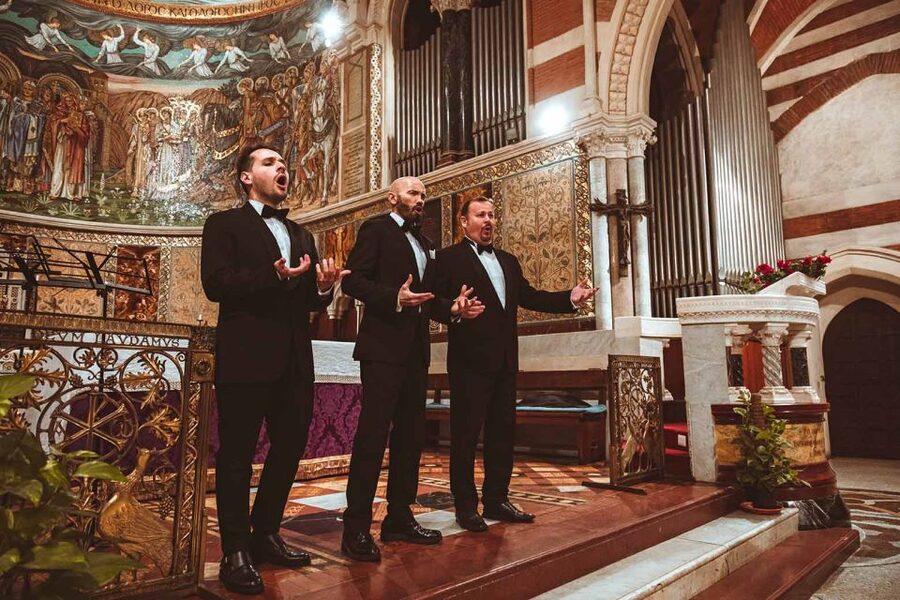
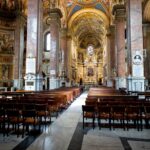
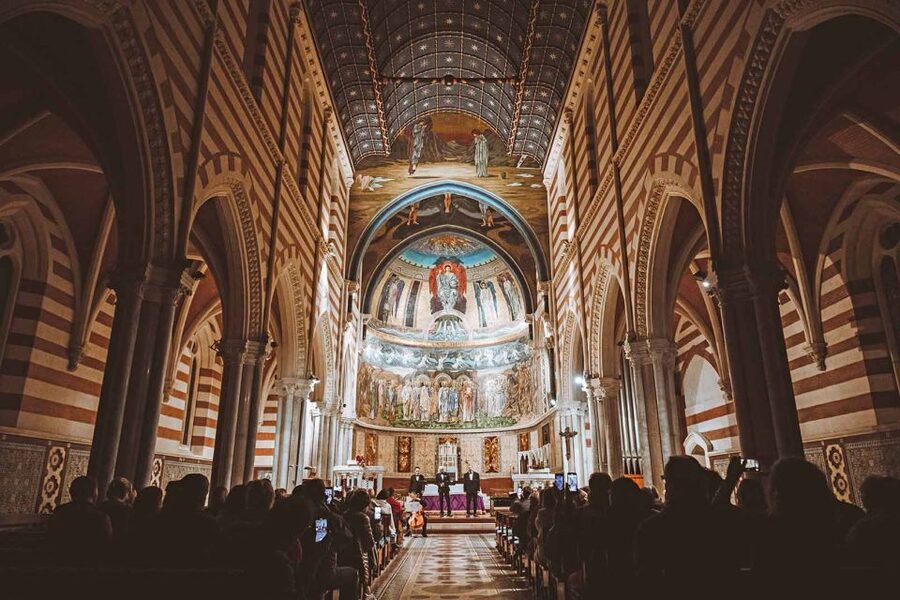
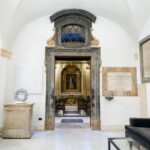
This concert lives or dies by one thing: sound. St. Paul’s Within the Walls is one of those Rome churches where voices don’t just travel—they land. The shape of the space and the way it holds resonance help you catch the details in the singing, even when the music gets busy.
That matters because this isn’t just a background performance. The program includes some famously intense pieces—moments where a singer’s control, breath, and tone are the whole point. In a typical concert hall, you hear well enough. In this church, you feel the music. You’ll notice it most in the slower orchestral moments and in the big sustained phrases—when the room gives the sound back to the performer.
Also, the venue changes the vibe. A church performance feels different from a theater show. You get an atmosphere that feels quietly serious, but it doesn’t have to feel intimidating. The result is a night that works for first-timers, even if opera isn’t your usual plan.
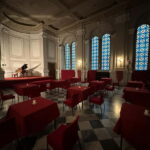
One practical note: you’re sitting on pews. People do come out smiling, but if you know you’ll feel antsy after a while, choose your spot wisely and don’t treat it like a casual stroll-and-stand-around event.
You can also read our reviews of more tours and experiences in Rome.
Three tenors, one tight ensemble: Fortes, Fortunato, Sorrentino
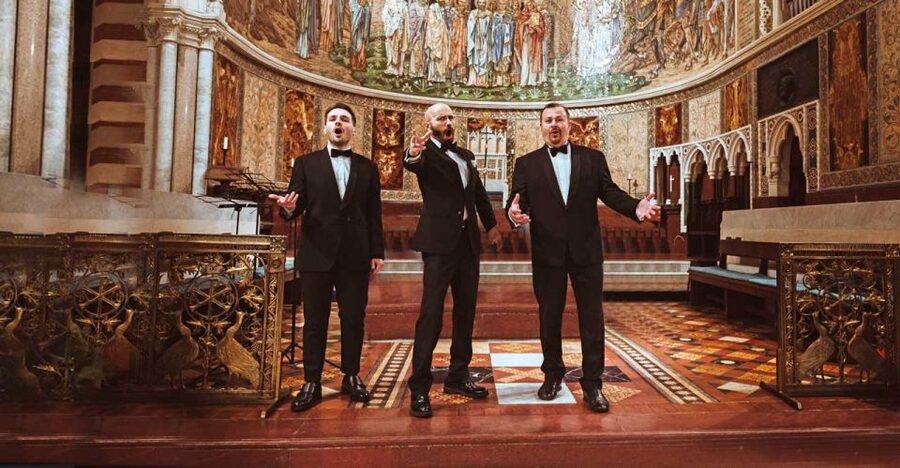
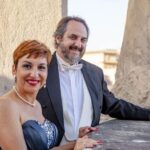
The headline is simple: the Three Tenors—Francesco Fortes, Alessandro Fortunato, and Stefano Sorrentino. If you know the name “Three Tenors” from pop-culture history, this is the real musical cousin of that idea: big voices, high emotional range, and songs built for strong audience reaction.
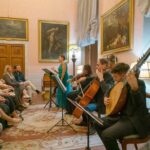
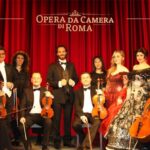
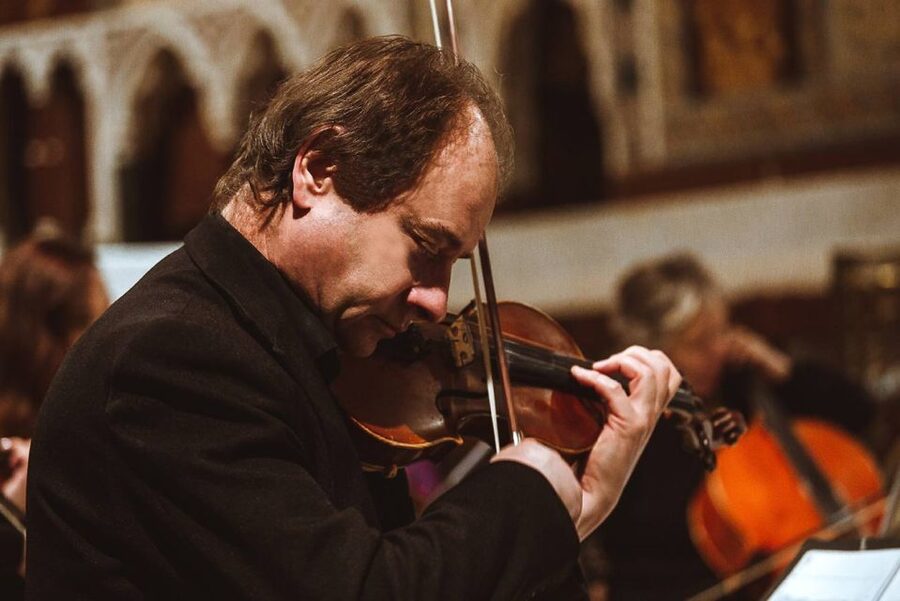
But what makes this work isn’t only the lead singers. You also get a proper chamber setup: 2 violins, cello, bass, and piano. That matters for two reasons. First, it keeps the sound flexible: you can hear delicate phrasing, not just volume. Second, it makes the opera-to-song shift feel smooth. Instead of “voice plus generic backing,” you get a band that supports the singers like a partner.
The evening also has a social spark. The tenors interact with the audience and share light moments with each other. It turns the concert into something closer to a night out with a talented group—not a silent, sit-straight-only event. That’s one reason many people describe it as a highlight, even if they weren’t sure about opera going in.
If you’re the type who likes to understand what you’re hearing, good news: the repertoire is extremely recognizable. Even if you don’t read music, you’ll recognize titles like Nessun dorma, La donna è mobile, and the Neapolitan favorites that follow.
Part I opera arias in 90 minutes: Mascagni through Donizetti
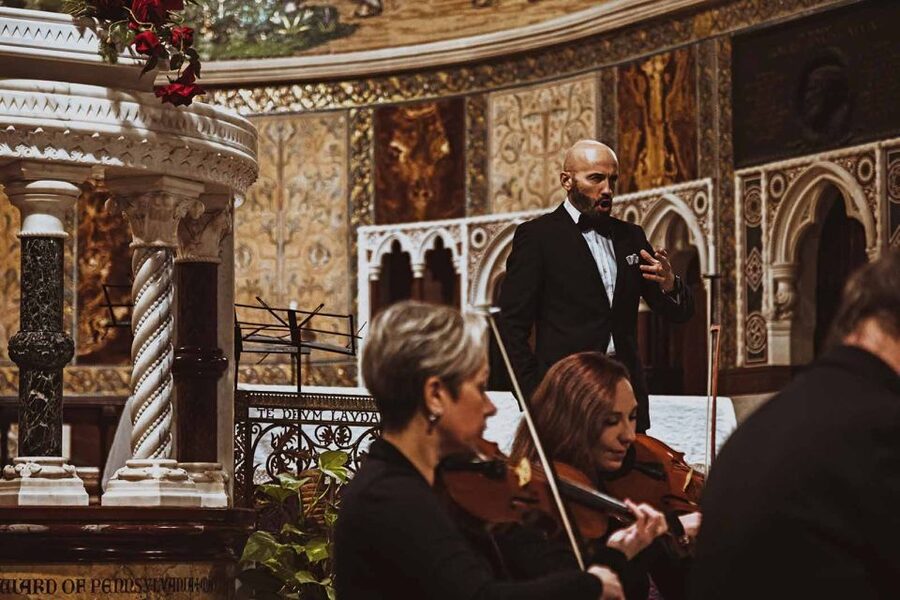
The concert runs about 1.5 hours and is split into two main parts. Part I leans fully into opera arias and opera-related orchestral music, so it’s the “yes, this is real opera” segment.
Here’s the arc of the first half:
- Mascagni: Intermezzo (Cavalleria Rusticana)
This sets the mood with an orchestral voice before the singers take over.
- Verdi: De’ miei bollenti spiriti (La Traviata)
A dramatic, flowing choice that shows off lyrical phrasing.
- Puccini: E lucevan le stelle (Tosca)
This one tends to pull you into the emotional center of the night.
- Donizetti: Una furtiva lagrima (L’Elisir d’amore)
Another classic that rewards good diction and control.
- Massenet: Thais Meditation
Often a crowd-favorite style moment because it’s elegant and singable in feel.
- Verdi: La donna è mobile (Rigoletto)
Expect energy here—this is the opera aria people actually remember.
- Leoncavallo: Mattinata
A lighter tone that helps the program breathe.
- Puccini: Nessun dorma (Turandot)
Big, famous, and meant to land hard.
This isn’t random. Part I is built like a mini-best-of for operatic storytelling: establish drama, shift mood, and then hit the “iconic” button near the end. When you reach Nessun dorma, it’s the kind of moment that turns a mixed crowd into one audience.
If you’re worried about whether you’ll “get it,” treat Part I like the training wheels. Even if you don’t know the stories, you’ll feel the emotional contrasts: tenderness, intensity, and release.
Part II Neapolitan singalongs and famous encores
Part II is where the night turns more crowd-friendly. It’s centered on Cançoni Napoletane—Neapolitan songs—and a few widely known modern-classical crossovers that keep the energy up.
The second half includes the medley and then moves through individual famous pieces:
Medley Canzoni Napoletane
- Luna rossa
- Reginella
- ’O surdato ‘nnammurato
- Tarantella
- Funiculì funiculà
- Core ‘ngrato (Salvatore Cardillo)
Then you get additional standalone selections:
- Maria marì (Eduardo di Capua)
- Dicitencello vuje (Rodolfo Falvo)
- Torna a Surriento (Ernesto De Curtis)
- Nel blu dipinto di blu (Domenico Modugno)
- Con te partirò (Andrea Bocelli)
- ’O Sole mio (Eduardo di Capua)
This is the portion that makes people grin. Even if you’ve never been to an opera before, you’ll often recognize the melody line somewhere in the music. The singers and ensemble shape these songs so they don’t feel like simple “well-known tunes”—they’re performed with operatic strength and control.
Also, because the venue is a church with strong resonance, these tunes carry in a way that makes them feel communal. You’re not just listening—you’re catching the emotional message quickly. It’s a practical way to make your Rome night feel more local without adding the hassle of figuring out opera schedules on your own.
One last practical tip: if you dislike distractions, keep your phone away. A few people have mentioned issues with others using phones during the show, and in a quiet church setting, that kind of light and sound can pull you out of the music.
Tickets, seats, and when to arrive on Via Nazionale
The ticket price is $41 per person, for roughly 90 minutes of live performance. For Rome, that’s strong value—especially because you get both the voices and a real chamber ensemble. You’re not just buying the brand name; you’re buying a complete evening show in a historic space.
Logistically, the meeting point is straightforward: St. Paul’s Within the Walls Church on Via Nazionale. If you’re staying around Termini, this is an easy walk or short ride away. Still, arrive a bit early. This isn’t a “you can stroll in whenever” situation because late entries interrupt concentration, and the space is intimate.
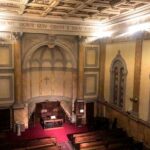
Seating is the main comfort question. Pew benches aren’t designed for long sitting. If you have back issues or you know you’ll feel stiff, go in expecting that discomfort may be part of the bargain. Choosing a better spot—when possible—can help, but the layout is what it is.
And remember what’s included: tickets only. There’s no food or drinks included, so plan to eat before or after. The pacing is tight enough that you don’t want to be thinking about snacks during the show.
Finally, there are a couple of simple rules: pets aren’t allowed, and the venue is listed as wheelchair accessible.
Is it worth $41? Value check for a first-time opera crowd
If you’re comparing this to other Rome “evening activity” options, the math works because the experience has multiple layers:
- You get the voices: three tenors with big, famous repertoire.
- You get real accompaniment: strings plus piano, not a minimal setup.
- You get a venue that improves the product: church acoustics that amplify nuance.
- You get two kinds of singing: opera seriousness first, then Neapolitan warmth.
Even if opera feels intimidating, this program is built to meet you halfway. Part I gives you a classic selection with well-known titles. Part II shifts gears into songs that many people recognize from outside the opera world, including Bocelli’s Con te partirò and the ever-remembered ’O Sole mio. The arc keeps you from getting stuck in one mood.
One more value angle: it’s a compact time commitment. 1.5 hours is the kind of duration that fits into a packed Rome day without taking over your entire evening.
So yes—at $41, I’d treat this as a high-probability “worth it” night, especially if you want something authentic and local-feeling without hunting for tickets for a full opera production.
Who should go (and who may want a different Rome night)
This concert is a great fit if you:
- want a Rome activity that’s less museum-walk, more sit-and-feel
- like classical music but don’t want to study opera beforehand
- enjoy big vocal performances and a mix of opera and Neapolitan favorites
- want a night that feels special without being too formal
It may be less ideal if you:
- need very comfortable seating for long periods (pews can be stiff)
- hate being in a quiet setting where distractions like phone use are annoying
- are only interested in opera and want a longer, more staged production (this is a concert program, not a full opera staging)
For most people, though, this works because the format is accessible. The choir-like discipline of opera plus the sing-your-soul-out Neapolitan tunes makes it hard to leave unmoved.
Should you book this concert?
I’d book it if you want a low-effort, high-reward Rome evening: famous tenors, a strong chamber ensemble, and a church venue where the sound really matters. It’s especially smart as a last-night activity because it gives your trip a satisfying closing moment.
If you’re on the fence, decide based on your comfort level with pew seating and whether you want a concert rather than a full opera production. If you can handle sitting for 90 minutes and you like hearing recognizable Italian songs sung well, this is an easy yes.
FAQ
How long is the Three Tenors concert at St. Paul’s Within the Walls?
The duration is about 1.5 hours (approximately 90 minutes).
Where does the concert take place?
It’s held at St. Paul’s Within the Walls Church on Via Nazionale in Rome.
What music is included in the program?
You’ll hear opera arias and opera-related classics, plus Neapolitan songs. The program includes pieces such as Nessun dorma, La donna è mobile, E lucevan le stelle, and Neapolitan favorites including ’O Sole mio and Torna a Surriento.
Who performs at the concert?
The Three Tenors are Francesco Fortes, Alessandro Fortunato, and Stefano Sorrentino, accompanied by a chamber ensemble including Elvin Dhimitri, Alina Scoticailo, Ilia Kanani, Valentino Ferraro, and Denis Volpi.
Is the venue wheelchair accessible?
Yes, the concert is listed as wheelchair accessible.
Can I cancel, and how does the refund work?
Free cancellation is available up to 24 hours in advance for a full refund.