REVIEW · SYDNEY
Opera at the Sydney Opera House
Book on Viator →Operated by Opera Australia · Bookable on Viator
Opera in that shell hits different. This evening pairs Verdi’s La Traviata with one of the world’s most famous venues, so you’re not just watching opera—you’re watching it inside the building you’ve seen on postcards for years. I love the sound quality (clear voices and a strong orchestra) and I also like how the show supports first-timers with an English interpretation screen above the stage. The only real catch is that seat locations can vary, and some people end up with seats toward the sides or ends.
The vibe is simple: show up, get your ticket, find your seat, and let the music do the work. The group size is kept small (up to 10), which helps things feel less chaotic than a big mass event. You’ll also appreciate that the venue is near public transportation, so you’re not stuck planning a complicated arrival.
One consideration: this outing is mainly an opera ticket experience, not a full guided tour of the Opera House. Also, if you care a lot about exact sightlines, booking through a third-party option may not give you the best possible seat view.
In This Review
- Key things to know before you go
- Verdi inside the Sydney Opera House: why this night matters
- Before curtain: how the night usually flows at the Opera House
- Getting around inside (stairs and lifts are real)
- Cloakrooms and listening support
- Your opera night: what to expect from La Traviata
- Why first-timers usually do well here
- Seats and sightlines: the one thing to plan carefully
- A practical approach
- Cost and value: is $80 worth it?
- After the show: making it an evening, not just an event
- Who this suits best (and who might want a different plan)
- Practical tips to get the most out of the experience
- Should you book this Sydney Opera House opera ticket?
- FAQ
- Where is the opera experience held?
- What opera is being performed?
- How long does the experience last?
- What is included in the price?
- Is food or drinks included?
- Is hotel pickup and drop-off included?
- What is the group size limit?
- When will I receive confirmation after booking?
- Is free cancellation available?
- Are service animals allowed?
Key things to know before you go
- It’s La Traviata, by Verdi: expect big emotions, dramatic turns, and memorable melodies
- English interpretation is shown above the stage: helpful if it’s your first opera
- Small group size (max 10): easier arrival than large group events
- Ticket included; food isn’t: plan for drinks or dinner before/after
- Lots of stairs in the venue: use lifts if stairs feel like too much
- Receivers may be available: ask staff for assistance for listening support
Verdi inside the Sydney Opera House: why this night matters
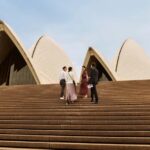
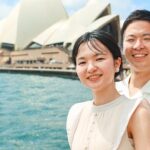
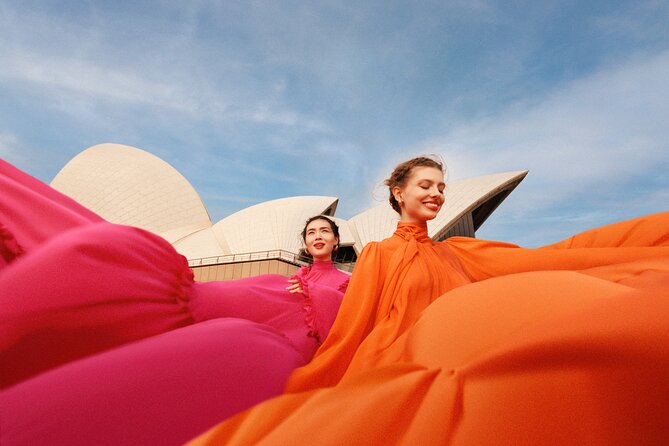
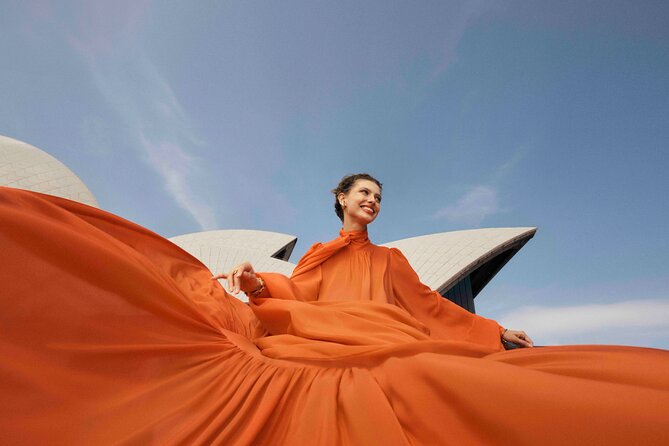
If Sydney has one must-see building, it’s the Sydney Opera House. Even outside, it’s instantly recognizable. But the real magic is what happens once you’re inside the hall: the stage looks dramatic, and the building’s acoustics pull the music right toward you.
This is a smart choice for a short visit because you get two kinds of value in one evening. First, you experience a landmark in real scale—huge, iconic, and designed to handle both crowds and performance needs. Second, you get a full opera performance rather than a quick photo stop. You’re sitting down for about 2 hours 40 minutes (approx.), which is the right length for people who want a meaningful cultural activity without losing the whole evening.
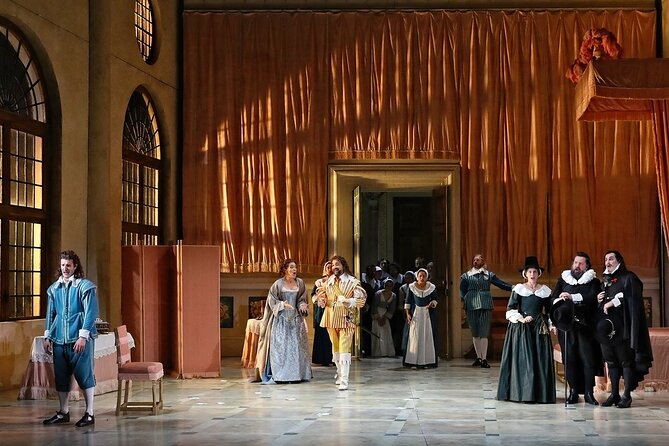
I like that this performance is La Traviata. It’s famous for a reason. It balances romance, social pressure, and heartbreak with the kind of music that makes the story easier to follow, even if you don’t read every detail. And if you’re worried about getting lost, you’ll have help: there’s an English interpretation screen above the stage so you can track what’s being said.
You can also read our reviews of more tours and experiences in Sydney.


Before curtain: how the night usually flows at the Opera House

The experience is built around the opera performance ticket, so you’ll want to plan your arrival like you would for any major theatre show.
Start with this mindset: arrive a bit early. One practical tip from the experience details is that it can get crowded with rideshare traffic, especially as people arrive. Going early helps you get settled without rushing, and that matters when a venue has lots of stairs.
Getting around inside (stairs and lifts are real)
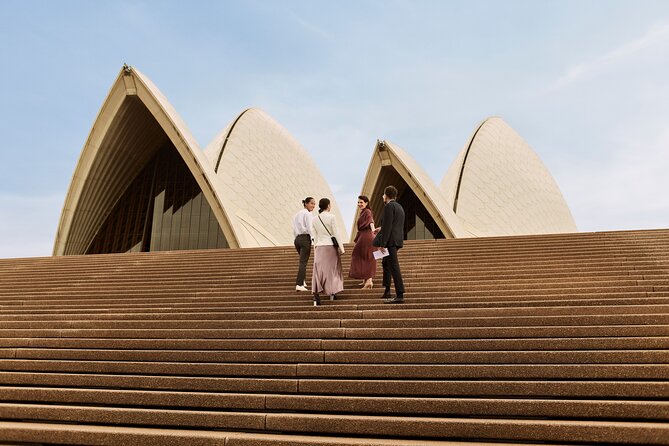
The Opera House layout can feel like a maze if you only follow the crowd. One thing you’ll feel quickly is that there are lots of stairs. If you’re short on mobility or just don’t want to spend the first 15 minutes climbing, find the lifts early.
Cloakrooms and listening support
If you need assistance with audio devices, receivers are mentioned as being available through specific cloak rooms and foyer areas (for example, from Concert Hall and Opera Theatre cloak rooms, plus Drama Theatre, Playhouse, and The Studio foyers). If that’s relevant to you, ask staff on arrival—don’t wait until you’re searching once the show has started.
Your opera night: what to expect from La Traviata
La Traviata is all about a woman who lives at the center of her social world, and what happens when the truth catches up.
Here’s the story in plain language. Violetta is admired, social, and carefree on the surface. But she knows her health is failing. Alfredo is in love with her, and he believes they can build a real life together. Violetta wants to hope for something better—but her world is controlled by family expectations and pressure. Alfredo’s father pushes a cruel demand: Violetta must step away to protect the family’s reputation.
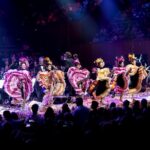
The show moves through big emotional shifts: dancing-and-drinking moments, moments of persuasion, and then the sort of duets that feel like the characters are trying to talk over their own heartbreak. The music supports every turn, from lighter sections to the dramatic pulling-power of Verdi’s writing.


Why first-timers usually do well here
If you’ve never seen an opera, the biggest barrier is often not the music—it’s the story. That’s why the English interpretation screen above the stage is such an important advantage. You can follow the dialogue and tension in real time, which makes the performance feel less like a test and more like drama you can actually track.
You’ll also likely notice strong clarity in the orchestra and voices. People often comment on how well they can hear the performance in this venue, which is exactly what you want when you’re brand new.
Seats and sightlines: the one thing to plan carefully

This experience is built around a theatre ticket, which means your seat location matters. And here’s the honest bit: seat assignments can be a mixed bag when you book through a third-party option.
Some people received seats at the end of the theatre rather than in the more central areas. The tradeoff is simple: for the best overall view, central seats tend to be easier. Side or end seats can still be enjoyable—opera is more than just visuals—but if you’re picky about sightlines, you should take extra care when choosing options.
A practical approach
- If you want the best overall view, consider choosing seats that look more central rather than far to the edges.
- If you end up with a less-than-ideal seat, rely on the English interpretation screen above the stage to keep the story clear.
- Plan to arrive early so you can find your section without stress. This reduces the odds you’ll miss part of the pre-show bustle.
Cost and value: is $80 worth it?

At $80 per person, the value here comes down to what’s included. The ticket to the opera is included, and that matters because Sydney Opera House performances usually aren’t “cheap casual.”
Food and drinks aren’t included, so you should budget separately if you plan to eat before or after. Many people treat this as an evening out: a light dinner beforehand, a drink at the bar after, and then the main event.
One more value point: some people found that booking through this program cost less than buying directly at the venue’s box office. Even if you don’t compare prices, the big win is still the same—your main cost (the seat) is handled, and you’re not stuck figuring out which performance times match your schedule.
After the show: making it an evening, not just an event
Opera can run long enough that you’ll want a plan for what comes next. A good approach is to treat the Opera House as part of a bigger waterfront evening.
Based on the experience details, there’s a bar option after the performance, and it makes sense. You’ll have that post-show buzz, and you don’t want to sprint to the hotel immediately.
Also, the venue sits in a strong location for walking and getting your bearings. If you’re staying nearby, this is a great way to close out your day without spending time in transit.
Who this suits best (and who might want a different plan)
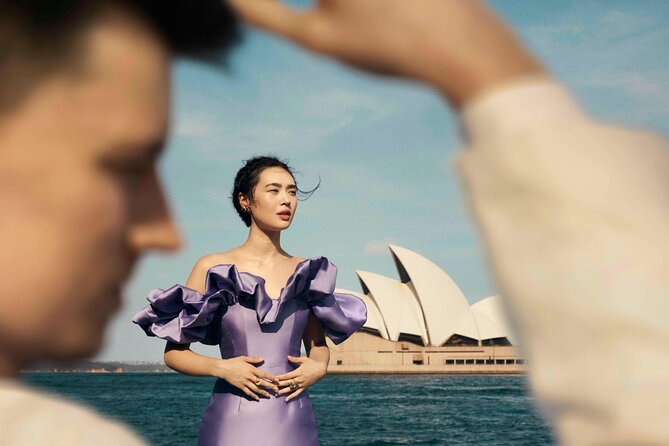
This is ideal if you want a classic Sydney night with real cultural weight.
You’ll probably love it if:
- It’s your first time attending opera and you want an easy-to-follow format thanks to the English screen.
- You want to do something iconic inside the Sydney Opera House, not just outside for photos.
- You prefer a smaller group size (up to 10) rather than a big, impersonal crowd.
You might reconsider if:
- You expect a guided tour experience (this is mainly a ticket experience).
- You’re extremely sensitive to seat location and don’t want any chance of being placed at the end or side.
- You’re traveling on a schedule so tight that you can’t arrive early for stairs and settling in.
Practical tips to get the most out of the experience
A few small choices can make a big difference for comfort and enjoyment.
First, wear shoes you can move in. The Opera House has lots of stairs, and you’ll likely want to move around between arrival, cloak areas, and your seat.
Second, plan for an opera pace. Even when it’s great, it’s still a full performance length. If you’re the type who gets restless, build in a buffer so you’re not rushing to dinner reservations right after.
Third, if you’re unsure about opera, lean on the English interpretation screen. It turns the experience from abstract singing into story you can follow sentence by sentence.
Finally, treat drinks as part of your evening plan. Since food and drinks aren’t included, decide in advance whether you want a sit-down meal beforehand or a simpler snack and a bar drink after.
Should you book this Sydney Opera House opera ticket?
I’d book it if your goal is a memorable Sydney evening that combines an iconic venue with a high-quality opera experience. At $80 with the ticket included, it’s a strong value for what you’re getting: La Traviata, in one of the most famous theatres in the world, with support for first-timers through an English screen.
I wouldn’t book it blindly if you’re extremely seat-focused. If exact sightlines are your top priority, take extra care with seat selection. Also, if you want a guided walkthrough of the Opera House itself, know that this experience centers on getting you to the opera performance, not on a full behind-the-scenes tour.
If you want the classic Sydney “I came here for the Opera House” moment plus a real performance, this is the kind of ticket night that tends to stick in your memory.
FAQ
Where is the opera experience held?
It takes place at the Sydney Opera House in Sydney, Australia.
What opera is being performed?
You’ll see Verdi’s La Traviata.
How long does the experience last?
It runs about 2 hours 40 minutes (approx.).
What is included in the price?
Your opera performance ticket is included.
Is food or drinks included?
No. Food and drinks are not included.
Is hotel pickup and drop-off included?
No. Hotel pickup and drop-off are not included.
What is the group size limit?
The experience has a maximum of 10 travelers.
When will I receive confirmation after booking?
Confirmation is received within 48 hours of booking, subject to availability.
Is free cancellation available?
Yes. You can cancel up to 24 hours in advance for a full refund.
Are service animals allowed?
Yes. Service animals are allowed, and dogs trained to assist people with disabilities are welcome inside all theatres and restaurants. Receivers are available upon request from specific cloak room and foyer areas.