REVIEW · VIENNA
Vienna: Mozart and Strauss Concert at Schönbrunn
Book on GetYourGuide →Operated by Palace Concerts Schoenbrunn · Bookable on GetYourGuide
Mozart in a palace greenhouse feels right. This Schönbrunn Orangery concert turns Vienna’s classical tradition into something you can see and hear up close: live Mozart and Strauss with two opera singers in a setting tied to the court and even to Mozart himself.
I also like the simple structure of the night—easy to follow, with the music flowing in two clear halves. One possible drawback: you may have to use the cloakroom, and that can create a bit of a queue at arrival and again when you pick up your coat.
In This Review
- Key things that make this concert worth your evening
- Schönbrunn Orangery: the palace connection that makes Mozart feel physical
- Where to meet and how to get there without stress
- The run of show: admission timing, intermission breaks, and the 105-minute rhythm
- What you’ll actually hear: how Mozart and Strauss are staged in one night
- Seats and VIP choices: deciding whether front-row and priority are worth it
- Inside the hall: lighting, acoustics, and the small-rules that matter
- Intermission at the bar and garden: a calmer way to reset
- Special dates: when the concert shifts inside the palace
- Best-fit for different types of Vienna nights
- If you love Vienna for the arts, this hits the sweet spot
- Should you book the Schönbrunn Mozart and Strauss concert?
Key things that make this concert worth your evening
- UNESCO Schönbrunn connection: Mozart once played the harpsichord here, and the palace setting adds real atmosphere.
- Two opera voices, not just an instrumental program: a soprano and baritone bring story and color to familiar melodies.
- VIP perks that reduce friction: priority entry, free coat check, a welcome drink, sparkling wine, and a printed program.
- A night split by composer: the flow often runs Mozart in the first half, then Strauss in the second.
- Intermission with options: you can hit the bar, and on warmer dates, the Orangery garden is available.
- Small-venue feel: the hall lighting and chandeliers help the music feel personal, but photos/video aren’t allowed.
Schönbrunn Orangery: the palace connection that makes Mozart feel physical
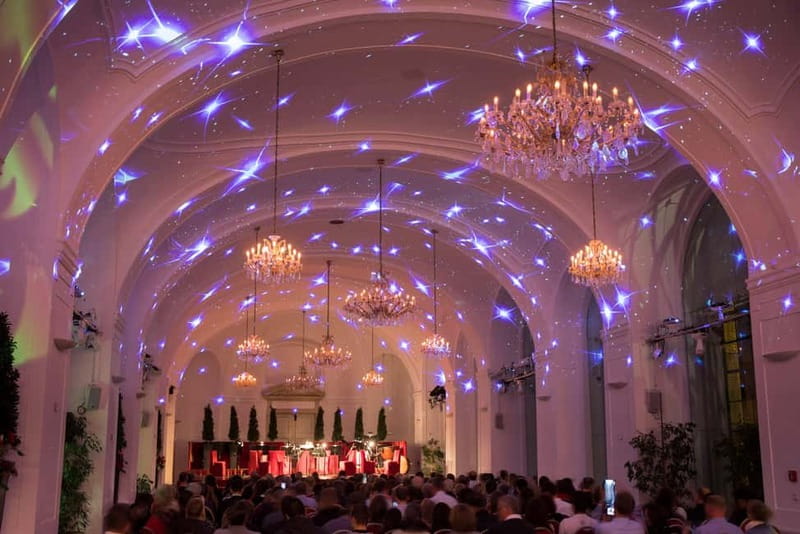
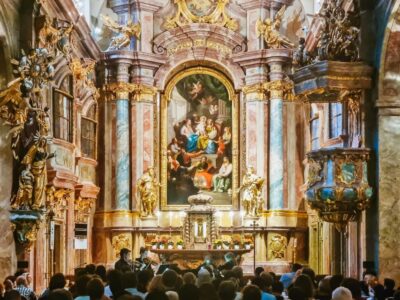
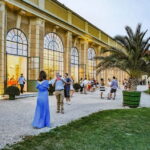
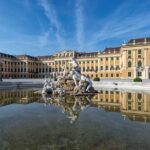
The standout here is the setting. The concert happens in the Orangerie at Schönbrunn Palace, a UNESCO site where the palace and gardens provide the kind of backdrop you don’t get in a regular city hall. And this isn’t just for show—the venue has the feel of an old-world performance space meant for courtly music culture.
Mozart and Strauss are big names, but the real trick is how the program lands in this particular room. You’re not listening to a distant, museum-like recording style. The Orangery’s lighting and chandelier glow (reported by many audience members) help the performance feel warm and present, like you’re part of the evening rather than watching from far away.
You can also read our reviews of more tours and experiences in Vienna.

Where to meet and how to get there without stress
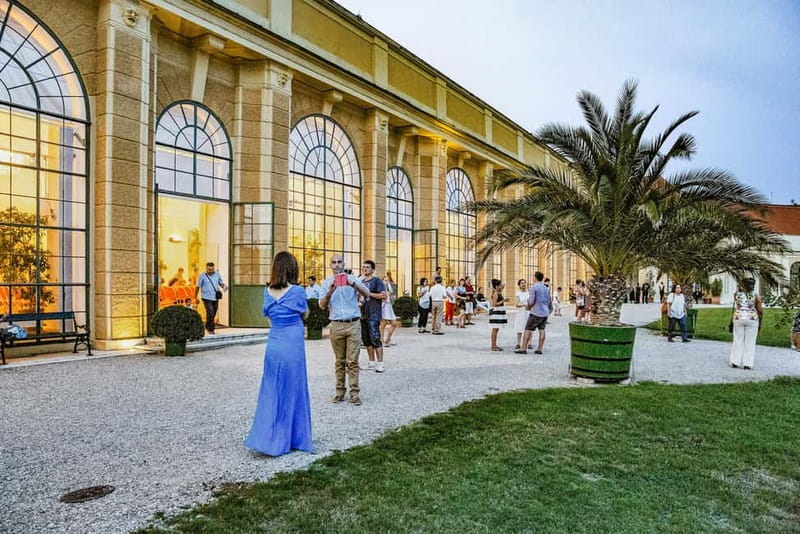
Meet up at the entrance to the Orangerie, to the left of the grand entrance to Schönbrunn Palace. That left-side detail matters, especially if you’re arriving right from the palace area or after walking through gardens.
For getting there, use Vienna’s Metro U4 and get off at Schönbrunn. If you’re arriving by taxi at night, you can be dropped near the venue, which saves you time because it’s a short walk from the main palace entrance area.
Parking exists in front of the Orangery until midnight, but you should expect an additional fee. And if you’re coming during peak evening foot traffic, give yourself a little extra cushion—signage and finding the exact entrance can take longer than you’d guess when the lights are on and everyone is moving.
The run of show: admission timing, intermission breaks, and the 105-minute rhythm
This concert is 105 minutes long, with a clear timing pattern that helps you plan your evening. The concert hall admission starts at 8:00 p.m., and the music begins at 8:30 p.m. Plan to finish at about 10:15 p.m.
There is an intermission, and that’s one of the practical perks. During the break, you can visit the bar, and in warmer seasons you can also access the Orangery garden. That means you’re not stuck in the same room with the same view for the whole time.
If you want the smoothest experience, arrive before the 8:30 start so you’re not walking in while people are still being seated. For many people, the only real friction point isn’t the music—it’s coat and entry flow—so arriving early helps.
What you’ll actually hear: how Mozart and Strauss are staged in one night
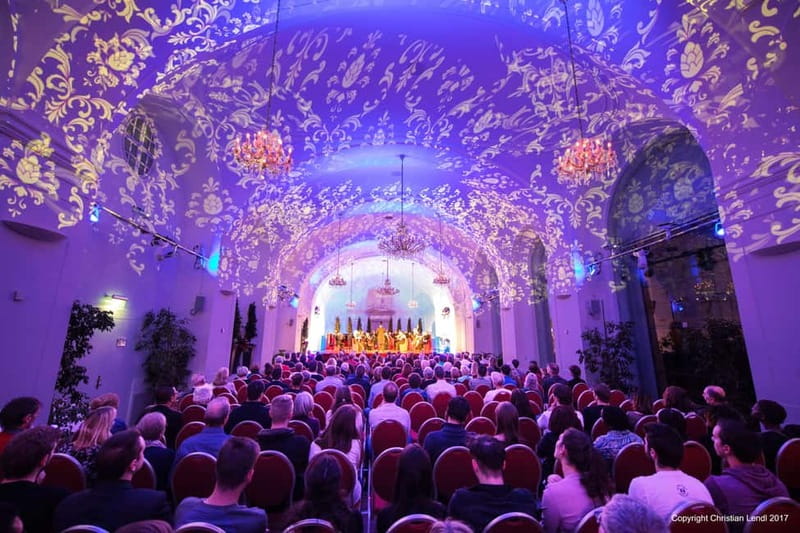
The program is built around two composer blocks. The first half centers on Mozart, and the second half turns to Strauss. That split is genuinely helpful if you like variety but don’t want to commit to a single composer for the whole evening.
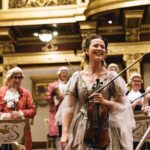
You also get two opera singers—a soprano and a baritone—adding stage presence and character to the orchestral pieces. It’s not full opera with elaborate staging, but it does bring vocal storytelling into the mix. Several audience members note the singers are animated and interact in a way that keeps the mood moving through the program.
If you’re not a lifelong classical fan, this is still a good plan. Strauss tends to bring the recognizable “Vienna” feeling—waltz-style charm and bright melodies—while Mozart brings balance: elegant lines that feel both structured and playful. The result is a concert that works even when you’re there for the setting first and the music second.
Seats and VIP choices: deciding whether front-row and priority are worth it
Tickets start at about $42 per person, which is a key part of why this works as a value play. You’re paying for a focused 105-minute concert in a major landmark location with live singers and a full performance setup—not just a background performance.
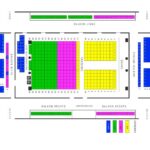
Seating works a little differently depending on your ticket type. The standard offering includes free choice of seating within the seating category for the Schönbrunn Palace concert. That means if you care about being closer, you should arrive early enough to pick the best spot available in your section rather than waiting until the last minute.
VIP is where the experience becomes more “handled.” If you select the VIP category, you get priority access to both the entrance and the concert bar, plus a welcome drink, a printed VIP program booklet, and a glass of sparkling wine. VIP ticket holders also get free coat check, and they’re given seats in the front rows.
Here’s the practical way to think about the upgrade:
- If you hate queues and you want to walk in feeling organized, VIP adds comfort.
- If you want the best visual angles and you like seeing performers clearly, VIP pays off.
- If you’re fine with arriving early and picking a strong seat in your category, the standard ticket is often the smart value.
One honest caution: VIP includes added extras (drinks, front rows, priority), but the music itself is the reason you’re there. So go VIP only if the logistics perks match your style.
Inside the hall: lighting, acoustics, and the small-rules that matter
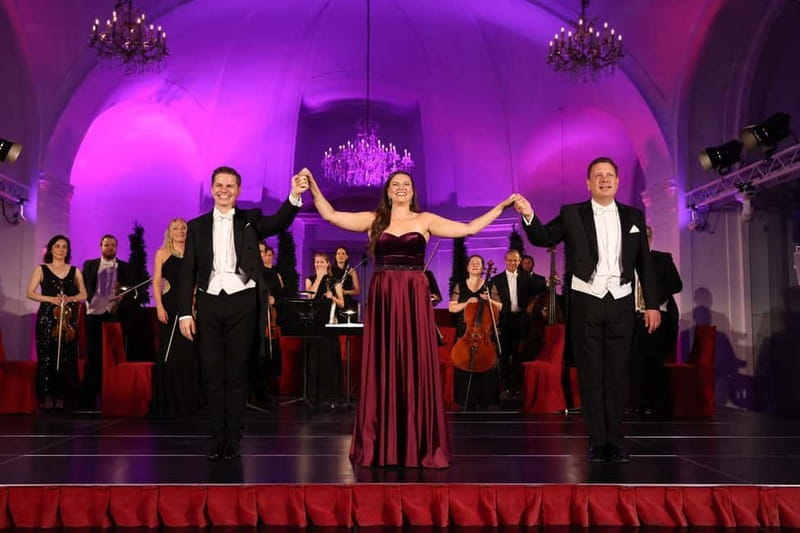
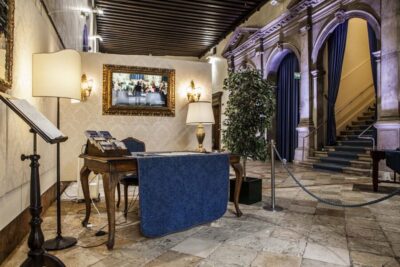
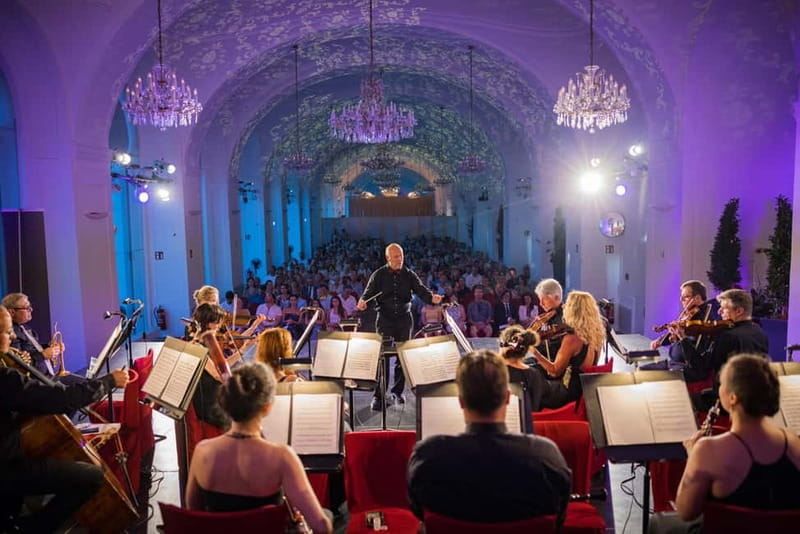
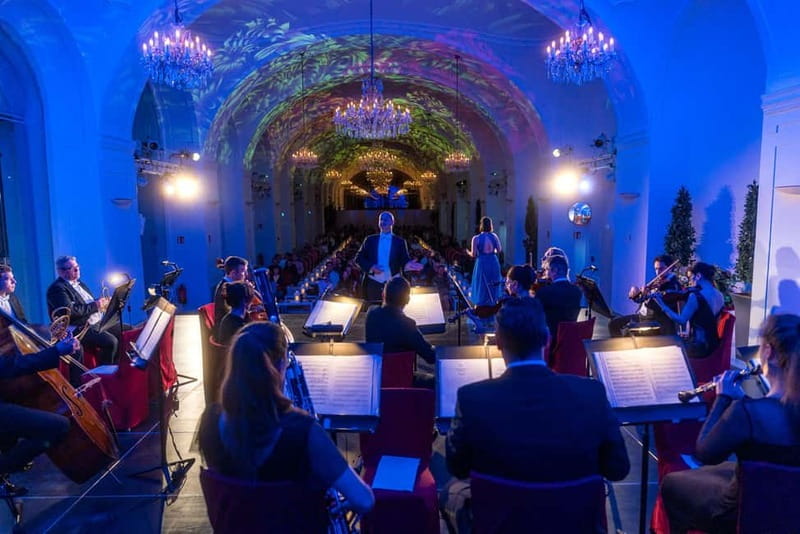
The Orangerie setup is built for a classic listening experience, but the vibe is more interactive than you might expect from “just classical.” The lighting inside is described as especially beautiful—people mention chandelier-style lighting and lighting effects that make the room feel theatrical. That’s part of why this concert can feel memorable even if you’ve heard Mozart and Strauss before.
Acoustics are another reason people rate this highly. In a smaller historic venue, you tend to hear details more clearly: articulation from singers, the clean pulse of strings, and the way the conductor shapes dynamics.
Two rules shape the experience, too:
- No photos or videos are allowed during the performance. If you’re the type who takes “just a quick clip,” plan to go without.
- Expect coat storage requirements. The cloakroom is free for VIP, but otherwise there’s a fee (reported as €1). And it can be mandatory to store jackets and bags, with entry flow creating a temporary bottleneck.
This is the drawback to plan for: if you show up right at the admission rush, you might spend extra minutes in line rather than settling in. The music is worth it, but you’ll enjoy it more if you reduce the waiting.
Intermission at the bar and garden: a calmer way to reset
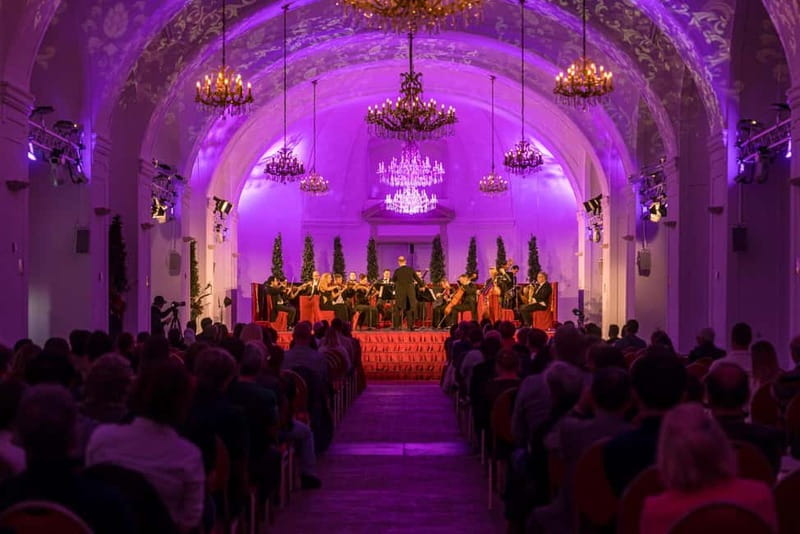
Intermission is where you can take a breath without losing the evening. The bar is available before the concert and during the break. If you want a drink, it’s there—but many people simply treat it as a chance to stretch, regroup, and come back with fresh ears.
On selected warmer dates, you can also access the Orangery garden during intermission. That little change of scenery matters. After about an hour of music, stepping outdoors briefly gives your brain a reset, and you’ll come back ready for the Strauss half.
Special dates: when the concert shifts inside the palace
Most nights, the concert takes place in the Orangerie. But on selected dates, it can move to other palace rooms or halls—things like the Great Gallery or the White-Gold Room, or even a palace theatre setting.
Why that matters for you: the room shape and sight lines can change your experience. If you really care about visual angles—especially if you’re choosing VIP—it’s worth checking what’s scheduled for your exact date. Same music core, but different atmosphere.
Best-fit for different types of Vienna nights
This is one of those experiences that works for a range of travelers, because it mixes three things that don’t often come together: major-composer music, live vocal performance, and a top-tier venue.
You’ll likely love it if:
- you want a classic Vienna evening with a live orchestra and singers
- you enjoy Mozart and Strauss but don’t want a full-length opera commitment
- you like historic settings where the room itself helps tell the story
- you’re shopping for a “one-night splurge” that still feels grounded and real
You might want to skip (or at least adjust expectations) if:
- you’re expecting a full opera production with elaborate staging
- you need lots of free time to wander before the music (coat check and entry flow take some minutes)
- you strongly prefer recording performances on your phone
If you love Vienna for the arts, this hits the sweet spot
Vienna can be overwhelming—so many museums, so many churches, so many streets to cover. A concert like this is a different kind of cultural hit: you’re not chasing content all day. You’re just showing up, sitting down, and letting Mozart and Strauss do their job in a room connected to that tradition.
At around $42 with a 105-minute length, it’s also priced in a way that doesn’t force an all-or-nothing decision. You can enjoy the night without taking a huge bite out of your budget. And if you want maximum comfort and closer views, VIP gives you a clear upgrade path: priority entry, front-row seats, free coat check, welcome drink, and sparkling wine.
For context, this concert has an average rating around 4.5 based on nearly 3,000 bookings, which suggests the experience is consistently landing well—especially for people who value both music and atmosphere.
Should you book the Schönbrunn Mozart and Strauss concert?
Book it if you want a reliable, high-impact Vienna evening: live singers, Mozart and Strauss in one night, and the kind of venue that makes the music feel linked to place. It’s also a good choice if you’d like an easy plan that doesn’t require hours of research—just arrive with enough time to settle.
Consider standard seating unless you strongly want VIP extras like priority access and front-row visibility. If you’re okay choosing your spot early in your category, you can get a lot of the value without paying for every comfort perk.
In short: if you’re even somewhat curious about Mozart and Strauss, this is one of the easiest “yes” decisions for Vienna.