REVIEW · ROME
Rome: A Night At The Opera Experience
Book on GetYourGuide →Operated by TOURISTATION · Bookable on GetYourGuide
A real opera night in Rome, on your terms. You choose from weekly performances and venues, with open ticket flexibility and priority access.
I love the way the Touristation team at Piazza Navona, 25 helps you match the show to your taste, whether that’s a Verdi night like La Traviata or something baroque like Vivaldi and Bach. I also love listening in spaces such as St. Paul’s Within the Walls, where the architecture and sound feel like one package. One consideration: some evenings are more concert-style than full staged opera, so make sure the event you pick matches what you mean by opera.
In This Review
- Key things I’d plan around
- Rome’s night opera route starts at Piazza Navona
- How the open ticket works (and what you’re really buying)
- The venues: why Rome’s buildings matter to your listening
- What you’ll hear: from Verdi arias to baroque favorites
- The pre-show moment: priority entry changes your whole night
- Choosing your night wisely: practical tips that actually help
- What the experience feels like once you’re inside
- Who should book this night opera, and who should skip it
- Should you book this Rome night at the opera?
- FAQ
- Where do I check in for this opera experience?
- Can I choose which opera event I attend?
- Do I get priority skip-the-line access?
- What types of music or works are included?
- What venues might I visit?
- Is there Wi-Fi at the meeting point?
- How long is the experience?
- Is it wheelchair accessible?
- What cancellation options are available?
Key things I’d plan around
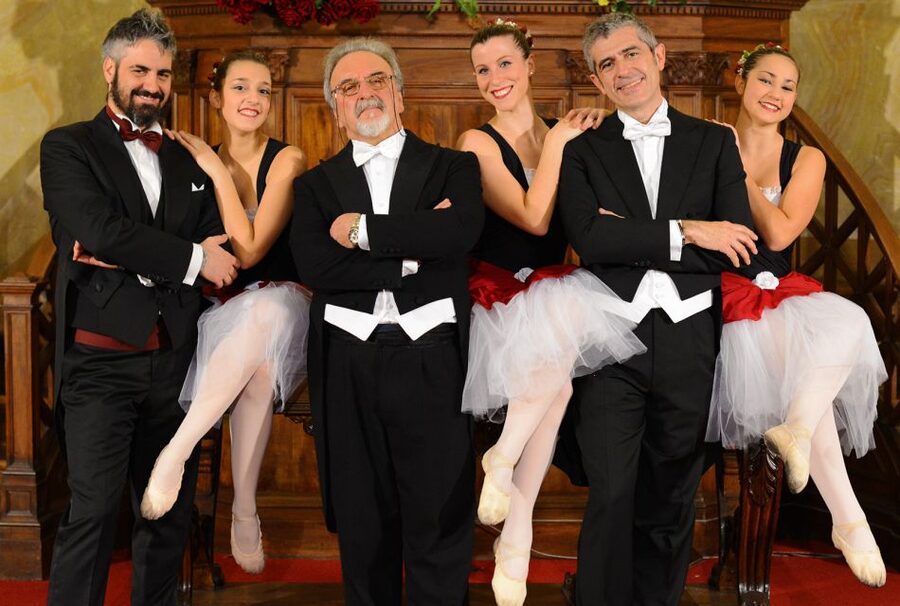
- Open ticket, real choice: pick the evening from the weekly calendar with staff help.
- Priority skip-the-line access: you spend less time waiting and more time listening.
- Venues that change the sound: churches, cathedrals, museums, Roman ruins, and Piazza Navona Underground.
- Familiar masterpieces, plus variety: expect names like La Traviata and Rigoletto, plus composers such as Vivaldi and Bach.
- Strong ambience focus: reviewers highlight beautiful churches and strong atmosphere.
- Accessibility and venue-fit matter: it’s not suitable for wheelchair users.
Rome’s night opera route starts at Piazza Navona
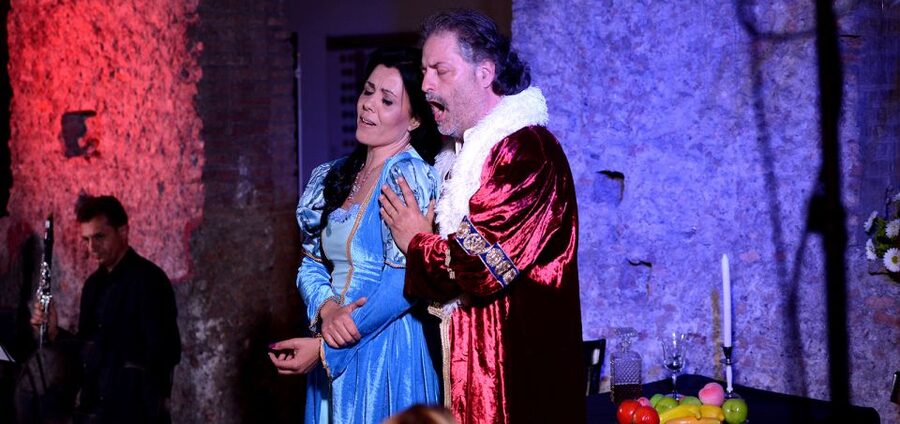
Your evening begins at the Touristation office at Piazza Navona, 25. This is useful because you’re not trying to figure out where a specific venue is while you’re already hunting for dinner, a bus, or a last-minute taxi. Instead, you start in a place that’s easy to reach and easy to find.
At the information point, multilingual staff are there to help you choose. That matters because this is an open-ticket format: you’re not locked into one exact program when you book. You’re booking access to an opera event from the current schedule, and the staff helps you match your night to what’s available.
You’ll also get free Wi‑Fi at the meeting point, which is handy for last checks—like confirming what name you chose and what time you should be heading out.
You can also read our reviews of more tours and experiences in Rome.

How the open ticket works (and what you’re really buying)
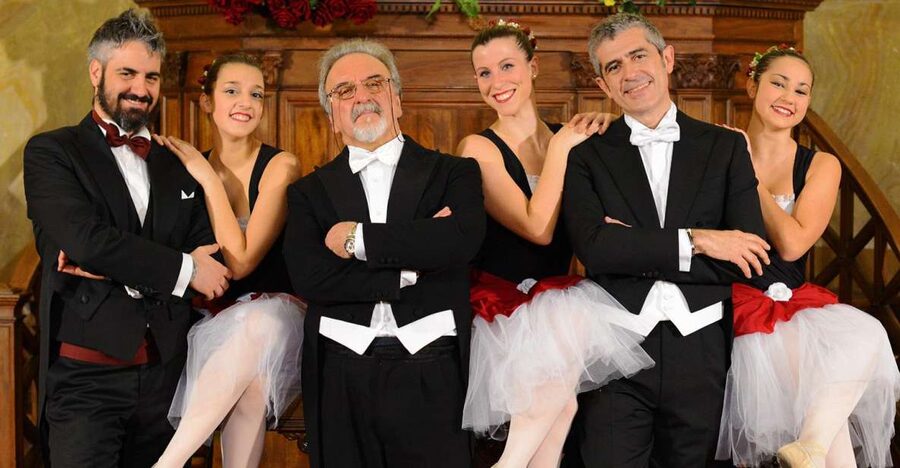
This experience sells you a ticket that is flexible in two ways. First, you choose among opera events on the calendar for the week. Second, you choose the type of venue and show style that fits your mood.
That’s where you get value for the price. At $44 per person for a one-day ticket, you’re not just paying for a seat—you’re paying for:
- staff support to select from multiple nightly options,
- priority skip-the-line access, and
- entry to a performance that happens in a notable Rome location.
Because the schedule changes, the activity is best treated as a plan for a specific evening window. Check availability for starting times, then pick a night that lines up with your energy level and dinner plans.
The venues: why Rome’s buildings matter to your listening
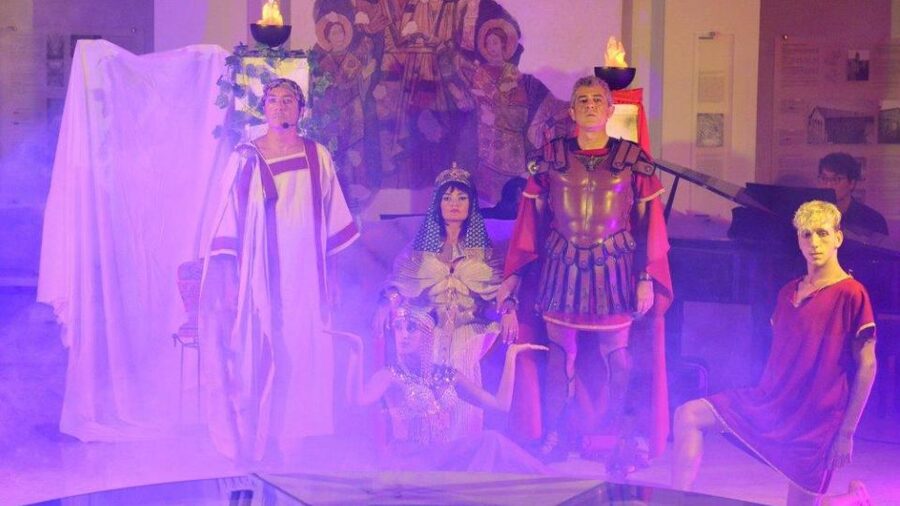
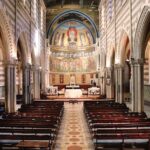
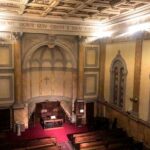
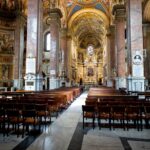
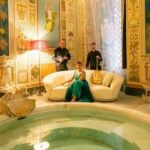
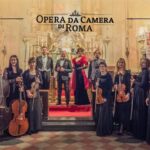
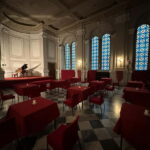
The biggest reason this ticket feels like more than a typical concert is the venue list. You may find performances in cathedrals, museums, Roman ruins, and churches. One example mentioned is St. Paul’s Within the Walls, and another is Piazza Navona Underground, linked to a Roman archaeological dig.
Here’s why that matters: music doesn’t sound the same everywhere. The shape of a church, the materials of a historic interior, even the way sound reflects in the space—these can make an aria feel intimate or can flatten it a bit. One review specifically called out acoustics as not working well in a certain location, and that’s a real factor to keep in mind.
So when you’re choosing your show, think like this:
- If you care most about atmosphere and architecture, pick the location that feels special to you.
- If you care most about sound quality, pick a venue that you expect will handle voice and strings well (and don’t be afraid to ask staff which location tends to work best).
Also, one important theme from the feedback: the experience can be stunning, but not every stop is equally impressive as a historic space. If the setting matters a lot to you, you’ll want to ask what the venue is like for your specific date and time.
What you’ll hear: from Verdi arias to baroque favorites
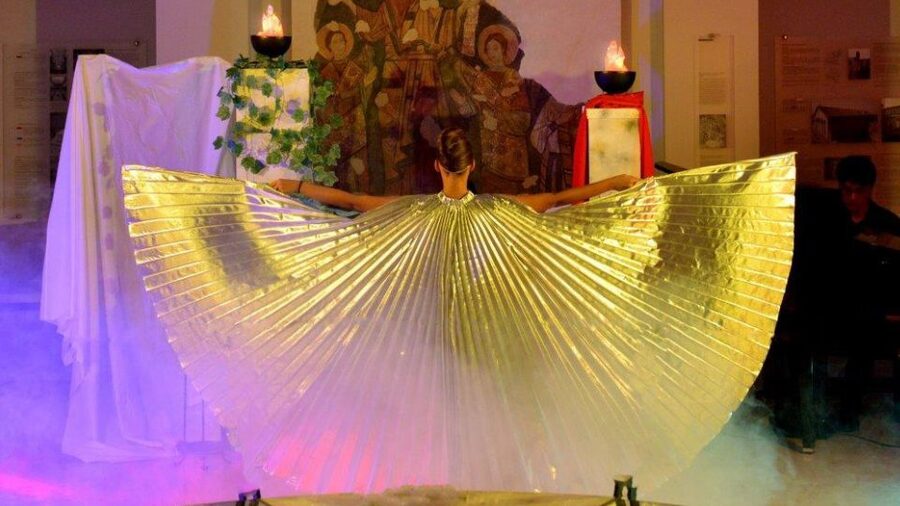
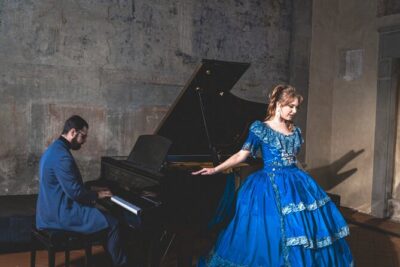
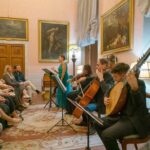
The program is built around classic opera and opera-adjacent concerts. You can expect recognizable works and composers. Titles mentioned include La Traviata and Rigoletto. You’ll also see Vivaldi and Bach mentioned for certain venues, including options tied to churches.
That mix is part of the appeal. It means you don’t have to be a hardcore opera nerd to enjoy the night. If you know a handful of arias, you’ll likely recognize enough to stay engaged. If you’re more of a classical listener who likes strings, phrasing, and vocal lines, you’ll have plenty to enjoy too.
Still, here’s the consideration that comes straight from the experience feedback: you might end up at a concert in a church that feels more like a musical evening than a fully staged opera production. If what you want is full opera staging, costumes, and a dramatic theatrical package, double-check the description of the event you choose at the Touristation office.
The pre-show moment: priority entry changes your whole night
The ticket includes priority skip-the-line access. That’s not a small perk in Rome, where you can lose time just finding the right line, then standing there hoping you guessed correctly.
With priority entry, you can:
- arrive closer to the start time without panic,
- avoid wasting your best energy hunting for access points, and
- settle in faster, which matters for music. Better seats and fewer distractions can change how much you enjoy the first few pieces.
Even the small touch of free Wi‑Fi at the meeting point helps you stay organized if you’re trying to coordinate with another person, map out your route to the venue, or just confirm the time you’re heading out.
Choosing your night wisely: practical tips that actually help
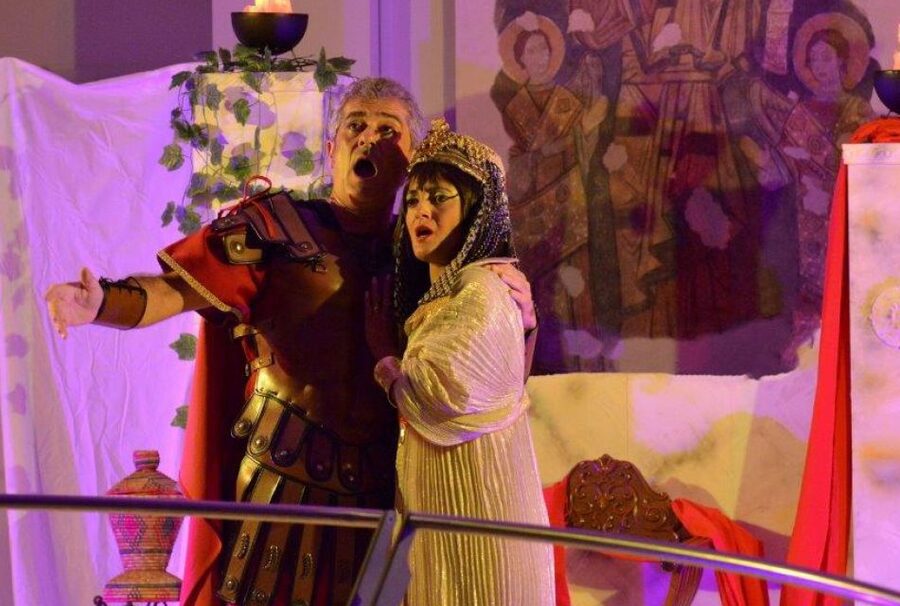
Because this is an open ticket, your main task is choosing the right match between show, venue, and your expectations. Here are the ways I’d make that choice work better for you:
First, treat the selection like a mood decision, not a homework assignment. If you want pure opera focus, aim for the event explicitly tied to La Traviata or Rigoletto. If you want something more baroque and string-forward, choose Vivaldi and Bach options when offered.
Second, ask about the venue experience. If you care about sound quality, you’re allowed to ask what the acoustics are like in that specific location. One review pointed out a poor acoustic experience, and that kind of detail is exactly what you want to avoid.
Third, keep your expectations aligned with the event format. One unhappy review said the evening didn’t feel like opera as expected and left halfway. That tells me you should confirm whether you’re attending a full opera performance or a concert format in a church setting.
Finally, plan your Rome rhythm. This is a one-day experience with evening shows. You’ll enjoy it most if you keep your dinner and walking time realistic—Rome can move slowly when streets are crowded, and you want to arrive rested, not rushed.
What the experience feels like once you’re inside
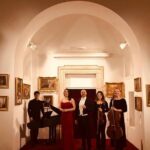
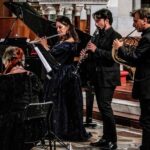
The strongest praise in the feedback points toward two things: musicianship and the setting. People highlighted the musical quality and the way the ambience made it easier to enjoy the performance. One review described a beautiful church and the ambience as perfect, and another praised the musicians and even noted an intimate group size.
Intimacy is worth calling out. Smaller audiences tend to make listening feel direct: you notice phrasing more, you catch details in the interplay between voice and strings, and you’re less distracted by big-room energy. You might find this in certain venues, even though the experience description doesn’t guarantee group size every night.
At its best, this ticket turns Rome sightseeing into a listening experience. Instead of checking boxes, you get a cultural moment that belongs to the place you’re standing in—stone, light, and sound working together.
Who should book this night opera, and who should skip it
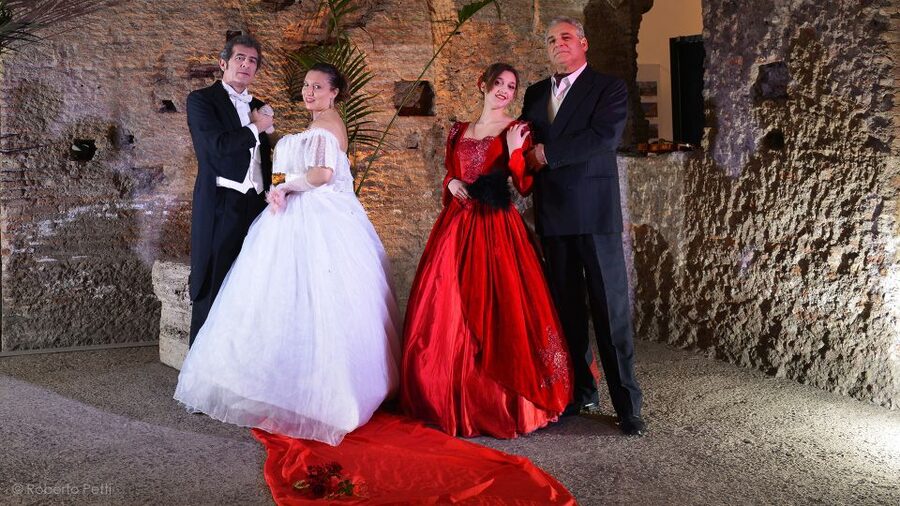
This experience is a strong fit if you:
- like classical music and want a chance to hear familiar works,
- enjoy Rome’s churches and historic interiors,
- want a flexible plan without locking into a single venue far in advance,
- value priority access so your evening stays smooth.
It’s less ideal if you:
- need wheelchair accessibility (it’s not suitable for wheelchair users),
- have very strict expectations about full opera staging,
- get easily disappointed if a venue’s acoustics aren’t perfect.
Also, the rules are clear: no pets, no smoking (including indoors), and no alcohol or drugs, plus no sprays or aerosols. If you’re the type who likes to bring anything like that into a venue, this is not the night for it.
Should you book this Rome night at the opera?
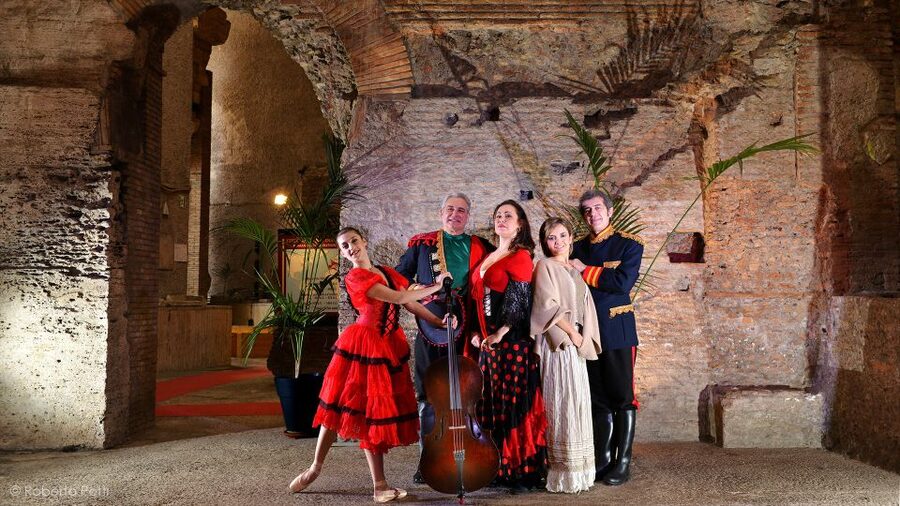
I think you should book if you want a classic Rome evening with music in historic settings, and you’re open to choosing the exact night and venue based on what’s on that week’s calendar. The combination of open ticket flexibility and priority skip-the-line access is real value, especially when you’re trying to fit one great cultural thing into a busy travel schedule.
I’d be cautious if your definition of opera is very specific. If you’re expecting a full staged opera experience every time, verify the event type when you arrive at the Touristation desk and ask how the evening is structured. If sound quality is your top priority, also ask which venue tends to work best for voice and string music.
Bottom line: this is a smart way to buy a great night in Rome—music plus place—while keeping enough flexibility that you can match the show to your taste rather than forcing yourself into one fixed plan.
FAQ
Where do I check in for this opera experience?
You report at the Touristation office at Piazza Navona, 25.
Can I choose which opera event I attend?
Yes. You book an open ticket and then choose one of the opera events according to the weekly calendar with help from the staff.
Do I get priority skip-the-line access?
Yes. Your ticket includes priority skip-the-line access to the event.
What types of music or works are included?
The experience includes opera and classic performances. Examples mentioned include La Traviata and Rigoletto, plus composers such as Vivaldi and Bach.
What venues might I visit?
Venues can include cathedrals, museums, Roman ruins, and Piazza Navona Underground. St. Paul’s Within the Walls is also mentioned as an example venue.
Is there Wi-Fi at the meeting point?
Yes. There is free Wi‑Fi at the meeting point.
How long is the experience?
It’s valid for 1 day, with the starting time depending on the available events on the calendar.
Is it wheelchair accessible?
No. It is not suitable for wheelchair users.
What cancellation options are available?
Free cancellation is available up to 24 hours in advance for a full refund.