REVIEW · VIENNA
STATE OPERA – PRIVATE guided tour (tickets included)
Book on Viator →Operated by Giselle Tours Vienna · Bookable on Viator
Opera has backstage secrets here. A private Vienna State Opera tour with admission included turns the building into your guide, from the famed 150-year-old controversy to the later post–World War II rebuild. You’ll also hear how the repertoire actually lives day to day, not just how it looks on opening night.
Two things I especially liked. First, Giselle brings opera stories down to human scale—friendly, funny, and willing to steer the tour toward your interests (even Beethoven came up for one music-minded guest). Second, the mobile ticket and private pacing make the visit feel smooth instead of rushed.
One consideration: at $267, it’s not a budget pick. It tends to make the most sense if your group wants a true one-on-one-style experience and can share the cost.
In This Review
- Key highlights you’ll care about
- Meeting the Wiener Staatsoper at Opernring 2
- Old pomp meets a postwar rebuild: the architecture story
- You’ll hear the opera’s real star power (not just names)
- Seeing how performances actually get made: daily set changes
- Opera Ball lore: millionaires, politicians, and the social side
- Why this tour feels different: private pacing and real conversation
- Price and value: what $267 buys you
- Practical tips so you enjoy every minute
- Who should book this private Staatsoper tour
- Should you book the private State Opera guided tour?
- FAQ
- How long is the private State Opera guided tour?
- What’s the meeting point for the tour?
- Is admission included in the price?
- Do I get a mobile ticket?
- Is this tour private?
- How close is the meeting point to public transportation?
- Will I get confirmation right away?
- Is the tour suitable for most travelers?
- What’s the cancellation policy?
- If I cancel within 24 hours of the start time, will I get a refund?
Key highlights you’ll care about
- Private guide, only your group for a calmer pace and more Q&A
- Admission ticket included, so you’re not adding a separate add-on step
- Old and modern Staatsoper areas, with explanations of what changed and why
- Opera Ball stories, including who shows up and how it’s celebrated
- Stage-set logistics, like how changes happen daily and where sets are stored
- A star-and-composer lineup you’ll hear connected to real careers
Meeting the Wiener Staatsoper at Opernring 2
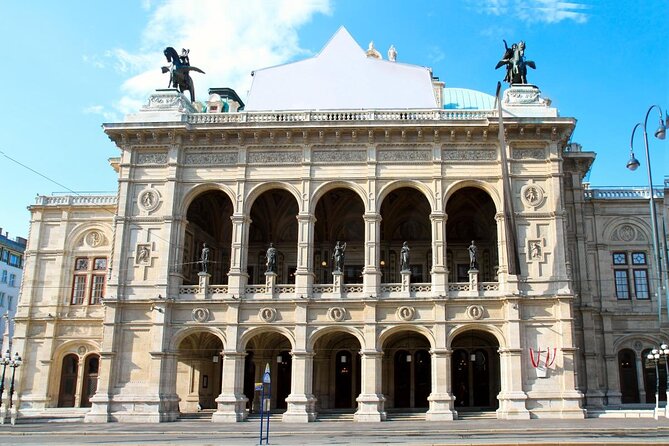
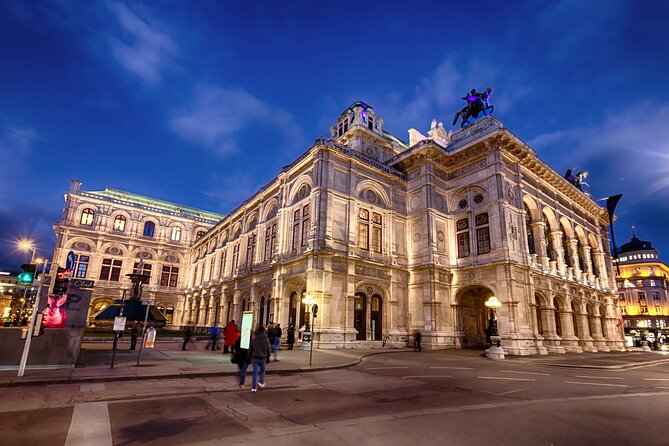
You start right where the magic begins: Vienna State Opera, Opernring 2 (1010 Wien). The location is practical, too. It’s near public transportation, so you’re not burning your energy on transfers before the tour even begins.
The best part of starting at the opera itself is mindset. You’re not walking up to a photo spot and moving on. You’re arriving at a working institution, and your guide sets you up to understand what you’re about to see—architecture, performance culture, and the machinery behind the curtain.
The tour runs about 1 hour 30 minutes, so you’ll cover a lot without feeling stuck inside a slow museum shuffle. If you like your sightseeing with purpose, this format fits.
You can also read our reviews of more tours and experiences in Vienna.


Old pomp meets a postwar rebuild: the architecture story
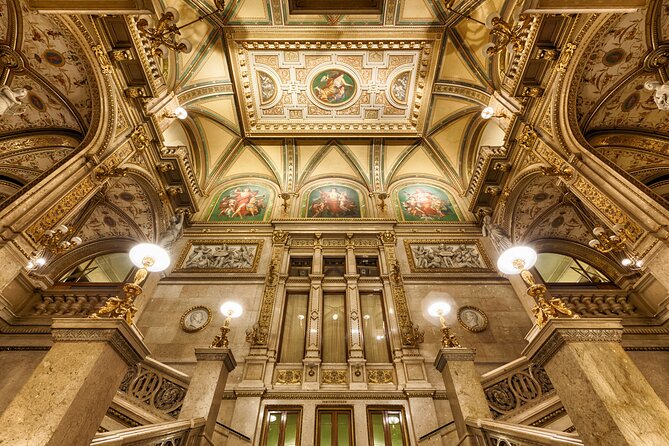
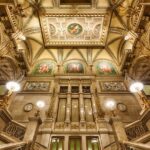
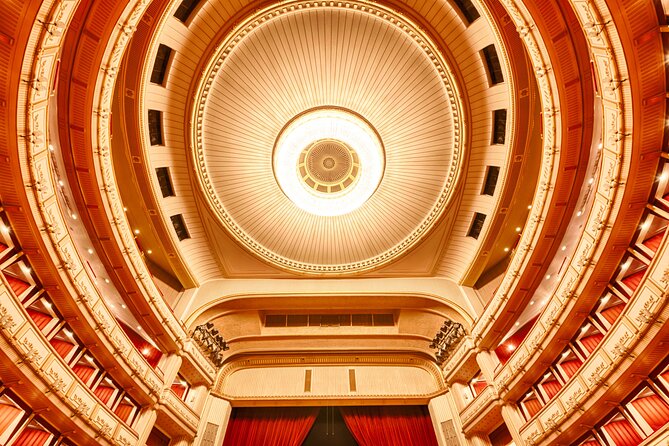
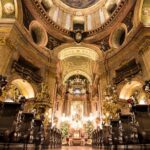
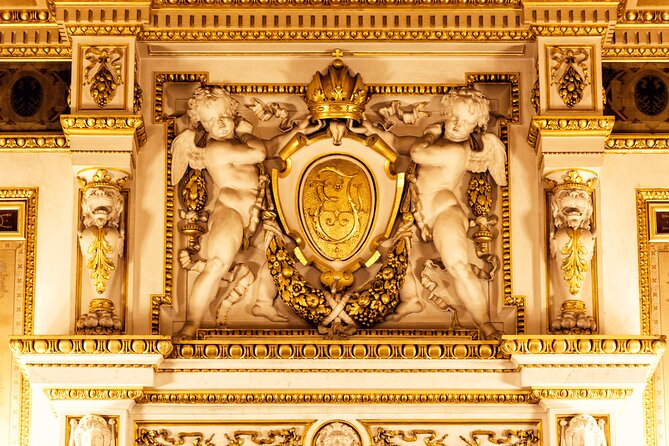
The State Opera is a place where you can feel different eras talking to each other. You’ll spend time looking at the very pompous older part as well as the modern section built after the Second World War. That mix matters, because it explains why the building feels both grand and functional.
One detail I really appreciated is that the story doesn’t stay polite. The opera’s backstory includes a scandal serious enough to lead to the death of the architect. That kind of human drama makes the building feel real, not like a postcard frozen in time.
As you move around the public areas, your guide ties the architecture to how the institution works today—how a historic venue still has to run on schedules, storage, stage changes, and modern production needs. You’re not just admiring walls. You’re learning why the space looks the way it does.
You’ll hear the opera’s real star power (not just names)
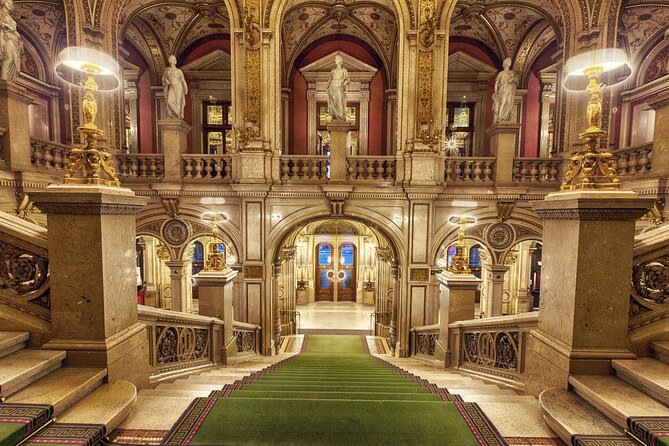
A big reason opera tours can feel dry is that they recite famous names like a school worksheet. This one uses those names to explain careers and reputation—who succeeded here, and why that mattered to Vienna.
You’ll hear about major performers and music figures such as Plácido Domingo, Montserrat Caballé, José Carreras, Gustav Mahler, Herbert von Karajan, Rudolf Nureyev, and Margot Fonteyn. Then the guide connects the spotlight to the opera house itself: this isn’t just who stood on stage, it’s what the institution became known for.
I also liked that your conversation stays flexible. In one case, the guide talked with a musician guest about Beethoven, showing that she’ll respond to the group’s interest rather than reciting a fixed script. If you’re the type who likes asking questions—Why did this composer fit the house? What made these performers stand out?—you’ll likely find the answers come naturally.
Seeing how performances actually get made: daily set changes
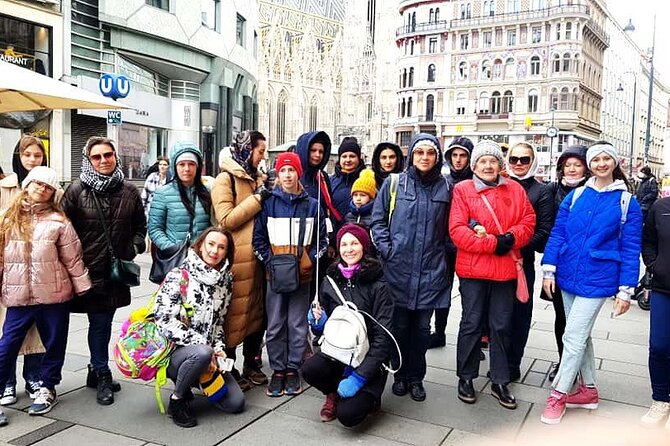
Here’s where the Staatsoper tour earns its keep. You’ll go beyond opera as an event and focus on opera as a production machine.
Your guide explains how stage sets change daily—not just that they do, but how the process fits into rehearsals and performances. You’ll also learn where the sets are stored, which helps you understand the opera house as a logistics operation as much as a cultural landmark.
You’ll even hear about how many people work for the institution in total. That point can feel abstract until someone explains how many moving parts must coordinate for a show to run on time. Once you connect staff numbers to what you’re seeing, the whole building starts to make sense as a system.
This is also where the tour stays engaging instead of academic. You end up looking at areas open to the public with new eyes: doorways and hall spaces become part of the workflow, not just decoration.
Opera Ball lore: millionaires, politicians, and the social side
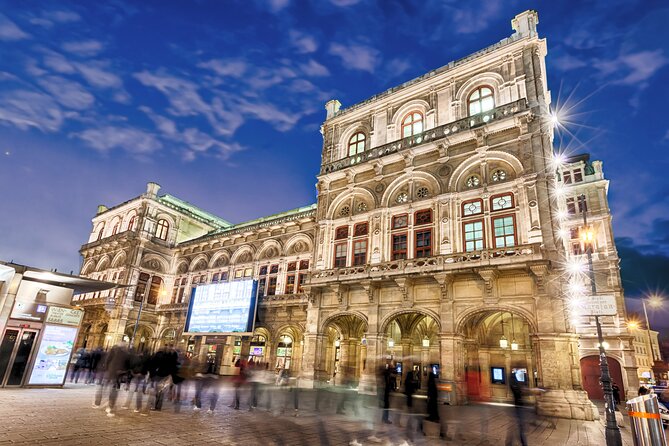
The State Opera isn’t only about rehearsals and curtains. It’s also woven into Vienna’s social calendar—and your guide brings that angle in.
You’ll hear how the Opera Ball is celebrated, including the fact that it involves millionaires and local politicians. That detail matters because it explains how the opera house functions as a symbol: not only a stage for music, but a stage for status, tradition, and public life.
Even if you never dress up for the Ball (no judgment if that’s not your thing), the story still pays off. You’ll better understand why Vienna treats this institution with so much ceremony. The building is designed to impress. And the culture around it follows that same logic.

Why this tour feels different: private pacing and real conversation
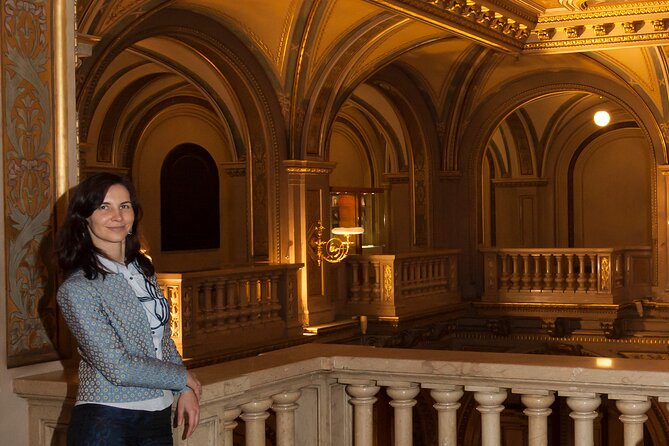
This is a private tour, meaning only your group participates. That changes the tone. You’re not competing for attention in a crowd. Instead, your guide can adjust at a normal human pace—answering questions when they come up and steering the story toward what your group cares about.
From the feedback I saw, communication before meeting stood out. That helps, because you can arrive knowing what to ask and how to participate. A good private guide doesn’t just lead you around. She helps you get the most out of the time you’re spending.
And yes, the “felt like nobility” comment makes sense here. The setting does that to people. When a guide frames the building and its traditions well, you naturally start walking and looking differently—as if you’re part of Vienna’s cultural conversation, not just passing through.
Price and value: what $267 buys you
Let’s talk value without sugarcoating it. $267 for a 1 hour 30 minute private guided tour with admission included isn’t cheap. But the question is what you’re buying.
You’re not just paying for entry. You’re paying for:
- A guide who connects architecture to opera culture
- Time spent on how performances function behind the scenes concepts
- Stories tied to major performers and composers associated with the house
- The flexibility of a private format (more Q&A, less rushing)
So if you’re traveling as a small group and you want more than a standard group walkthrough, this starts to look like a sensible splurge. If you’re traveling solo on a tight budget, you might feel the cost more sharply—especially with only one main focus stop (the opera house itself).
Practical tips so you enjoy every minute
This tour is short enough that good prep helps.
- Arrive a few minutes early at Opernring 2 so you don’t stress about timing.
- Think about what you want from the visit: architecture stories, famous performers, or the production side like stage sets.
- If you have a music angle (composer, conductor, a specific style), bring it up. The guide’s approach seems to adapt based on group interests, and that’s where you’ll get the most satisfying answers.
One more note: it’s designed for most travelers and you’ll be near public transportation. Still, keep in mind that you’re touring inside an active, structured venue. Wear shoes that handle walking comfortably.
Who should book this private Staatsoper tour
This is a great fit if you:
- Want a Vienna opera experience with context, not just photos
- Prefer a private guide who can respond to questions
- Enjoy architecture, but also want the human stories tied to major artists
- Like behind-the-scenes ideas, such as how sets change and where they go between performances
It’s less ideal if you only want a freeform wander or you’re looking for a multi-stop route across the city. This one keeps its focus tightly on the State Opera—and that’s the point.
Should you book the private State Opera guided tour?
If you want a smarter, calmer way to experience the Wiener Staatsoper, I’d say book it. The combo of admission included, private pacing, and production-style explanations is a strong value for anyone who cares about more than surface-level sightseeing.
I’d hold off only if your priority is saving money over guided depth, or if a 1 hour 30 minute single-venue visit feels too narrow. For the right traveler—especially groups who can split the cost—this tour turns one famous building into a story you’ll remember.
FAQ
How long is the private State Opera guided tour?
It lasts about 1 hour 30 minutes.
What’s the meeting point for the tour?
You meet at Vienna State Opera, Opernring 2, 1010 Wien, Austria.
Is admission included in the price?
Yes. The admission ticket is included.
Do I get a mobile ticket?
Yes. The tour uses a mobile ticket.
Is this tour private?
Yes. It’s private, and only your group will participate.
How close is the meeting point to public transportation?
The meeting point is near public transportation.
Will I get confirmation right away?
You’ll receive confirmation at booking time unless you book within 1 hour of travel. In that case, confirmation is sent as soon as possible, subject to availability.
Is the tour suitable for most travelers?
Most travelers can participate.
What’s the cancellation policy?
There is free cancellation up to 24 hours in advance for a full refund.
If I cancel within 24 hours of the start time, will I get a refund?
No. If you cancel less than 24 hours before the experience starts, the amount you paid will not be refunded.