REVIEW · VIENNA
Vienna Private Walking Tour including State Opera
Book on GetYourGuide →Operated by Travmonde OÜ · Bookable on GetYourGuide
Vienna’s opera house sets the tone fast. This private 3-hour walk stitches together centuries of power and art, starting at the Vienna State Opera and rolling on through the old imperial core, with history tied to the city’s famous composers and music culture. You’ll also walk from the grand to the gritty, from Roman-era traces to the Austro-Hungarian and beyond.
I love how the tour explains the big shifts in plain language, from Roman Vindobona to the Habsburg era. I also like the way the route stays visual: the Mozart Monument, Hofburg façades, key churches, and finally Stephansdom all make the story feel real, not like a textbook.
One thing to consider: the State Opera access may be limited (lobby areas are sometimes all you get), and the opera portion can depend on what the house allows on the day, so you should confirm exactly what’s included before you go.
In This Review
- Key highlights you should care about
- Vienna State Opera first: why that starting point matters
- State Opera visit: what you’ll see (and the only “gotcha” worth planning for)
- Habsburg power walk: Roman Vindobona to the Hofburg zone
- Mozart Monument and the imperial streets around museums
- Michaelertor and Michaelerkirche: why this church is an imperial clue
- Roman ruins, medieval walls, and the memory of the Burg Theatre
- Graben (Der Graben) and St. Peter’s: a street walk with a backstory
- World Wars and the birth of the Second Republic: history with weight
- Stephansplatz and Stephansdom: where the walking tour clicks shut
- Price and logistics: is $323 per group actually good value?
- Who this tour fits best (and who should think twice)
- Should you book this Vienna Private Walking Tour including State Opera?
- FAQ
- How long is the Vienna Private Walking Tour including State Opera?
- Where does the tour meet?
- What is included in the price?
- Are entrance fees included?
- What group size is this for?
- What languages are offered?
- Is the tour suitable for people with mobility impairments?
Key highlights you should care about
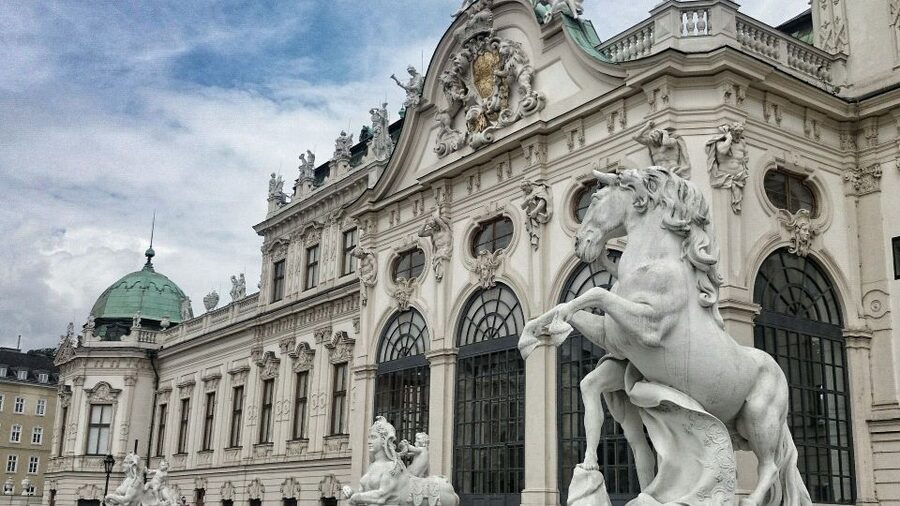
- State Opera context: why the building’s name changed and which famous musical leaders worked there
- Roman to Habsburg timeline: Vindobona clues, medieval remnants, and the imperial Hofburg zone
- Music names on the street: Mozart, Haydn, Beethoven, Schubert, Strauss, Brahms, Mahler, and more tied to landmarks
- Church stops with purpose: Michaelerkirche and Peterskirche framed as part of imperial identity
- Der Graben to Stephansdom: a classic walk that lands at Vienna’s top cathedral
Vienna State Opera first: why that starting point matters
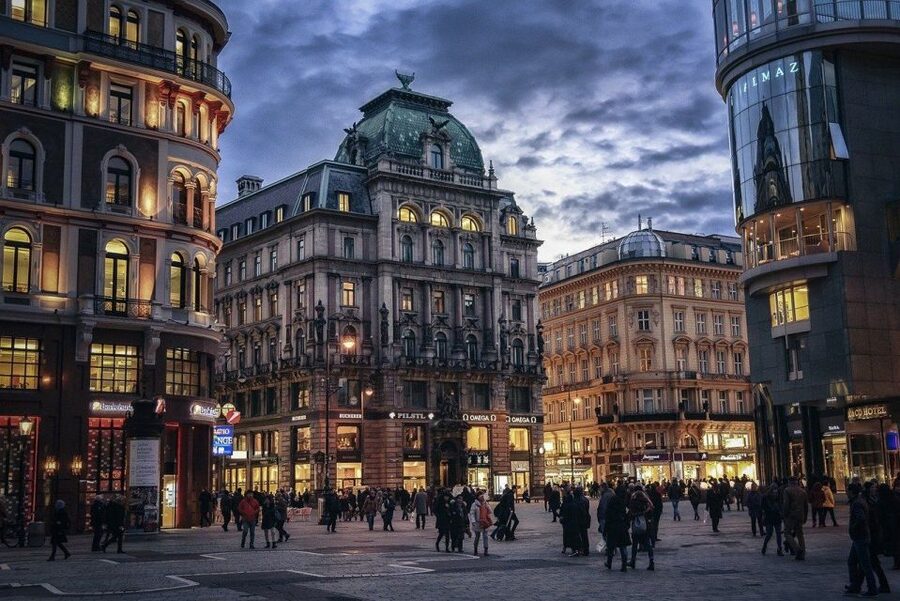
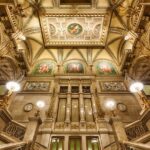
Starting at the Vienna State Opera is smart. It’s not just a pretty façade moment. The guide can point out how this place became the city’s music heartbeat—and how the opera world connects to the wider story of power in Vienna.
The building’s timeline is part of the thrill. It traces back to the 1860s era when it was called the Vienna Court Opera. Then, in 1920, the name changed as Austria formed its early republic. That little detail helps you see the opera house as something political as well as artistic. This tour uses that idea again and again: institutions, regimes, and culture move together here.
The tour is private, for up to 15 people. That matters because you’re not stuck listening to a crowd through headsets. You can ask questions about what you’re seeing, and the guide can adjust the pace if your group is slower on the walking parts.
You can also read our reviews of more tours and experiences in Vienna.

State Opera visit: what you’ll see (and the only “gotcha” worth planning for)
The experience includes a visit to the State Opera, with a local professional guide. That’s the headline. But here’s the practical caution: “visit the opera” doesn’t always mean you’ll tour the same areas as a full behind-the-scenes experience.
What you can count on is that you’ll start at the opera and the guide will connect the building to famous works and people. The tour description calls out major repertoire like La Traviata, La Clemenza di Tito, and Verdi’s Don Carlo. It also references leaders such as Gustav Mahler, Herbert von Karajan, and Claudio Abbado, which gives the opera a real historical backbone as you look at the space.
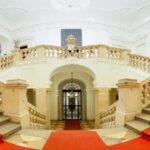
What you should not assume is full access to every part of the building. The details you have say entrance fees aren’t included, and at least one visitor noted the visit may be mainly the lobby. Translation: expect a guided look at public-facing spaces, and don’t be surprised if certain rooms require separate access or additional fees.
If the opera portion is the main reason you booked, do yourself a favor: ask the operator ahead of time what exact areas you’ll enter. That single question can save you from that sinking feeling of arriving ready for one thing and getting another.
Habsburg power walk: Roman Vindobona to the Hofburg zone
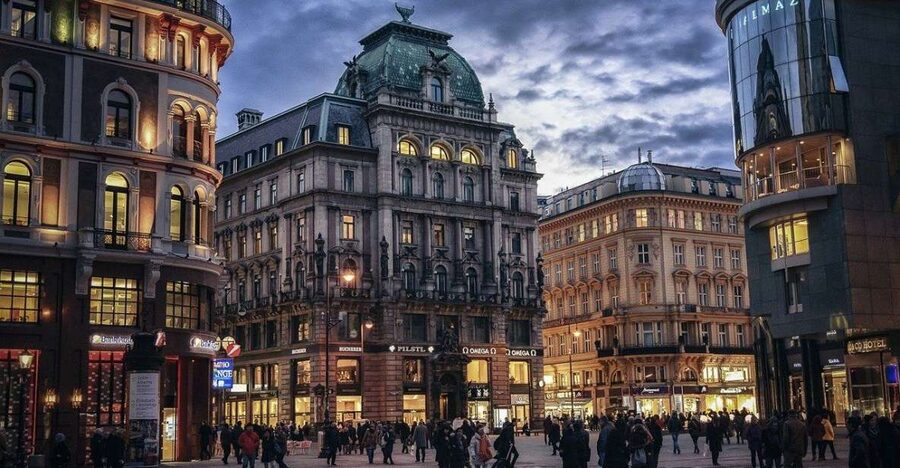
After you leave the opera area, the route turns into a history lesson you can walk through. Vienna’s inner core is basically layers on layers—Rome first, then medieval growth, then Habsburg rule shaping the city’s look and institutions.
You’ll hear about Roman Vindobona, Vienna’s Roman settlement, and you’ll see Roman-era traces and ruins in the central square area. The tour also points out old medieval walls and remnants tied to the former Burg Theatre. It’s a good mix: stone you can see now, plus explanations for what the stone used to be during major chapters of city life.
Then you move into the Habsburg orbit. The tour description specifically calls out the Hofburg, described as centuries-long opulent home of the Habsburg Empire. Even if you’ve never studied the family, you’ll understand why they mattered: they didn’t just rule. They helped set Vienna’s identity as an imperial capital where the arts and politics were tightly linked.
That connection shows up again around the museums and palace façades. The Art History Museum area and the Hofburg zone give you a visual sense of how the city built grandeur to express authority.
Mozart Monument and the imperial streets around museums
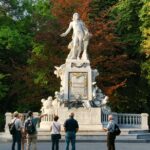
One of the easiest wins for visitors is when a tour can point at a famous statue and connect it to the city’s broader cultural system. This one does that with the Mozart Monument.
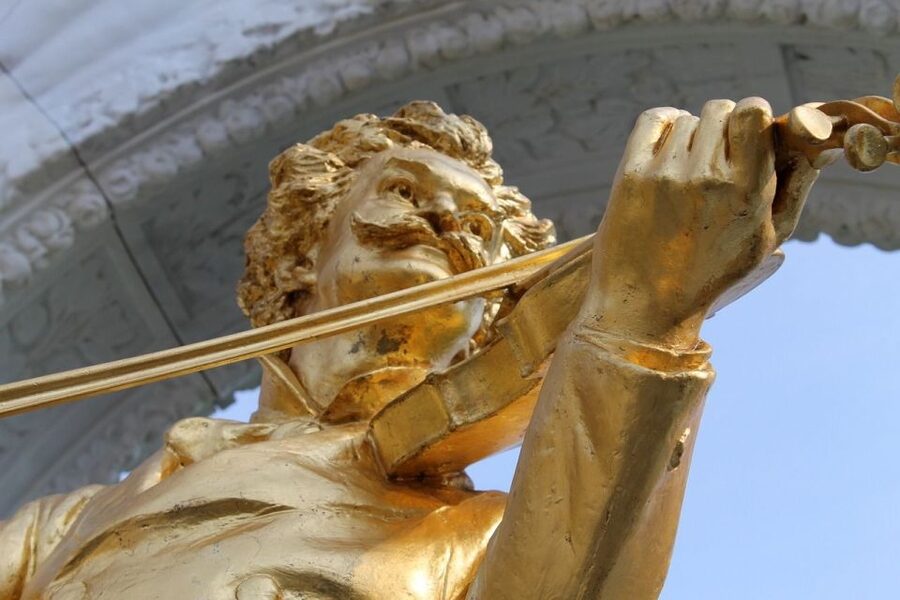
From there, the walk flows through the “institution belt”—museum façades, palace areas, and the kinds of buildings that signal Vienna’s old role as a center for art, patronage, and music training. The tour also aims to connect those art-and-music themes directly to big names you’ll recognize instantly: Mozart and Haydn, then Beethoven and Schubert, plus the Viennese waltz and opera world with Johann Strauss (father and son), Brahms, and Gustav Mahler.
You don’t need to be a serious music nerd to enjoy this part. The key is that the guide uses these composers as anchors. Instead of only listing names, you get a sense of where the “Vienna sound” grew—within a city that supported music as a high-status craft, not just entertainment.
Michaelertor and Michaelerkirche: why this church is an imperial clue
The tour passes the Michaelertor gate and then aims for the Church of St. Michael, also known as the Michaelerkirche. This stop is one of those places where the guide’s job is more than sightseeing commentary.
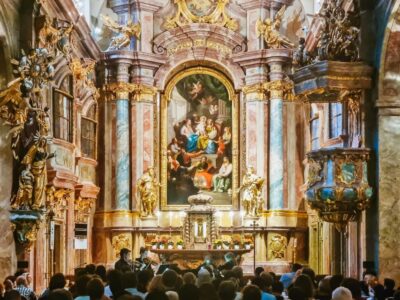
The tour description explains that Michaelerkirche served as the official church of the emperors for years. That detail changes how you look at the building. You start thinking less about architecture as decoration and more about architecture as power display—religion, legitimacy, and public life all wrapped together.
If you like tours that make you look differently at familiar street scenes, this is a good one. The church stop also helps break up the palace-and-museum feel with something that’s still part of everyday religious identity.
Roman ruins, medieval walls, and the memory of the Burg Theatre
This walking route doesn’t stick to one era. It keeps hopping across time in ways that are easier to understand when you’re actually standing where something used to be.
The tour calls out Roman ruins in a central square area, plus medieval walls and remnants connected to the old Burg Theatre. Even if you can’t see the “whole” structure from where you stand, the guide’s framing matters. You learn that Vienna’s cultural life didn’t begin with modern opera houses and big-brand museums. It evolved through older performance spaces and older political centers.
That’s also why a guide helps here more than a self-guided map. The names and layers can feel random if you’re only following streets. With the right context, the route starts to read like a timeline you’re walking through.
Graben (Der Graben) and St. Peter’s: a street walk with a backstory
Then you hit Der Graben, known as Graben Street. This part of Vienna is classic for a reason: it’s a major pedestrian-focused corridor near the heart of the city.
The tour description adds a fun historical note: Richard Lionheart is mentioned in connection with entering the city via the Graben. You can take that as story flavor, but the bigger point is how central this street was—like a spine that connected people to power and culture.
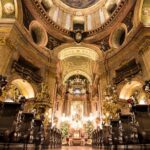
From there, you reach Peterskirche, or St. Peter’s Church. The tour description says it has been there since the 4th century. That’s not a small detail. A church that old helps you feel how long Vienna has been shaping its identity on the same kind of urban stage.
World Wars and the birth of the Second Republic: history with weight
The tour doesn’t only talk about emperors and composers. It also includes the World Wars and the birth of the Second Republic.
That’s valuable because it forces the story past the “imperial postcard” layer. Vienna’s art world didn’t happen in a vacuum. The city’s politics, rebuilding, and identity shifts affect how people experienced the arts and the institutions that came out on the other side.
Still, because this topic is heavy, you should pay attention to the tone of the guide you get. In at least one documented case, the guide name given was Franziska Pfisker, and the experience included uncomfortable political or personal commentary that went beyond straightforward historical framing. I can’t predict your guide or your day, but I can tell you what to do: if you’re sensitive to how WWII and Jewish history are handled, it’s okay to ask the guide early on for a clear, factual, respectful approach.
A good guide keeps the facts tight and avoids turning history into soapboxing. If your group wants history explained rather than argued, this kind of steering question helps.
Stephansplatz and Stephansdom: where the walking tour clicks shut
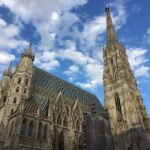
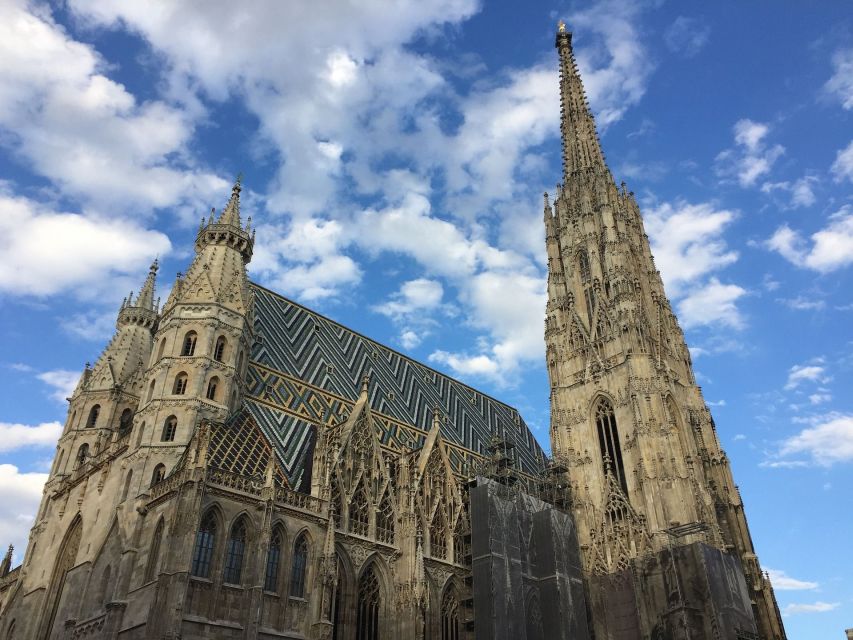
The final section lands at Stephansplatz and Vienna’s cathedral, Stephansdom. If Vienna has a “big finish,” it’s here. The tour description calls Stephansdom a majestic Roman-Gothic masterpiece and notes that it’s among the tallest churches in the world. Standing in the square, it’s hard not to feel the scale.
This stop also gives the route a narrative shape. You started at the State Opera, a building tied to music and formal culture. Now you end at the cathedral, tied to long continuity and the city’s public identity.
You’ll see why this walk works: it moves through different kinds of meaning—imperial, religious, cultural, and political—and then lands at a landmark that ties it all into one place.
Price and logistics: is $323 per group actually good value?
The price is $323 per group up to 15 for a 3-hour private walk. Value depends on how many people you bring.
Here’s the math in plain terms:
- If you book for 15 people, it’s about $21.53 per person.
- If you book for 6 people, it’s about $53.83 per person.
- If it’s just 2 or 3 people, you’ll feel the cost more sharply.
So when does it make sense? It makes the most sense for families, small friend groups, or anyone who wants a guide-led explanation rather than a crowd tour. If you’re traveling solo, you may find better per-person value with group tours. But if you want control—stopping for photos, asking questions about opera history, and moving at your group’s pace—private is usually worth it.
On the logistics side, the tour is about 3 hours, walking on foot. Comfortable shoes are a must. It’s also listed as not suitable for people with mobility impairments, so if that’s in your group, plan another format.
Entrance fees are not included, so if any part of the opera access requires paid entry beyond what the guide includes, you’ll want to know that up front.
Cancellation is free up to 24 hours in advance, and the reserve-and-pay-later setup is meant to keep plans flexible. That’s a nice safety net for a city trip where weather and schedules can shift.
Who this tour fits best (and who should think twice)
Book this if you want a guided walk that connects major Vienna landmarks to the story behind them—Roman roots, Habsburg power, the World Wars, and the birth of the Second Republic—without spending the day reading museum placards.
It’s especially good for:
- Music lovers who want opera history plus a city walk
- First-time visitors who want the “greatest hits” with context
- Small groups who’d rather ask questions than follow silently
Think twice if:
- You’re expecting full behind-the-scenes access at the State Opera. The description signals an opera visit, but it doesn’t promise paid entrance to everything.
- Your group needs accessibility support. This tour is not suitable for mobility impairments per the provided info.
- You prefer super-neutral, strictly factual historical narration during tough subjects. The tour covers heavy 20th-century history, so the guide’s tone matters.
Should you book this Vienna Private Walking Tour including State Opera?
If you’re happy with a guided exterior-and-interior-style opera visit (likely public areas), this tour is a strong way to get Vienna’s story in one compact morning or afternoon slot. The route hits the opera zone, the Habsburg core, major churches, and ends at Stephansdom—so you get both culture and clarity.
I’d book it if your group includes at least a few people so the group price feels fair, and if opera access is the right expectation. Before you go, one smart move is to confirm exactly what parts of the State Opera you’ll enter and whether any additional fees apply.
Handled well, it’s an efficient, very Vienna way to connect the music you know with the streets that made it.
FAQ
How long is the Vienna Private Walking Tour including State Opera?
The tour lasts 3 hours.
Where does the tour meet?
The meeting point is Stephansplatz 8A, 1010 Wien, Austria.
What is included in the price?
The tour includes a local professional guide and a visit to the State Opera.
Are entrance fees included?
No. Entrance fees are not included.
What group size is this for?
It’s a private group, priced per group up to 15.
What languages are offered?
The tour guide is available in English and German.
Is the tour suitable for people with mobility impairments?
No, it is not suitable for people with mobility impairments.