REVIEW · VIENNA
Vienna: Classical Concert in the World-Famous Musikverein
Book on GetYourGuide →Operated by Classic Exclusive · Bookable on GetYourGuide
Vienna’s Musikverein feels like a time machine. You’ll get a world-class hall and a program built for maximum listening joy: Mozart and Haydn to start, then Vivaldi’s Four Seasons with a string ensemble and top Austrian soloists, all in a venue that’s famous for its sound.
I also really like how this evening is simple: you show up, settle in, and let the music do the work, whether you’re in the Golden Hall or Brahms Hall. One possible drawback to plan for: the “no interruptions” rules are real, but the audience experience can still be affected by phones, clapping between movements, or obstructed views.
Key things to know before you go
- Golden Hall vs Brahms Hall: different famous acoustics, same magical atmosphere
- Mozart/Haydn first, Four Seasons second: a clear two-part listening arc
- Ticket pickup is in the hall lobby: arrive early and don’t skip the cash step
- Seats vary a lot: some sections can feel off-angle, and benches are hard wood
- Real etiquette rules: clapping between movements is frowned on; recording isn’t allowed
- Great value for the setting: you’re paying for the hall and the performance, not extras
In This Review
- Musikverein at night: why this concert feels like real Vienna
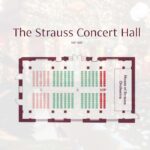
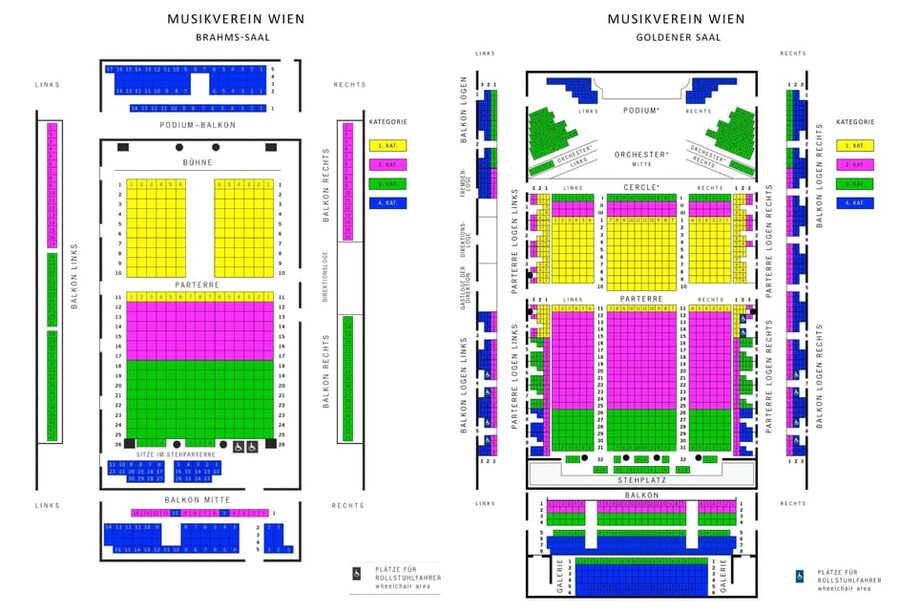
- Golden Hall vs Brahms Hall: pick the acoustics you want
- The 2-part program: Mozart and Haydn, then Vivaldi’s Four Seasons
- Getting seats right: view angles, hard benches, and how to avoid frustration
- Ticket pickup, coats, and the small cash step you can’t skip
- Audience etiquette: phones, clapping, and recording rules
- Value check: why $17 for this hall can feel unreal
- Who should book this concert, and who might want a different plan
- Should you book Vienna’s Musikverein classical concert?
- FAQ
- How long is the Musikverein classical concert?
- What music is included in the program?
- Is it in the Golden Hall or Brahms Hall?
- When should I pick up my tickets and enter the hall?
- Do I get a cloakroom service or a program included?
- Are children allowed to attend?
- Is this experience wheelchair accessible?
Musikverein at night: why this concert feels like real Vienna
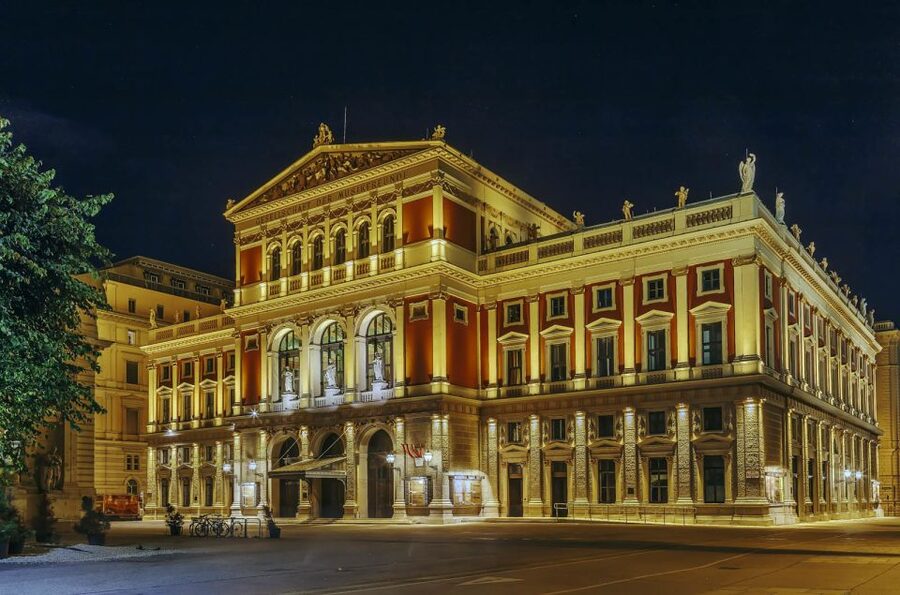
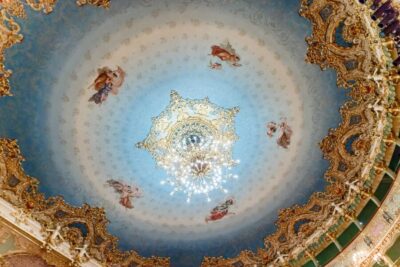
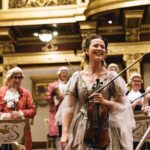
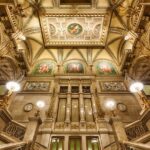
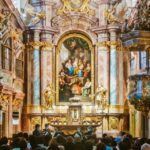
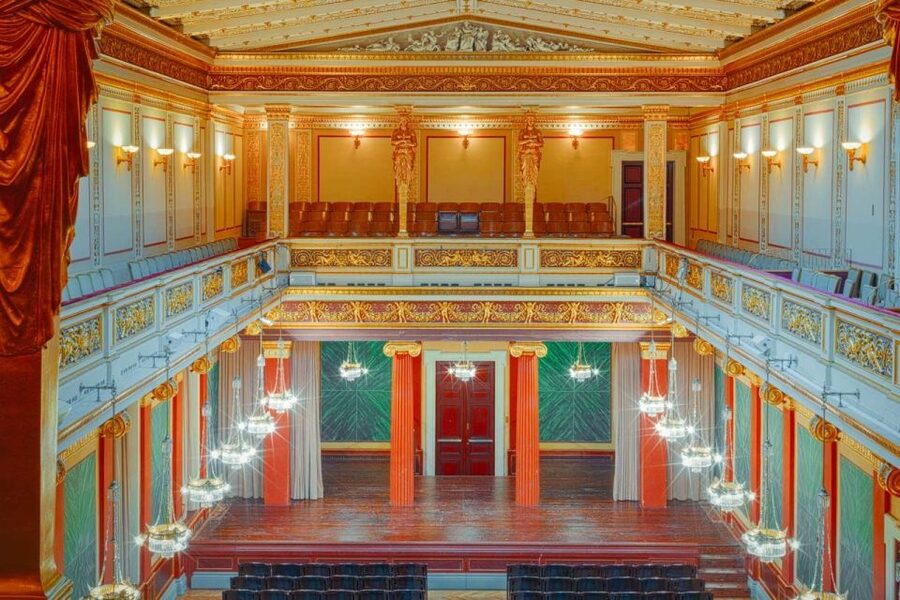
Musikverein isn’t just a building you pass on a walking route. At night, it turns into a focused listening room where the city’s classical identity feels physical. You’re surrounded by neoclassical grandeur, ornate interiors, and a crowd that’s there for one reason: hear music in a famous space.
What makes this experience click is the combination of venue + program. The Musikverein sound doesn’t behave like a small club or a modern auditorium. It’s the kind of acoustic that helps orchestral detail carry cleanly, so you don’t just hear melody—you feel the structure of the piece.
I also like the straightforward flow of the concert. The first half brings Viennese classical staples from Mozart and Haydn. Then the mood shifts to Vivaldi’s Four Seasons, with the energy of a violin concerto written to sparkle. Even if you’re not a hardcore classical fan, the arc is easy to follow, and the orchestra work keeps you engaged from start to finish.
One more practical point: this concert is only about two hours. That matters. In a city where time costs money and attention costs energy, a tight, high-impact evening is a strong choice.
Golden Hall vs Brahms Hall: pick the acoustics you want
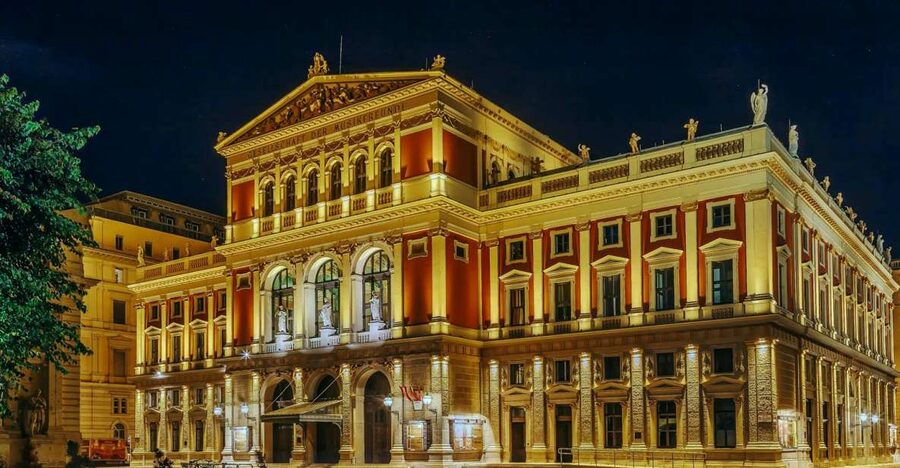
You’ll either attend in the Golden Hall or the Brahms Hall, and that choice isn’t just cosmetic.
Golden Hall
This hall is famous for the New Year’s Day Concert and for its unique acoustics. If you love the idea of being in the room that hosts Vienna’s big seasonal tradition, this is the one. It tends to feel grand and ceremonial, which matches the dramatic sweep of major works.
Brahms Hall
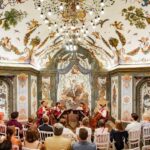
Brahms Hall is known for having the best acoustics of all chamber music halls. If you’re hoping for clarity and a more intimate feeling, this is often the better fit. One past attendee described Brahms Hall as warm, elegant, and on the smaller side—perfect if you like a closer, more personal concert atmosphere.
So which should you choose?
- Pick Golden Hall if you want maximum “Vienna icon” energy and a legendary stage aura.
- Pick Brahms Hall if you care more about chamber-like focus and a smaller-room feel.
Either way, you’re still in Musikverein, and that’s the point. The building is part of the show, especially once the music starts.
You can also read our reviews of more tours and experiences in Vienna.

The 2-part program: Mozart and Haydn, then Vivaldi’s Four Seasons
The program is built to work like a good movie: tension and release, familiar faces first, then a crowd-pleaser second.
Part 1: Mozart and Haydn
You’ll hear Viennese classical pieces from Mozart and Haydn to start. Expect refined phrasing and the classic chamber-to-orchestral balance these composers are known for. If you’re new to classical music, this opening gives you an easier on-ramp. You can tune your ears to style, tempo, and how the orchestra shapes dynamics without jumping straight into the fireworks.
Part 2: Vivaldi’s Four Seasons
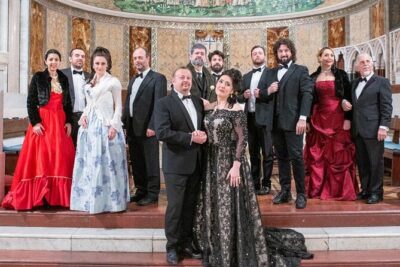
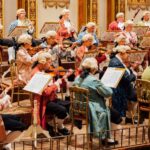
The second half is the centerpiece: Vivaldi’s legendary violin concerto The Four Seasons. The concert is arranged with a string ensemble and Austrian soloists of international renown. This is the part where the hall really matters. Vivaldi’s writing benefits from crisp articulation, and in Musikverein those fine details don’t get blurred.
What I love about this program is its “recognition factor.” Four Seasons is famous for a reason, and it’s one of those works where even if you don’t know every passage, you still connect quickly. Past attendees also pointed out how spellbinding the standout solo violin can be, and that alone can make the whole night feel special.
Getting seats right: view angles, hard benches, and how to avoid frustration
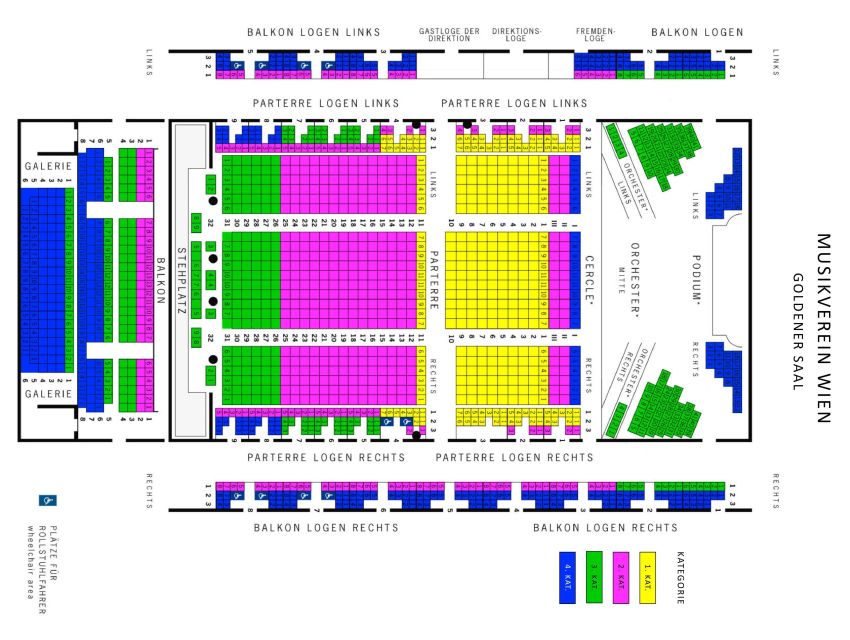
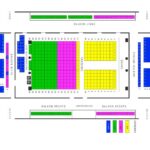
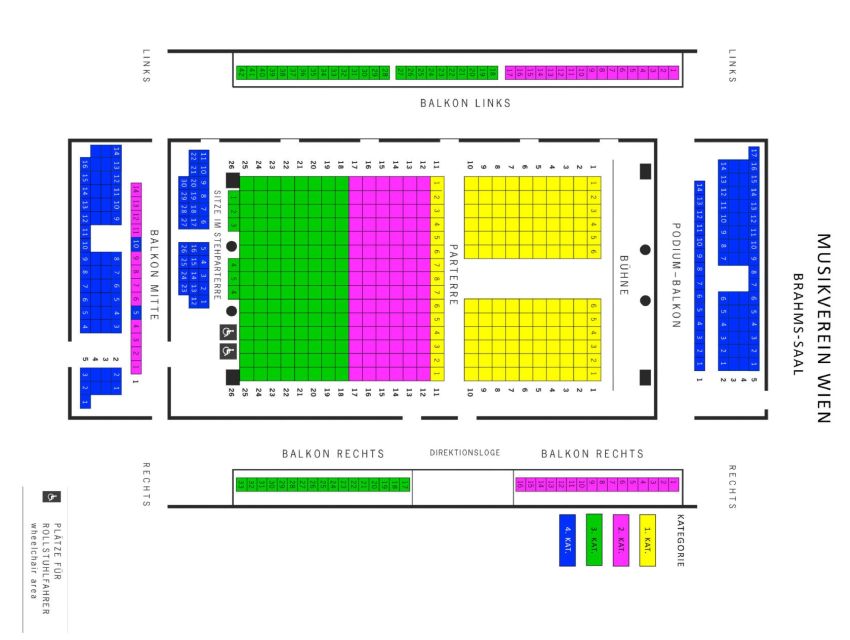
Let’s talk reality. In a big famous hall, “great” seats and “just okay” seats can be surprisingly different, especially if you end up in a balcony or an off-angle section.
From people who attended, two patterns show up:
- Limited or obstructed views happen in certain sections, particularly in areas where you look at the stage from the side or from higher up.
- Comfort is basic. Seats are hard wood with thin cushions, so plan for a two-hour sit.
If you can, aim for seats closer to the center and not too far back. One attendee even mentioned having a better view after others moved forward post-interval, which tells you that seat selection and on-the-ground flexibility can matter. Still, you should treat your ticketed seat as your seat—you don’t want to build a plan around someone else changing theirs.
A simple way to improve your odds: arrive early. Not just for time. Early arrival helps you settle before doors feel chaotic and gives you time to find the right row without stress. More than one person noted that getting in and out can feel busy, especially around coat-drop and hall entry.
And yes, benches are hard. If you’re sensitive to sitting discomfort, bring a small layer that helps you tolerate wood seating. Just don’t turn it into a distraction.
Ticket pickup, coats, and the small cash step you can’t skip
Here’s the practical rhythm that makes the evening smooth.
- Pick up tickets in the hall lobby starting one hour before the concert.
- Admission to the hall starts 30 minutes before the performance.
That timing matters because a common snag is arriving late, then losing time to line flow, finding your collection point, and coat procedures. One attendee mentioned instructions for where to fetch tickets weren’t perfectly clear at first, so I’d rather you overestimate your way-finding time and arrive calm than arrive sprinting and end up irritated.
The other key point is money:
- The cloakroom/paper program isn’t included.
- You should bring cash, because coat and backpack wardrobe handling requires it.
One attendee gave a specific hint that coat drop can cost around €0.85 per coat/jacket, and they noted cards weren’t accepted on the spot. Even if the exact fee varies, the lesson doesn’t: bring small change.
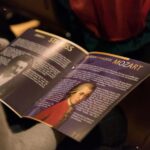
If you want the printed music notes, the program booklet sells for €3.80 in the hall. There are also free programs you can open online ahead of time. If you’re the type who likes to follow along, I’d check the program schedule before you go, especially since the experience is primarily about the sound and not constant narration from the stage.
Audience etiquette: phones, clapping, and recording rules
Music halls run on silence. This one is no exception.
The concert rules explicitly discourage clapping between movements. And from attendee experiences, you should assume recording is prohibited. People described the pressure of not being able to video and stressed that you shouldn’t try.
So what should you do as the audience member?
- Keep your phone away during the performance. Even if someone else ignores the rules, you don’t need to make your night about frustration.
- Treat any urge to clap between movements as a temptation to resist. Wait for the end of the piece.
The biggest real-world drawback isn’t the concert itself. It’s audience behavior. Some attendees described constant mobile phone use or photos that blocked their view. That’s not a reason to avoid the concert, but it is a reason to choose your seat well and arrive early so you can settle without hunting for a better angle mid-performance.
If you want the cleanest listening environment, Brahms Hall can feel more intimate, and Golden Hall can feel more ceremonial. Either way, your attitude sets the tone—go in expecting a serious listening event, and you’ll enjoy it more.

Value check: why $17 for this hall can feel unreal
Let’s be honest: paying around $17 (for the ticket price) to hear a live orchestra in a world-famous Vienna venue sounds almost too good. But the value comes from the right place: you’re paying for the hall, the musicians, and the acoustic experience—not a bundled “tour bus” package.
Two big value wins show up in how people talk about the night:
- The sound quality feels outstanding. Multiple attendees singled out the orchestra’s performance and the way the venue carries music. A 26-member orchestra is substantial for a two-hour show, and the hall helps it sound bigger and clearer.
- The time efficiency is strong. You get a full classical program, including Four Seasons, in one focused evening.
One review also noted getting front-row-ish seats for less than about €35 in their category, which suggests there’s room to find good value depending on what’s available when you book.
That said, value has a tradeoff: seating comfort and sightlines vary. Hard wooden seats and side/balcony angles can reduce comfort even when the performance is excellent. Think of it this way: you’re buying the chance to experience Musikverein. If you want luxury seating and perfect sightlines, you may need to pay more or be extra strategic about which section you select.
Who should book this concert, and who might want a different plan
This is a good fit if:
- You want a classic Vienna evening with Mozart, Haydn, and Vivaldi in one sitting
- You like live orchestras and want a strong introduction to classical listening
- You want to do something iconic without turning it into a half-day production
It may be a rough fit if:
- You’re sensitive to hard seating for two hours
- You need step-free access. Wheelchair users aren’t suitable for this experience, based on the provided info
- You rely on being able to follow along closely with a lot of spoken guidance. This concert is built for listening, not lectures. If you want context, grab the free program online or the €3.80 booklet in the hall
For families: children under 5 aren’t allowed, and everyone including children needs a ticket. If you’re traveling with older kids who can sit quietly, it can still work—but it’s a listening-focused setting.
For couples and solo nights: this is one of the easiest “make Vienna feel unforgettable” ideas. You don’t have to hunt for trendy spots. You just show up, take your seat, and let the music do the talking.
Should you book Vienna’s Musikverein classical concert?
I’d book this if you want a high-impact, iconic Vienna experience without spending your whole trip budget on it. The combination of Musikverein acoustics, a two-part program that flows from Mozart/Haydn into Vivaldi’s Four Seasons, and the sheer professionalism people describe makes it an easy recommendation.
My only caution is practical: manage expectations about seating comfort and audience behavior. Bring small change for coat handling, arrive early to get situated, and choose your section with view in mind.
If you do those basics, you’ll walk out with that rare feeling—one clear, unforgettable evening that sounds like Vienna.
FAQ
How long is the Musikverein classical concert?
It lasts 2 hours.
What music is included in the program?
The concert includes Viennese classical pieces from Mozart and Haydn in the first part, and Vivaldi’s violin concerto The Four Seasons in the second part.
Is it in the Golden Hall or Brahms Hall?
You’ll attend in either the Golden Hall or the Brahms Hall, depending on the option booked. The Golden Hall is famous for its New Year’s Day Concert acoustics, and Brahms Hall is known for top acoustics for chamber music.
When should I pick up my tickets and enter the hall?
You pick up tickets from the collection point in the lobby starting 1 hour before the concert. Hall admission starts 30 minutes before the concert.
Do I get a cloakroom service or a program included?
Entry ticket is included. Cloakroom and a paper program are not included, and the paper program is available for a small cash fee.
Are children allowed to attend?
Children under 5 are not allowed. All guests require a ticket, including children.
Is this experience wheelchair accessible?
No, it is not suitable for wheelchair users.