REVIEW · VENICE
Venice: Vivaldi’s Four Seasons Concert & Music Museum Visit
Book on GetYourGuide →Operated by INTERPRETI VENEZIANI · Bookable on GetYourGuide
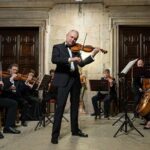
Vivaldi sounds different in Venice. This day pairs a live Four Seasons concert in San Vidal with a museum visit that lets you see what made that sound possible, from classic Italian instruments to the violin craft behind them. You’ll hear the music performed by Interpreti Veneziani, with soloist Nicola Granillo named in the program.
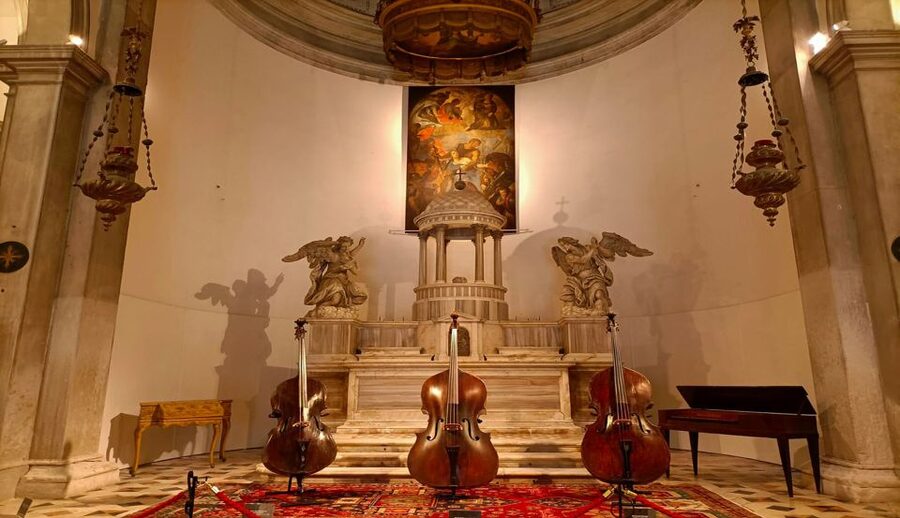
Two things I really like about this experience: first, the concert is played by Venetians, so the phrasing feels close to the city rather than shipped in from somewhere else. Second, the museum route is hands-on in spirit, with 200 original instruments (1600 to 1900) and maker stories tied to Vivaldi’s world, including references to the Stradivari School of Cremona and instruments made by names like Bergonzi and Amati.
One drawback to plan for: the church is set up for viewing rather than comfort. There are no assigned seats, and multiple people flag that chairs can be uncomfortable or noisy, so arriving early matters.
In This Review
- Key highlights you should care about
- San Vidal Church: where Vivaldi’s Four Seasons lands in real acoustics
- Museo della Musica di Venezia: 200 instruments that explain the sound
- Interpreti Veneziani: why Venetians play Vivaldi differently
- The church day route: San Vidal, San Maurizio, and the art nearby
- Seats, sound, and practical comfort inside the church
- Museum hours and how to plan a smooth 1-day schedule
- Price and value: is $46 fair for concert plus museum?
- Who this fits best (and who might want a different plan)
- Should you book this Vivaldi + Music Museum ticket?
- FAQ
- Where does the concert take place?
- Where is the Music Museum?
- How long is the experience?
- What does the museum include?
- What are the museum opening hours?
- Is photography allowed inside?
- Can I bring food or drinks?
- Are seats assigned for the concert?
- Is the experience wheelchair accessible?
- Can I cancel and get a refund?
- Is the host/greeter available in English?
Key highlights you should care about
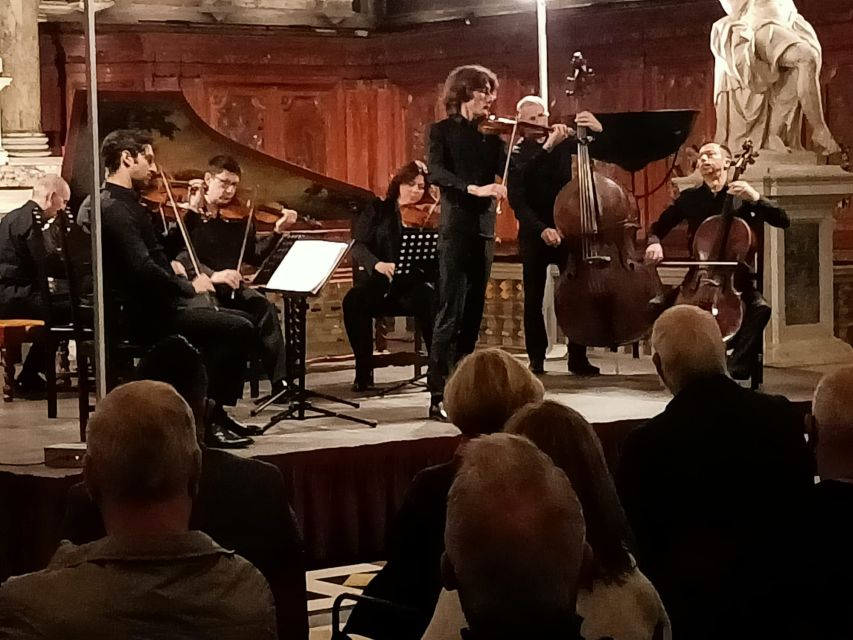
- San Vidal Church acoustics: a live string performance in a historic setting where the sound carries
- 200 original instruments (1600–1900) at the Museo della Musica di Venezia
- Violin-making explained: how an instrument can keep playing for centuries
- Venetian baroque orchestra Interpreti Veneziani, with Nicola Granillo highlighted in performances
- No assigned seats: front-row luck goes to early arrivals
- Phone-free concert: photography inside and flash photography are not allowed, so you can actually watch the music
San Vidal Church: where Vivaldi’s Four Seasons lands in real acoustics
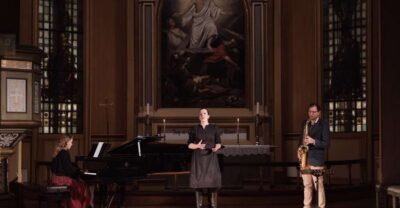
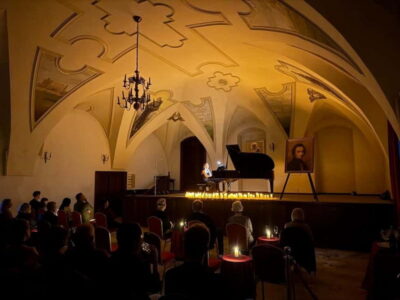
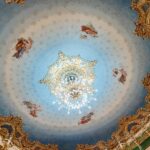
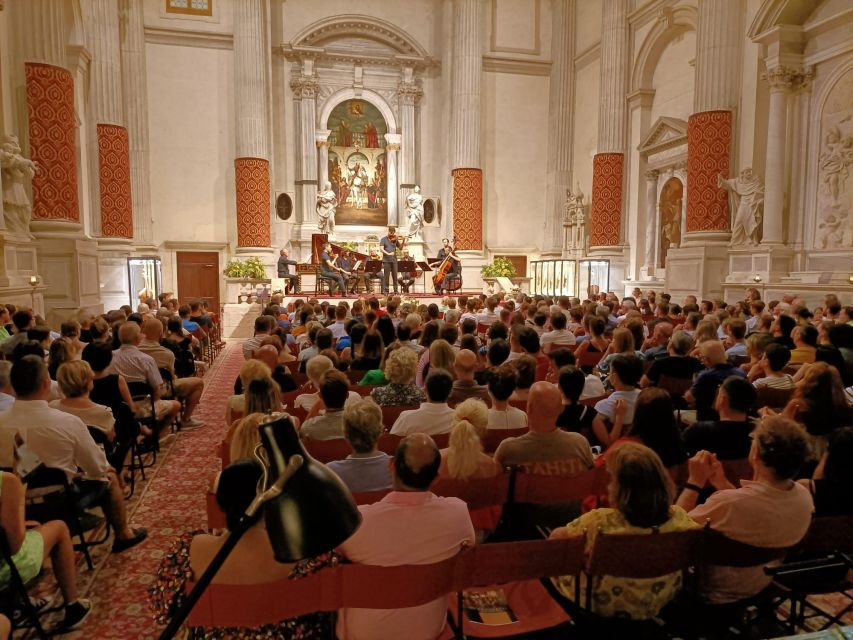
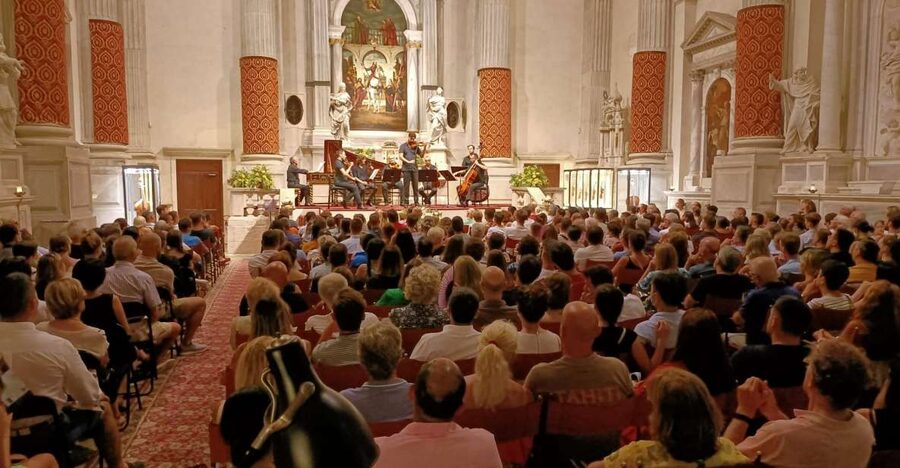
The concert is staged at the Church of San Vidal, a central Venice location that you can reach on foot once you’re set up near the Accademia area and not far from St. Mark’s. It’s a good choice for a first-time classical concert, because you’re not just sitting with music in a hall. You’re in a church, with stone, space, and a sound that behaves differently than it does anywhere else.
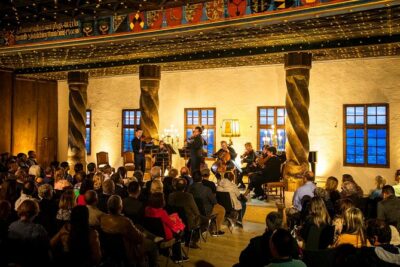
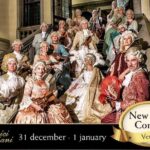
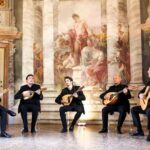
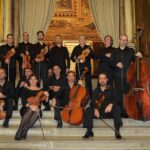
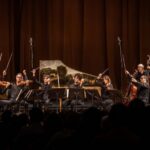
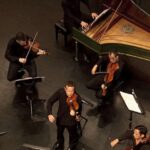
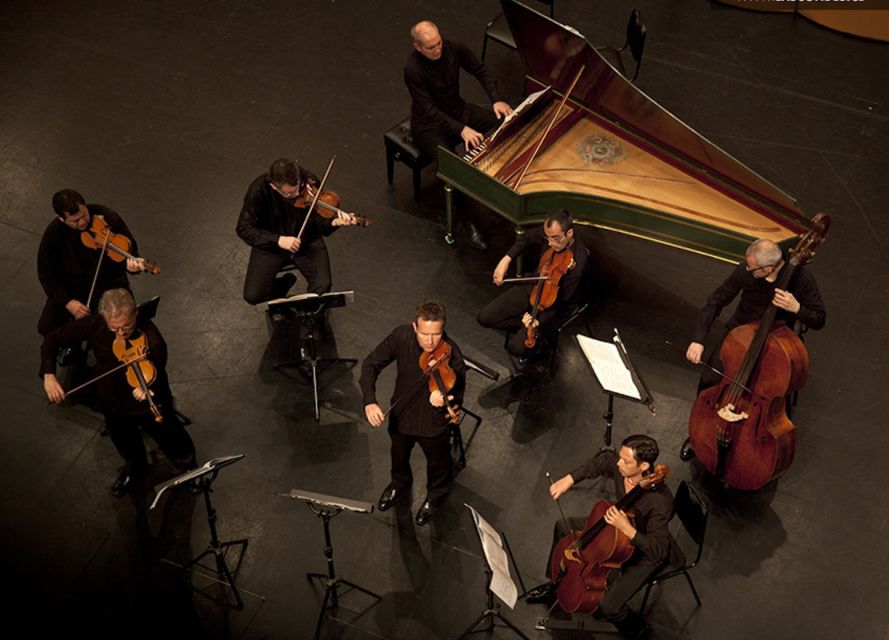
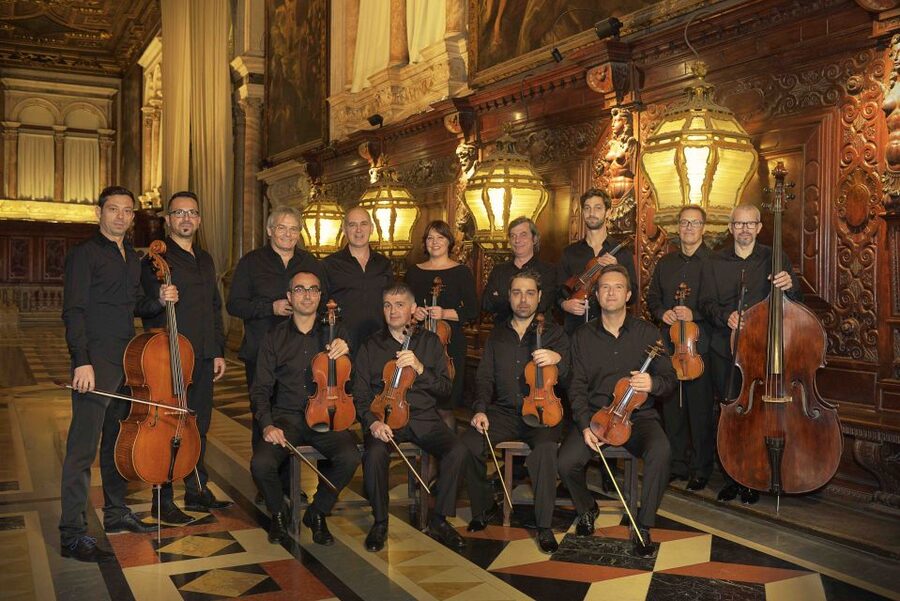
This show focuses on Vivaldi’s Four Seasons, plus other pieces from the baroque world. The big win here is not only that it’s famous music. It’s that you get it played by Interpreti Veneziani, a Venice-based baroque orchestra (described as about 35 years old), so the performance feels like a local event, not a traveling act with costumes and a checklist.
You’ll also get a clear sense of why early-music ensembles often sound so specific. Baroque technique isn’t just a style choice. It changes attack, rhythm, and how the group blends. In reviews, people repeatedly praise the performance energy and the way movements come through clearly, including emotional impact during parts like Primavera and standout solos during movements of Autumn.
Practical reality check: this is a church interior. Expect limited modern comfort. Reviews mention no AC, warm conditions, and basic facilities. That’s not a dealbreaker, but it does mean you should dress for temperature and think twice about arriving drenched in sweat from the canals.
You can also read our reviews of more tours and experiences in Venice.
Museo della Musica di Venezia: 200 instruments that explain the sound
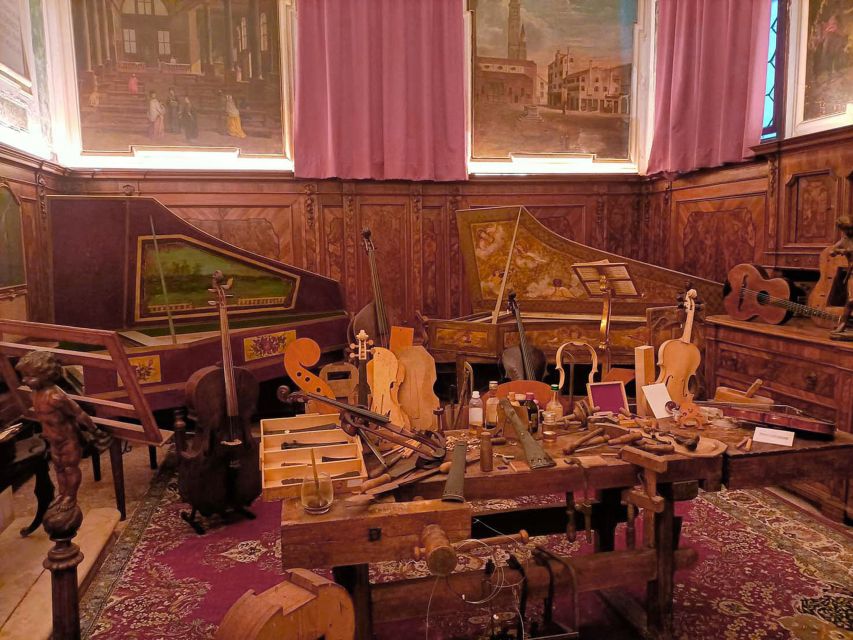
Before the concert, you can add the Museo della Musica di Venezia using the same 1-day ticket. The museum is located at S. Marco 2603, 30124 Venezia, and it’s specifically designed for music-lovers who want more than a postcard version of Venice.
The headline is the collection: 200 original musical instruments, dating from 1600 to 1900. That range matters. You’re not just looking at a timeline of objects. You’re seeing how instrument design evolves during a period when music notation, performance taste, and instrument building all develop together.
This museum also helps you connect the museum-to-concert gap. Instead of treating the concert like a separate activity, the museum gives you context for what makes those strings talk the way they do. The experience highlights how a violin is created and why it can keep playing for centuries. Even if you’re not a luthier fan, that idea sticks. You start listening for tone color and articulation with new ears.
Look for the maker threads tied to Vivaldi’s era. The museum experience mentions the Stradivari School of Cremona, with references to instruments connected to Bergonzi and Amati double basses. You’ll also find Venetian instruments, including the violin of Matteo Goffriller, described here as a violin maker connected to Antonio Vivaldi. Whether you already know these names or you’re learning them today, the point is the same: this collection maps the workshop side of music, not just famous composers.
One more practical thing: the museum visit has clear rules. No touching exhibits, no flash photography, no food or drinks, and you can’t make noise or record audio. Plan to be the kind of visitor who looks with your eyes and uses your ears only where allowed.
Interpreti Veneziani: why Venetians play Vivaldi differently
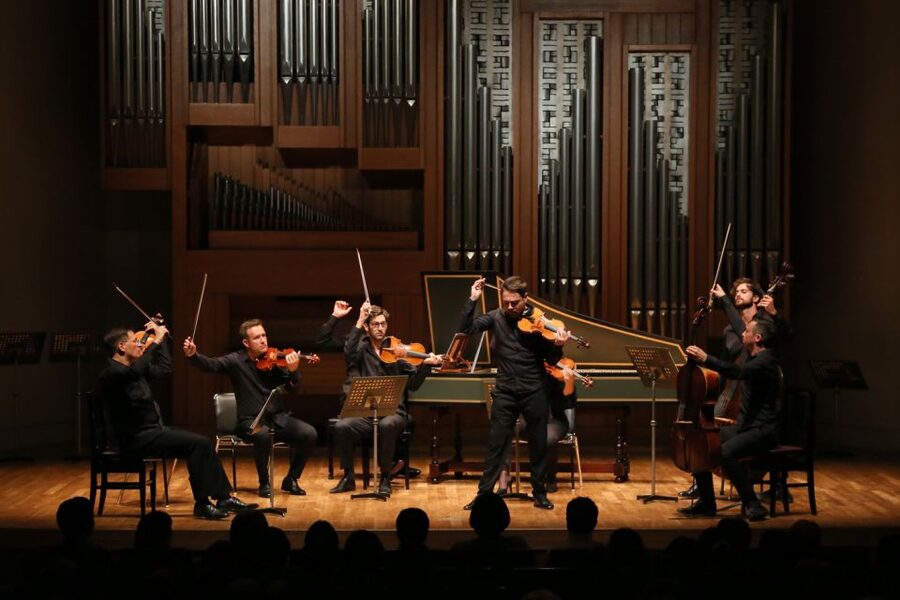
When people talk about this concert, they usually mention two elements: performance quality and the feeling that the group has ownership of the music.
Interpreti Veneziani is the ensemble behind the concert. In the performance credits, you’ll see soloist Nicola Granillo named in multiple accounts, including standout commentary about his interpretation of movements in Autumn. There’s also praise for how the full string group plays as one unit, not just as separate virtuosos showing off.
What makes that matter for you? If you’re new to Baroque music, you might assume it’s all about speed and technical showmanship. A good Four Seasons performance proves otherwise. It’s about phrasing and texture: how a line rises and falls, how fast passages still sound controlled, and how contrasting sections feel like changes in weather, not just changes in tempo.
And because this is Venice, you’re also hearing Vivaldi in the environment that shaped the sound of the time. Even if you don’t go hunting for historical accuracy on every beat, the performance feels tied to place. That’s the best kind of authenticity: not a lecture, but an atmosphere.
The church day route: San Vidal, San Maurizio, and the art nearby
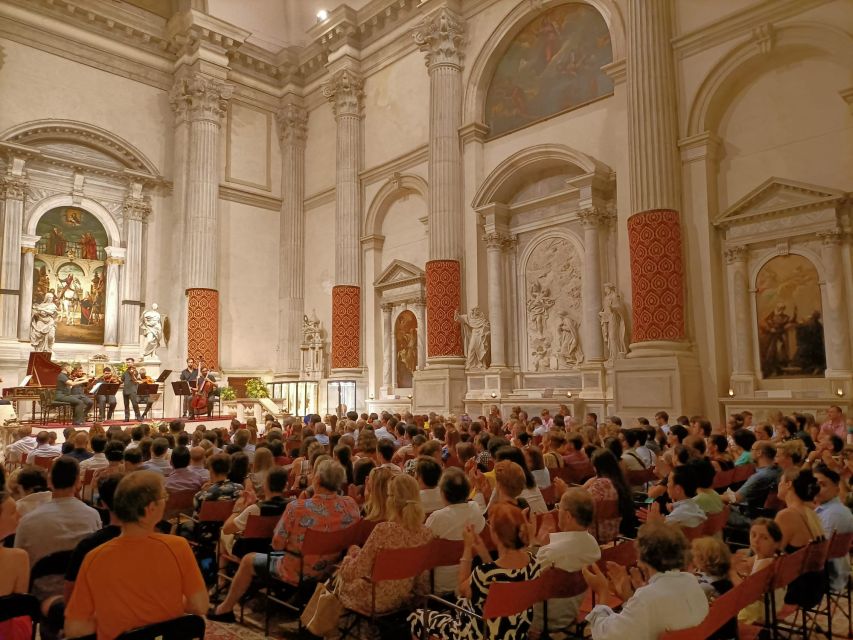
This experience focuses on San Vidal for the concert, and it connects with the San Maurizio Church area as part of the same day’s plan. That pairing is smart. San Vidal sets the stage for Vivaldi with the right kind of acoustics and a calm, reverent feel. San Maurizio adds variety so your evening doesn’t feel like one long block of the same vibe.
San Vidal also gets a special mention for its connection to Carpaccio, which is a nice bonus if you like slipping from music into visual art without changing locations. If you’re doing this as a themed Venice evening, it helps to see even one or two details of the churches beyond the concert doors.
Timing tip: plan your walking so you’re not sprinting across Venice right before the concert. Venice delays are real. If you want the best seats (and this matters here), you’ll want time to arrive early and settle in.
Seats, sound, and practical comfort inside the church
Let’s talk logistics that actually affect your experience.
First: no assigned seats. That means the early-bird advantage is real. Reviews emphasize arriving about 30 to 40 minutes before the start if you want a better view, including seats close to the stage.
Second: seating can be the weak link. Some people mention chairs that are uncomfortable and even noisy. That doesn’t sound like a major issue until you realize you’re sitting for the whole concert. If you’re sensitive to physical discomfort, you’ll benefit from arriving early, picking a spot that feels stable, and wearing something breathable.
Third: phones and cameras are restricted. Photography inside and flash photography aren’t allowed, and there’s no audio recording. Staff also enforce quiet behavior. The upside is that your view isn’t blocked by screens, and the performance stays the focus.
Finally: think about temperature. One review notes no AC, and multiple people describe warmth in the church. Venice can be sticky in shoulder seasons, so dress in layers you can manage.

Museum hours and how to plan a smooth 1-day schedule
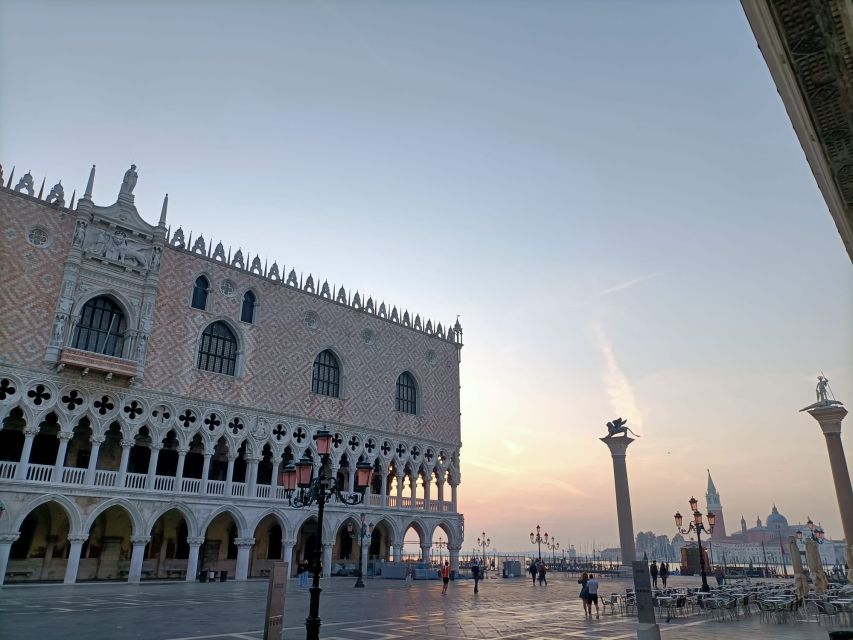
Your ticket is valid for 1 day, with concert at San Vidal and the museum available on the same day. The museum hours are listed as 10 AM to 1 PM and 2 PM to 7 PM, and the museum can be visited free before or after your concert date.
Here’s the practical approach I recommend:
- If you want a calm start, visit the museum first in the morning, then go to the church area with time to spare.
- If you prefer to keep your day flexible, plan the museum for later, but still protect your arrival time at San Vidal so you can get the seat you want.
One caution: there’s some conflicting mention about museum closures on certain days. The stated hours are consistent, but I still suggest double-checking the museum’s open status for your specific day before you count on it.
Also remember the museum rules. No large bags and no food or drinks means you’ll want to travel light. This is a day where the best plan is to carry only what you truly need.
Price and value: is $46 fair for concert plus museum?
At $46 per person, you’re paying for a combined experience: the live concert plus museum entry (the museum visit is free with the ticket on the same day). That structure is where the value usually comes from.
If you price it out as two separate activities in Venice, the museum alone is a meaningful add-on. Then you still get a live event in a historic church. The key question is whether you’ll use both parts.
I think it’s strong value if:
- You like the idea of a music museum that explains the instruments behind the famous pieces.
- You want a practical, not-too-complicated Venice night with one clear destination.
- You’re curious about the craft side of music (violin creation, why instruments last).
It may feel less worthwhile if:
- You only want the concert and don’t care about the museum portion.
- You’re very sensitive to seating comfort or warm interiors and don’t want to hunt for the best spot early.
One extra note from pricing experiences: at least one person reported that the online price differed from the on-site church price (with a lower price mentioned when purchased at the venue). Prices can shift, so if cost is your priority, it’s worth checking what you’re being charged at checkout versus what’s listed locally.
Who this fits best (and who might want a different plan)
This is an excellent match if you’re:
- Doing a first classical concert and want a setting that makes it feel like a real Venice event
- A Vivaldi fan, especially if you enjoy hearing Four Seasons with baroque-style clarity
- Someone who likes adding a concrete activity to a museum day (you’re not just reading labels)
It can be a weaker match if:
- You need modern comfort and long, cushioned seating
- You refuse any event where phones and recording are restricted
- You want a big guided tour format with assigned seating and a lot of movement
The upside is that this experience is structured enough to be easy to execute: one church, one museum, and a clear focus.
Should you book this Vivaldi + Music Museum ticket?
I’d book it if you want a memorable Venice evening that connects music you already know to the instruments and craftsmanship behind the sound. The pairing of San Vidal’s concert with the Museo della Musica di Venezia makes the day feel like one story, not two disconnected stops.
I’d think twice if you’re uncomfortable with basic church seating, warm interiors, or the no-assigned-seats setup. If that describes you, solve most of the issue by arriving early, choosing your spot carefully, and dressing for the room.
If your schedule allows, this is a high-impact way to spend a day in Venice without bouncing between five neighborhoods.
FAQ
Where does the concert take place?
The concert is held in San Vidal Church. The event information also references San Maurizio Church as part of the meeting point area.
Where is the Music Museum?
The Museo della Musica di Venezia is located at S. Marco 2603, 30124 Venezia VE, Italy.
How long is the experience?
The experience is listed as lasting 1 day.
What does the museum include?
You can visit the music museum collection of 200 original musical instruments made from 1600 to 1900.
What are the museum opening hours?
The museum is listed as open every day from 10:00 AM to 1:00 PM and 2:00 PM to 7:00 PM.
Is photography allowed inside?
Photography inside is not allowed, and flash photography is also prohibited.
Can I bring food or drinks?
Food and drinks are not allowed during the experience, and smoking is also not allowed.
Are seats assigned for the concert?
No. There are no assigned seats, so arriving early helps you get a better view.
Is the experience wheelchair accessible?
Yes, the experience is listed as wheelchair accessible.
Can I cancel and get a refund?
Yes. You can cancel up to 24 hours in advance for a full refund.
Is the host/greeter available in English?
Yes. The host or greeter is listed as English.