REVIEW · VENICE
Venice: Vivaldi’s Four Seasons Live Classical Music Concert
Book on GetYourGuide →Operated by I MUSICI VENEZIANI · Bookable on GetYourGuide
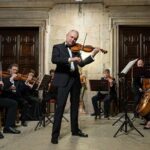
A violin, a bow, and Venice goes Baroque fast. This live performance of Vivaldi’s Four Seasons is built around nature sounds for each season, played by the I Musici Veneziani orchestra in a small, atmospheric setting. The result feels like you’re stepping into a 300-year-old world without doing much more than showing up and listening.
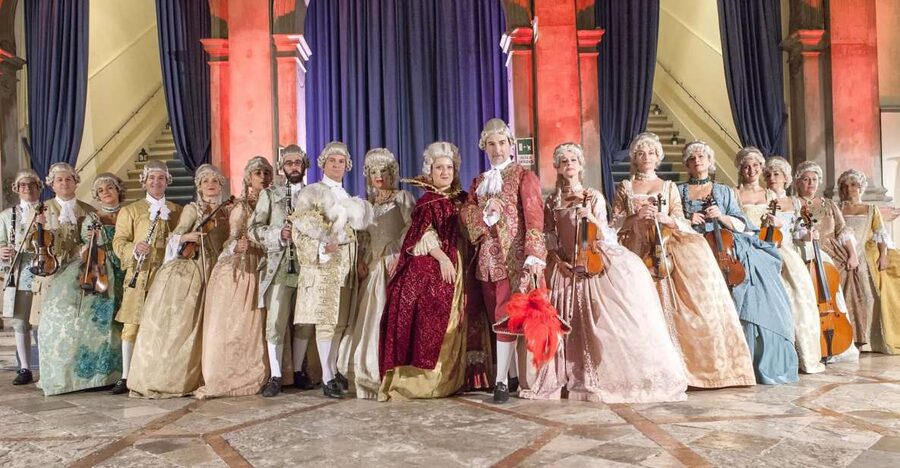
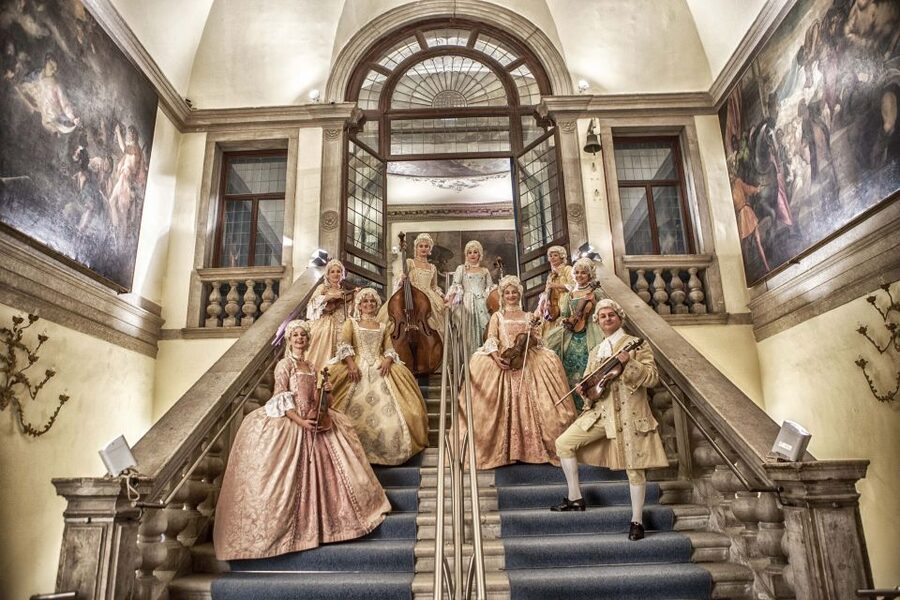
I especially love how clearly the music paints the seasons. You hear the rush of a creek, birdsong-like figures, storm energy, and crackling-fire style rhythms, all tied to Vivaldi’s famous violin concertos. I also like the period-accurate costumes, which make the evening more than just a concert hall event and add real visual rhythm to the story.
One thing to consider: seating can be tight and a bit uncomfortable, and the venue involves steps. Add that to limited bathroom access, and you’ll want to plan your timing instead of assuming a long, relaxed pre-show hang.
In This Review
- Key things to know before you go
- Why Vivaldi’s Four Seasons Works So Well in Venice
- The evening flow: arriving around 8 pm and settling in
- What you’ll hear: four seasons, four violin concertos for strings
- The occasional vocal moment
- The costumes and staging: period clothing that actually helps
- The small-venue feel: acoustics, intimacy, and seating realities
- Timing and logistics that affect your enjoyment
- Value check: is $41 for 75 minutes a good deal?
- Who this concert suits best (and who should think twice)
- Tips to get the best seats and avoid common annoyances
- Should you book Vivaldi’s Four Seasons in Venice?
Key things to know before you go
- 75 minutes of music, so it’s a focused evening plan
- 8:30 pm start is common, with the ticket office open from 8 pm
- Period costumes help the seasons land faster
- String-forward performance built around Vivaldi’s Four Seasons
- Smaller venue feel, with chairs that may not suit everyone
- Steps and limited restrooms, so arrive early to settle in
Why Vivaldi’s Four Seasons Works So Well in Venice
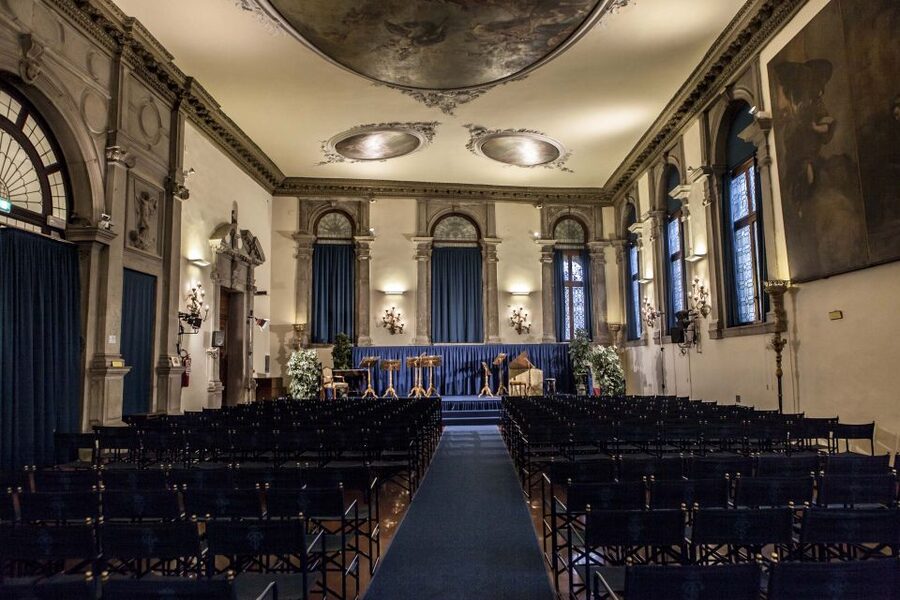
Venice already has a talent for making music feel physical. In a city of canals, echoes, and old stone, Vivaldi’s Four Seasons lands naturally, because the score is basically nature made audible. Instead of abstract classical music, you get scenes: change of light, shifting weather, and restless activity, all translated into strings.
This concert is also a smart choice if you think you might be tired of museums after a full day. The performance is short—about 75 minutes—and it gives you an evening memory that feels different from the usual walking loop. Even if you only know parts of the melodies, you’ll still track the mood shifts season to season.
And because the program is tied to four violin concertos (Vivaldi’s original idea), the structure does you a favor. You’re not guessing what’s happening. The music itself tells you when it’s spring versus summer versus winter, and the staging in period costume keeps the storytelling clear.
You can also read our reviews of more tours and experiences in Venice.
The evening flow: arriving around 8 pm and settling in
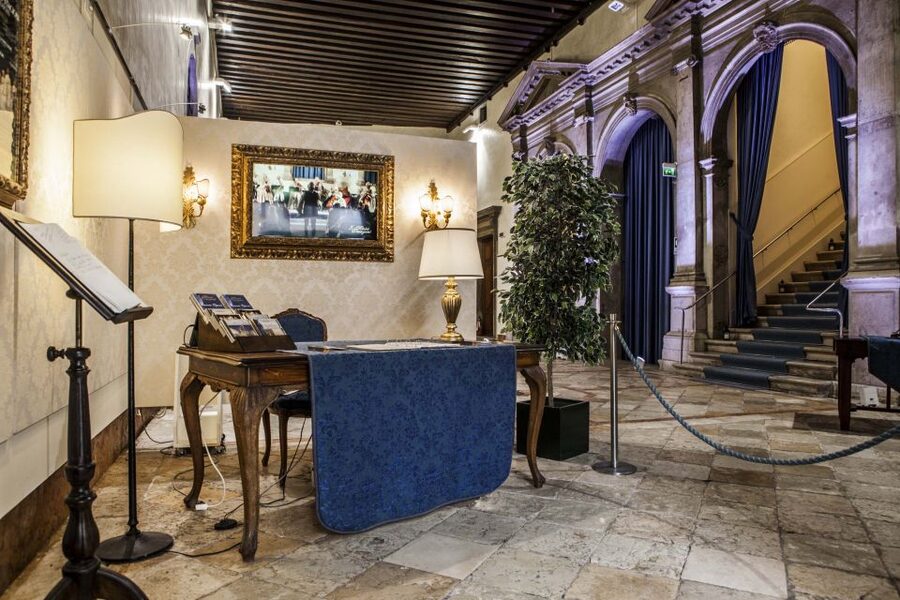
The practical part is easy, but timing matters. You can present your voucher at the ticket office starting at 8 pm, and the concert typically starts around 8:30 pm. If you show up right at start time, you might end up near the back, which can reduce how much you enjoy the visual parts (and the stage detail).
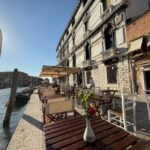
The venue is easy to reach by public water transport, which is a win in Venice. I like that you’re not forced into a long pre-show scramble—just arrive, find your seat, and let the music do its job.
One more note: the path up to the performance space includes steps. If stairs are a challenge for you, this is the moment to plan ahead so you don’t end the night fighting your legs.
What you’ll hear: four seasons, four violin concertos for strings
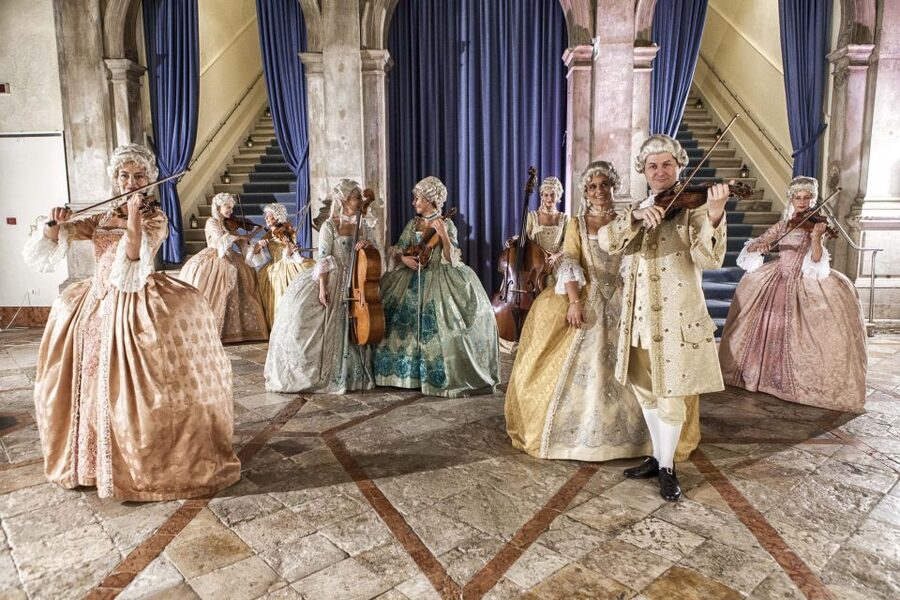
At the heart of the concert is Vivaldi’s famous work: a set of four seasons represented through music. Each season is built around the idea that instruments can imitate nature—birds, water, wind, and weather chaos—using string technique and patterns that feel scene-like.
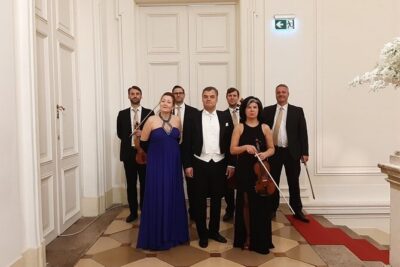
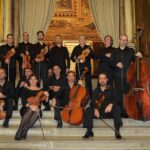
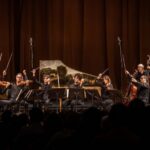
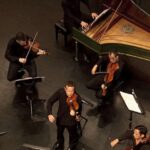
The orchestra is led by the professional musicians of I Musici Veneziani, so you’re not listening to a loose interpretation. This is the kind of performance where the tempo and precision matter, because the effects depend on clean articulation.
In particular, the harder sections—especially the fast, demanding parts that show up in Summer and Winter—tend to stand out for stamina and speed. That’s not just impressive on paper. When a violinist sustains intensity through tricky passages, you feel it as momentum rather than as a set of notes.
Also, you might catch moments where soloists play with no music stand in view. Even if you can’t see every detail, it changes the energy on stage. When the lead is fully present, the whole orchestra tends to sound more unified.
The occasional vocal moment
Your main focus is the strings, but the show may include a short vocal element. Some performances include singing for a few minutes, so don’t be surprised if you hear a voice woven into the seasonal scenes. If your favorite part of opera is the drama, this bit can be a pleasant extra.
The costumes and staging: period clothing that actually helps
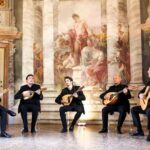
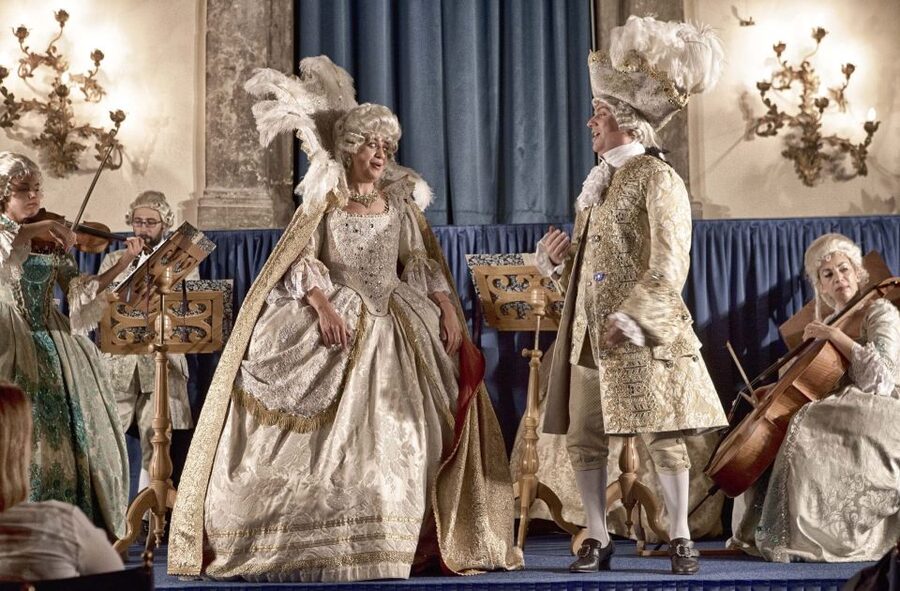
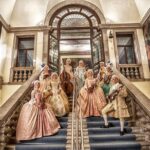
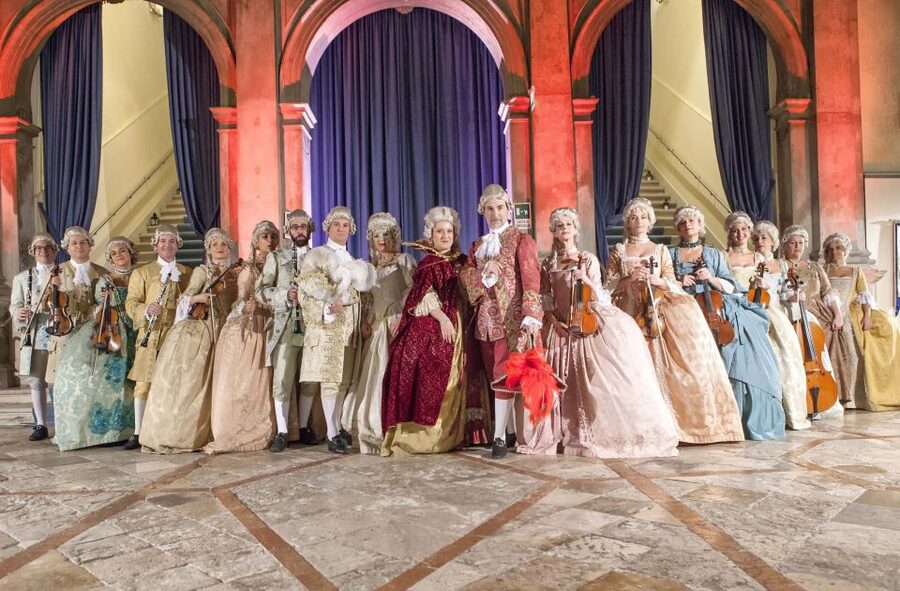
A lot of concerts claim they’re immersive. This one earns it the old-fashioned way: by making the stage readable. Period costumes don’t just look nice in photos. They sync with the feeling of the music and help you understand the “time travel” vibe people talk about.
When musicians walk on or shift positions in costume, you see Baroque style in motion. It also helps keep the evening from feeling like a standard sit-and-stare classical show. The music already tells stories, and the costumes add visual punctuation to those changes.
If you like performance style, you’ll likely enjoy watching the soloists closely. Many seats offer decent sightlines, but if you can, try for the earlier part of the room so you catch the moments when the lead violinist turns attention toward the audience and back to the music.

The small-venue feel: acoustics, intimacy, and seating realities
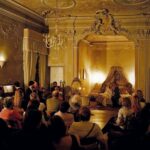
What makes this concert special is the way it holds you. The venue is described as historic and intimate, which usually means two things: you hear details clearly, and you don’t feel detached from the musicians.
Acoustics tend to be a strong point in settings like this, and the program fits that. Vivaldi’s writing relies on crisp rhythms and clean bowing. In a better room, those textures come through without you straining.
But there’s a tradeoff. Chairs can be uncomfortable, and some seats may have limited sightlines. One common issue is that “row numbers” don’t always match the reality of how far back the seats are. If you’re paying for a better view, I’d take it seriously and aim for a seat closer to the action rather than assuming mid-range is the same everywhere.
Also plan for bathroom constraints. The venue can have limited facilities, including only one toilet for women and one for men. That means don’t wait until you’re desperate. Use the time before the concert to get sorted.
Timing and logistics that affect your enjoyment
This is Venice, so a little planning is part of the game. The show is about 75 minutes, which is short enough that you don’t need to turn the whole day into a scheduling project. Still, the timing details affect comfort.
Here’s the practical rhythm that works best:
- Arrive by 8 pm if you want an easier check-in and a better chance at a good seat.
- Don’t assume you’ll be wandering around freely before the show. With steps and a busy entrance, it’s smarter to get in, sit, and settle.
- If you’re catching a train or moving onward after the concert, plan extra buffer. The end time is often around 10 pm, but your exact timing depends on the evening.
Also, keep your phone away once the music starts. The room is built for listening, and the show’s energy depends on silence.
Value check: is $41 for 75 minutes a good deal?
Let’s look at value in plain terms. $41 for 75 minutes in Venice isn’t bargain-basement pricing, but it also isn’t the kind of tourist-markup you might fear. You’re paying for:
- a professional orchestra performance,
- the recognizable Vivaldi score (not a loose themed recital),
- period-costume staging, and
- a venue experience that feels specific to Venice rather than generic.
If you’re the type of person who likes classical music but doesn’t want a full night at a large opera house, this hits a sweet spot. You get enough time to feel satisfied, and you don’t need a second evening commitment just to fit music into your trip.
If you dislike sitting for long periods or are sensitive to uncomfortable seating, then the price has a hidden condition: your comfort. In that case, you should consider paying for a better seat level or picking a night when you’ll feel well-rested.
Overall, for the combination of the score, the live players, and the theatrical touches, this is a strong value.
Who this concert suits best (and who should think twice)
This show is a great fit if:
- you want a signature Venice evening that doesn’t require advanced music knowledge
- you like when classical music feels story-driven
- you enjoy costumes and stage atmosphere, not just the sound
It’s also a good choice for families. One review notes that an 8-year-old enjoyed it, which suggests the pacing and visual elements can work for kids who can handle a short formal event.
It might be less ideal if:
- you have mobility limitations and stairs are a barrier
- you’re very sensitive to seating comfort
- you need a late-night dining plan that starts immediately at the end, because the room’s flow and limited bathrooms can slow down exiting
Tips to get the best seats and avoid common annoyances
I’d follow these tips, because they directly change your experience:
- Get there early. Arrive closer to 8 pm if you want a better view. If you come at start time, you may land toward the back.
- Bring a backup plan for comfort. If your body gets cranky in hard seating, consider a small cushion or wear something supportive.
- Use the restroom before it begins. Facilities can be limited, and lines can form quickly.
- Watch for the soloists’ cues. When the lead violinist engages, the whole room’s energy shifts.
- Follow the room for applause. People clap at different moments depending on the style. It’s fine to wait and match what the audience does.
If you’re choosing ticket tiers, VIP options can help with queueing and seating. The general idea is simple: skip some of the stress at the entrance so you can focus on the performance.
Should you book Vivaldi’s Four Seasons in Venice?
If you want one classic Venice night that feels truly different from sightseeing, I think this is an easy yes. You’re getting a live orchestra, a world-famous work built on vivid scenes, and period costumes that make the whole thing feel specific to its setting.
Book it if you can handle a short indoor evening, steps to reach the space, and tight facilities. If any of those are deal-breakers—especially mobility or seating comfort—then consider reaching out in advance and choosing your seat carefully.
For most people, though, this is one of those “small commitment, big memory” evenings: 75 minutes of music that makes nature sounds feel like they belong in Venice.