REVIEW · VIENNA
Vienna: Classical Concert in the historic 1837 Strauss-Hall
Book on GetYourGuide →Operated by House Of Strauss · Bookable on GetYourGuide
One hour can feel like old Vienna. In the 1837 Strauss-Hall, a live orchestra and soprano bring Strauss and Mozart to life with a light show that explains the emotional plot while you listen. My favorite part is how the venue itself makes the music feel period-true, but one thing to consider is that the evening includes commentary and visuals, so if you only want pure concert music, you may wish it leaned even more toward music.
Before the first note, you get a chance to get oriented through the House of Strauss Museum and the exclusive Strauss Exhibition. Then, at 8:00 PM, you’re treated to an elegant sparkling wine reception in the hall’s octagon. The overall vibe is festive and welcoming, and you should expect a shorter, story-forward program rather than a long, formal concert evening.
In This Review
- Key Things You’ll Notice Right Away
- Why the 1837 Strauss-Hall Changes Everything
- House of Strauss Museum Time: 19:00 Entry and What It Adds
- The Strauss Exhibition Before the Concert: Feeling Connected to the Music
- 8:00 PM Sparkling Wine Reception in the Octagon
- 20:30 PM Performance: Strauss, Mozart, Soprano, and the Light Show
- The Orchestra Sound: What to Expect If You Sit Further Back
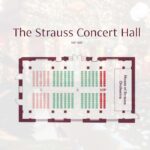
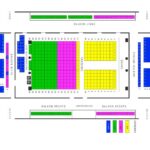
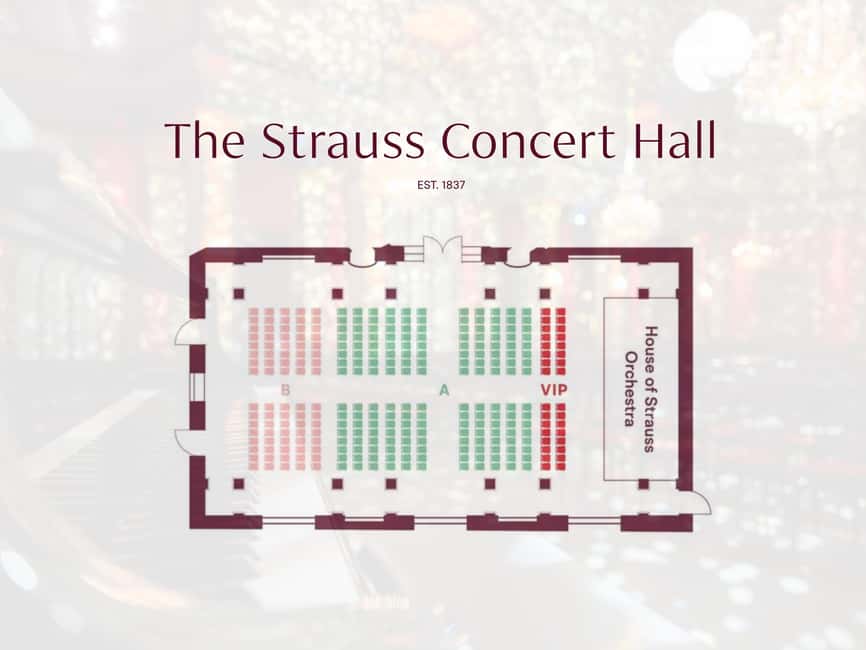
- Picking Seats: VIP Rows 1–2 vs Category A vs Category B
- VIP (Rows 1–2)
- Category A (Rows 3–13)
- Category B (Rows 14–18)
- Timing Tips So You Don’t Feel Rushed
- Value for $76: What You’re Actually Paying For
- Language and Commentary: Making Sense Without Missing the Music
- Who Should Book This Vienna Strauss Concert (and Who Should Skip It)
- Should You Book This Strauss-Hall Concert?
- FAQ
- What time does the museum part of the evening start?
- When do I enter the Strauss Hall for the concert?
- How long is the concert?
- What’s included with my ticket?
- Is there a sparkling wine reception included?
- What languages are available?
- Is the venue wheelchair accessible, and is there free cancellation?
Key Things You’ll Notice Right Away
- Start with the House of Strauss Museum (from 19:00) so you’re not going in cold
- Exclusive access to the Strauss Exhibition tied directly to the concert program
- Sparkling wine reception at 8:00 PM in an elegant octagon setting
- A soprano soloist adds emotional punch alongside the Strauss and Mozart pieces
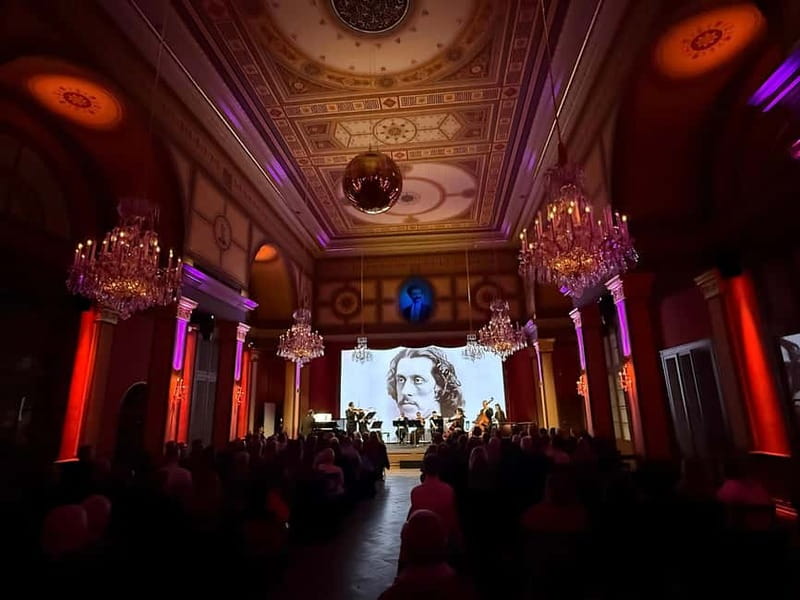
- Light and sparkle show synced to the music gives you a visual narrative
- Pick seats by how you want to experience the show (VIP for closeness, Category B for the light show)
Why the 1837 Strauss-Hall Changes Everything
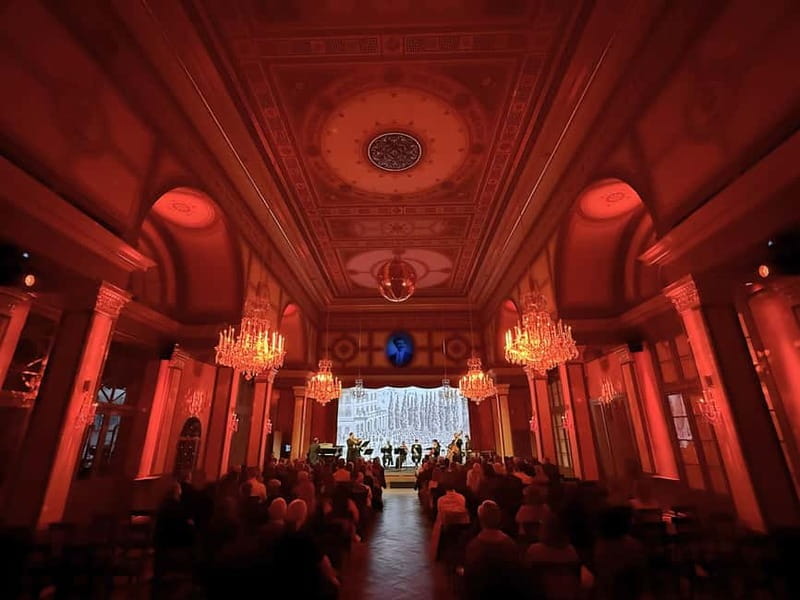
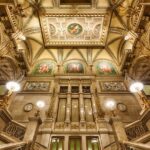
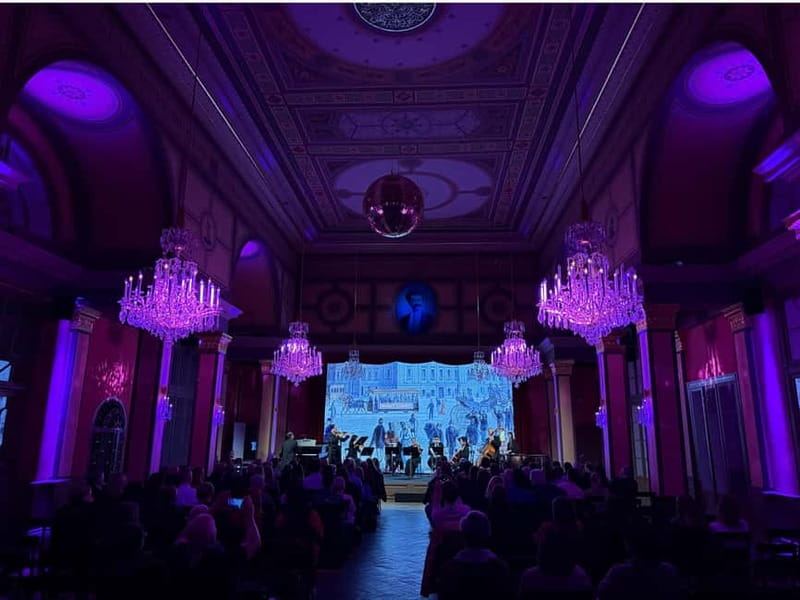
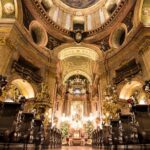
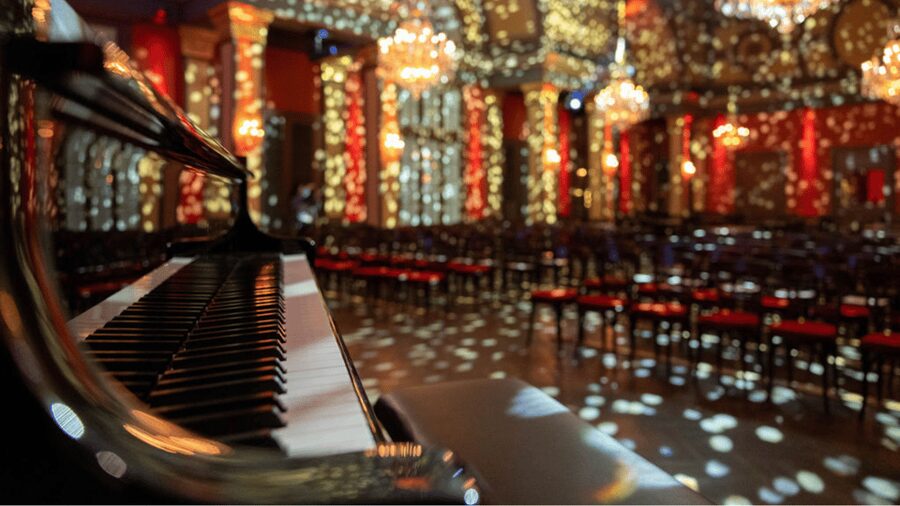
This isn’t a generic concert venue. The Strauss-Hall dating to 1837 has the kind of architectural character that makes you pay attention to details: the room feels designed for performance, not just seating. If you like hearing small differences in phrasing and dynamics, you’re in the right place.
The hall also shapes the mood. Between the historic décor and the way the staging is set up for both music and visual storytelling, you get that 19th-century Viennese feeling without having to do any guesswork yourself. One reviewer line that stuck with me: the performance is presented in a natural way—no amplification—so you really notice the acoustics and balance.
That leads to a practical consideration. If you’re in the back sections, you might rely more on the visual and musical structure to keep everything clear, because the sound can feel different than in the front.
You can also read our reviews of more tours and experiences in Vienna.

House of Strauss Museum Time: 19:00 Entry and What It Adds
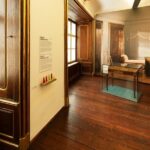
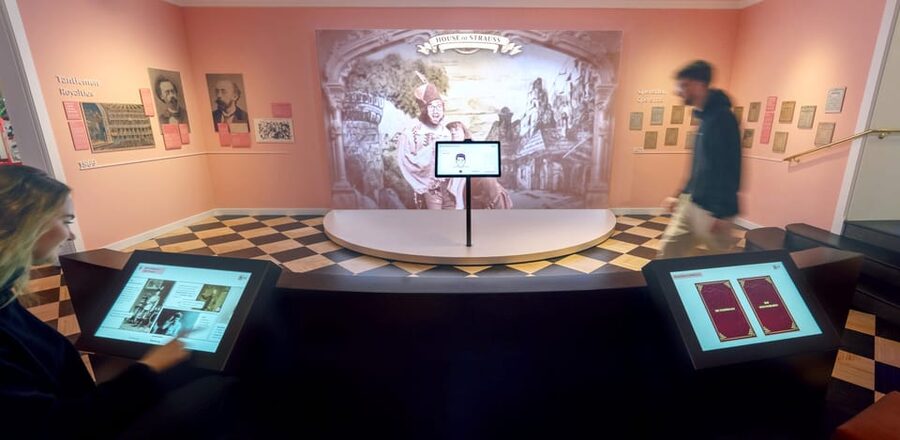
The evening starts earlier than most concerts, with museum entry beginning at 19:00. This is a smart move. You’re not just buying tickets for a show; you’re given context for who the Strauss family were and how their music shaped Viennese culture.
Inside, you’ll find exhibits focused on:
- the Strauss dynasty and their cultural impact
- interactive and multimedia elements
- historical insights into Vienna’s music era
Even if you’re not a die-hard classical history buff, this part helps you follow the concert better. Strauss music can feel immediately enjoyable, but knowing what you’re listening for makes it more fun—especially when the program is paired with light storytelling.
If you’re short on time in Vienna, you should still find this useful. It turns a nighttime activity into something you can understand in real time rather than just admire from your seat.
The Strauss Exhibition Before the Concert: Feeling Connected to the Music
After museum time, you’ll continue with the exclusive Strauss Exhibition as part of the same evening flow. The point here isn’t trivia for its own sake. It sets up the themes you’ll hear later—waltzes, overtures, and the romantic style associated with the Strauss name.
Because the concert mixes Strauss and Mozart, this pre-show context matters even more. Vienna’s classical world is tightly linked, and when you know the cultural “why,” it’s easier to hear the differences in style without getting lost.
In other words: the exhibition gives you a mental map before the lights go down.
8:00 PM Sparkling Wine Reception in the Octagon
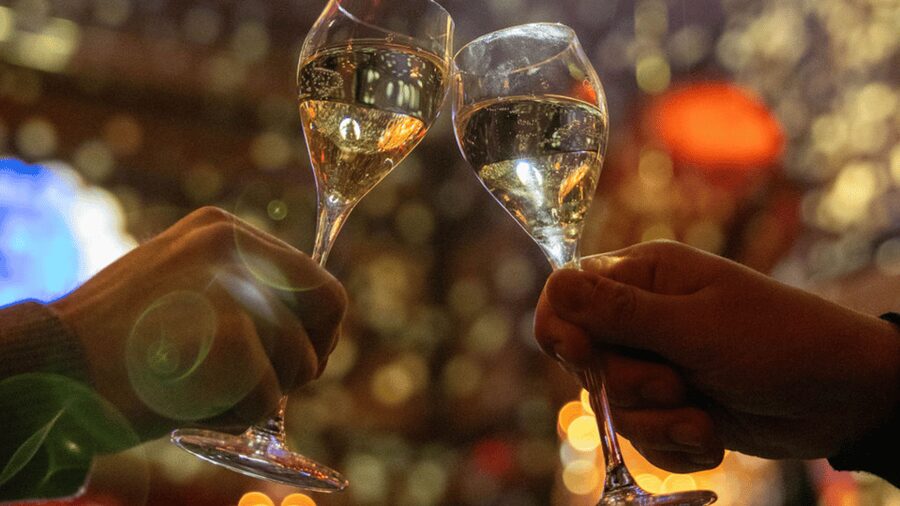
At 8:00 PM, you move from museum space into the concert hall area for a sparkling wine reception. Every ticket includes a complimentary glass of Austrian sparkling wine, and it’s served in the hall’s stylish octagon.
This is a small detail, but it changes the tempo. Instead of rushing straight into the concert, you get a gentle on-ramp: settle in, meet your moment, and let the atmosphere build while you sip something celebratory in a very Viennese setting.
Do you need the wine? Not really. One balanced takeaway from the experience: a few people felt the reception was more “nice” than “necessary.” But as a mood-setter for a festive classical night, it works well.
20:30 PM Performance: Strauss, Mozart, Soprano, and the Light Show
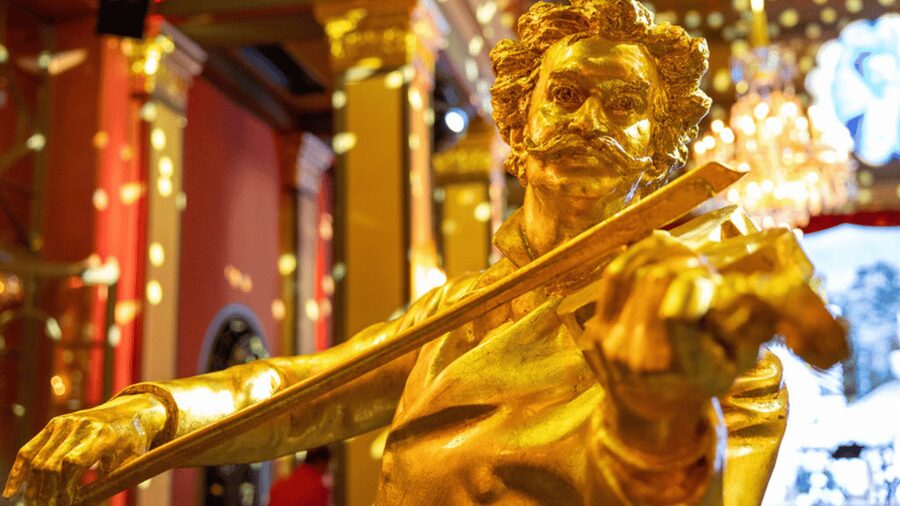
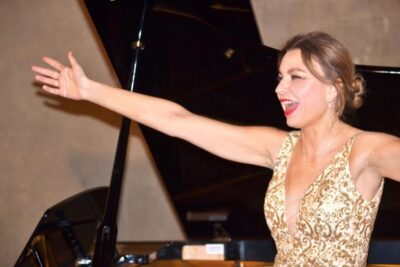
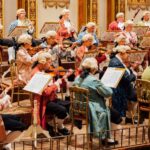
The main event runs 20:30–21:30. Expect a live orchestra performance by the original Strauss Capelle, with a soprano soloist joining in on key moments.
Here’s what makes the program feel more than just a playlist:
- You get Strauss and Mozart performed live, so you hear the differences in phrasing and feel immediately.
- The soprano brings a more human, emotional layer, especially during lyrical passages.
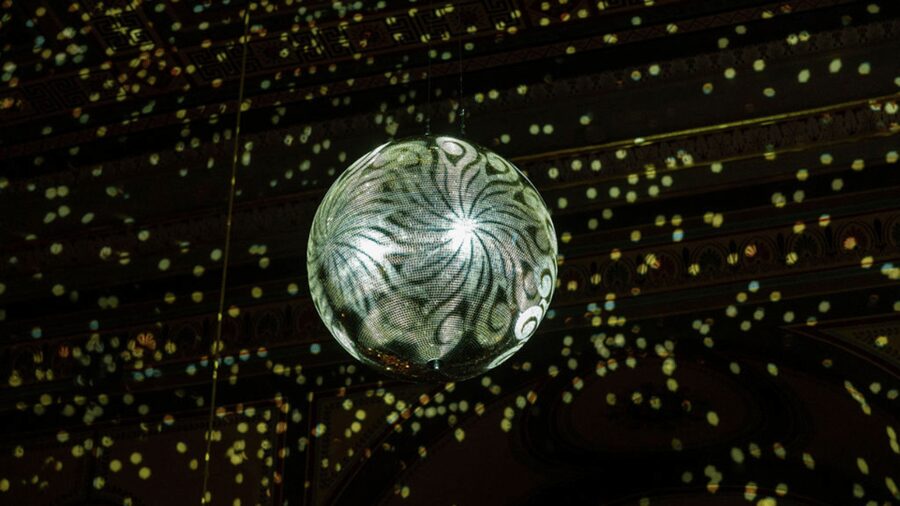
- A light and sparkle show is synchronized with each piece, visually narrating the “hidden stories” behind the music.
That last element is the big one. You’re not just watching lights because someone thought it would look cool. The visuals are timed to the music’s themes, emotions, and historical context. So while you’re listening, you’re also getting a guided storyline.
If you’ve never had classical music paired with stage storytelling, go in with an open mind. The visuals make the pieces feel more accessible, even if you don’t read music or know every work by heart.

The Orchestra Sound: What to Expect If You Sit Further Back
One theme that comes up in detailed accounts is the natural acoustic approach. The orchestra and singer are presented without amplification—meaning the room matters and so does your seat.
In practical terms, that usually translates into two things:
- Close seats tend to feel more immediate and detailed.
- Back seats may rely more on the combination of music + light to keep everything clear and engaging.
So if you’re sensitive to sound projection or you want every violin line to land cleanly, think carefully about seat choice (more on that below).
Also, because this is a shorter evening format, don’t expect a full-length marathon. The show is designed to be relaxed and entertaining, which can be a plus if you want your cultural night to feel social rather than formal.
Picking Seats: VIP Rows 1–2 vs Category A vs Category B
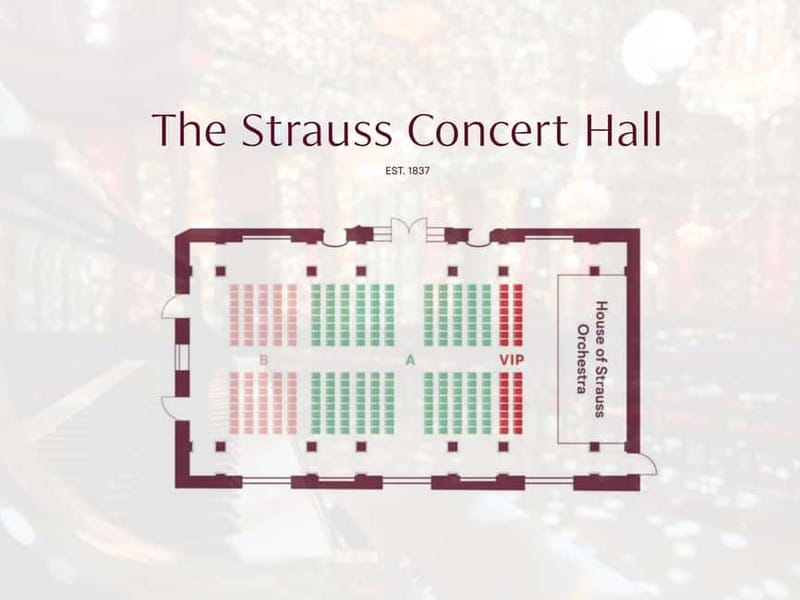
Seat selection here isn’t only about comfort. It affects how you experience both the sound and the light storytelling.
VIP (Rows 1–2)
Choose this if you want closeness. You’ll be near enough to feel like you’re inside the orchestra. This is the best option if you care about musical detail and want a more direct sound.
Category A (Rows 3–13)
This is the “sweet spot” option: strong visibility and sound. If you want a balanced evening—excellent view, good audio, and a full sense of staging—this category usually fits best.
Category B (Rows 14–18)
Category B is described as a great perspective with full light show experience. If you’re more interested in the visual storytelling and how the hall turns into a canvas for each piece, these seats make sense. You’re more likely to notice the coordinated light effects as a complete picture.
My practical advice: if this is your first time with this kind of concert format, Category B can be a fun choice. If you want the performance details to take the lead, go VIP or Category A.
Timing Tips So You Don’t Feel Rushed
This show runs on a clear schedule:
- From 19:00: museum entry
- 20:00: entry to the Strauss Hall
- 20:30–21:30: concert
Because you’ll be moving through exhibition space first, plan to arrive early enough to enjoy it without stress. When events like this feel smoother, you experience more. That sounds obvious, but it’s real—especially when you’re aiming to enjoy both the museum and the reception.
Also, the ticket includes skip the ticket line, which helps. Still, give yourself time to find your way inside the venue setup.
Value for $76: What You’re Actually Paying For
At $76 per person, you’re not just paying for a ticket to hear music. You’re buying a full evening package:
- admission to the House of Strauss Museum
- access to the Strauss Exhibition before the concert
- the live concert in the historic hall
- a sparkling wine reception with a complimentary glass
- light-and-visual storytelling synchronized to the pieces
- multilingual support (German and English are used)
So the value comes from the “layering” effect. Many Vienna classical experiences either focus on the music alone or on the sights alone. Here, the museum content primes your listening, and the light show helps your understanding without needing a program in front of you.
The main value trade-off is that the museum and the wine can feel like supporting roles rather than the headline. If your only goal is a long, music-heavy program, you might feel the evening is more “event” than “concert.”
But if you like the idea of a guided classical night—where context and emotion are built into the show—this price starts to feel fair fast.
Language and Commentary: Making Sense Without Missing the Music
The experience is offered in German and English, with an instructor using both languages. Commentary during the event is delivered in English with German subtitles.
That’s useful even if you’re not fluent. It means you’re not stuck waiting for translation apps or guessing the story beats. It also explains why the show can feel relaxed: you’re given just enough framing to follow the pieces without needing a lecture.
If you strongly prefer silence and pure performance, keep in mind that commentary exists. It may not feel necessary to you, but it does fit the format’s “storytelling” style.
Who Should Book This Vienna Strauss Concert (and Who Should Skip It)
This is a strong fit for:
- first-time visitors to Vienna who want a classical experience that feels understandable
- people who like Strauss and Mozart but also want some narrative support
- anyone curious about how a historic hall can pair acoustics with stage storytelling
- travelers who enjoy an elegant evening format: museum, reception, concert, then done
I’d be cautious if you:
- want a longer, traditional concert program with minimal staging
- dislike the idea of synchronized light effects
- feel you’d rather spend your time elsewhere in Vienna on an extra evening activity
In other words, this is not a “serious concert only” choice. It’s a “music plus storytelling in a historic room” choice.
Should You Book This Strauss-Hall Concert?
Yes, if you want a classic Vienna evening that’s easy to follow and built to feel festive. The combination of the 1837 Strauss-Hall, the soprano-led performances, and the synchronized light show makes this more than background music.
Book it if you’d enjoy arriving with context from the museum and walking into the concert with a clearer sense of what you’re hearing. And if seat choice matters to you, spend a moment choosing between VIP and Category B based on whether you value sound detail or the full light show view.
Skip it (or consider a more traditional concert) if you’re specifically chasing a long-form, no-frills concert program. This event is designed to be shorter, story-forward, and visually guided.
FAQ
What time does the museum part of the evening start?
Museum entry begins at 19:00.
When do I enter the Strauss Hall for the concert?
Entry to the Strauss Hall starts at 20:00.
How long is the concert?
The concert runs from 20:30 to 21:30.
What’s included with my ticket?
Your ticket includes admission to the House of Strauss Museum, access to the Strauss Exhibition before the concert, skip the ticket line, the concert performance in Strauss Hall, and a sparkling wine reception with a complimentary glass.
Is there a sparkling wine reception included?
Yes. At 8:00 PM, you’ll receive a complimentary glass of Austrian sparkling wine in the hall.
What languages are available?
The experience is offered in German and English, and commentary is provided in English with German subtitles.
Is the venue wheelchair accessible, and is there free cancellation?
Yes, the venue is wheelchair accessible. Free cancellation is available up to 24 hours in advance for a full refund.