REVIEW · CHENGDU
Jinjiang Theater: Eight-Face Changing-Legendary Sichuan Opera
Book on Viator →Operated by SUKHA Travel · Bookable on Viator
Face-changing can’t be faked. At Chengdu’s historic Jinjiang Theater, the story of Little Sanqing builds toward eight-face changing, and you even get Sichuan Gaiwan tea with your ticket. The only catch: the show includes fire-breathing effects, so it may feel intense if you’re traveling with very young kids or anyone who hates stage heat.
I like how the evening mixes show-stopping skills (face-changing, fire, acrobatics) with story bits so the whole hour doesn’t feel like a nonstop trick parade. You’ll also get a real taste of Sichuan opera style—singing, recitation, martial arts, puppetry, and costume spectacle—all in one compact program.
One more practical note: this is scheduled for the evening (start time 8:00 pm), and the experience requires good weather for it to run as planned. If you’re the kind of person who hates last-minute plan changes, keep a flexible mindset.
In This Review
- Key highlights before you go
- Jinjiang Theater in Chengdu: the setting that makes opera feel real
- Tickets, timing, and how the 1 hour 10 minutes moves
- Your show lineup: from The Three Heroes Fight Lü Bu to Ghost Immortal Dance
- Opening with Sichuan opera excerpts and stage storytelling
- Acrobatics that look like they’re testing gravity
- Hidden Knife and Releasing Pei: drama plus precision
- Fire-breathing and Rolling Lantern: the spectacle chapter
- Puppetry: The Beauty of Life adds a different texture
- The stars: Face-Changing and the eight-face changing skill
- Costume spectacle and dance closers
- Eight-face changing: what you should watch for (and what it means)
- Tea, costumes, and the small moments that make it feel like Sichuan
- Who should book this show in Chengdu, and who should think twice
- Should you book Jinjiang Theater’s Eight-Face Changing Sichuan Opera?
- FAQ
- Where is the ticket redemption point?
- What time does the show start, and how long is it?
- Is Sichuan Gaiwan tea included?
- What face-changing skills are included?
- What are some of the main acts you’ll see?
- Do I need good weather?
Key highlights before you go
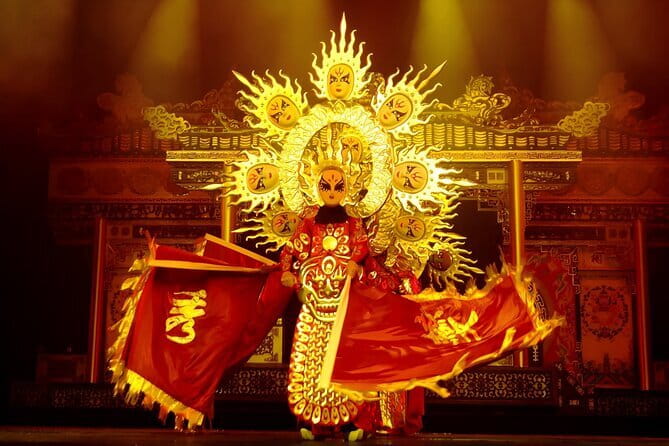
- Eight-face changing finale: the special skill that ties the whole performance together.
- Fire-breathing and Rolling Lantern: two big spectacle moments that make the stage feel dangerous in the best way.
- A full program, not just one stunt: shadow art, hidden-knife moments, puppets, and martial-arts acrobatics.
- Story follows Little Sanqing: the journey to mastering face-changing gives the show momentum.
- Complimentary Sichuan Gaiwan tea: a small detail that makes the whole night feel more “Sichuan,” not just “tourist.”
Jinjiang Theater in Chengdu: the setting that makes opera feel real
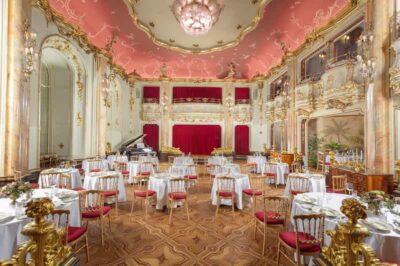
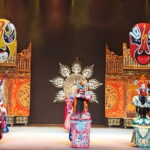
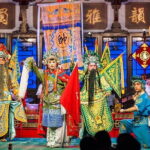
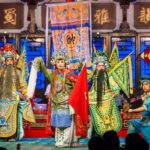
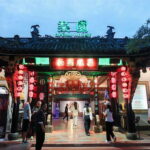
Jinjiang Theater is the kind of place that already looks like it has stories stuck to the walls. The big win here is that the show isn’t presented like a random stunt package. It’s staged as Sichuan opera—singing and recitation, plus movement, martial arts, and theatre tricks—so the face-changing lands with more meaning than just a “magic” moment.
The performance also connects to Sichuan opera roots. That matters because face-changing isn’t one isolated effect. It’s part of a larger performance language: timing, posture, vocal style, dramatic transitions, and then—right when you think you’ve figured it out—everything changes.
And yes, you’ll be in the middle of it all near Tianfu Square area, with the theatre described as close to public transportation. That makes an evening show easier to stitch into a Chengdu day without overthinking your route.
You can also read our reviews of more tours and experiences in Chengdu.
Tickets, timing, and how the 1 hour 10 minutes moves
The show runs about 1 hour 10 minutes, starting at 8:00 pm. That’s a sweet spot: long enough to feel like you got a real performance, short enough that it doesn’t steal your entire night.
Tickets cost $18, and the value comes from the sheer range packed into that time. You’re not paying just for one act. You get a full Sichuan opera program, including multiple acrobatics sequences, fire-breathing, a rolling lantern act, puppetry, and the featured eight-face changing skill. On top of that, your ticket includes a complimentary cup of traditional Sichuan Gaiwan tea—small, but it’s one of those details that makes the experience feel anchored in local culture.
Practical tip: if you’re aiming for the best view, show up a bit early. The theatre is near transit, so you shouldn’t be fighting traffic, but you’ll still want time to get settled before the program starts.
Your show lineup: from The Three Heroes Fight Lü Bu to Ghost Immortal Dance
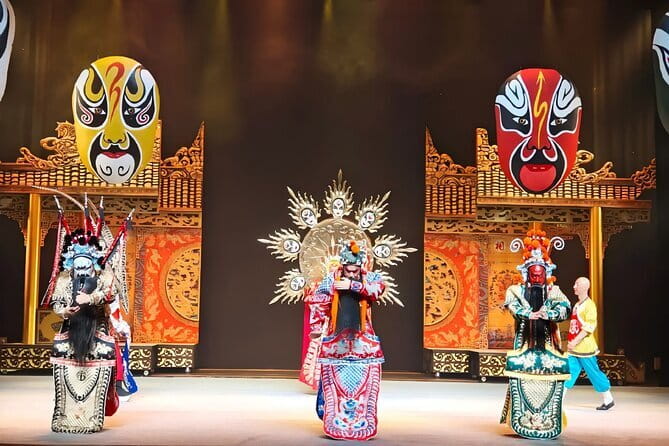
This performance moves through a set list of Sichuan opera excerpts and specialty items, so you get variety without long breaks. Here’s what to expect in the flow, and why each segment matters.
Opening with Sichuan opera excerpts and stage storytelling
The evening begins with Sichuan opera excerpts, including The Three Heroes Fight Lü Bu. This kind of start is useful. It tells your brain what game you’re in: dramatic character conflict, strong vocal delivery, and theatrical action before the performance gets trickier.
Then you’ll see hand shadow art, which is a classic kind of “wait for it” theatre. It’s less about big muscle and more about precision. Even if you don’t catch every spoken nuance, your eyes can follow the shape-making and timing.
Acrobatics that look like they’re testing gravity
Next comes acrobatic highlights such as Umbrella Kicking. It sounds simple—an umbrella and feet—but the point is control: fast movement, clean lines, and a rhythm that makes you stop expecting realism and start watching technique.
Later you also get Multi-Person Drum Kicking, which is exactly what it sounds like: coordinated athletic action involving drums. This is one of those segments where you realize how much Sichuan opera performance depends on training, group discipline, and cues you can’t fully see from the audience.
Hidden Knife and Releasing Pei: drama plus precision
Two Sichuan opera specialty moments—Hidden Knife and Releasing Pei—add tension. Hidden-weapon acts in opera-style theatre aren’t about gore. They’re about suspense, misdirection, and theatrical reveal timing.
This matters because it’s prepping you for face-changing. When the show later shifts into the featured technique, you’re already in the right mental mode: watch for transitions, not just movements.
Fire-breathing and Rolling Lantern: the spectacle chapter
Then you hit the big spectacle set:
- Fire Breathing
- Rolling Lantern
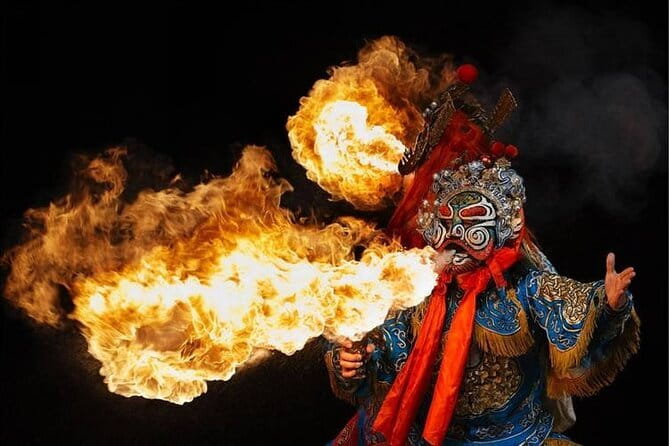
Fire-breathing turns the stage into a high-drama moment. You’ll feel the energy spike because it’s visually dramatic and fast-paced, with the performers using breath, posture, and choreography to create a clear effect.
The Rolling Lantern act is the kind of sequence that keeps adults and kids watching with their mouths slightly open. It’s not just “something moves.” It’s stage control—movement that’s timed with the rest of the performance so it feels like part of the story, not a random intermission stunt.
Puppetry: The Beauty of Life adds a different texture
After the bigger spectacle, there’s a puppet show—The Beauty of Life. Puppetry shifts the feel of the theatre. It brings in a different kind of expression, often clearer in its visual symbolism.
For you, this is a breather without being a break. It also helps keep the show family-friendly because the visual story can be understood even when you’re not tracking every word.
The stars: Face-Changing and the eight-face changing skill
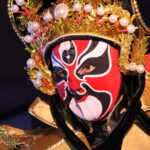
The core event is Face-Changing, followed by the exclusive highlight: Eight-Face Changing.
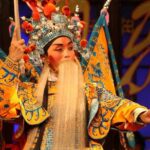
Here’s the key idea: face-changing is about speed, timing, and dramatic transformation. When it goes beyond standard face-changing into eight-face changing, it’s basically the show proving it can go from skillful to astonishing. The performers don’t just switch masks; they do it in a way that looks like part of the character’s emotion and momentum.
If you watch with one rule, use this one: keep your eyes on the performer’s face and hands during the transition moments. Don’t stare at the wings or the drum area. The technique is built around instant changes.
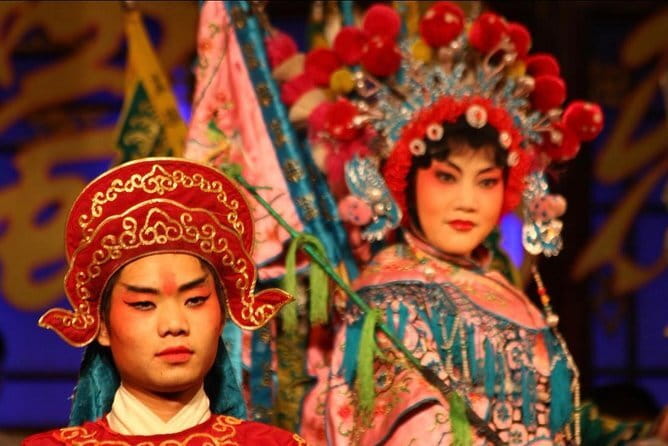
Costume spectacle and dance closers
After the face-changing peak, you’ll also see:
- Three Costume Changes
- A traditional fashion show
- Dance performances such as Water Sleeve Dance and Ghost Immortal Dance
Three costume changes extend the transformation theme. It reinforces that this isn’t only about visual effects; it’s also about character evolution and stage presence.
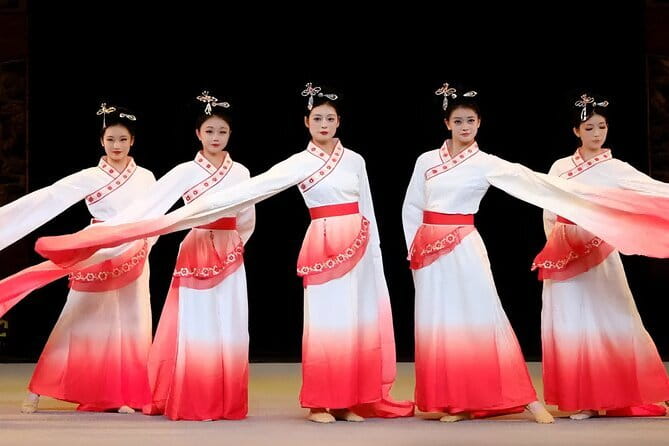
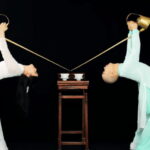
Water sleeve dance is classic Sichuan opera elegance—fabric movement that looks like it has its own air pressure. The sleeve creates a “motion frame” around the performer, so even slower choreography can feel dramatic.
Then Ghost Immortal Dance adds a more uncanny, stylized vibe. It’s one of those endings that makes you leave thinking the theatre has more moods than you expected.
Eight-face changing: what you should watch for (and what it means)
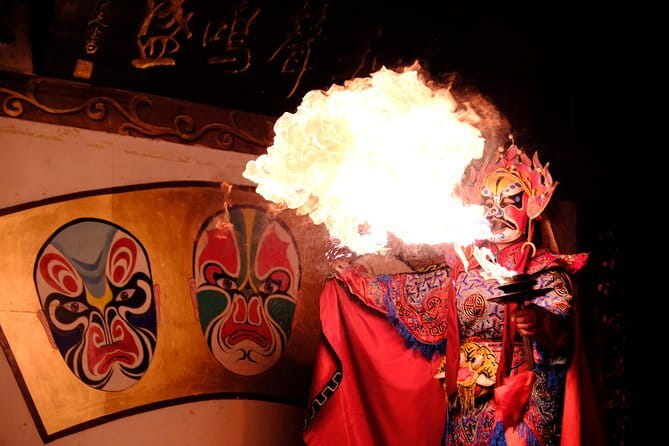
Eight-face changing isn’t just “more of the same.” The value is that it compresses more transformation moments into one performance beat.
When the show reaches the eight-face changing skill, you’re basically watching the performers’ mastery under pressure: quick shifts, precise cues, and enough control that the effect looks intentional rather than accidental.
For me, the most satisfying part is realizing that the technique only works because the rest of the show supports it:
- the dramatic story of Little Sanqing
- the earlier tension-building scenes like hidden-knife and Releasing Pei
- the high-energy spectacle moments that prime you to pay attention
So if you’re worried you’ll “only” see a trick, don’t. You’ll see a performance language where face-changing is the climax, not the entire meal.
Tea, costumes, and the small moments that make it feel like Sichuan
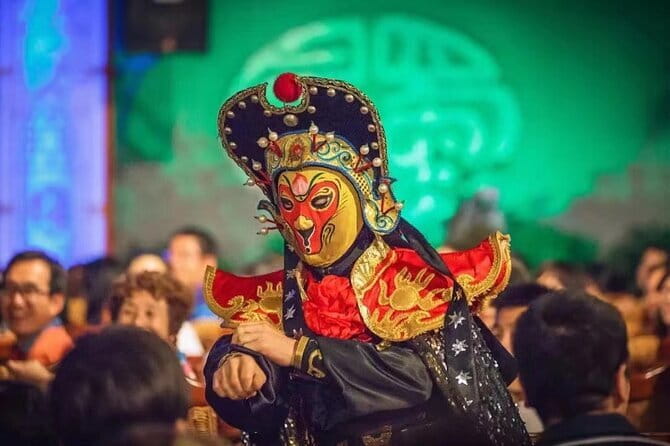
Your ticket includes a cup of traditional Sichuan Gaiwan tea. I like that because it’s not just a freebie tossed in at the end. Tea takes a few minutes out of the rush of the show and gives you something to do while you’re settling in.
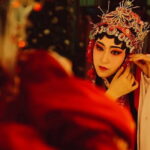
The traditional fashion show and costume changes are another reason this feels more than a quick performance stop. Costume detail matters in Sichuan opera because it helps separate characters, ages, roles, and emotional beats. Even if you don’t understand the language, the visuals give you structure.
And then there are the transitions between singing/recitation, martial arts acrobatics, and theatre specialties. That mix is the point: this is how Sichuan opera keeps attention, not by repeating the same trick, but by changing the stage “toolset.”
Who should book this show in Chengdu, and who should think twice
This is a strong pick if you want:
- a high-impact cultural evening that fits into a short schedule
- face-changing as a main event (and specifically the eight-face changing highlight)
- a program with martial arts, puppets, dance, and big stage effects
It also works well for mixed groups because the performance includes visual variety—hand shadow art, acrobatics, puppet theatre, costume spectacle, and dance—so you’re not locked into one type of entertainment.
Who might think twice: if you’re extremely sensitive to stage spectacle involving fire-themed acts, note that fire breathing and rolling lantern are part of the program. I’d still frame this as a “heads up” rather than a dealbreaker.
Also, because the experience depends on good weather, you should have flexibility on your evening plans. That’s not unique to this show, but it’s worth keeping in mind.
Should you book Jinjiang Theater’s Eight-Face Changing Sichuan Opera?
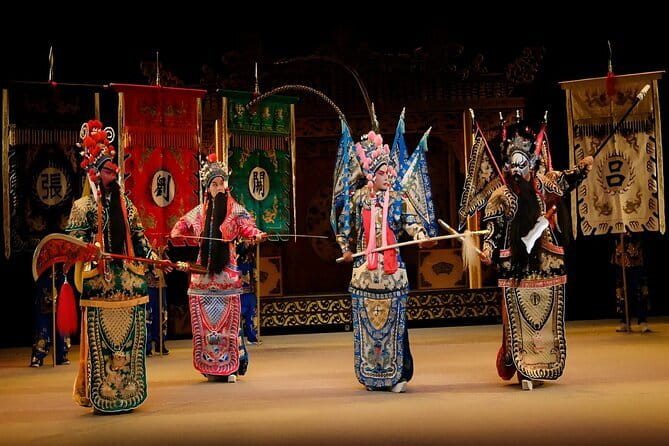
Yes, I think it’s worth booking if face-changing is on your Chengdu list and you want the full Sichuan opera package in one hour-plus. For $18, the value comes from volume: multiple specialty acts plus the exclusive eight-face changing skill, not just a single highlight.
Book it if:
- you want a memorable evening show near Tianfu Square
- you like theatre where the action is visual and physical, not only spoken
- you want a taste of Sichuan opera beyond the face-changing headline
Skip (or plan carefully) if:
- you need a very calm, low-intensity event
- you’re trying to build a schedule that can’t handle an evening date change if weather throws a wrench in things
FAQ
Where is the ticket redemption point?
The meeting and ticket redemption point is Jinjiang Theatre, 54 Hua Xing Zheng Jie, Luomashi, Jin Jiang Qu, Cheng Du Shi, Si Chuan Sheng, China, 610017.
What time does the show start, and how long is it?
The start time is 8:00 pm, and the performance duration is about 1 hour 10 minutes.
Is Sichuan Gaiwan tea included?
Yes. You receive a complimentary cup of traditional Sichuan Gaiwan tea with the experience.
What face-changing skills are included?
The program includes Face-Changing and the exclusive Eight-Face Changing skill.
What are some of the main acts you’ll see?
The lineup includes Sichuan opera excerpts like The Three Heroes Fight Lü Bu and Releasing Pei, hand shadow art, acrobatics such as Umbrella Kicking and Multi-Person Drum Kicking, the Hidden Knife specialty, fire breathing, Rolling Lantern, puppetry (The Beauty of Life), and dance like Water Sleeve Dance and Ghost Immortal Dance.
Do I need good weather?
Yes. The experience requires good weather. If it’s canceled due to poor weather, you’ll be offered a different date or a full refund.