REVIEW · CHENGDU
Sichuan Opera with face-changing at Sichuan opera theater
Book on Viator →Operated by Discovery more · Bookable on Viator
Sichuan Opera in Chengdu is theater that moves fast. It blends big music, dance, and action with the famous face-changing spectacle, where performers shift expressions in a blink.
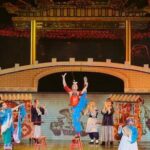
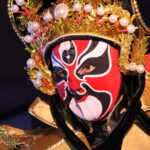
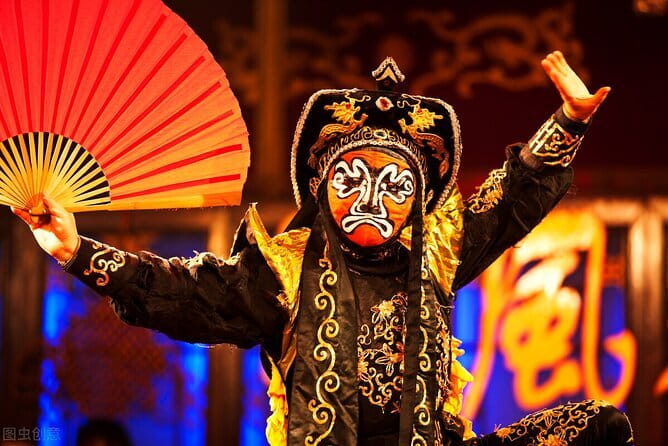
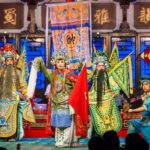
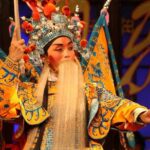
What I like most is the sheer showmanship: elaborate costumes, heavy makeup, and the quick mask-and-expression changes that keep pulling your eyes back to the stage. The second big win is the variety—this isn’t a single-note, slow-form European-style opera. Expect a mix of singing, movement, sketches, and acrobatic feats that make the evening feel like a nonstop performance.
One drawback to keep in mind: you’ll likely pay extra if you want extras like dressing up or a VIP seat upgrade. Also, take care with your QR entry code—there’s at least one report of trouble when a QR wasn’t received in time.
In This Review
- Key highlights you should care about
- Meihua Opera House meeting: start time and getting settled
- Dress-up and VIP seat options: nice extras, but expect add-on fees
- A show that feels like opera, magic, dance, and acrobatics
- Face-changing: what it is and how you’ll want to watch
- Acrobatics and the rhythm of scenes: tumbling and stage action
- The evening’s story moments, including The Chengdu Lovers
- Language support: English subtitles or translations may be provided
- Timing and what your two-hour night actually feels like
- Price and value: what $30 buys you in a major cultural show
- Ticket QR codes and the one real risk to manage
- Who should book this Sichuan Opera with face-changing
- Should you book Sichuan Opera in Chengdu?
- FAQ
- Where is the meeting point for this Sichuan Opera experience?
- What time does the performance start?
- How long is the Sichuan Opera show?
- How will I receive my tickets?
- Is transportation included?
- Does the show have English subtitles or translations?
- Can I dress up like the actors?
- Can I upgrade my seats to VIP?
- What is the cancellation policy?
Key highlights you should care about
- Face-changing happens as a main attraction, built on rapid expression and mask transitions
- Big costumes and makeup turn character changes into visual theater, not just acting
- Acrobatics and variety acts mean the show stays energetic instead of one long vocal segment
- Meihua Opera House meeting point keeps the start straightforward in central Chengdu
- E-ticket QR code is sent the day before by WhatsApp or Viator inbox
Meihua Opera House meeting: start time and getting settled
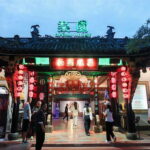
Plan on an 8:00 pm start. That matters in Chengdu because your evening can disappear fast if you show up late or have to wander for the venue. Meeting at Chengdu’s Meihua Opera House gives you a clearer target than trying to figure things out on the fly after a busy day.
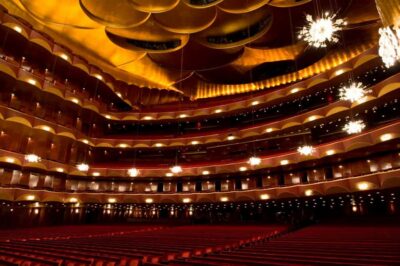
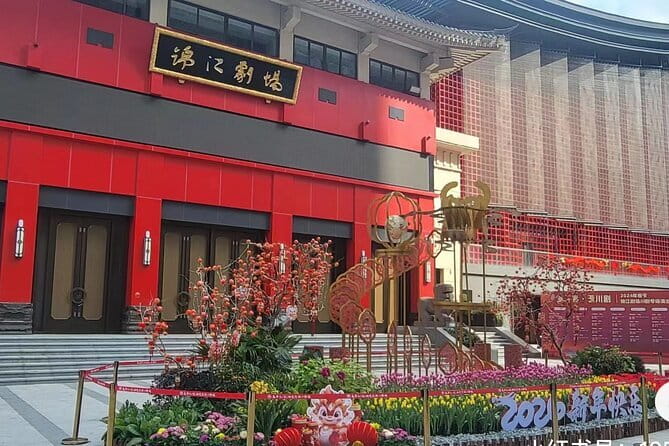
From there, you’ll go to the performance venue for the show. The performance is staged at a Sichuan Opera theater in Chengdu, including the Jinjiang Theater, so the evening is set up like a single, guided theater night rather than a “do-it-yourself” ticket hunt. The event runs about two hours, so you’re looking at a real night activity, not a quick stop.
Practical tip: bring something simple for waiting—water if you can, and keep your phone charged. If you’re relying on digital entry, that QR code becomes your key, and you do not want a dead screen at the gate.
You can also read our reviews of more tours and experiences in Chengdu.
Dress-up and VIP seat options: nice extras, but expect add-on fees
This experience includes the admission ticket, but it also offers optional upgrades. Two standouts:
1) You can dress up like the actors for an additional charge.
2) You can upgrade your seats to VIP if you’d like.
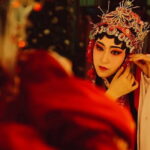
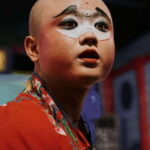
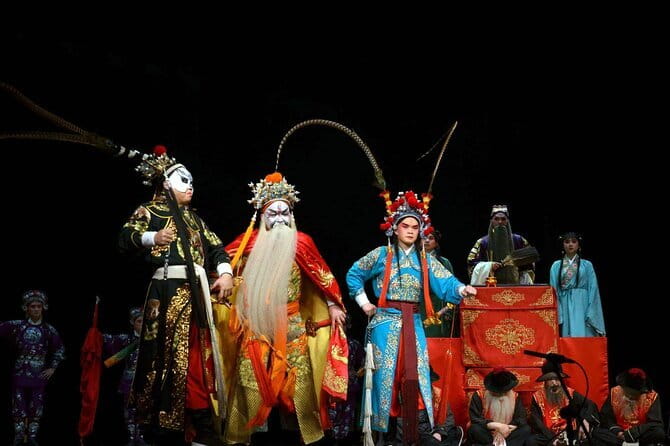
I like add-ons that feel like part of the performance, not gimmicks. Dressing up can be fun because Sichuan Opera is all about bold character presentation—costumes and makeup are half the storytelling. Still, it’s an extra expense, so decide what kind of night you want. If you’re traveling with limited time or you’d rather spend that money on dinner nearby, you can skip the extras and still get the main show.
VIP upgrades can also be worth it if you prefer better visibility. Face-changing is fast, and seeing details in makeup and costume design helps you appreciate what’s going on when the performer shifts expressions quickly.
A show that feels like opera, magic, dance, and acrobatics
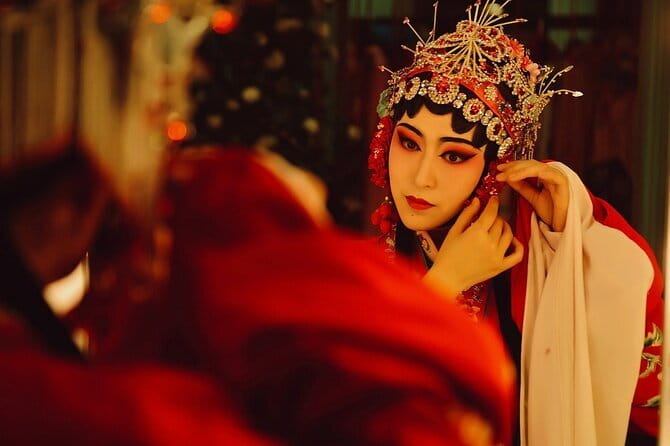
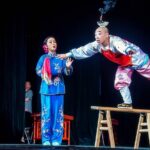
Sichuan Opera doesn’t play like Western opera, and that’s a good thing. Instead of one long vocal storyline, you get a show that mixes styles: music, dance, acrobatics, and short sketches that keep the pacing moving.
That variety is exactly why I think this works for a wide range of visitors. If you like traditional performing arts, you’ll recognize the style right away through costumes and theatrical gestures. If you’re only curious about face-changing, the surrounding acts still give you context for the performance world—how characters are introduced, how scenes shift, and how the audience is meant to react.
There’s also a strong visual side. Even without understanding every line, you’ll feel the momentum because the craft is visible: dramatic costuming, makeup that reads from a distance, and physical performance that lands clearly in the theater.
Face-changing: what it is and how you’ll want to watch
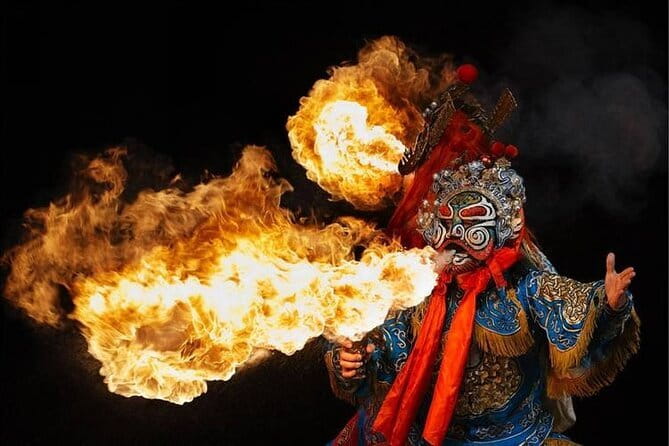
The headline is face-changing, one of Sichuan Opera’s most distinctive techniques. Performers quickly change facial expressions using a series of masks and makeup changes. That’s the core idea you should remember when you sit down.
How to watch it well:
- Keep your focus on the actor’s face area, not just the hands. The effect is expression-based, and you’ll miss the timing if you look down.
- Expect speed. This isn’t a slow transformation. The whole point is surprise and rhythm.
- Don’t worry if you don’t catch every internal mechanism. Even when you understand the concept, the timing still feels like stage magic.
This is where the show becomes more than a cultural performance—it becomes a real-time visual trick. The traditional costumes and heavy makeup make the changes easier to spot, too, because the contrast is intentional.
If you upgrade to VIP, face-changing is one of the reasons. Better sightlines help you catch details in costume and the exact moment the transformation happens.
Acrobatics and the rhythm of scenes: tumbling and stage action
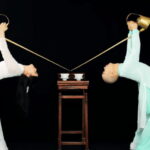
Sichuan Opera performers are known for impressive acrobatic feats, including tumbling and other physical actions. Even though the exact move list isn’t guaranteed from show to show, the emphasis is clear: the performers train for movement that looks bold and controlled.
Why this matters to you: it changes the mood. You’re not sitting through one mood for two hours. The action breaks up the stage storytelling, and it helps keep first-time viewers engaged. The show becomes a mix of performance skills—singing and expression on one beat, then physical feats and dance on the next.
It also helps you understand why Sichuan Opera works in a theater setting. Your eyes follow motion, and your ears follow the music. Together, they make the language barrier less of a problem. Even if you only catch a few story points, the body language still carries meaning.
The evening’s story moments, including The Chengdu Lovers
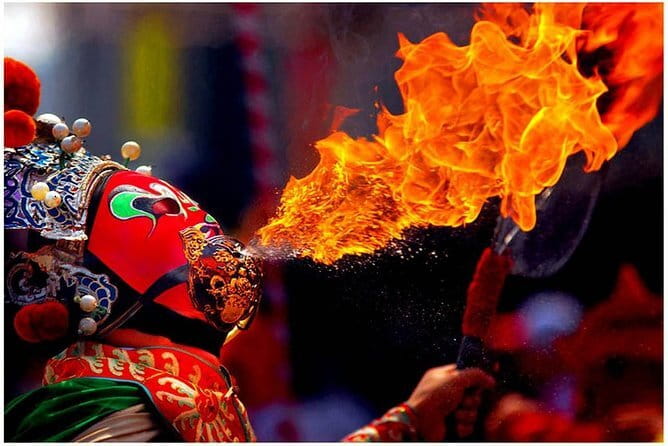
This kind of theater often includes famous story segments, and one highlighted title for the evening is The Chengdu Lovers, described as a tragic love story. Even when you don’t follow every detail, tragic romance is a strong dramatic engine—it usually shows up through costume cues, character roles, and emotional staging.
So think of the night as both plot and performance. The plot moments give structure, while the face-changing, acrobatics, and sketches provide the entertainment punch.
If you’re the kind of traveler who loves understanding what you’re seeing, go in with a mindset like: I’ll watch for who’s who, how scenes change, and how emotion is communicated. That’s how you’ll get the most out of a show even when the language is mostly not in your head.
Language support: English subtitles or translations may be provided
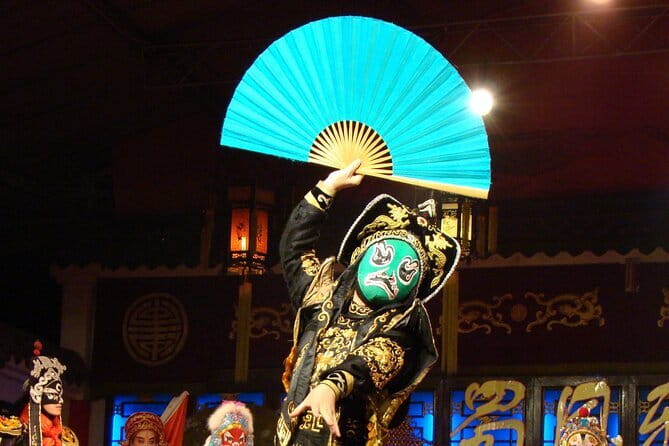
Non-Chinese speakers should plan for a language gap. The good news is that English subtitles or translations may be provided. The key word there is may—so don’t assume you’ll get a full, sentence-by-sentence translation.
My advice: don’t wait for perfect understanding. Use the performance cues. Listen for changes in music and pacing. Watch costumes and facial expression shifts—those are the fastest clues. When the performers do face-changing, they’re basically communicating character state instantly, without needing you to translate every line.
If you’re choosing VIP or paying for better visibility, this is another reason. Close viewing helps you catch facial and costume details that do the heavy lifting of comprehension.
Timing and what your two-hour night actually feels like
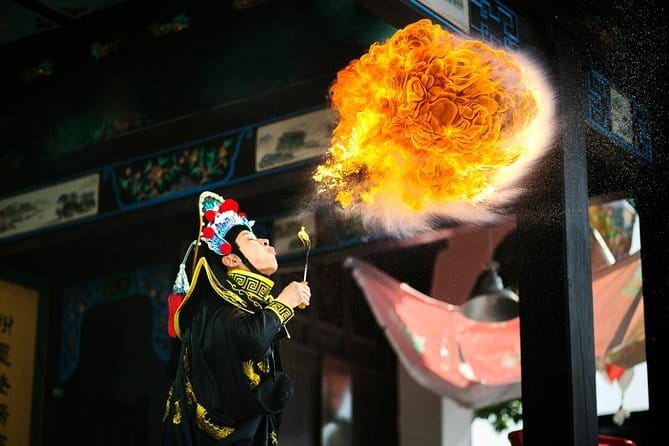
Start at 8:00 pm. From there, plan for the show itself to run about two hours. That means you’ll likely want to eat earlier, or at least have a plan to grab dinner before the theater time so you’re not rushing across Chengdu mid-performance.
Most people can participate—this is a theater experience more than a physically demanding activity. It’s also set up for a smooth entry with e-tickets, so your job is mostly to show up, find the entrance, and be ready when the QR code is scanned.
One thing I’d pay attention to: digital ticket timing. If you rely on your phone, check your messages the day before (and test your screen brightness). The scan is often where the night gets decided, especially in theaters during high demand.
Price and value: what $30 buys you in a major cultural show
At $30 per person, you’re paying for an admission ticket to a full evening of staged performance—face-changing, costumes, makeup, and acrobatics. That’s a lot of on-stage talent in a single sitting, and the price is more reasonable than you might expect for a theater show with this level of specialized skills.
Here’s the value equation I’d use:
- You’re already getting the main event: admission ticket and entry via e-ticket QR.
- You can add extras only if they fit your travel style: dress-up or VIP seating.
- You get a structured evening with a clear start time, so you’re not paying extra in stress.
The only real cost creep is optional upgrades. If you’d rather keep the trip budget tight, skip dressing up and consider whether VIP is needed just for visibility. If you’re happy watching from standard seating, you can still enjoy the core spectacle.
Ticket QR codes and the one real risk to manage
The experience uses e-tickets sent one day before the show start time through WhatsApp or Viator inbox. The idea is simple: you receive a QR code, then you scan it at entry.
Given the one negative report in the mix about not receiving a QR and having a ticket that wasn’t recognized, the practical lesson is straightforward: treat the QR as your lifeline.
- Make sure you know which inbox or WhatsApp chat you’ll check.
- Don’t wait until show time to look.
- If something looks off, message quickly so you have time to fix it.
Also keep a screenshot of the QR code if possible. Phones fail, battery fails, and theater lights can be unforgiving. A second backup reduces stress.
Who should book this Sichuan Opera with face-changing
Book it if you:
- Want a high-impact cultural show in Chengdu in one evening
- Are curious about face-changing and want to see it in a real theater setting
- Like performances with multiple skills—music, dance, sketches, and acrobatics
- Prefer a guided experience where you don’t have to sort out complicated ticket logistics
You might skip it if you:
- Strongly prefer long, continuous Western-style opera singing with less variety
- Plan to arrive late or hate digital ticket QR checks
- Are not interested in optional add-ons like dress-up or better seating (that’s not a problem, but it affects your planning)
Should you book Sichuan Opera in Chengdu?
Yes, if you want a memorable Chengdu evening that mixes tradition with a showman’s sense of timing. The face-changing and costume/makeup focus are the big reasons this is worth your money, and the acrobatics keep it lively for the full length of the show.
I’d book it with two conditions: check that your QR code arrives the day before, and decide ahead of time whether you want to spend on VIP or the costume dress-up option. Do those two things, and you’ll walk into the theater ready for a fast, skillful night of Sichuan Opera.
FAQ
Where is the meeting point for this Sichuan Opera experience?
You meet at Chengdu’s Meihua Opera House.
What time does the performance start?
The start time is 8:00 pm.
How long is the Sichuan Opera show?
The performance is about two hours.
How will I receive my tickets?
You’ll receive e-tickets by QR code sent through the Viator inbox or WhatsApp one day before the show starts.
Is transportation included?
No, transportation is not included.
Does the show have English subtitles or translations?
English subtitles or translations may be provided.
Can I dress up like the actors?
Yes, there is an option to dress up for an additional charge.
Can I upgrade my seats to VIP?
Yes, you can upgrade to VIP seats if you’d like.
What is the cancellation policy?
Free cancellation is available up to 24 hours in advance for a full refund.