REVIEW · CHENGDU
Jinjiang Theater:Eight-Face Changing-Legendary Sichuan Opera
Book on GetYourGuide →Operated by SUKHA Travel · Bookable on GetYourGuide
Eight faces can flip in seconds. This Jinjiang Theater show delivers the star of Sichuan opera—eight-face changing—wrapped in a full 70-minute program of opera excerpts, acrobatics, puppetry, and dance, all staged near Tianfu Square. I especially like the included traditional Gaiwan tea (served right before the show) and how the story of Little Sanqing turns the technique into something you can follow. One thing to keep in mind: you must have your email ticket details (QR code and seat number) to get in smoothly.
If you’re new to Sichuan opera, this production is a friendly, fast introduction. You’ll see the core arts—singing, recitation, movement, martial arts, and those special skills that make people lean forward—plus character types like sheng (male roles) and dan (female roles). The only real drawback is that there’s no recording allowed, so you’ll want to bring a good mood and be ready to watch, not document.
In This Review
- Key highlights worth planning for
- Jinjiang Theater by Tianfu Square: a convenient Chengdu culture stop
- Tickets and the tea plan: the one logistics step you must nail
- The 70-minute program: how the show moves fast without feeling chaotic
- Legendary Face-Changing: the story that makes the technique understandable
- What you’ll actually see in Sichuan opera: the skills behind the spectacle
- Eight-face changing and costume changes: pacing, tension, and payoff
- Food, noise, and rules: how to enjoy it without fighting the venue
- Price and value: what $20 buys you in the Chengdu context
- Who should book this show, and who might want something else
- Should you book Jinjiang Theater’s Eight-Face Changing show?
- FAQ
- How long is the Jinjiang Theater eight-face changing performance?
- Where is Jinjiang Theater located?
- What does the ticket include?
- What do I need to bring to enter the theater?
- Is video recording allowed during the performance?
- Is food allowed inside the theater?
- How do children tickets work?
Key highlights worth planning for
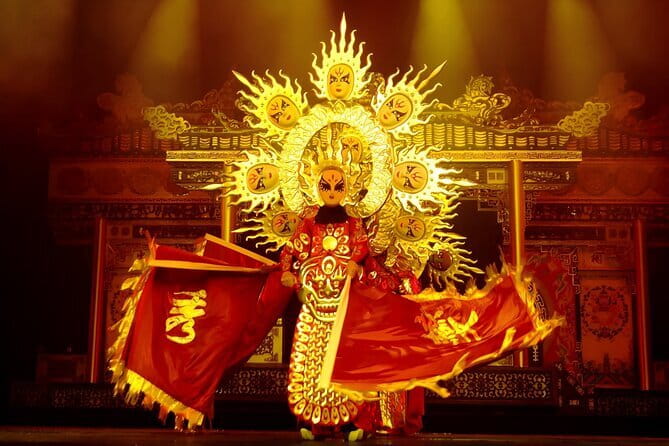
- Eight-face changing presented as the show’s centerpiece technique
- Complimentary Gaiwan tea at a tea house beside the theater, before curtain
- A story thread following Little Sanqing as he masters the craft after hardship
- Multiple Sichuan opera excerpts and special skills, including fire breathing and rolling lantern
- Dance and stagecraft mixing traditional opera styles with modern stage effects
- Seating is assigned randomly inside the ticket area, so arrive on time to settle in
Jinjiang Theater by Tianfu Square: a convenient Chengdu culture stop
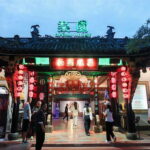
Jinjiang Theater is right in central Chengdu, close enough to Tianfu Square that it fits easily into a day of sightseeing. The venue matters here: Sichuan opera is all about precision—voices, timing, and stage action—so you’ll be happiest if you can walk in unhurried and find your seat without rushing.
The show runs for about 70 minutes, so it’s not a half-day commitment. That also makes it a good choice for families and first-timers. If your schedule is tight, this format is easier to slot than longer opera evenings that start later and go longer.
The production is also built to help you keep up. It isn’t just a string of tricks. There’s a narrative spine—the legend of face-changing—plus opera excerpts and specialty performances that work like “chapters.” Even if you don’t speak Chinese fluently, the physical storytelling is clear: hardship, training, disguise, and finally mastery.
You can also read our reviews of more tours and experiences in Chengdu.
Tickets and the tea plan: the one logistics step you must nail
This show includes a big perk: you get a bowl of Covered Bowl Tea from Yuelai Tea House, which sits right next to Jinjiang Theater. You’ll receive it one hour before the performance starts. It’s not just a nice extra. The tea is part of the experience pacing, and it gives you something cultural to do while you wait—rather than standing around in street-time limbo.
Here’s the practical part: you must check your email for the ticket serial number, QR code, and your seat number. Without those details, you cannot enter the theater. If anything is missing, contact the service provider quickly so you don’t lose your show time.
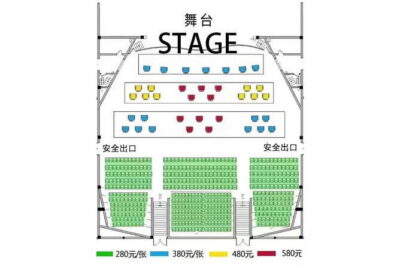
Also note how seating works. Seats are assigned randomly within the designated ticket area. That means you should still arrive early enough to settle, find the entrance, and get comfortable. If you’re sensitive to sightlines, don’t treat late arrival as a harmless choice.
Two other rules help you avoid disappointment:
- No food is allowed in the theater.
- No video recording during the performance.
The 70-minute program: how the show moves fast without feeling chaotic
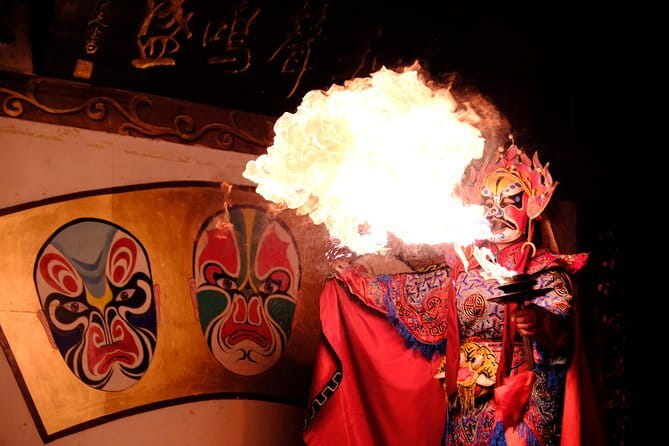
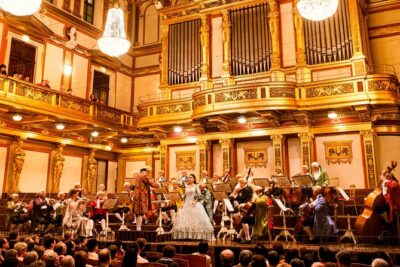
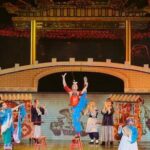
The program is packed, but it doesn’t feel like “random hits.” It’s organized like a performance festival: opera excerpts for story and technique, stage specialties for impact, then dance and action sequences to keep the energy rising.
You can expect segments such as:
- Sichuan opera excerpts like The Three Heroes Fight Lü Bu
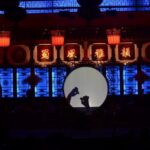
- Hand shadow art
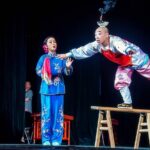
- Acrobatics including Umbrella Kicking and Multi-Person Drum Kicking
- Sichuan opera specialties like Hidden Knife
- Releasing Pei plus Fire Breathing
- Rolling Lantern (lamp play)
- Puppet show The Beauty of Life
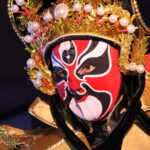
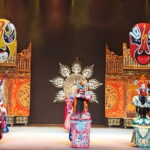
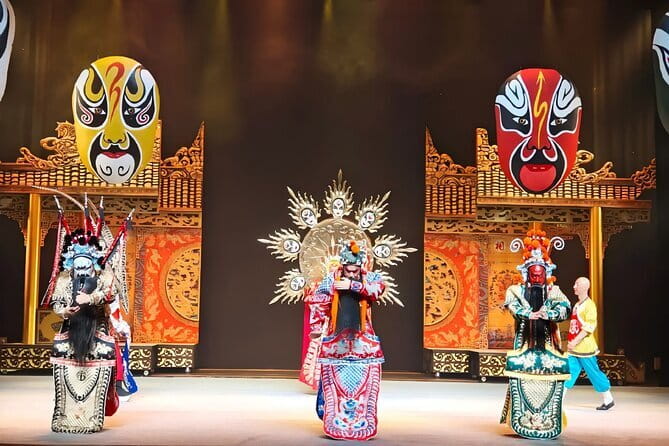
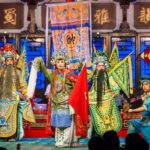
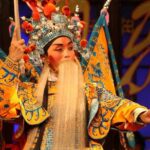
- The signature centerpiece: Face-Changing (Exclusive Skill: Eight-Face Changing)
- Three Costume Changes
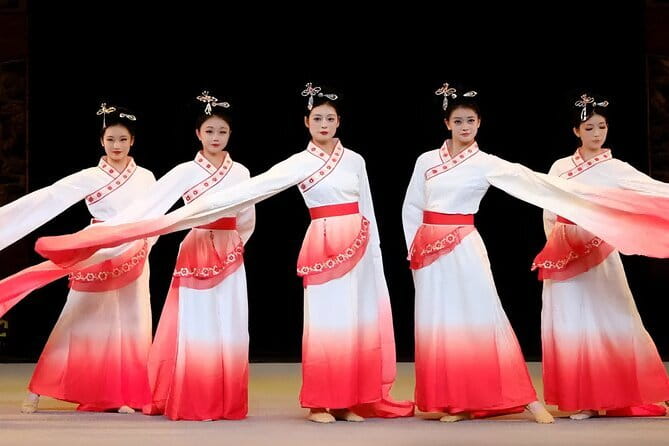
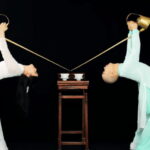
- Traditional fashion show and dance moments like Water Sleeve Dance and Ghost Immortal Dance
Why this structure works: Sichuan opera isn’t only about one trick. It’s a whole performance system—voice, movement, combat stylization, and specialty effects. So instead of asking you to appreciate only face-changing, the production gives you multiple “entry points” to the art.
You’ll also notice a multi-angle, multi-perspective staging approach. In plain terms, the performance is designed so you don’t need to be in one perfect seat to get most of the action. That’s a real plus when you’re traveling with family or friends and can’t all pick the best seats.
Legendary Face-Changing: the story that makes the technique understandable
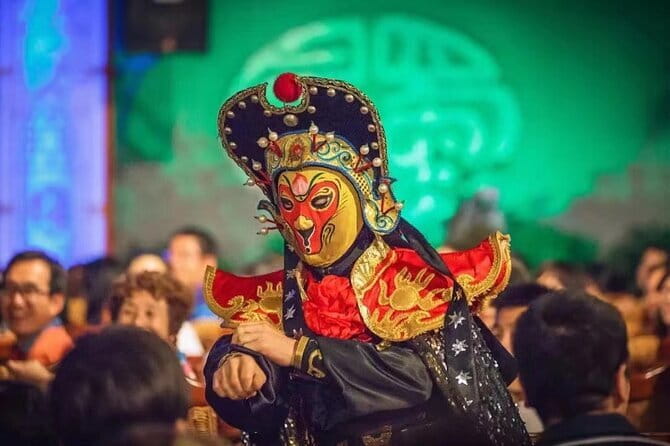
The show’s narrative is set at Sanqinghui in Chengdu—described as one of Sichuan opera’s birthplaces—and that choice gives the performance a sense of origin. You’re watching not just a skill, but an evolution: how face-changing becomes something performers practice, refine, and ultimately master.
The central storyline follows:
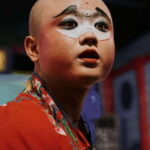
- Little Sanqing, an opera student who trains through adversity
- His master, who takes him as a disciple
- Little Huanhua, who develops feelings for Little Sanqing
- Young Master Ma, who forces a breakup and orders Little Sanqing’s face to be burned with fire
- Little Sanqing escaping with a mask, hiding while he secretly hones his face-changing skills
- The eventual payoff: mastering eight-face changing in one performance, then reuniting with Little Huanhua and bringing brilliance back to the Sichuan opera stage
This kind of plot is more than melodrama. It explains why the faces change: the character isn’t just showing off. He’s surviving, disguising, and transforming himself to keep going. That emotional logic helps the “wow” moments land even if you don’t fully catch every word in the singing or recitation.
What you’ll actually see in Sichuan opera: the skills behind the spectacle
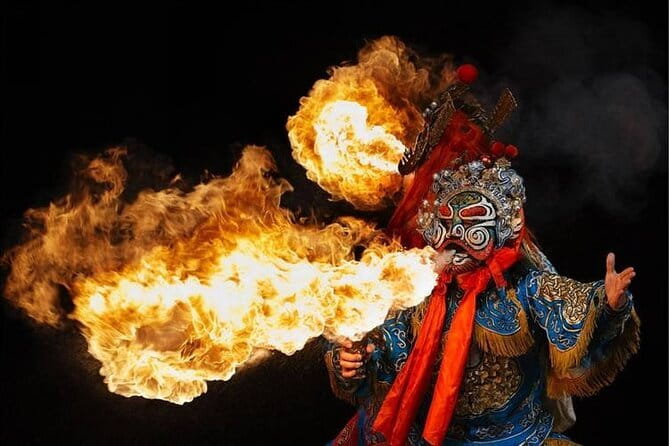
Sichuan opera is often described in broad strokes, but the show makes the categories visible. The performance focuses on core elements such as:
- Singing and recitation
- Movement and martial arts (stylized combat and stage fighting)
- Special skills, including face-changing, fire breathing, and knife-related moments
The characters also follow recognizable role types:
- sheng (male roles) with specific movement and staging conventions
- dan (female roles), known for particular stylized action and performance expression
You’ll probably notice that the show doesn’t just “pause” for specialties. It keeps the artistic tension moving—acrobatic moments appear in context, and dance sequences build on earlier energy rather than feeling like unrelated breaks.
There’s also a sense of stage storytelling through different art forms. Market-style magic tricks and hand shadow work show up as connective tissue. Puppet segments like The Beauty of Life give you a second storytelling language—more visual, more direct. Then you return to opera technique with the signature specialties.
For many first-time viewers, this combination is the real value: it helps you understand that face-changing is one piece of a much bigger performance machine.
Eight-face changing and costume changes: pacing, tension, and payoff
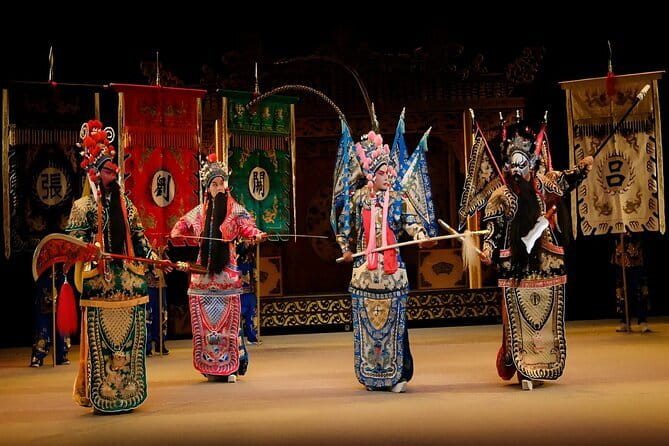
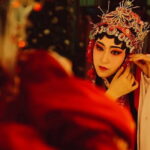
The eight-face changing moment isn’t treated like a single isolated trick. It’s presented as a development—part of the legend—and then reinforced with more stage transformations, including three costume changes.
That matters because face-changing is best appreciated when you understand what comes before it. The show builds through practice, hardship, and concealment. When the eight-face technique finally lands, it feels like a conclusion rather than a random jump scare.
Along the way you’ll see other visual transformation elements:
- specialty effects tied to the storyline
- traditional fashion-show styling
- dance moments that slow the pace briefly so you can reset
The net result is a performance rhythm that keeps you awake for the entire run. Even if you’re not a die-hard opera fan, you’ll likely find yourself tracking the action like a story. That’s a big reason this show earns repeat interest from people who first come for face-changing and then leave thinking about the wider Sichuan opera skills.
Food, noise, and rules: how to enjoy it without fighting the venue
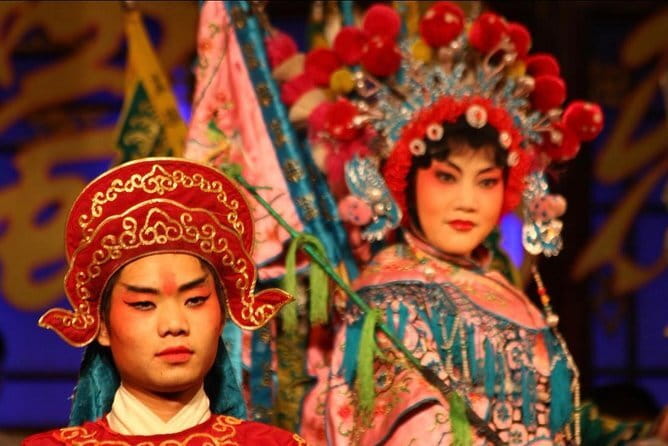
This is one of those nights where a few simple choices make the experience better:
- Don’t bring food into the theater (it’s not allowed).
- Leave alcohol and prohibited items at your lodging.
- Treat recording rules seriously: no video recording during the performance.
Also, go in with your expectations aligned. This isn’t a silent museum show. It’s a live performance with singing, movement, and specialty effects. Noise from phones and cameras breaks the energy, and the rules are strict for a reason.
If you’re sitting down for 70 minutes, be ready for action. The program includes fire-related specialties and dynamic acrobatics, so the stage can feel intense. That’s part of the appeal, but it’s also why you want to be present. Put your phone away and let your eyes do the work.
Price and value: what $20 buys you in the Chengdu context
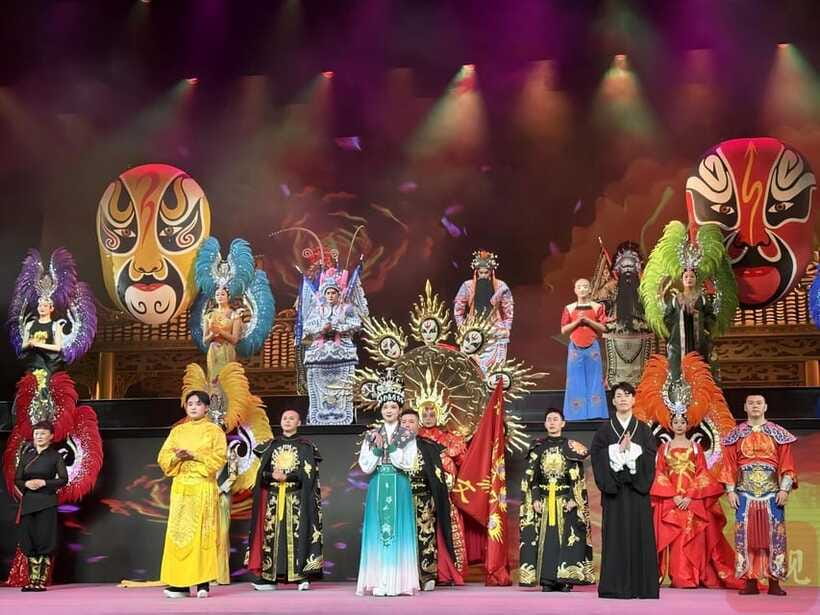
At about $20 per person, this show is good value if your priority is a concentrated sample of Sichuan opera’s range. You’re not paying just for face-changing. The program stacks opera excerpts, shadow art, acrobatics, puppetry, dance, and multiple specialty skills into one evening.
In practical terms, that means you get:
- a main signature technique (eight-face changing)
- multiple supporting disciplines (martial arts stylization, fire breathing, lamp play, and more)
- a story thread that helps you follow the action
- an included cultural add-on: Covered Bowl Tea
If you’re touring Chengdu and want one evening that gives you both tradition and spectacle without a long time commitment, this format makes sense. The show is also easy to plan around because you only need to coordinate with the start time, then focus on arriving early enough for the tea.
Who should book this show, and who might want something else
This experience is a strong fit for:
- first-timers who want a clear introduction to Sichuan opera
- families who want a variety show format with opera at the core
- travelers who love visual performances, stagecraft, and specialty skills
It may be less ideal if:
- you only care about one single element and hate variety
- you need to film the performance for personal documentation (recording isn’t allowed)
- you arrive late and rely on rushing inside—your entry depends on email QR and your seat number
If you’re the type who likes understanding what you’re watching—roles like sheng and dan, and the show’s blend of singing, movement, martial arts, and special skills—you’ll likely enjoy this a lot.
Should you book Jinjiang Theater’s Eight-Face Changing show?
Yes, I’d book it if your goal is an evening that delivers the signature Sichuan opera moment (eight-face changing) and also gives you enough surrounding material to appreciate why it’s special. The included Gaiwan tea and the central storyline around Little Sanqing add meaning, not just spectacle.
I’d say skip it only if you’re looking for a quiet, low-energy cultural night, or if you know you’ll want to record video. Otherwise, this is a practical, value-heavy way to experience Sichuan opera in one sitting—right near Tianfu Square, with a program that keeps moving.
FAQ
How long is the Jinjiang Theater eight-face changing performance?
The performance lasts about 70 minutes. Start times vary, so check availability for the schedule before booking.
Where is Jinjiang Theater located?
It’s at No. 54, Huaxing Street, Luoma City, Jinjiang District, Chengdu City, Sichuan Province, China (锦江剧场 锦江区华兴正街 54 号).
What does the ticket include?
Your ticket includes entry with a selected seat, plus a complimentary bowl of Covered Bowl Tea at Yuelai Tea House one hour before the show. You must present your ticket serial number or QR code for the tea.
What do I need to bring to enter the theater?
Check your email for your ticket serial number, QR code, and seat number. Without this information, you cannot enter the theater.
Is video recording allowed during the performance?
No. Video recording is not allowed during the performance.
Is food allowed inside the theater?
No. Food is not allowed in the theater.
How do children tickets work?
One adult ticket includes one child under 1.2 meters for free. The child does not occupy a seat. Children over 1.2 meters need a full-price ticket.