REVIEW · KYOTO
Kyoto: Japanese Music Concert and Music Class Experience
Book on GetYourGuide →Operated by Gen · Bookable on GetYourGuide
A tiny concert can change how you hear Japan. This Kyoto koto and shamisen experience pairs a live professional performance with a beginner-friendly class in an old, small house. The vibe is intimate and home-like, and you also get time for close conversation with the musicians, including koto playing at the end.
I also like how the music mix goes beyond one style. You’ll hear everything from classical to contemporary, and sometimes original compositions, and the program shifts with the season or performer. One drawback to plan for: late arrival can shorten your experience time, so build in a buffer if your Kyoto day is packed.
In This Review
- Quick reasons to book this Kyoto music experience
- Inside a Kyoto home built for listening
- The 100-minute flow: intro, concert, talk time, then you play
- Koto and shamisen: what you learn (and why it feels easier than you expect)
- The pro musicians you’ll be learning from (Aoi and Shohei)
- Playing the koto at the end: a beginner win
- A real music program: classical, contemporary, and original works
- Value check: is $77 per person worth it?
- Where to fit it into your Kyoto day
- Who this Kyoto koto class is best for
- Practical notes so your experience goes smoothly
- Should you book this Kyoto Japanese music concert and koto class?
- FAQ
- How long is the Kyoto koto and shamisen concert and music class?
- What language is the instruction provided in?
- What instruments will I learn about and hear?
- Is this class beginner-friendly?
- Will I be able to play the koto myself?
- What’s included in the price?
- What is not included?
- Is the group private or small group?
- Are there age restrictions?
- Is it refundable if plans change?
Quick reasons to book this Kyoto music experience
- Old-house setting in a small Japanese home, not the usual temple feel
- Koto and shamisen intro with basics on instruments and the sheet music
- Professional live concert covering classical, contemporary, and original works
- Close Q&A and photos right after the performance
- Hands-on koto practice with guidance, even if you’re a total beginner
Inside a Kyoto home built for listening
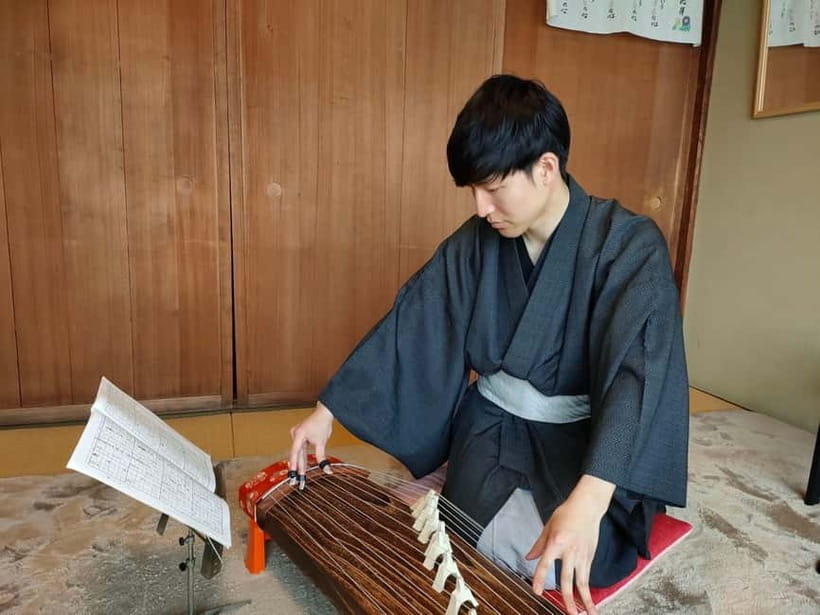
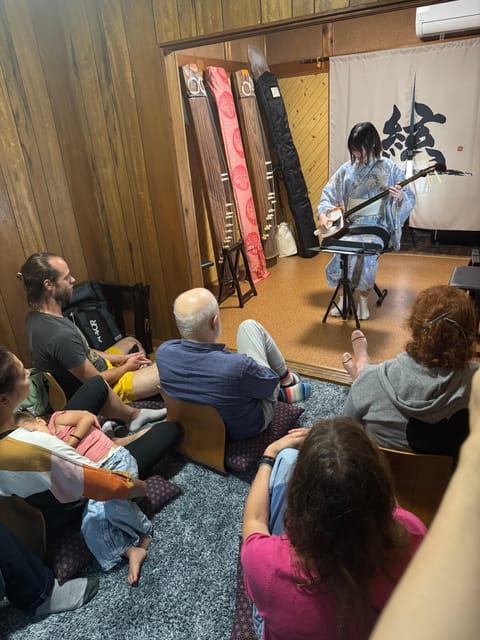
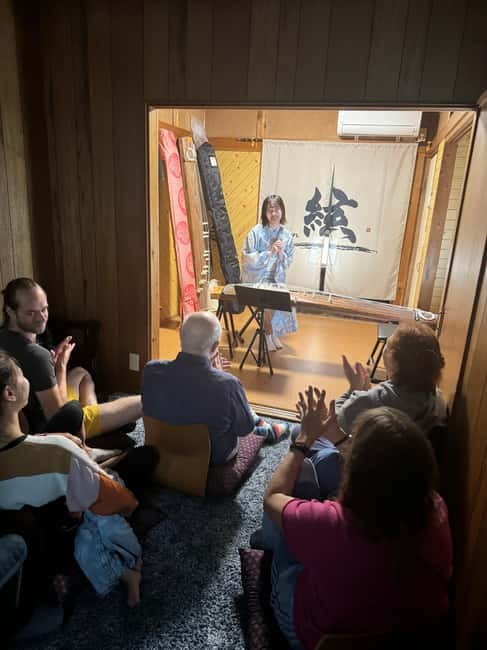
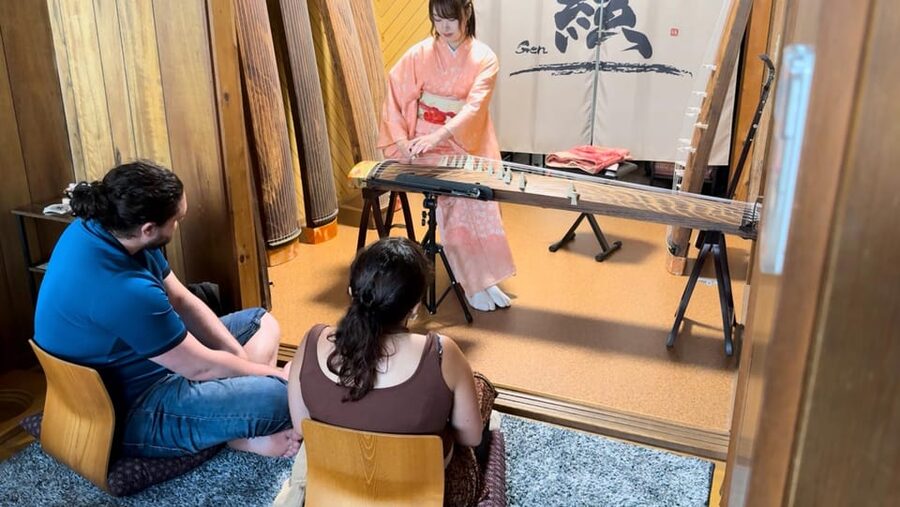
Kyoto is full of big-ticket sights, but this experience is all about sound and focus. Instead of a formal hall, you’ll meet in an old, small Japanese house that feels warm, quiet, and personal—more like visiting a family than attending a show.
That setting matters. When the space is small, you notice how the koto’s tones sit in the air, and you can hear the细 details you’d miss in a larger venue. It’s also the kind of place where asking questions feels normal, not awkward.
You can also read our reviews of more tours and experiences in Kyoto.
The 100-minute flow: intro, concert, talk time, then you play
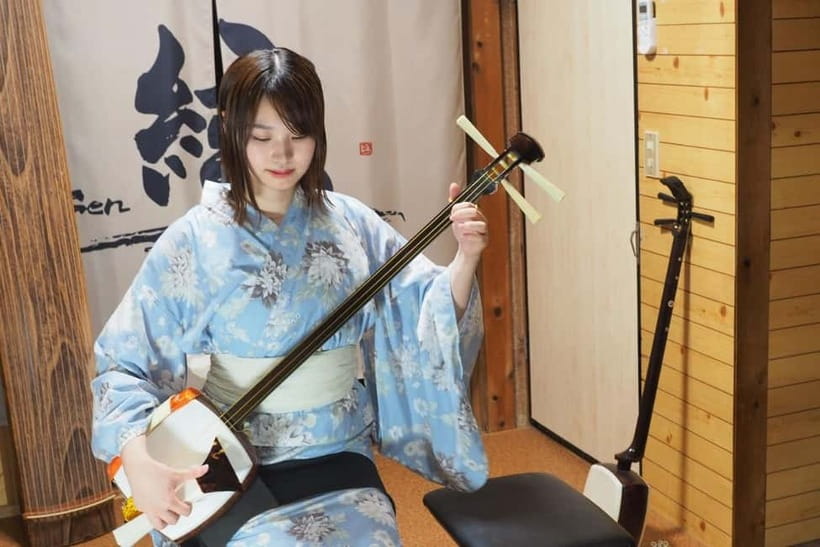
This is a structured program that moves at a friendly pace, all centered on one big goal: helping you understand Japanese traditional music fast.
You start with a brief introduction to key instruments—especially koto and shamisen—and the basics of how their sheet music works. Think of this as your quick mental map before the music begins, so the performance doesn’t feel like random notes drifting by.
Next comes the live performance. Professionals play a diverse repertoire that can include classical pieces, contemporary selections, and even original compositions. After the show, you get a close-up Q&A time with the performer. This is where the “small house” format really pays off: you’re not shouting over an audience; you’re asking real questions face-to-face.
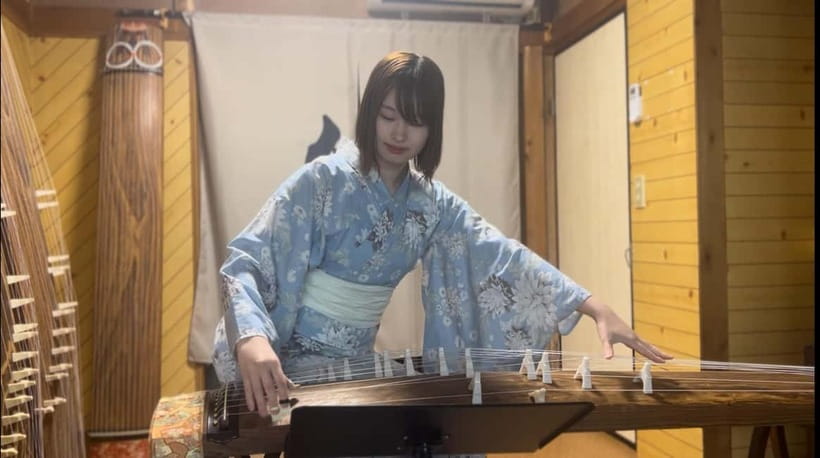
Photos are included, which is a nice touch for a Kyoto activity that’s otherwise mostly about listening and learning. And at the end of the program, you get to try the koto yourself. A professional guides you through a simple piece, so you leave with an actual, hands-on memory—not just audio in the background.
Koto and shamisen: what you learn (and why it feels easier than you expect)
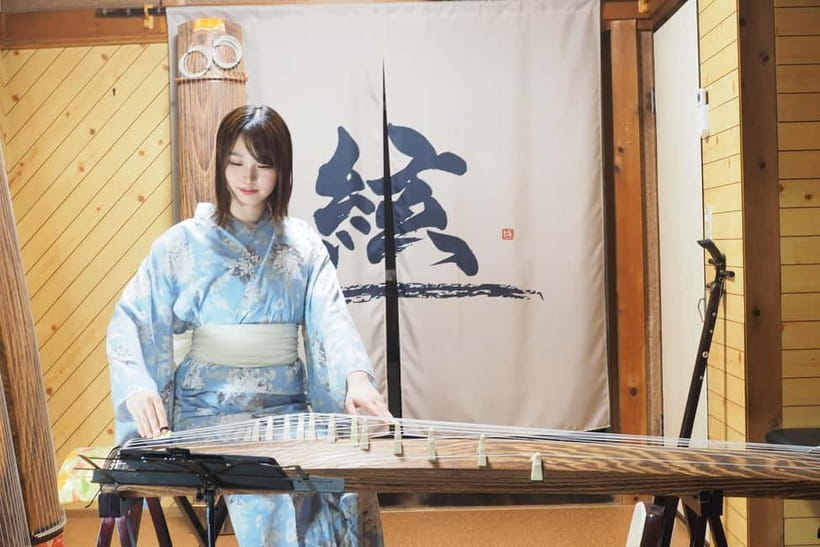
Japanese traditional music can feel intimidating from a distance. The koto has a specific playing technique, and the shamisen has its own rhythm and feel. The good news here is that the instruction is built for beginners.
Before you hear the musicians play, you get a short cultural and historical introduction. You’ll also get an explanation of the instruments and the sheet music used for performance. That “how to read what you’re hearing” piece is what makes this class click quickly.
And once the professionals start playing, it’s not just pretty sound. You start catching patterns: how the music moves, how phrases connect, and how the instruments complement each other. If you’ve ever felt lost at concerts where you don’t know what to listen for, this design solves that problem.
The pro musicians you’ll be learning from (Aoi and Shohei)
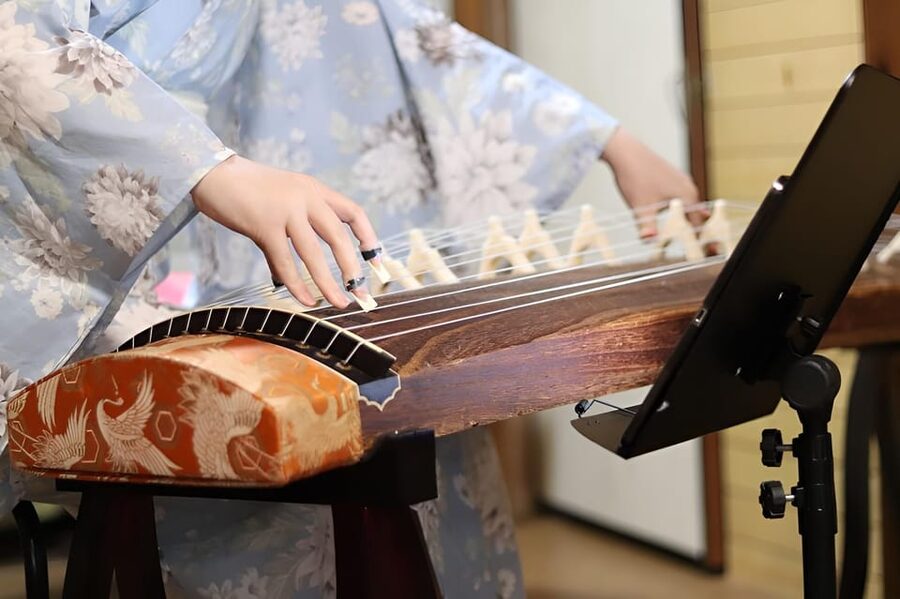
The standout part of this experience for many people is not just the music. It’s the people and their patience.
In the examples I saw, Aoi and Shohei come across as encouraging and calm—especially for someone with zero musical confidence. One person even mentioned getting a birthday song played by Aoi, which shows they’re attentive to the moment and your experience, not just the schedule.
That kind of friendliness helps you relax during the Q&A and during the final koto try. If you’re shy about asking questions, this is exactly the kind of environment where you can do it safely.
Playing the koto at the end: a beginner win
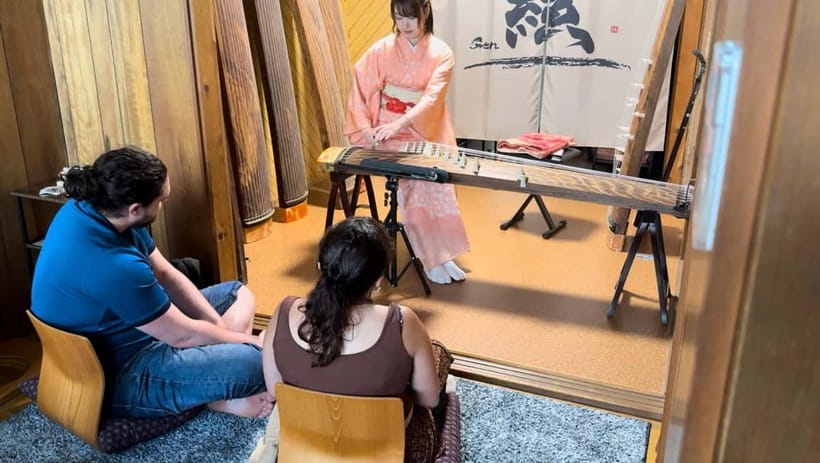
The best part for first-timers is the moment you sit with the koto. You’re given the instrument experience as part of the package, including use of the koto and all the necessary tools and materials.
You won’t be expected to perform like a veteran. Instead, you’ll be guided through a simple piece. That makes a huge difference. Many classes stop at theory. This one gives you a chance to make the sound yourself, with direct coaching so you understand what you’re doing instead of just copying finger positions.
If you want a Kyoto experience that gives you a real skill moment, not just a cultural lecture, this is it.
A real music program: classical, contemporary, and original works
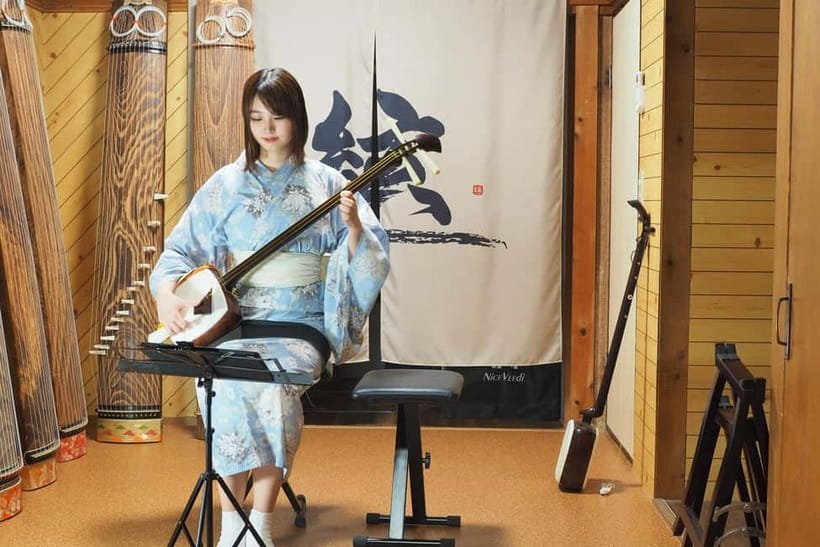
This isn’t a one-size-fits-all playlist. The repertoire can range from classical to contemporary, and sometimes includes original compositions. That matters because it shows you how traditional instruments live in today’s music world, not only in the past.
The program can also change depending on the season or the performer. So if you’re visiting Kyoto more than once, or you like repeatable experiences, you’re less likely to feel like you’re doing the exact same thing as last season.
Value check: is $77 per person worth it?
At about $77 per person for a 100-minute experience, the value comes from what you actually get inside that time.
You receive:
- a professional live concert
- a beginner-friendly introduction to instruments and sheet music
- guided instruction (including use of the koto)
- a private or small-group feel
- photos of your experience
- all necessary tools and materials
What you don’t pay for (based on what’s listed) is transport, meals, drinks, souvenirs, or extra koto accessories. So the cost makes sense if you’re looking at it as a full “music lesson + performance + photo moment” package, not just a short demo.
The reviews also point to strong value in terms of attention. One person described an extremely intimate setting, feeling like they had the performer and guides focused on them. Even without counting on that exact level of space, the structure is designed to make the experience personal.
Where to fit it into your Kyoto day
The location is described as being convenient for pairing with major Kyoto sights. The activity information points out practical connections:
- Arashiyama: roughly 25 minutes by train and on foot from Saiin Station, so you can do Arashiyama before or after
- Nijo Castle: around 20 minutes by train and on foot, near Nijo Castle-mae on the Tozai Line
- Kinkakuji (Golden Pavilion): about 20–25 minutes with a bus-and-walk connection
- Nishiki Market: around 25 minutes by train and on foot, with Hankyu Line rides to Karasuma or Kawaramachi
This flexibility is useful. You can treat it like a calm, indoor anchor on a day when you’ll be walking outside a lot.
Tip: if you’re heading to Arashiyama or Kinkakuji, time your dinner or snack after, since the experience doesn’t include meals or drinks.
Who this Kyoto koto class is best for
This is a great fit if you’re:
- a beginner who wants a guided start
- a music fan who likes hearing how instruments work up close
- a family looking for a calm, hands-on cultural activity
- a solo traveler who values a small-group, low-pressure environment
It’s also ideal if you want something different from Kyoto’s temples and streets. You still get Japanese culture, but through sound, technique, and conversation.
What it is not: a high-energy, big-group show. If you prefer large crowds and spectacle, you may find the small-house setting quieter than you expected.
Practical notes so your experience goes smoothly
The program runs about 100 minutes, with starting times that vary (so check availability before you lock your day plan). The instructor support is English and Japanese, which makes communication easier if your Japanese is limited.
Please plan ahead for any physical limitations or allergies and tell the team in advance. And for timing: late arrivals may mean your experience time gets shortened, so don’t cut it close.
Also, note the age guidance listed: it’s not suitable for babies under 1 year and children under 4 years.
Should you book this Kyoto Japanese music concert and koto class?
Yes, if you want a Kyoto experience that teaches you how to listen, then lets you try the instrument yourself. For many people, the combination of professional musicians, a beginner-friendly intro, and a hands-on koto moment is exactly the kind of cultural activity that feels both meaningful and practical.
I’d especially recommend it if you’re tired of only photographing and walking. This gives you something you can actually take home: the sound, the technique basics, and the confidence of playing a simple koto piece with guidance.
If you’re on the fence because you’re not a “music person,” this is still worth considering. The point is to help you understand fast, ask questions in a friendly space, and leave with a real memory beyond a souvenir.
FAQ
How long is the Kyoto koto and shamisen concert and music class?
The experience lasts about 100 minutes.
What language is the instruction provided in?
The instructor supports both English and Japanese.
What instruments will I learn about and hear?
You’ll learn about and listen to traditional Japanese instruments, including the koto and shamisen.
Is this class beginner-friendly?
Yes. It’s designed for beginners and includes an introduction plus instructor guidance.
Will I be able to play the koto myself?
Yes. At the end of the program, you can try playing the koto with guidance.
What’s included in the price?
Included are necessary materials and tools, use of the koto instrument, skilled instructor guidance, a brief cultural introduction, a private session for your group, and photos of your experience.
What is not included?
Transportation to and from the location, meals and drinks, and souvenirs or additional koto accessories are not included.
Is the group private or small group?
The experience is available as private or small groups.
Are there age restrictions?
Yes. It is listed as not suitable for babies under 1 year and children under 4 years.
Is it refundable if plans change?
Cancellation is free up to 24 hours in advance for a full refund.