REVIEW · KYOTO
Traditional Concert in Public bath near Kyoto Station
Book on Viator →Operated by Gen · Bookable on Viator
Quiet music, loud building. A traditional concert in a former sento gives you sounds you will feel in the room. I really like the acoustics here—high ceilings and tiled walls were made for bathhouse echoes, and that design helps the koto and shamisen come through clearly.
Second, I like how the program is flexible: the repertoire changes by season and performers, so you are not only getting a single template concert. One possible drawback to plan around is that you cannot lock in specific songs—if you have a must-hear piece in mind, the changing program means you might not get it.
In This Review
- Key reasons this concert works so well
- Kyoto Station area, but the vibe is totally different
- A former sento designed for sound: why koto and shamisen land so well
- Inside the itinerary: what happens at コワーケーションスペース九条湯
- What the concert program feels like
- Value check: is $32.52 for a one-hour traditional concert a fair deal?
- Practical details that make or break your night
- Who this concert is best for (and who should think twice)
- Making it fit your Kyoto day plan
- What people clearly love most (and why you should care)
- Quick FAQ for planning your visit
- FAQ
- Where does the concert take place?
- How long is the concert?
- What instruments do they feature?
- What is included in the ticket price?
- Is coffee or tea included?
- Is there transportation included?
- What’s the booking process like?
- How far in advance do people usually book?
- How does the program work?
- What is the cancellation policy?
- Should you book this traditional concert?
Key reasons this concert works so well
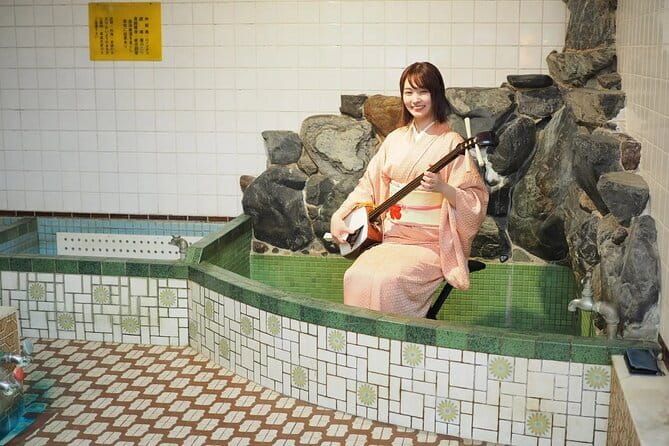
- Renovated sento venue: a one-of-a-kind public bath setting with built-in character
- Great natural acoustics: high ceilings and tiled walls support the sound
- Koto + shamisen focus: traditional instruments with delicate, detailed phrasing
- Seasonal program variety: classical works, contemporary arrangements, and original compositions
- Easy logistics: near public transportation, short overall duration
Kyoto Station area, but the vibe is totally different
This is a traditional Japanese instrument concert set in a renovated public bathhouse (a sento) near Kyoto Station. That location matters because Kyoto can feel split into neighborhoods. Here, you get an easy-to-reach evening plan, but once you’re inside, the mood turns from city noise to something calmer and more architectural.
The venue is the big draw. A sento wasn’t built for stage lights. It was built for daily life, for steam, water sounds, and people gathering in a communal space. When that space is renovated for live music, you get a room that already understands rhythm and resonance. The result is not just pretty décor. It’s a sound environment.
You can also read our reviews of more tours and experiences in Kyoto.
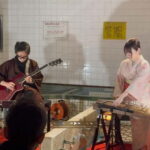
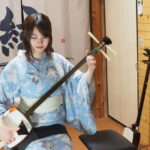
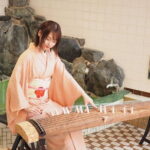
A former sento designed for sound: why koto and shamisen land so well
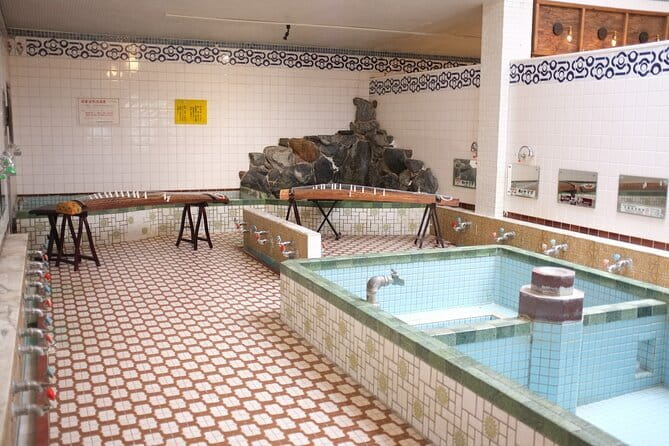
The concert centers on traditional instruments, especially koto and shamisen. Those instruments have a lot of detail—plucked notes, subtle slides, and quick changes in tone. In most venues, that detail can get lost. Here, the building helps.
The reason is simple: the hall has high ceilings and tiled walls, and those surfaces are naturally good at carrying and shaping sound. If you’ve ever wondered why some rooms make music feel clearer, this is that effect, but in a setting that feels historically meaningful rather than modern and generic.
If you’re the type who usually likes concerts but finds them too loud or too flat, this format can be a pleasant shift. You’re not fighting the room. The room is part of the experience.
Inside the itinerary: what happens at コワーケーションスペース九条湯
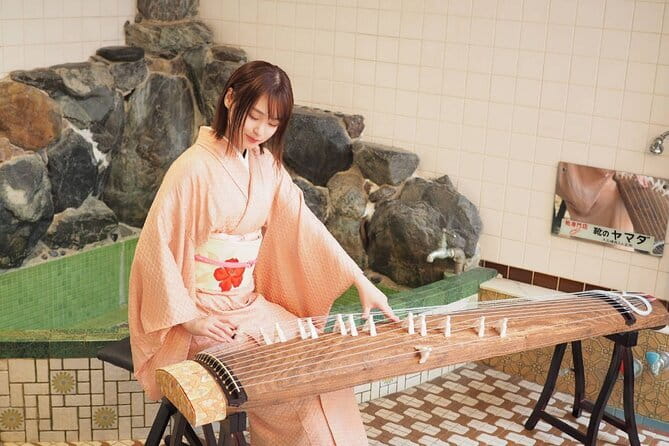
The full experience is built around one stop: the concert at コワーケーションスペース九条湯 (Kujo-yu), a renovated sento bathhouse space used for cultural events. The timing is about 1 hour, so it’s long enough to hear a full musical arc without eating your whole day.
Before the music starts, you’re basically stepping into a converted bathhouse atmosphere. You’re in a historic structure that has been kept by the local community and then carefully renovated. That “lived-in history” angle matters, because it stops the concert from feeling like a theme show. Instead, it feels like the building is returning to its role as a community meeting point—this time, through music.
What the concert program feels like
The set is described as changing with the season and with the performers, which is a big deal for repeat visitors and anyone who likes variety. The repertoire can include:
- classical Japanese masterpieces
- contemporary arrangements
- even original compositions
That mix gives you something beyond a museum-style recital. Classical pieces let you hear the instruments the way people originally learned to appreciate them. Contemporary arrangements show how the same tools can be used with modern phrasing. Original compositions are the wildcard—they can sound familiar in technique but surprising in how the music develops.
Because the program changes, I think the best approach is to go with curiosity, not a shopping list of songs. You’ll likely enjoy the way the music reflects the time of year and the choices of the current performers.
Value check: is $32.52 for a one-hour traditional concert a fair deal?
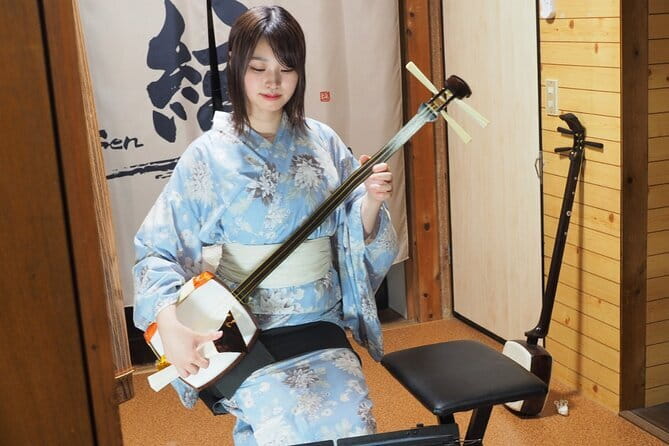
At $32.52 per person, this is priced like a ticketed cultural experience, not like a huge tour with transportation and add-ons. What makes it feel good value is what’s included: your concert ticket is part of the price, and the event itself is the main product.
Also, the duration is only about 1 hour. That can be great for travelers who hate long, low-energy blocks of time. You get a focused activity that you can fit around sightseeing or dinner plans without building a whole schedule around it.
What is not included is also straightforward: coffee and/or tea are not included, and private transportation is not included. That doesn’t make the price bad—it just means you should plan to grab a drink on your own if you want one before or after.
Practical details that make or break your night
This tour is set up to be low-friction.
- You get a mobile ticket, which usually means less time dealing with paper and lines.
- It’s near public transportation, so you can reach it without needing private transport.
- You receive confirmation at the time of booking.
- Most travelers can participate, which suggests there aren’t major participation barriers listed for the basic experience.
One more timing note: on average, it’s booked about 32 days in advance. That doesn’t mean you can’t book later, but it does suggest it can fill up at popular times. If you’re visiting in peak seasons, earlier booking is a safer move.
Who this concert is best for (and who should think twice)

This concert is ideal if you want a Kyoto experience that feels specific and local, not just “check a box.” It’s especially good for:
- people who love traditional Japanese music and want koto/shamisen in a focused setting
- travelers who enjoy architecture and want the venue to do real work for the sound
- anyone with limited time who still wants a memorable cultural stop
Should you think twice? If you are picky about exact repertoire or you only listen for one or two named pieces, the fact that the program changes by season and performers can be a mismatch. You might still enjoy the instruments and the venue, but you may not get your exact favorites.
Making it fit your Kyoto day plan
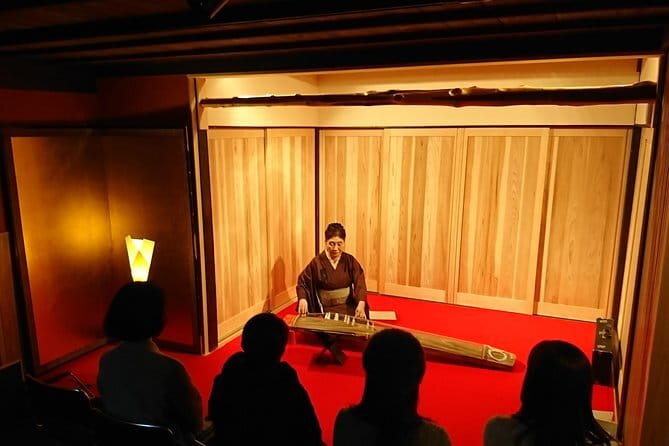
Because the experience is about 1 hour and the venue is near Kyoto Station, I’d treat it like an easy “anchor event” between longer sightseeing blocks.
Here’s a simple way to plan:
1) Use Kyoto Station for transport and orientation.
2) Schedule the concert so you’re not rushing from far away.
3) Eat beforehand or plan to eat after—since coffee/tea isn’t included, you may want to handle drinks separately.
This kind of short, contained cultural event is also good when your day has a lot of walking. You get a seated, listening-focused reset.
What people clearly love most (and why you should care)
The reviews give you a strong signal about what matters here. The standout themes are:
- the setting is stunning—the renovated bathhouse feels special
- the sound and instrument experience is highly recommended
- it’s a fun, unique way to listen to traditional Japanese instruments
- people leave wanting to go back, because the format feels memorable
That last part is practical. If you’re the type who plans to revisit cities, venues like this matter. You may return not just to see the same location, but to catch a different program when the repertoire shifts.
Quick FAQ for planning your visit
FAQ
Where does the concert take place?
It takes place at コワーケーションスペース九条湯 (Kujo-yu), a renovated sento near Kyoto Station in Kyoto.
How long is the concert?
The duration is about 1 hour.
What instruments do they feature?
The concert features traditional Japanese instruments, including koto and shamisen.
What is included in the ticket price?
The included item is the concert ticket.
Is coffee or tea included?
No, coffee and/or tea are not included.
Is there transportation included?
Private transportation is not included.
What’s the booking process like?
You receive confirmation at the time of booking. A mobile ticket is used.
How far in advance do people usually book?
On average, it’s booked 32 days in advance.
How does the program work?
The repertoire changes by season and performers, and can include classical masterpieces, contemporary arrangements, and original compositions.
What is the cancellation policy?
Free cancellation is available up to 24 hours in advance for a full refund.
Should you book this traditional concert?
Yes—if you want traditional instruments in a Kyoto setting that genuinely changes how the music sounds. For $32.52, you get a single, focused one-hour concert built in a renovated sento, with natural acoustics that suit koto and shamisen. The program variety by season and performers also gives it replay value, even if you’ve seen other traditional concerts.
Book it especially if you’re near Kyoto Station and you want a plan that feels cultural, not just touristy. If you only care about a specific set list, just go in with a little flexibility—this show is designed to change.