REVIEW · KYOTO
Kyoto: Traditional Concert at Townhouse or Bathhouse
Book on GetYourGuide →Operated by Gen · Bookable on GetYourGuide
Small rooms. Real instruments. Real sound.
This is the kind of Kyoto night that feels like you stepped into someone’s life for a while: professional koto and shamisen performances in either a cozy traditional townhouse or a historic bathhouse hall. What I like most is the close, almost conversation-level access, plus the bilingual instrument explanations that make the music click fast. The only real caution is that the bathhouse venue runs on an irregular schedule (often Mondays), and both venues can be a little tricky to locate if you rely on an address alone.
For me, the biggest win is the atmosphere shift between venues, from warm living-room calm in the townhouse to dramatic duet resonance in the bathhouse hall. I also love how the program builds from instrument introduction to a short concert, then ends with Q&A and photos—so you leave with context, not just sound. The main drawback to consider: it’s not a long show. You’re paying for quality and access, not a full evening of music theater.
In This Review
- Key points I’d plan around
- Two Kyoto Venues, Two Very Different Sound Worlds
- Townhouse Solo Program: Warm Living-Room Koto and Shamisen
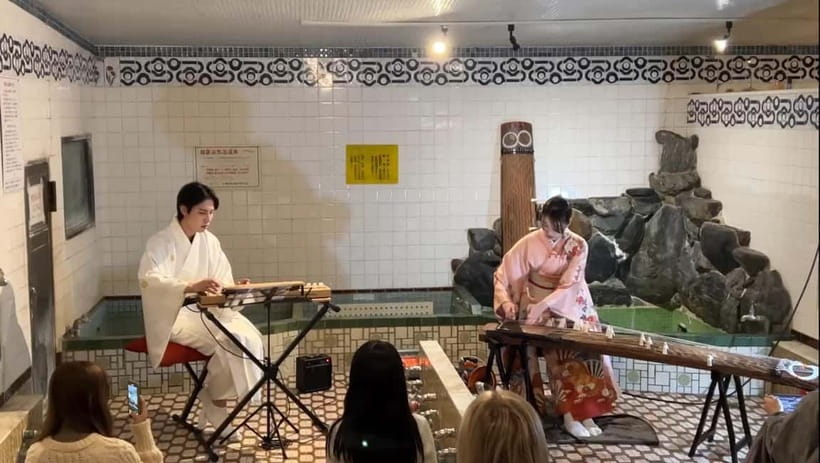
- Historic Bathhouse Hall: Duets That Use the Room
- What Happens During the 45–105 Minutes
- Instruments 101: How Koto and Shamisen Make Sense Fast
- Choosing Between Solo and Duet Programs
- Price and Value: Why $32 Can Feel Like More Than a Concert
- Getting There Without Stress: Fit It Around Kyoto Sights
- Who This Concert Is Best For (and Who Might Not Love It)
- Should You Book Kyoto Traditional Concert at Townhouse or Bathhouse?
- FAQ
- How long is the concert?
- What’s included in the program?
- Is there a koto workshop?
- How many guests are in each venue?
- What kinds of music do they play?
- Does the bathhouse include bathing?
- Do I need Japanese language skills or music knowledge?
Key points I’d plan around
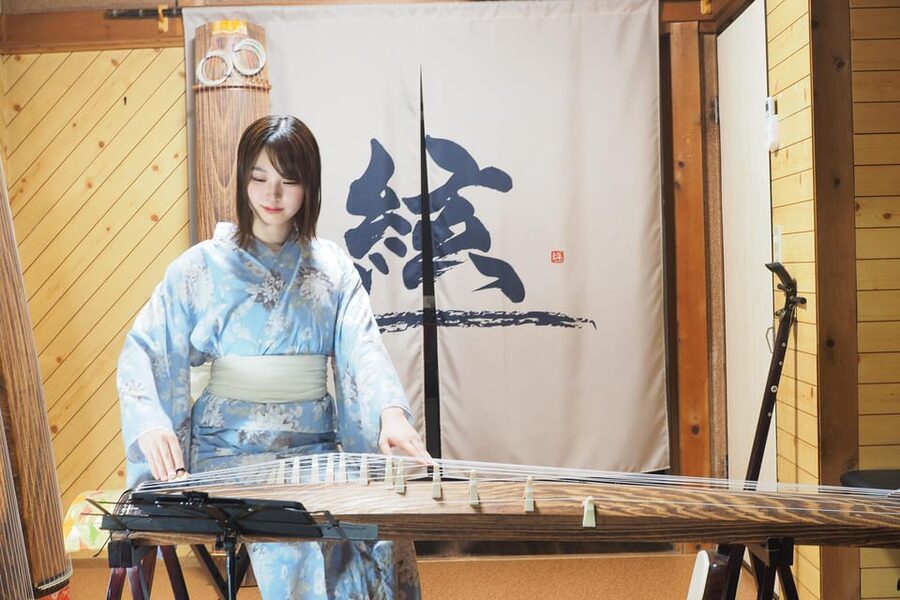
- Two venues, two vibes: townhouse solo sets in a small home vs bathhouse duet programs with strong natural reverberation
- Close-up participation: short instrument lesson, Q&A, photos, and (at the townhouse) hands-on koto practice
- Professional repertoire: classical, contemporary, and original-style pieces across 4–5 selections
- Small group scale: up to about 11 in the townhouse, up to about 30 in the bathhouse hall
- Good explanations in plain English: bilingual mini-commentary plus host-led context
Two Kyoto Venues, Two Very Different Sound Worlds
You’re not choosing between two random performances. You’re choosing between two acoustic philosophies.
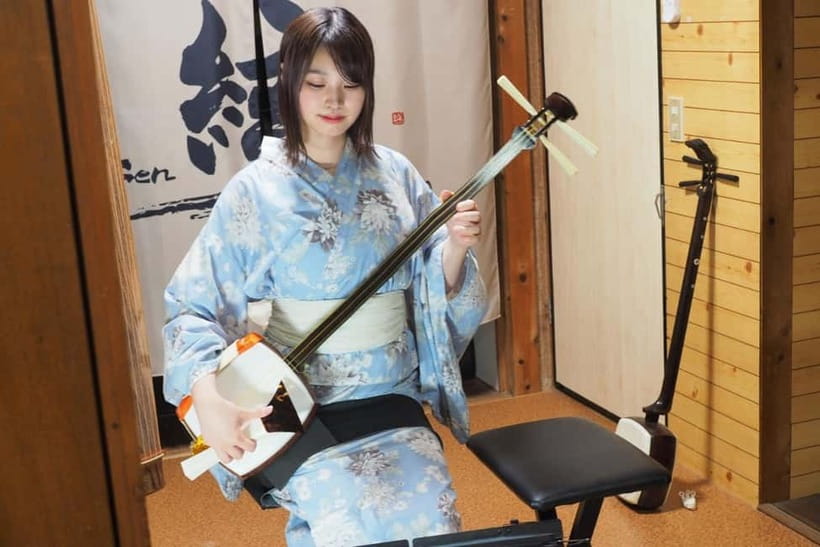
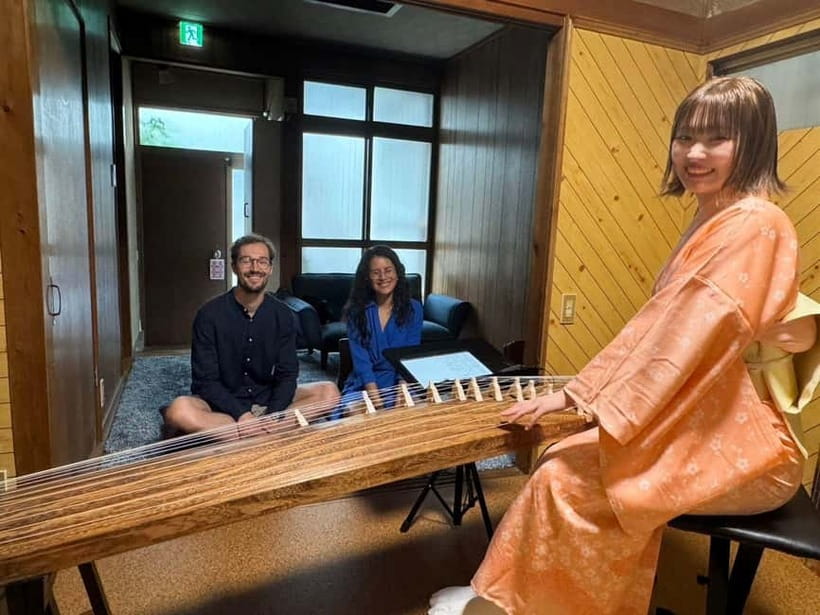
The traditional townhouse version is built for detail. Think small group, cushions or chairs, and a living-room feel where every change in tone lands clearly. The music stays personal, like you’re hearing it at the source.
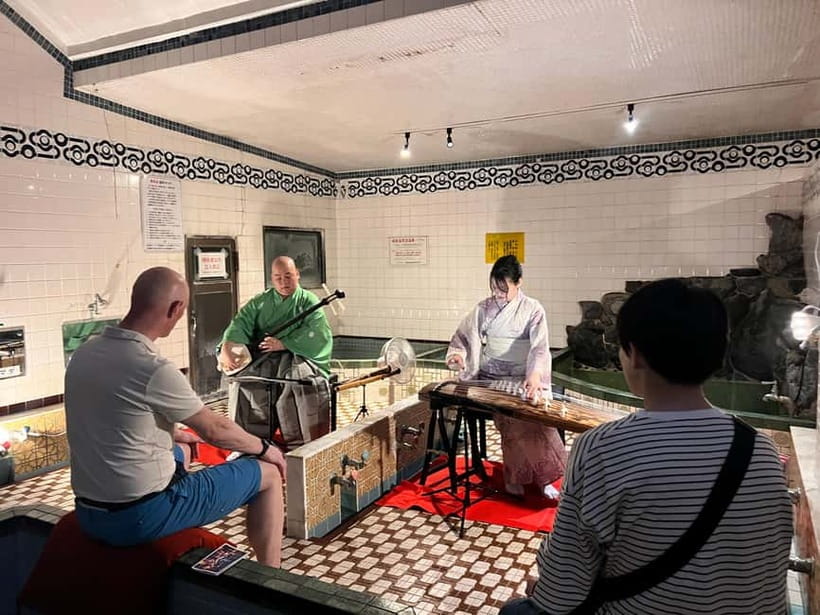
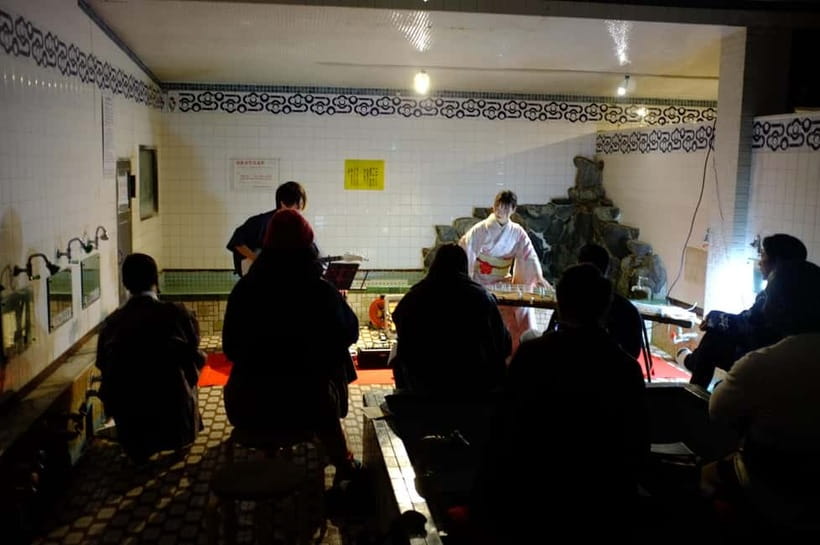
The historic bathhouse hall version is built for atmosphere. Tiled walls throw the sound back at you, and duet programs (koto plus another instrument) feel bigger and more enveloping. It’s a stronger “Kyoto stage” feeling, even with a small audience.
If you’re unsure, here’s my simple rule: pick townhouse for closeness and the optional workshop; pick bathhouse for duet variety and that resonant room sound.
You can also read our reviews of more tours and experiences in Kyoto.
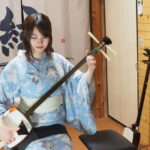
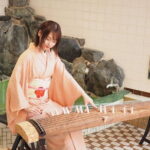
Townhouse Solo Program: Warm Living-Room Koto and Shamisen
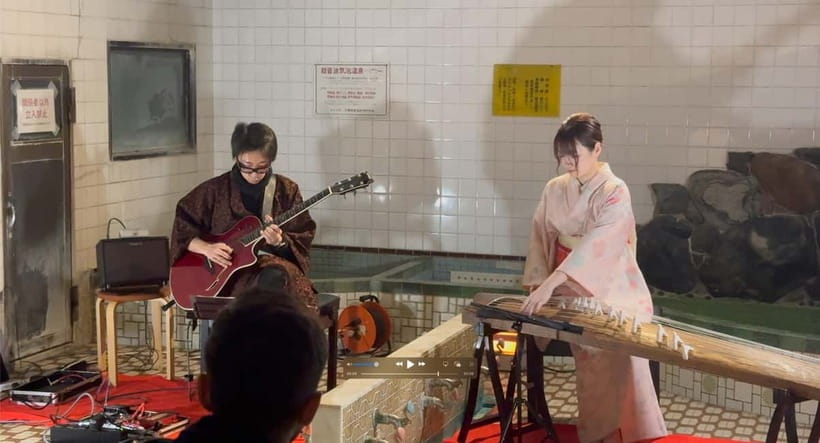
The townhouse concert is the one I’d recommend if you want the least friction and the most hands-on feeling.
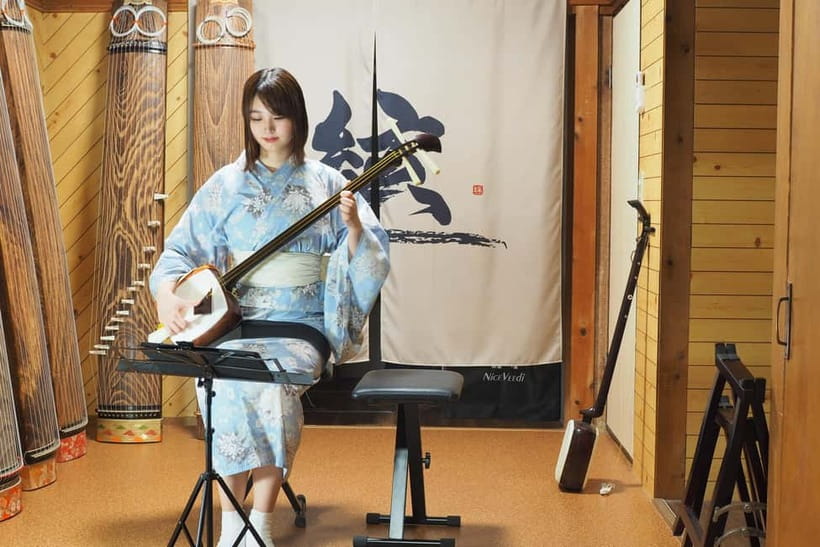
It’s a solo-focused program with about 4–5 pieces, usually a mix of Japanese classical and contemporary selections. You’re sitting close enough that you notice how the musician handles the instrument and how the performance becomes more than notes on a page. Several guests highlighted the cozy, at-home vibe and praised how clearly they explained instruments and music meaning.
One practical bonus: the townhouse setup is small (up to about 11 guests). That size matters. You get real time in the Q&A without the session feeling like a cattle line.
Another big plus is the optional koto workshop. Only the townhouse booking includes hands-on practice. Expect sanitized instruments and beginner-friendly guidance, including learning a short phrase and basic techniques. Some guests even said they were helped to get close to sounding musical during the practice time, which is exactly what you want from a first attempt.
Possible consideration: because it’s so intimate, your experience may depend more on the day’s group energy. That’s not “bad,” just different from a bigger theater show.
Historic Bathhouse Hall: Duets That Use the Room
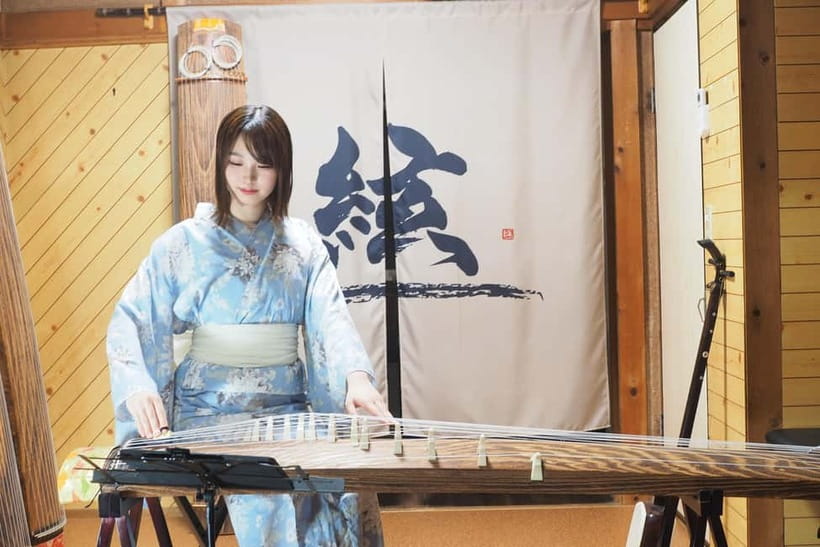
If you love the idea of music bouncing off architecture, the historic bathhouse hall is the change of pace.
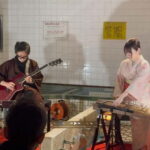
This venue supports duet programs: koto paired with another instrument, such as shamisen, shakuhachi, taishōgoto, flute, or guitar. The selection runs about 4–5 pieces, with the duet portion described as spanning the set while an opener may be separate. Either way, the core idea is collaboration—listening for how instruments argue, agree, and trade space.
Capacity is up to about 30 guests, so it’s still small. But it feels less like your personal living room and more like a small hall performance. A number of guests specifically praised the sound quality and the way explanations made the music easier to follow in real time.
Schedule is the catch. The bathhouse hall offering is described as irregularly on Mondays, so you’ll want to check the calendar before you build your Kyoto day around it. If your trip dates don’t match, don’t force it—go townhouse instead, because townhouse runs almost every day.
What Happens During the 45–105 Minutes
Regardless of venue, the flow is designed to keep you oriented. You’re not guessing what’s coming next, and the music isn’t dropped on you without context.
Here’s the typical order:
Check-in & seating (about 5–10 minutes)
You’ll get a quick welcome and basic etiquette. In the townhouse, you use cushions or chairs; in the bathhouse hall, you sit in rows. Arrive a few minutes early if you can, because finding the location can take longer than you expect.
Instrument introduction (about 10–15 minutes)
This is one of the most useful parts. You’ll learn how koto and shamisen are played—plus the key parts (like picks/bridges) and how Japanese notation works for these instruments. Guests often mentioned that the explanations were short but meaningful, which is perfect when you don’t want a lecture.
Concert (about 25–30 minutes)
You’ll hear 4–5 pieces total in the program style described for that venue. The performer provides commentary, and the pieces are selected to show range—traditional, contemporary, and in some cases original-feeling compositions.
Q&A & photos (about 5–10 minutes)
This is where the experience turns from listening to understanding. You meet the artists and ask questions about the pieces, the instruments, and what you noticed. Photos happen during this window, so you can capture the moment without rushing.
Optional hands-on workshop (about 35–40 minutes, townhouse only)
This can be the difference between a great concert and a “I’ll remember this forever” night. You’ll try basic techniques and learn a short phrase. It’s beginner-friendly, with guidance paced for people who have never touched a koto.
Total time can vary from about 45 minutes up to around 105 minutes depending on whether you add the workshop.
Instruments 101: How Koto and Shamisen Make Sense Fast
You don’t need music theory for this. The program is set up for first-timers.
The instrument intro explains what you’re actually hearing. For example, you learn that the koto uses movable bridges and string manipulation to shape the sound, and that the shamisen is played with its own distinct setup and technique. The point is not to name every part—it’s to understand why the sound changes across pieces.
Then the concert answers the questions your brain naturally asks. Why does one piece feel airy and another feel driving? Why do some parts sound like they’re moving in steps? When you have those basics, even a short set feels longer.
I also love the human side. Several guests said the hosts were warm, funny, and easy to talk with, and that the artists’ explanations made the music feel approachable. Some named hosts you might encounter include Gen and Shima, and you might also hear guides mentioned like Samuel and Shoei in particular sessions. The important thing for you is that there’s always someone guiding the experience in English and Japanese, so you’re not stuck with a language barrier.
Choosing Between Solo and Duet Programs
This decision is simpler than it looks.
Pick townhouse solo if you want:
- the smallest group vibe (up to about 11)
- up-close listening
- the optional hands-on koto workshop
- a tight set of classical and contemporary pieces, all under one performer’s personal style
Pick bathhouse duet if you want:
- the interplay of koto plus another instrument
- a more dramatic room sound with natural resonance
- a program designed to fit the acoustic character of the hall
You can also do both venues if your schedule allows. The timing and program style can stack well, especially since each venue offers a different listening experience rather than repeating the same set.
Price and Value: Why $32 Can Feel Like More Than a Concert
At about $32 per person, this isn’t an “impulse add-on” price in Kyoto. It’s also not priced like a massive theater production. The value comes from what you actually get:
- Professional musicians playing multiple pieces rather than a background demo
- Bilingual mini-commentary that gives you meaning while you listen
- Q&A and photos so you interact, not just sit
- Small group scale, especially in the townhouse
- A real bonus at the townhouse: hands-on koto practice
In plain terms: you pay less for fewer seats, and you pay more attention for the time you’re there. That’s why so many people described it as a quiet break from Kyoto’s pace, and as one of the standout cultural experiences of their trip.
If you’re trying to make room for one Kyoto cultural night that feels personal, this is one of the most direct ways to do it.
Getting There Without Stress: Fit It Around Kyoto Sights
Transportation isn’t included, so plan your route the same way you’d plan a train ride: with a little buffer.
The experience itself doesn’t list a single fixed transit plan because the meeting point varies depending on the option booked. In real life, that means you should double-check your exact pickup or meeting location and use map coordinates if provided. One guest noted that using the longitude/latitude made the location much easier to find than relying on the address.
If you want to pair your concert with nearby sights, here are practical connections described:
- Arashiyama (about 25 minutes): walk to Saiin Station, take Hankyu to Katsura, then transfer to the Randen line. This is a great pre- or post-concert option.
- Nijō Castle (about 20 minutes): one stop from Saiin on the Tozai subway line. Easy fit if you want something historical and then something musical.
- Kinkaku-ji (about 20 minutes): bus from Nishioji Sanjō (about 16 minutes) plus a short walk. If you do this, keep your timing tight so you’re not rushing.
- Nishiki Market (about 25 minutes): direct Hankyu ride to Karasuma or Kawaramachi, ideal for snacks and browsing after the concert.
My advice: schedule the concert when you can actually listen. If you plan a long temple circuit beforehand, you might end up half in the day and half in the show. That’s still okay, but you’ll get more from it if you give it mental space.
Who This Concert Is Best For (and Who Might Not Love It)
This experience is best for people who enjoy:
- quiet, focused cultural evenings
- learning as part of the show
- close access to artists rather than watching from a distance
- first-time exposure to traditional Japanese instruments
It also works well with couples and small groups because the vibe is designed for conversation-level Q&A. If you’re a solo traveler, the format still feels welcoming because the group size is small.
Who might not love it:
- If you want a long, high-energy performance with nonstop action, the total program time is limited by design (usually 45 to around 105 minutes).
- If your dates are mostly Mondays and you want the bathhouse specifically, be ready to match the irregular schedule, or be prepared to switch to townhouse.
It also isn’t suitable for babies under 1 year, based on the provided info.
Should You Book Kyoto Traditional Concert at Townhouse or Bathhouse?
Book it if you want an authentic Kyoto moment that’s not another crowded checklist item. For the price, you get real professional performance, strong bilingual explanation, and the kind of small-group access that makes the music land in your brain quickly.
I’d especially recommend choosing townhouse if you want the optional workshop and the most intimate atmosphere. Choose bathhouse if duets and resonant acoustics are your main goal, and you can align your schedule with the Monday availability.
If you’re short on time in Kyoto, this is one of the easiest cultural add-ons that doesn’t feel touristy. You’ll leave with clearer listening habits and a story you can explain back home.
FAQ
How long is the concert?
The experience duration ranges from about 45 to 105 minutes, depending on whether you include the optional hands-on koto workshop (available only at the traditional townhouse venue).
What’s included in the program?
You’ll get live koto and shamisen performances (4–5 pieces), bilingual mini-commentary (Japanese/English), a post-concert Q&A, and time for photos. Venue seating is provided.
Is there a koto workshop?
Yes, but only with the traditional townhouse option. You can do a beginner-friendly, hands-on koto workshop with sanitized instruments and guidance.
How many guests are in each venue?
The traditional townhouse holds up to about 11 guests. The historic bathhouse hall holds up to about 30 guests.
What kinds of music do they play?
You can hear a mix of Japanese classical, contemporary, and original-feeling compositions. The program varies by venue, and bathhouse performances include duet pairings with other instruments.
Does the bathhouse include bathing?
No. Bathing is not included, and there’s no entry to the bathhouse facilities.
Do I need Japanese language skills or music knowledge?
No. Most participants had little prior knowledge, and there’s English and Japanese support through bilingual mini-commentary and staff/instructor guidance.