REVIEW · VIENNA
Vienna: Classical Concert at Mozarthaus with Museum Entry
Book on GetYourGuide →Operated by Wiener Ensemble · Bookable on GetYourGuide
Vienna can feel like a museum already. This experience turns that feeling into sound: a candlelit chamber concert staged in Mozart’s real home, Mozarthaus Vienna. I love the way the event pairs an on-site museum visit with a live Wiener Ensemble performance right where Mozart once lived and worked. I also like that the concert runs about an hour, so you get a focused evening without getting dragged around for hours.
One thing to think about: the museum portion is more about interpreting and imagining than seeing lots of big, physical artifacts. If you want a super hands-on, object-heavy tour, plan to treat the museum as context-setting for the music.
If you’re hoping for a polished, private-salon vibe (not a grand opera-house spectacle), this fits. The space is intimate, the seating is reserved, and the program mixes Mozart with other key Viennese composers like Beethoven, Schubert, and Strauss.
In This Review
- Key things to know before you go
- Why this combo feels different in Vienna
- Finding Mozarthaus Vienna near Stephansplatz
- Museum visit: Mozart’s apartment and interactive context
- A real-world note on museum condition
- 6:30 PM candlelit concert in the Mozarthaus cellar
- What you’ll likely hear and how to listen
- Reserved seating: sightlines and choosing your spot
- Timing it with the rest of your Vienna day
- Value check: what $69 buys you (and why it’s fair)
- Who this concert is best for
- What could disappoint you (and how to plan around it)
- Should you book it?
- FAQ
- FAQ
- What is the duration of the experience?
- Where do I meet for the Mozart concert and museum?
- What time does the concert start?
- If I choose the option with museum entry, when do I need to arrive?
- Is the museum included with every ticket?
- Is there reserved seating for the concert?
- Is the concert suitable if I am new to classical music?
- Is it wheelchair accessible?
- Can I cancel, and how far in advance?
Key things to know before you go
- Mozart’s last surviving residence: you’re visiting Mozarthaus Vienna, not a replica
- Music first, in a real cellar: the concert takes place downstairs after the museum visit
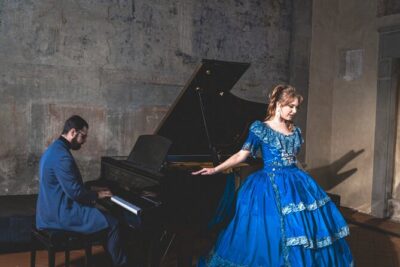
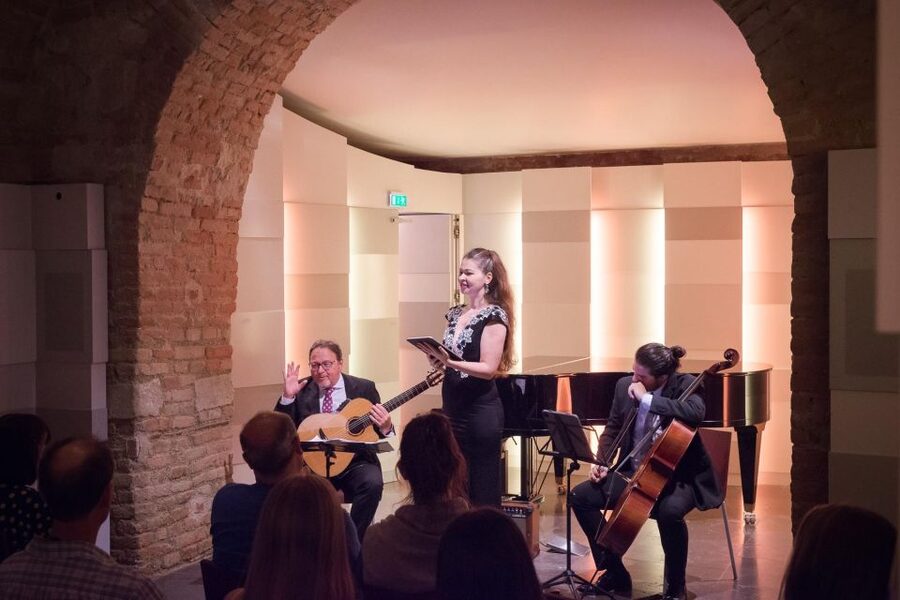
- Candlelit chamber performance: a trio plays in a close-up setting built for listening
- Reserved seating: you’re not gambling on sightlines
- Mozart plus Viennese classics: expect works by Mozart and other famous contemporaries
- Museum timing matters: last admission is 4:50 PM on your concert day
Why this combo feels different in Vienna
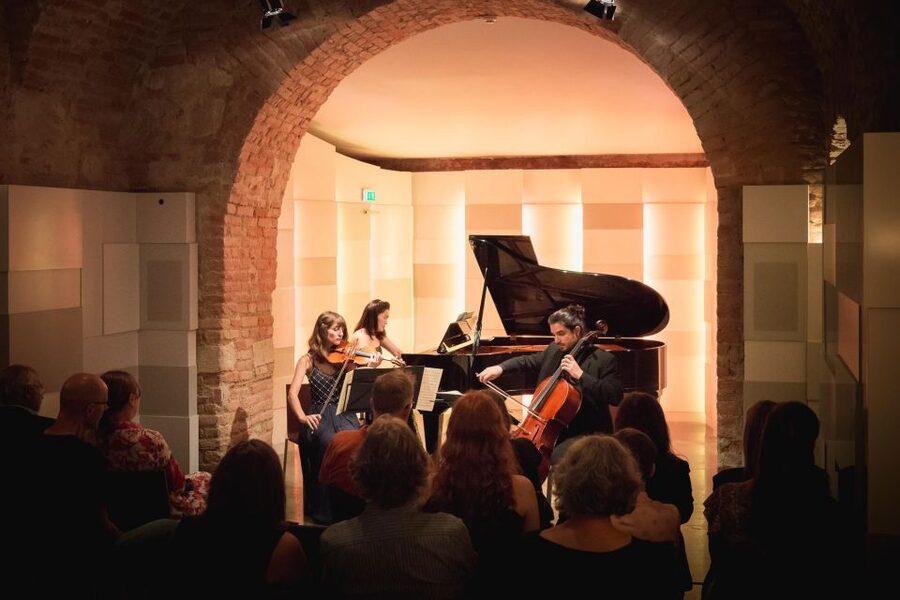
You can see Vienna’s classical music in big halls. You can also see it in ways that feel like performance-as-history. This one lands closer to the second idea. Mozarthaus Vienna is Mozart’s last surviving residence, which means you’re not just learning about him in theory—you’re stepping into the same building where his life and working routine played out.
The biggest value for me is the sequence. You start in the museum and then go into the concert space. That order matters. It helps the music feel less like background entertainment and more like part of a world: who Mozart was, what period you’re in, and why the Viennese style meant something to the people listening at the time.
The second value is practical: it’s short. The concert portion is 70 minutes, so even if you’ve already packed your day with sights, you can still fit this in without burning your evening.
You can also read our reviews of more tours and experiences in Vienna.


Finding Mozarthaus Vienna near Stephansplatz
Your meeting point is Wien Museum Mozarthaus near Stephansplatz. This is useful because Stephansplatz is one of the easiest Vienna landmarks to navigate. If you’re walking from the center, you’ll find the area straightforward to orient in.
Plan to arrive with enough time to handle your check-in and to avoid rushing through the museum. The exact flow is simple: present your voucher at Mozarthaus, then use your ticket time to explore the museum areas before you head down for the concert.
If you booked the option that includes museum entry, here’s the timing detail that can bite people: you need to arrive on the concert day before 4:50 PM, since that’s the last admission time. If you show up late, you may miss the museum even though the concert still happens later.
Museum visit: Mozart’s apartment and interactive context
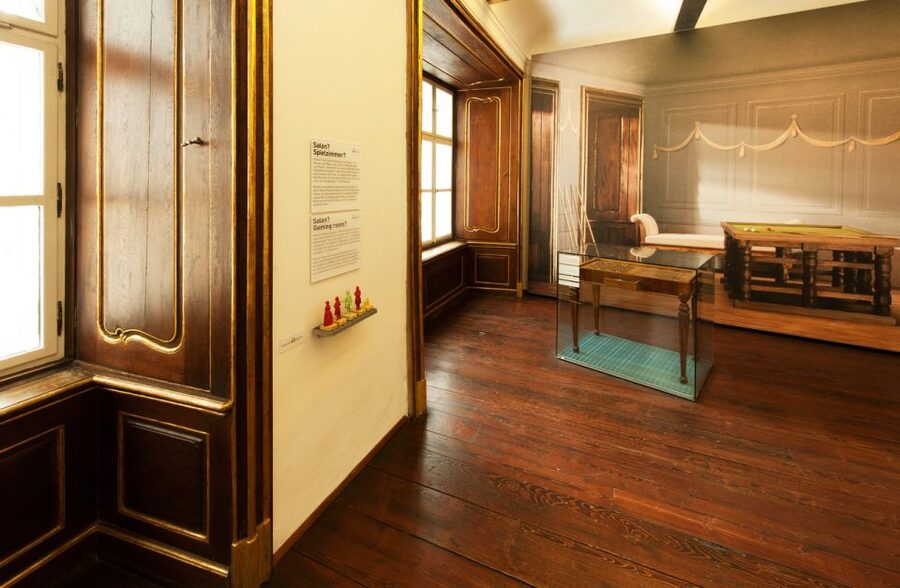
The museum side is designed to bring you into Mozart’s life through his apartment and a guided-style, interactive approach. You’ll learn about Mozart’s life, his era, and the setting he worked in. One of the better parts of this setup is that the museum tour gives you enough background to make the music selections feel purposeful rather than random.
A key detail: the museum experience isn’t built around massive “things you can touch with your eyes.” One review-style theme you may notice is that the museum can feel a bit harder to follow if you expect lots of physical objects. That doesn’t mean it’s useless—it just means you should go in with the right expectations. Think of it as storytelling and atmosphere that tunes you up for what you’ll hear at 6:30 PM.
You’ll also be moving to a different level of the building when it’s time for the concert. So don’t spend every minute in the museum trying to solve it like a puzzle. Use it to get oriented, then save your energy for the music.
A real-world note on museum condition
Some people liked the museum and found it informative. Others flagged maintenance issues like dust in display areas or old-feeling audio devices, and one person mentioned a problem with a Spanish narration. You don’t have to assume these problems will be your experience, but they are worth knowing so you don’t feel blindsided if the museum feels less “curated and shiny” than you expected.
6:30 PM candlelit concert in the Mozarthaus cellar
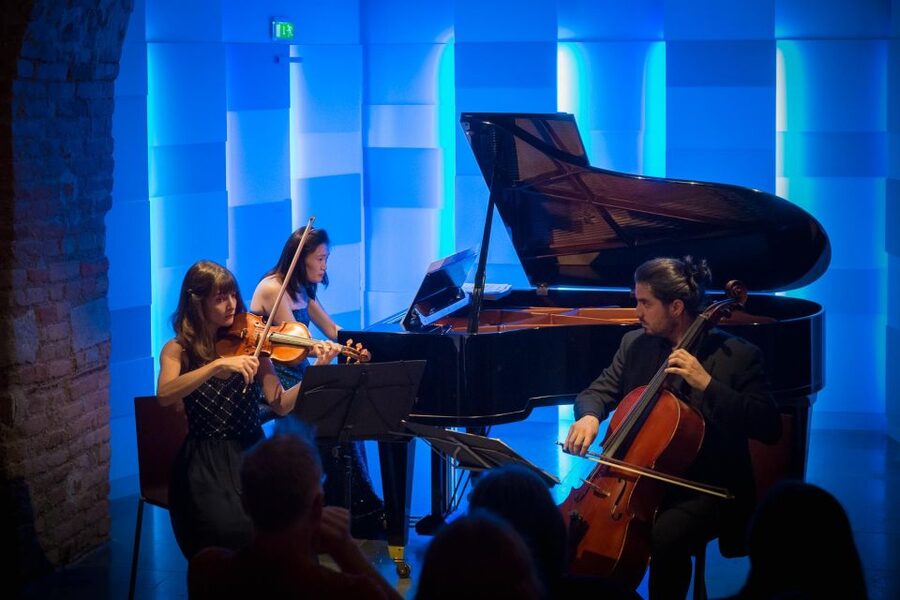
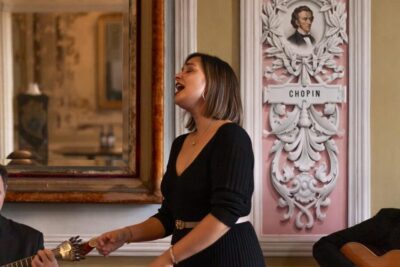
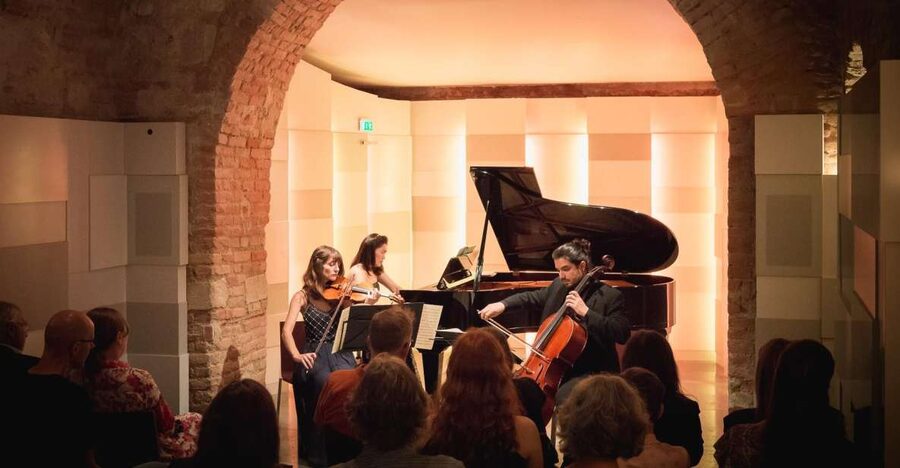
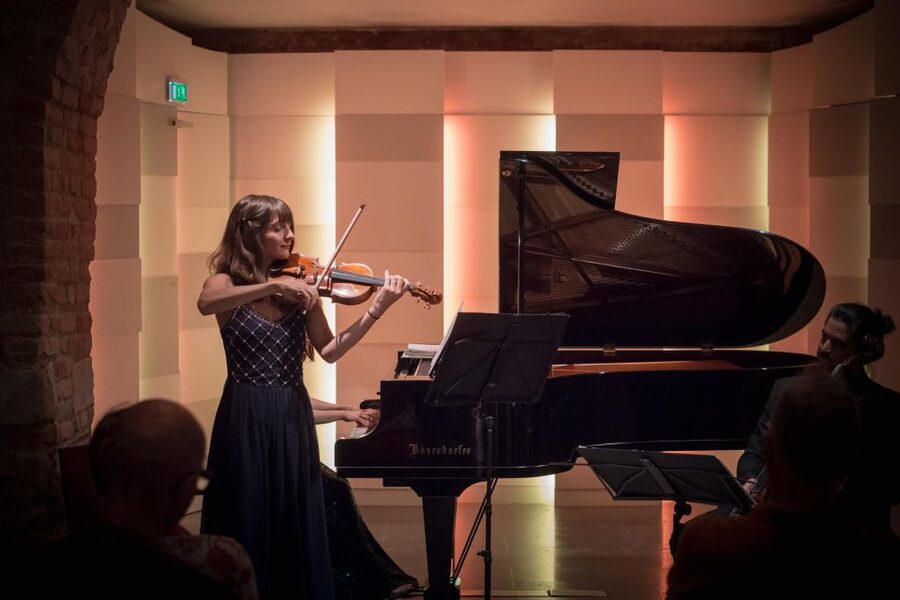
At concert time, you go several floors down to a beautifully renovated cellar. This is where the atmosphere changes fast: the setting becomes close, warm, and made for chamber music. The Wiener Ensemble performs with a candlelit presentation, using a trio format.
This is not a “sit and wait” performance in a huge hall. It feels like the building is part of the instrument. You’re in an intimate space, and the program is typically built around Mozart and his contemporaries, with music by other Viennese masters such as Beethoven, Schubert, or Strauss.
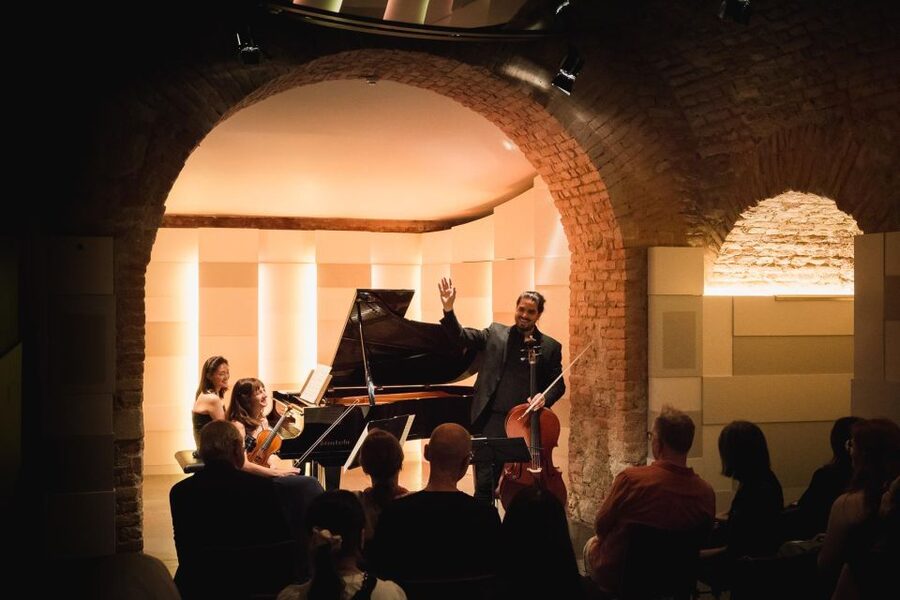
The concert’s intent also comes through in how pieces are introduced. Many performances in this kind of venue don’t just play; they explain. Here, you can expect background for what you’re hearing, and in a small room that explanation lands better than in a big, echoing auditorium. Reviews also point to engaging, sometimes humorous hosting from the ensemble, which helps if you’re not a life-long classical fan.
And since the concert is about 70 minutes, you get a complete arc without dragging into a long evening.


What you’ll likely hear and how to listen
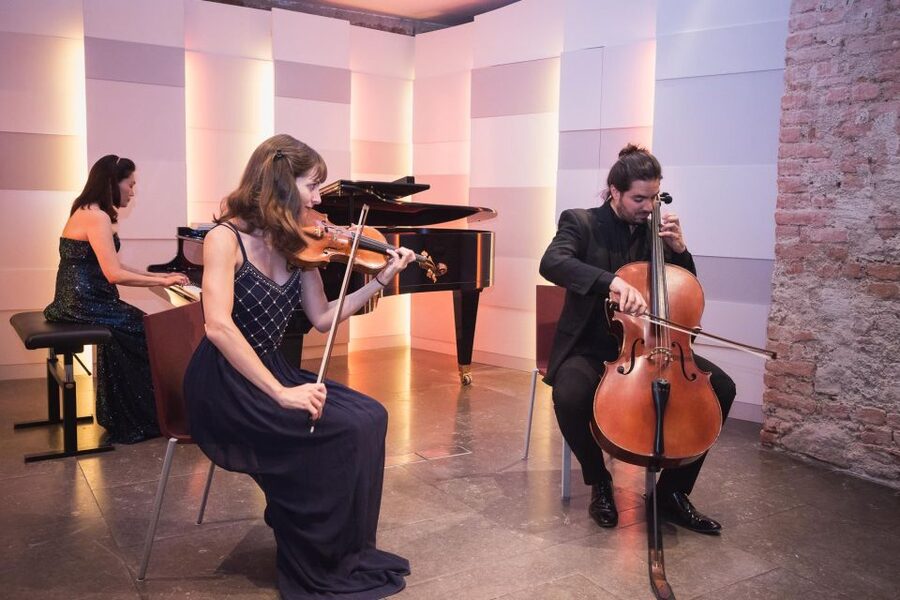
Even if you’re not a classical expert, you can enjoy this by listening for three things:
First: the way chamber music balances. In a trio, you’re hearing conversations between instruments. One line becomes a question, another becomes an answer. That kind of back-and-forth gets clearer in a small cellar where sound travels quickly.
Second: the Mozart style itself. People often describe these performances as intimate and very expressive, and that makes sense in a chamber setting. Mozart’s melodies and phrasing sound more immediate when you’re close enough to feel the timing, not just the volume.
Third: the Viennese context. Because the program can include Beethoven, Schubert, or Strauss, you get a sense of how Vienna’s musical voice evolved around Mozart’s time. Even when a piece isn’t “Mozart” in name, it still belongs to the same cultural world.
If you want to make this evening even more rewarding, come in expecting variety. One review mentioned the mix of piano, cello, and violin as a welcome change from more traditional string-only concerts. That instrument variety can make familiar melodies feel new because each instrument brings a different color.
Reserved seating: sightlines and choosing your spot
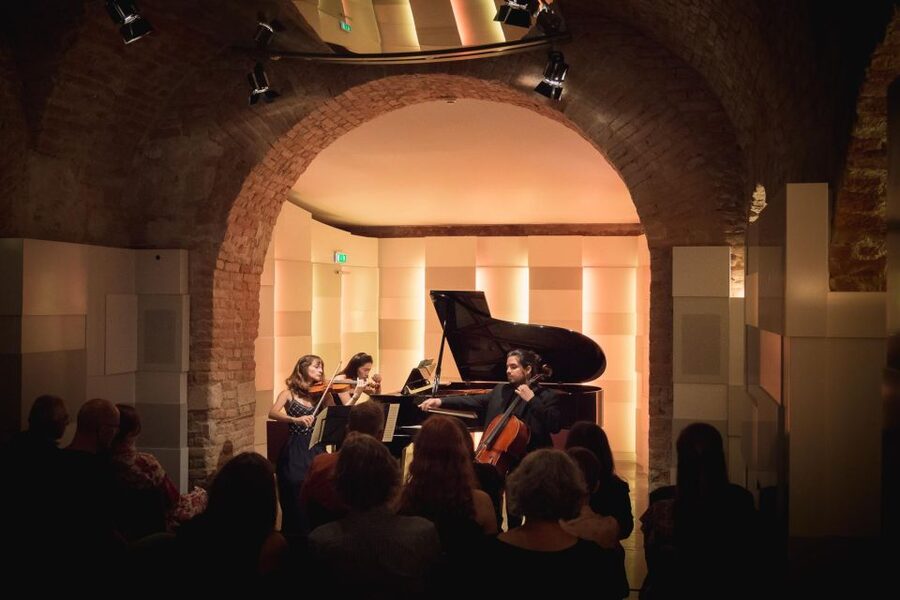
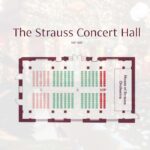
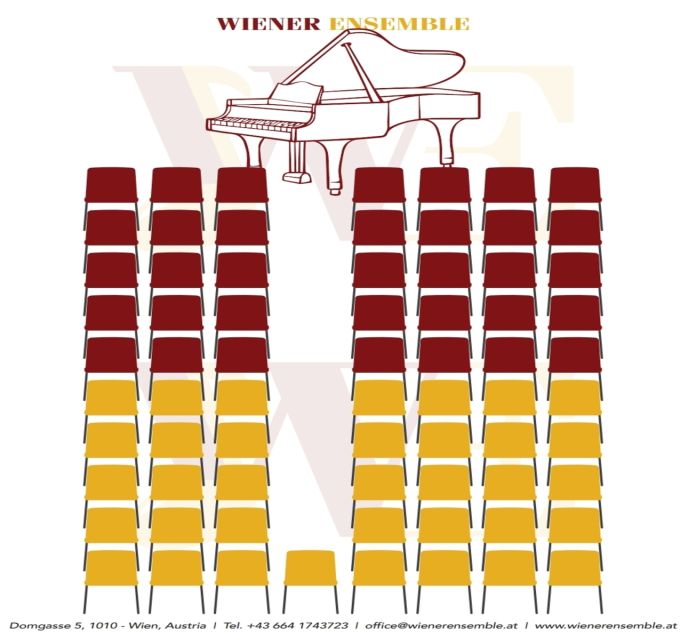
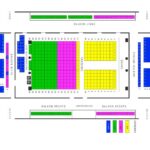
You get reserved concert seating, which is a big practical win in a small venue. It means you should be able to relax and focus instead of hunting for the best angle once you arrive.
That said, a couple of points to keep in mind:
- If you end up with better front seating, you’ll likely feel the performance more intensely because the ensemble is so close.
- If seating is arranged in a way that doesn’t suit your view, you might still manage to enjoy the sound, but sightlines can matter more in a cellar where the room is compact.
So if you have the option to choose seats during booking, lean toward the best view you can. In a venue like this, “good enough” can still feel different depending on where you sit.
Timing it with the rest of your Vienna day
This outing works best when you treat it like a set evening plan, not a random ticket you squeeze in late. Here’s the simple rhythm:
- You meet at Wien Museum Mozarthaus near Stephansplatz
- If you have the museum entry option, you must be there in time because last admission is 4:50 PM
- The concert starts at 6:30 PM
- The concert portion runs about 70 minutes
The practical implication: plan your afternoon like you would for a theater ticket. Don’t schedule another far-away activity with lots of walking immediately before the museum time window. Instead, give yourself buffer time to get checked in and then take your museum visit at a comfortable pace.
If you choose the budget option without the museum ticket, you’re still going to attend the concert in the same place, but you should expect less context and less time inside Mozarthaus before the music begins.
Value check: what $69 buys you (and why it’s fair)
At $69 per person, you’re paying for two things that cost money in Vienna on their own: a live chamber concert and, if selected, museum entry.
The combo option is where the value really clicks. You’re paying not just for a performance, but for a performance with setting. In Vienna, setting can be everything. This concert isn’t happening in a neutral room; it’s happening in Mozart’s last remaining Vienna residence, in a space designed to let you experience the music closely.
Also, you’re getting reserved seating. In many smaller concerts, the difference between good and poor seating is the difference between a satisfying night and a merely okay one.
For me, this is the kind of $69 that makes sense because you’re getting an entire evening with a clear storyline: Mozart’s world first, then Mozart’s music (and the wider Viennese sound) right after.
Who this concert is best for
This is a strong pick if:
- you want Vienna classical music without a giant-tour, giant-hall feel
- you like chamber music and appreciate intimate sound
- you’re curious about Mozart and want to connect the man to the building
- you want a shorter evening plan with real atmosphere
It’s less ideal if:
- you’re expecting a museum packed with heavy physical artifacts and long object-based displays
- you dislike any kind of guided or interpretive museum storytelling
- you need lots of time flexibility for the museum entry window (because last admission is 4:50 PM)
If you’re a first-time classical concert person, this format is especially friendly. The short concert, the close listening space, and the way the ensemble introduces pieces can make the whole thing feel easier than you might expect.
What could disappoint you (and how to plan around it)
Based on what people say about the museum and the show, here are the realistic “watch-outs”:
- Museum focus: if you want lots of physical artifacts, you may find the museum less satisfying than you hoped.
- Maintenance perception: a few people described dust or insect remains in display areas and old-feeling audio guide devices. If that kind of detail matters to you, treat the museum as supporting material for the concert, not the main event.
- Seating angles: while seating is reserved, a few visitors noted that arrangement could be improved for views. If your priority is seeing the instruments clearly, try to select the best option available.
On the other hand, the concert itself is consistently described as outstanding: intimate, accurate-feeling performance style, excellent acoustics for a small space, and musicians who know how to communicate with an audience.
Should you book it?
I’d book this if you want a Vienna evening that mixes music and place in a way that feels real. The combination ticket makes particular sense because it connects Mozart’s apartment context to the candlelit chamber performance that follows.
Skip or rethink it only if you strongly prefer museum experiences packed with lots of physical objects, or if you’re the type who hates any chance of feeling rushed because of fixed timing. Otherwise, this is one of those Vienna plans that’s easy to recommend: it’s short, reserved-seat comfortable, and staged in a setting that turns classical music into something you can actually feel.
FAQ
FAQ
What is the duration of the experience?
The activity is listed as 70 minutes.
Where do I meet for the Mozart concert and museum?
Present your voucher at the Wien Museum Mozarthaus near Stephansplatz.
What time does the concert start?
The concert starts at 6:30 PM.
If I choose the option with museum entry, when do I need to arrive?
If you booked the option that includes museum entry, you should arrive on the concert day before 4:50 PM (last admission is at 4:50 PM).
Is the museum included with every ticket?
No. The budget option does not include museum entry. The museum entry is included only if you select that option.
Is there reserved seating for the concert?
Yes, the concert seating is reserved.
Is the concert suitable if I am new to classical music?
It can work well for beginners because the intimate chamber setting and the way the program is presented make it easier to follow.
Is it wheelchair accessible?
Yes. It is wheelchair accessible, and there is an elevator on the premises.
Can I cancel, and how far in advance?
Free cancellation is available up to 24 hours in advance for a full refund.