REVIEW · BUDAPEST
Budapest: Concert on the Oldest Working Organ in the City
Book on GetYourGuide →Operated by Teleki Miklós · Bookable on GetYourGuide
Seventy minutes of pipes and polish in Budapest. In St. Michael’s Church, you can hear live organ music on the oldest working organ in the city, in a peaceful, Baroque-style setting that makes the notes feel close to you.
I love the calm atmosphere and the sheer craft of hearing solo organ work up close. One thing to consider: it’s a tight 70-minute concert, so plan it as a focused evening, not a long night out.
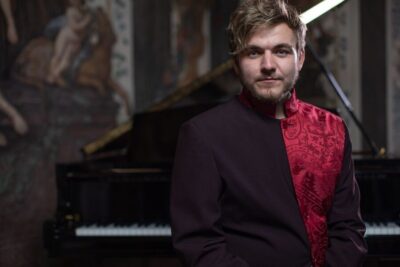
The big draw for me is the performer. Miklós Teleki is the creative director and main organist of the Majestic Sounds series, and when the program jumps from Bach to Liszt-style drama, you can feel the control.
I also like that you get a real range of composers and even older Hungarian organ pieces, so it doesn’t feel like one-note “background music.”
If you’re hoping for long sightseeing time or a post-concert hang, this won’t be that. The upside is that it’s efficient: you sit down, you listen, and you’re done in just about 70 minutes.
In This Review
- Key Points Before You Go
- St. Michael’s Church and Budapest’s Oldest Working Organ
- Who Plays in the Majestic Sounds Series (Teleki, Uibo, Lozsányi)
- Your 70-Minute Flow: Intro, Leaflet, Screen, and Performance
- Typical Programs You Might Hear (Bach to Old Hungarian Works)
- Solo Organ vs. Chamber Music With Soprano
- Venue Feel: What Makes This Concert Feel Special
- Price and Value: Why This $24 Ticket Can Make Sense
- How to Plan Your Evening Around the Concert
- Practical Notes That Actually Matter
- Who This Concert Is Best For (and Who Might Skip)
- Should You Book This Budapest Organ Concert?
- FAQ
- How long is the concert?
- Where do I meet for the Budapest organ concert?
- Is there an English introduction or English programme?
- Can I record video or audio during the concert?
- Is the concert always solo organ?
- Is the venue wheelchair accessible?
Key Points Before You Go
- Budapest’s oldest working organ at St. Michael’s Church (not a massive cathedral instrument)
- Miklós Teleki leads the series; select dates feature other top organists too
- Printed programme leaflet and a short introduction (English and Hungarian)
- Concert format changes by date: solo organ or chamber music with soprano
- You can follow along with the programme, and the organist’s playing is shown on a screen
- No video or audio recording during the performance
St. Michael’s Church and Budapest’s Oldest Working Organ
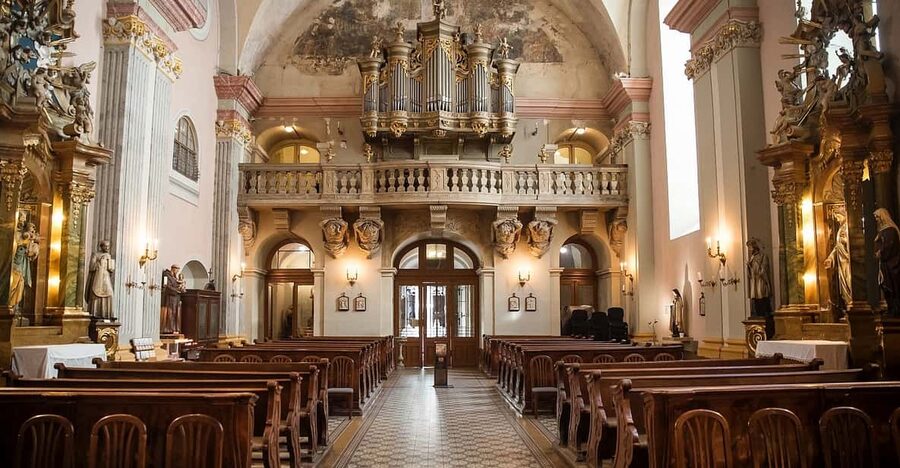
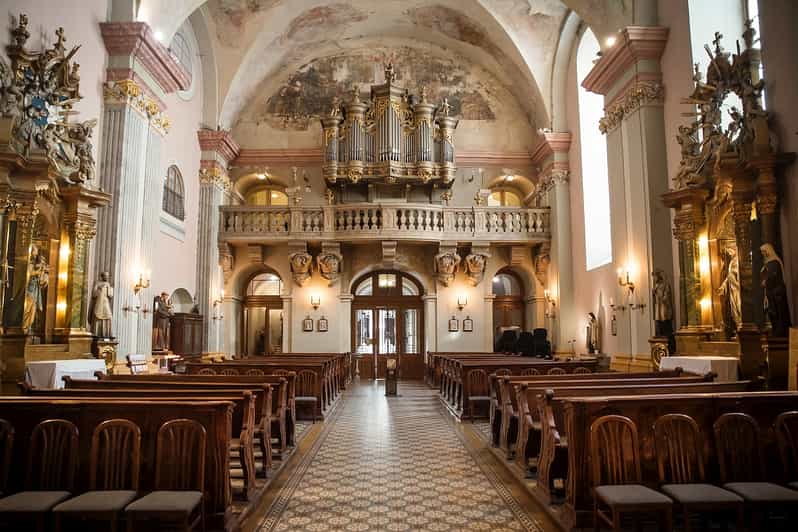
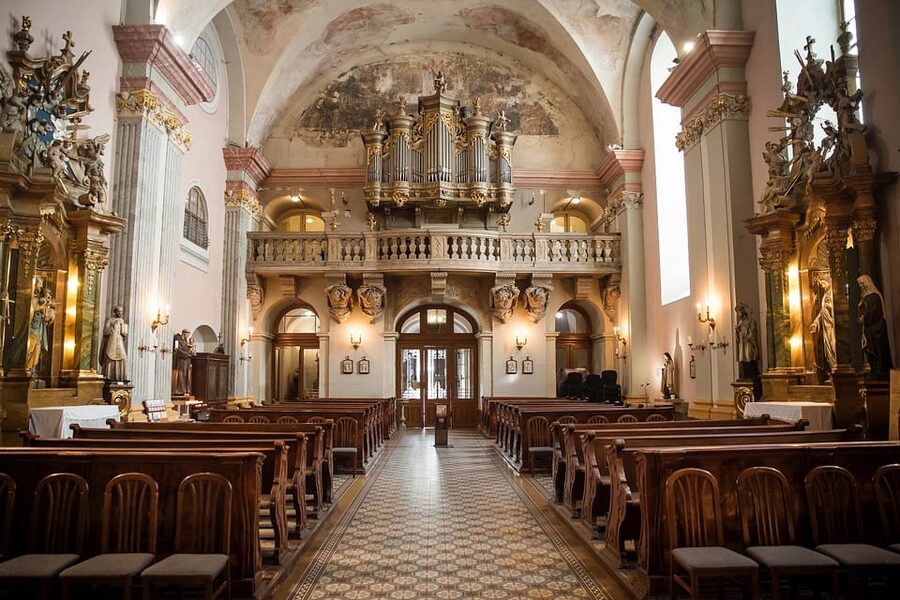
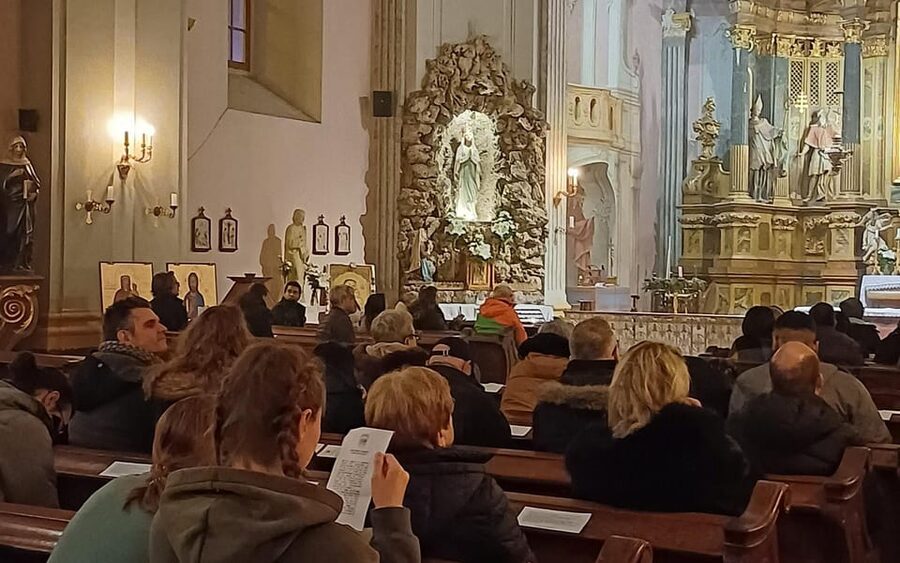
This concert is all about sound, space, and restraint. You’re in St. Michael’s Church (5th District), near the Danube, at the corner of Váci utca and Nyáry Pál, zip 1056. The venue matters because the organ isn’t just playing in the background—it’s filling the room, with acoustics that help every phrase land.
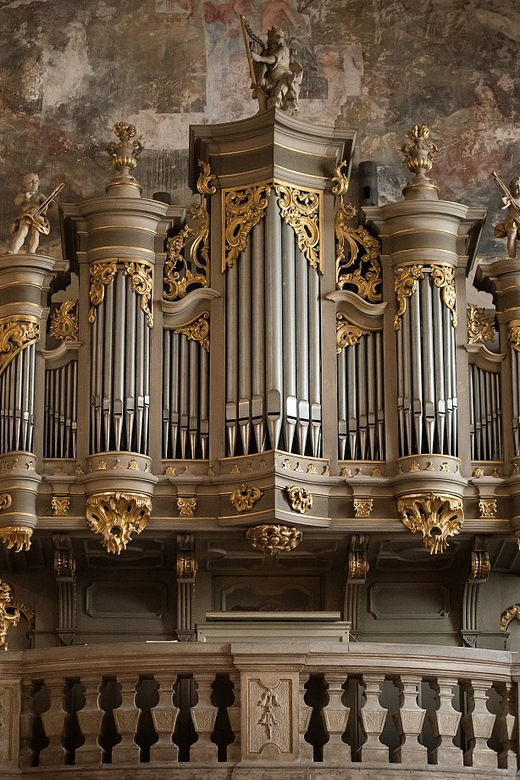
The instrument itself is described as a 25-pipe organ. That detail is important for expectations. This isn’t the giant roar of a cathedral organ, so the experience feels more intimate and precise, and you tend to notice how the organist shapes dynamics and pacing.
You can also read our reviews of more tours and experiences in Budapest.



Who Plays in the Majestic Sounds Series (Teleki, Uibo, Lozsányi)
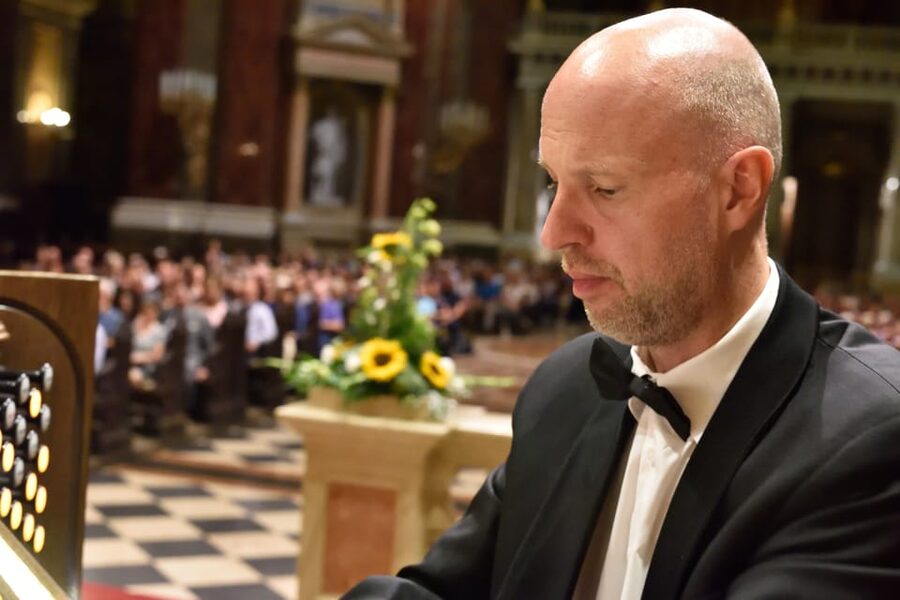
The Majestic Sounds series is led by a serious musician: Miklós Teleki, a Hungarian award-winning organist and pianist who gives about 120 organ and piano recitals a year. On most dates, Teleki is the one at the instrument, so you’re hearing a consistent artistic voice across the series.
If your dates line up with special guests, you might see a different organist. Andres Uibo plays on 4 July, and Tamás Lozsányi is scheduled for 31 October. Knowing this helps you time your visit if you’re a fan of a specific performer.
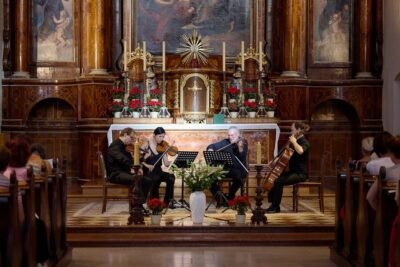
For chamber music dates, the series brings in vocal color too. You can hear soprano Nóra Ducza with Teleki on several listed dates: 30 May, 18 July, 29 August, 17 October, and 23 December. If you want the organ plus a human voice, those are the dates to target.
Your 70-Minute Flow: Intro, Leaflet, Screen, and Performance
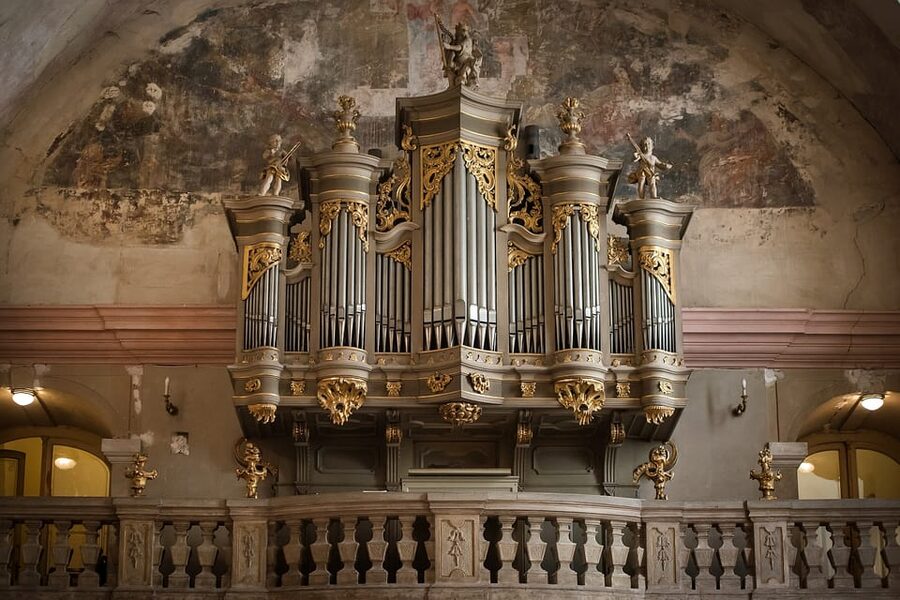
A typical concert here starts with a short introduction in both English and Hungarian. You’ll also get a programme leaflet in English and Hungarian, which gives you organ-focused context and keeps you oriented.
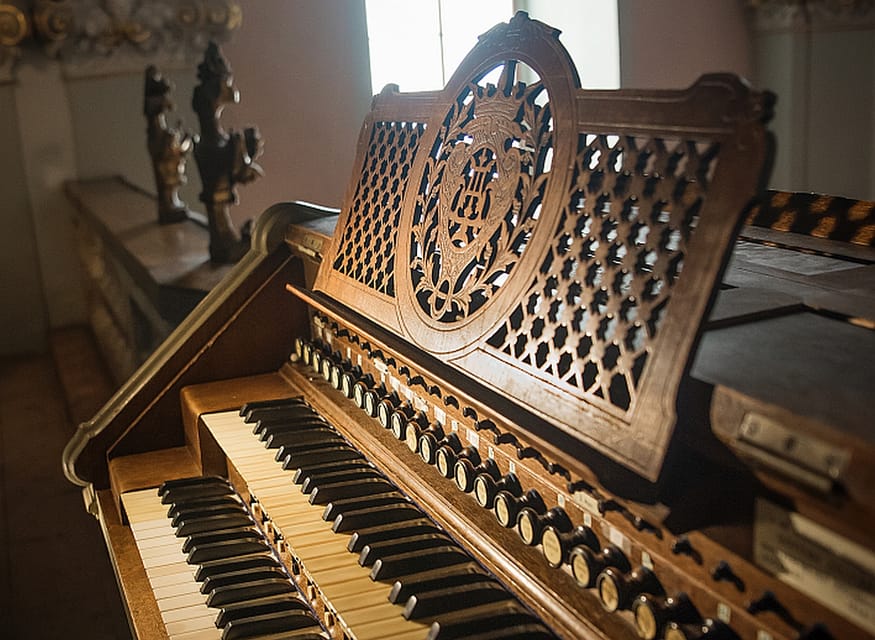
Before the music really begins, you’ll hear a brief intro to the musicians. Then the performance runs for about 70 minutes, with music chosen from different eras and styles of organ writing. The organist’s playing can be seen on a screen, which is a great detail if you want to connect what you hear to what the hands (and feet) are doing.
One practical tip: skim the leaflet early. Since the concert format doesn’t include breaks spelled out in the information you have, knowing the order helps you settle in faster instead of trying to follow later.
Typical Programs You Might Hear (Bach to Old Hungarian Works)
The programme changes by date, but the selection philosophy stays clear: recognized composer classics plus Hungarian material, with enough contrast to keep you listening the whole time.
On some dates, you might hear famous Bach architecture, like a Prelude and Fugue in B minor (BWV 544) and Prelude and Fugue in E-flat major (BWV 552). You might also see Bach’s chamber-style thinking show up through works like a Trio Sonata in E-flat major (BWV 525), where the movement-by-movement structure gives your ears something to latch onto.
The series also links composers across eras in a way that helps non-experts. For example, you may hear an arrangement-style crossover: Antonio Vivaldi as filtered through Bach (Concerto in A minor, BWV 593), with movements like Allegro, Adagio, and Allegro. Even if you don’t know the technical story behind it, you’ll likely recognize the rhythm and bounce that make this music easy to follow.
Expect romantic-era organ drama too, with composers like Franck, Dubois, and Liszt. The programme examples include pieces such as Dubois’ In Paradisum and Toccata in G major, plus Liszt selections like Consolation in D-flat major and Choral – Nun danket alle Gott. These works often shift the mood from clean counterpoint to something more emotional and singing.
Then there’s the Hungarian ingredient. One sample programme includes Six old Hungarian organ compositions from Kilián Szigeti’s collection. That’s a big part of why this series feels more than generic “big-name classics.” You’re getting at something that belongs to the country, not just a European greatest-hits list.
Some dates also feature broader classical staples beyond Bach. One example programme lists a Mozart Fantasy in F minor, plus additional works that range from sacred choral writing (like Bach’s Nun komm, der Heiden Heiland, BWV 659) to concert-level toccata and fugue energy (like Bach Toccata and Fugue in D minor, BWV 565). If you like variety, those combinations make the 70 minutes fly by.
Solo Organ vs. Chamber Music With Soprano
Your date decides the format. Most nights are solo organ performances featuring a mix of centuries of organ repertoire. The series description is clear that some nights are chamber music events instead, which is a meaningful difference in how you experience the same instrument.
On chamber music dates, the presence of a soprano changes the balance. Instead of hearing the organ cover every melodic line, you’ll hear voice and organ working together—an effect that can make the music feel more direct and human, even when the material is still highly structured. If you’re the type who enjoys classical concerts more when there’s a vocal melody you can track, pick one of the listed soprano dates.
If you’re trying to choose between solo-only and chamber-night, here’s the simple way to think about it:
- Solo organ: best if you want to focus on organ technique, phrasing, and register changes.
- Chamber night: best if you want added lyricism from voice alongside organ.



Venue Feel: What Makes This Concert Feel Special
A big part of why this works is the match between the space and the sound. You’re not sitting in a huge, anonymous hall. Instead, you’re in a church where the organ and the architecture seem to share the same “language.”
The instrument being 25 pipes also influences the feel. You’ll likely hear clearer separation between lines, and you can more easily hear how the organist controls texture. In other words, you may get more “detail listening” than you would with a giant instrument that tends to smear sound into one big wall.
There’s also a viewing assist. The organist’s playing appears on a screen, which is a nice bridge if you’re not familiar with how organists coordinate manuals and pedals. It turns the concert into something you can decode without needing technical music knowledge.
Finally, the location near the Danube and the central 5th District makes it easy to pair with a pre- or post-concert plan. You’re not stuck in a far-off neighborhood to enjoy a 70-minute event.
Price and Value: Why This $24 Ticket Can Make Sense
At about $24 per person for a 70-minute live performance, this is a practical cultural add-on. The value isn’t only the price; it’s what comes with it: entry tickets, the organ concert featuring the oldest working organ in Budapest, the programme leaflet, and an English introduction.
It also helps that the performance is purposeful. The repertoire includes famous names like Bach, Handel, Mozart, Vivaldi, and Purcell, but it doesn’t stop at the safest picks. You may hear thematic pairings like Bach’s counterpoint alongside more romantic or French-inspired organ writing, plus older Hungarian material. That means you get both recognition and discovery.
One more value point: transportation and a guide aren’t included. That’s not a drawback so much as a scheduling advantage. You can fit the concert into a broader evening plan in central Budapest, then walk in when you’re ready to listen.
How to Plan Your Evening Around the Concert
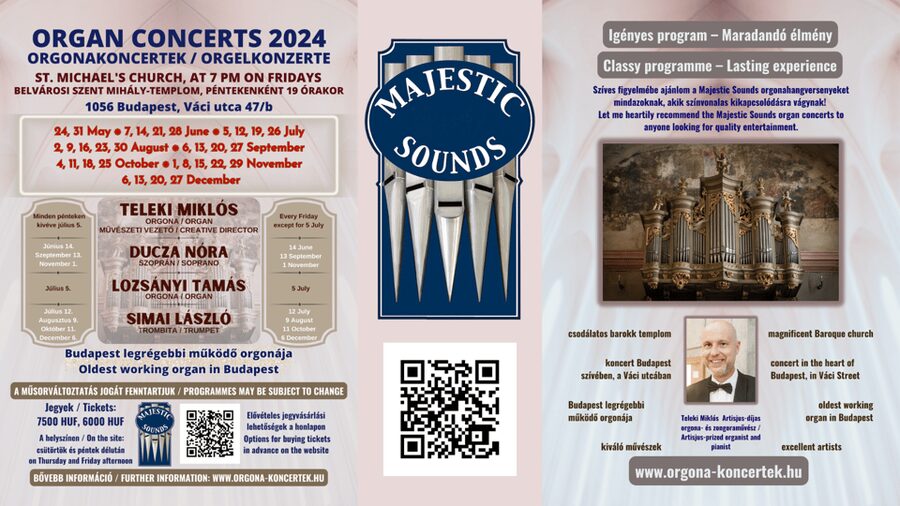
The series is flexible across dates. It’s described as a Friday evening concert, and in 2025 there are also Tuesday night concerts listed for 23 and 30 December. Knowing this helps if you’re visiting around the holidays and want something calm and meaningful rather than crowded.
If your goal is to hear a specific performer, you can aim around the highlighted dates. Teleki is the main organist on most recitals. For special shows, plan for:
- Andres Uibo on 4 July
- Tamás Lozsányi on 31 October
- Soprano chamber music dates in May, July, August, October, and 23 December
Also think about pacing. Since the concert runs 70 minutes, I suggest scheduling it when you’re not rushing between neighborhoods. Arrive ready to sit and listen, not mid-errand mode.
Practical Notes That Actually Matter
A few rules shape the experience. Video recording and audio recording aren’t allowed, so don’t plan on filming the organ pipes or capturing your favorite moment for later. The focus stays on listening in real time.
The concert also includes English support. The introduction and the programme leaflet are available in English (and Hungarian). If you’re nervous about understanding organ music, this is a good sign. You’re given enough structure to follow what you’re hearing.
The venue is wheelchair accessible, which is helpful if mobility access affects your planning.
Finally, ticket access is designed to be smooth. There’s no waiting at a long line setup, and check-in is handled at the church door. For a calm experience, arrive a few minutes early so you can get seated and settle in.
Who This Concert Is Best For (and Who Might Skip)
This is a strong choice if you want:
- Live classical music without a complicated logistics chain
- A short, high-quality evening activity in central Budapest
- Organ music where you can follow a structured programme and see the performer on a screen
It’s also ideal for people who like recognizable composers but want a slightly more interesting mix than the usual “only Bach” approach.
You might skip it if you need something interactive for the whole night or you’re looking for a long tour format. This is a seated listening experience, and it ends right when it should—after about 70 minutes.
Should You Book This Budapest Organ Concert?
Yes, if you want a memorable classical moment that’s easy to fit into your day. For $24, you’re paying for live musicianship in a church built to carry sound, plus an English intro and leaflet so you can actually follow along. The oldest working organ in Budapest is the headline, but the real reason to book is the performer lineup and the way the programmes mix famous names with Hungarian repertoire.
Book it especially if you’re around on a soprano chamber date or a special guest date. If you’re unsure, pick any available slot and go in with the mindset of listening for how the organist shapes phrasing, not just recognizing the composers.
FAQ
How long is the concert?
The concert lasts about 70 minutes.
Where do I meet for the Budapest organ concert?
Meet at the corner of Váci utca and Nyáry Pál utca in the 5th District, zip code 1056, near the Danube.
Is there an English introduction or English programme?
Yes. There is a short introduction in English and Hungarian, and a programme leaflet is also available in English and Hungarian.
Can I record video or audio during the concert?
No. Video recording and audio recording aren’t allowed.
Is the concert always solo organ?
No. Depending on the date, you’ll either hear a solo organ concert or a chamber music concert.
Is the venue wheelchair accessible?
Yes, the concert is wheelchair accessible.