REVIEW · BUDAPEST
Budapest: Opera House Guided Tour
Book on GetYourGuide →Operated by bookinbudapest.com · Bookable on GetYourGuide
Budapest’s Opera House is a feast for the eyes. I especially like the restored interiors and the close-up moments with the auditorium frescoes and grand staircase design. For $33, you also get a real payoff at the end: a brief live concert that turns an architecture stop into something you can actually hear.
One thing to factor in: the Opera House can cancel tours during rehearsals, and on some occasions the auditorium lights may be dimmer than usual. Still, if that happens, you should be offered an alternative date.
In This Review
- Key Things to Know Before You Go
- Why This 1-Hour Opera House Tour Feels Like a Win
- Getting In Smoothly: Meeting Point and First Steps
- What You’ll See Inside: Frescoes, the Grand Staircase, and the Auditorium
- The 1884 Building and the 2022 Restoration Story
- The Mini Concert at the End: Your Opera Taste in Real Acoustics
- How Much Value Is $33 for a One-Hour Tour?
- Best-Fit Travelers (and the One Big Caution)
- Practical Tips That Make the Hour Feel Easier
- Should You Book This Budapest Opera House Tour?
- FAQ
- How long is the Budapest Opera House guided tour?
- Where is the meeting point for the tour?
- What languages are offered for the live guide?
- Does the tour include skipping the ticket line?
- Is a concert included during the tour?
- Are food and drinks included?
- What happens if tours are canceled during rehearsals?
- Can I cancel for a full refund?
- Is this tour suitable for wheelchair users?
- Can I reserve now and pay later?
Key Things to Know Before You Go
- Restoration focus (2022): you’re guided through a building that was fully restored recently, not just a preserved relic.
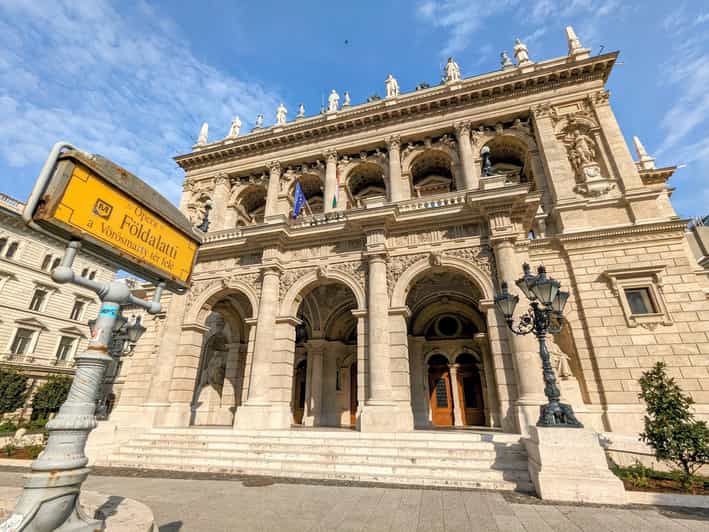
- Built in 1884 by Miklós Ybl: the tour ties the look you see to the original architect’s plans.
- Auditorium frescoes and staircase details: you get time to really notice the art and the movement of the space.
- A short live opera at the end: included with your tour, with singers performing a brief set.
- Meeting point is inside: you meet in the Opera House hall, so plan to enter first and then look for the group.
- Small-group feel: the flow can split into two smaller groups inside the big venue, which helps people hear and see.
Why This 1-Hour Opera House Tour Feels Like a Win
If you only have limited time in Budapest, this is one of those smart stops that punches above its weight. You get an interior tour of one of the city’s most iconic landmarks, plus context that makes the details easier to understand. And then you get sound. Not a silent museum moment, but a short taste of opera in the very room where it belongs.
What makes it work is the balance. The guide doesn’t just point at decorations. You’re told why the building looks the way it does, including its original 1884 construction based on the plans of Miklós Ybl, and what changed during the full restoration completed in 2022. You also see the auditorium frescoes and the staircase design up close, so it’s not only history. It’s visual proof.
The other reason I like this tour is the pacing. One hour is long enough to see key spaces and learn the essentials, but short enough that it won’t hijack your day. If you’re trying to fit in markets, viewpoints, baths, or Danube time, this is a manageable block.
You can also read our reviews of more tours and experiences in Budapest.



Getting In Smoothly: Meeting Point and First Steps
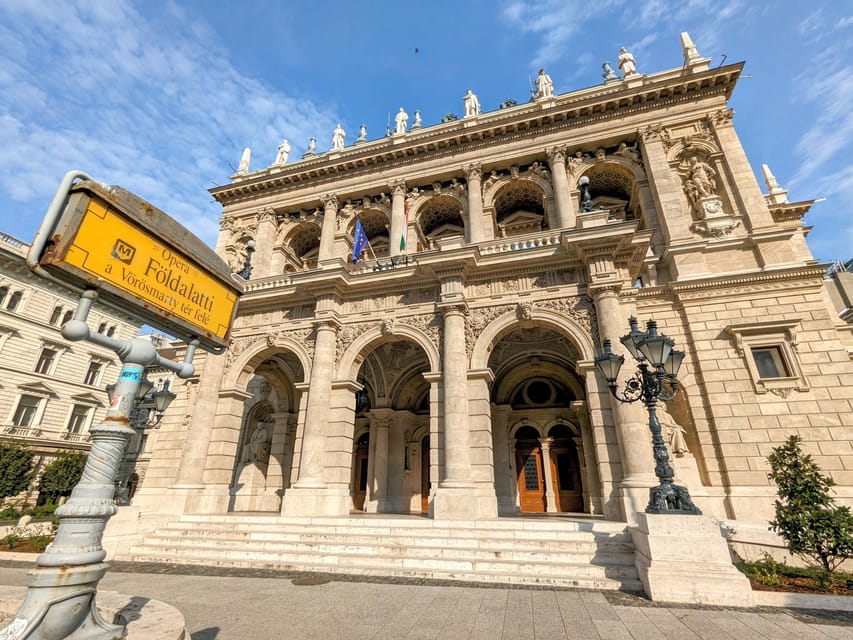
You meet in the hall of the Opera House, and the meeting point is inside the building. That matters more than you might think. In a grand place like this, it’s easy to get turned around near the entrances. Going straight to the hall keeps your arrival calmer and helps you start on time.
The tour also includes skip-the-ticket-line entry. That’s a practical perk in busy central Budapest, especially if you’re on a tight schedule. The tour start is time-based, so if you want the full hour without stress, arrive a few minutes early and then let the guide take over.
Expect staff and guides to keep things moving. The space is large, but the tour structure helps you circulate through the important rooms rather than getting stuck waiting for your group to reorganize.
What You’ll See Inside: Frescoes, the Grand Staircase, and the Auditorium
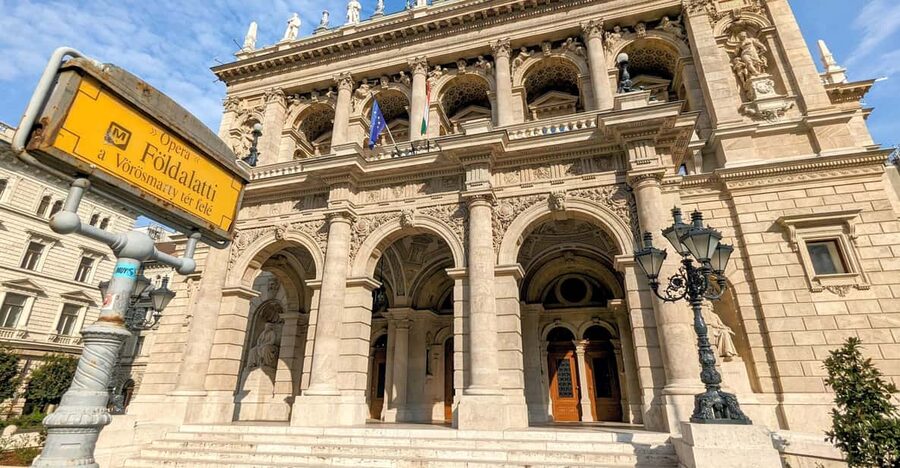
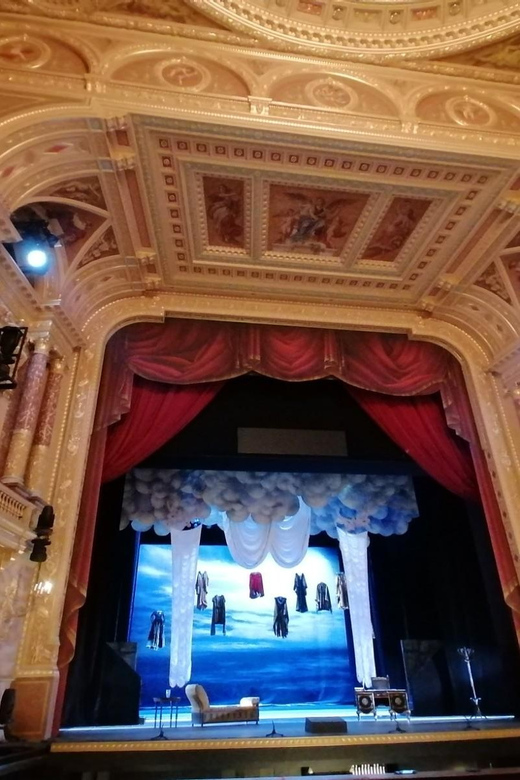
The heart of the experience is the interior visit, guided for 60 minutes. You’re shown standout design elements that define the Hungarian State Opera House experience—especially the auditorium frescoes and the exquisite staircase design.
Here’s how these pieces change your understanding of the building:
- The auditorium frescoes turn the room from a performance space into an art gallery. You’re not just looking up; you’re learning what you’re seeing and why those visuals matter in a theater.
- The staircase isn’t only decorative. It’s part of how the building stages arrival, status, and movement. When someone explains the choices behind the staircase layout and look, it stops feeling random and starts feeling intentional.
You’ll also hear facts about the Opera House’s construction era and the restoration in 2022. That combination helps you connect present-day beauty with the original design intent from the Miklós Ybl era.
A small but real note: on some tour dates, you may experience reduced light conditions in the auditorium. That doesn’t mean the experience is worse. It just changes how bright the room looks while you’re viewing the details. If you’re planning photos, keep that in mind.
The 1884 Building and the 2022 Restoration Story
This tour gives you the best kind of context: the kind that explains what you’re actually seeing. The Opera House was built in 1884 based on the plans of Miklós Ybl, and the building was fully restored in 2022. That restoration matters because opera houses aren’t just pretty exteriors. They’re machines for sound, sightlines, and audience experience.
When the guide talks about restoration, it helps to listen for the practical “why.” The restored look makes the design feel crisp and readable. Details that might look faded or damaged in older landmarks now come across as deliberate again—especially in the auditorium and the spaces visitors can access on the tour.
If you like architecture, this is the kind of landmark where the past and present overlap in the same frame. You get a before/after feeling just from being inside, plus a guided explanation that keeps it from becoming a blur of gold paint and ornate curves.
And yes, the building is simply impressive. The point here is not to treat it like a postcard. The point is to understand how it works as a theater and why it looks so theatrical even before anyone sings.
The Mini Concert at the End: Your Opera Taste in Real Acoustics
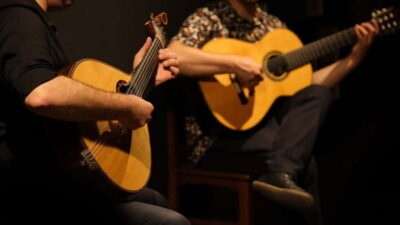
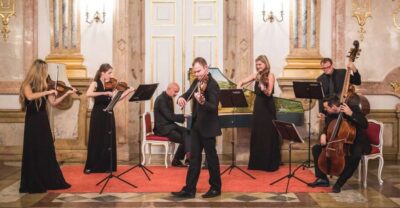
One of the most consistently praised parts is the included brief concert at the end of the tour. In practical terms, it’s your opera “taster” without the pressure (or cost) of a full evening performance.
In many cases, you’ll hear a set that lasts around 10–15 minutes. You might get a couple singers rather than a full cast, but that’s exactly why it works. It keeps the tour moving, and it still lets you experience the building’s acoustics while you’re already oriented to the space.
Why this matters: acoustics are hard to judge from outside or from the lobby. Inside the auditorium, your ears finally get to do the job your eyes were already doing. The sound makes the grandeur feel less decorative and more alive.
Also, if you’re traveling with someone who doesn’t think they like opera, this is a useful lever. They can enjoy a performance in a spectacular room even if they don’t know any of the arias yet.
If you’re hoping for a full opera night, this doesn’t replace that plan. It’s better seen as a backup that still feels meaningful.




How Much Value Is $33 for a One-Hour Tour?
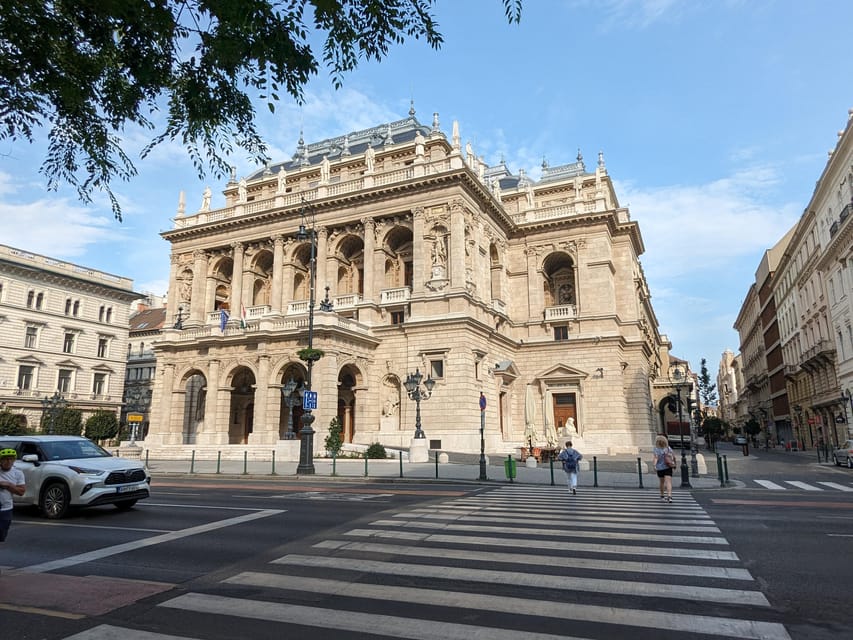
$33 for a one-hour interior tour plus a brief concert is strong value in my book, mainly because it combines three categories people usually pay separately for: guided access, architectural interpretation, and a performance moment.
Here’s the practical breakdown:
- You’re paying for time inside a landmark that’s famous enough to draw lines.
- You’re paying for a live guide (not an audio-only approach).
- You’re paying for the included concert component that turns sightseeing into a sensory experience.
It’s not a long tour. That’s the selling point. You get the highlights—frescoes, staircase, auditorium context—then you’re done while you still have energy for the rest of Budapest.
If you’re the type who loves learning a few key facts and then seeing it in the room, this price feels fair. If you want a deep, long-form cultural program, you might prefer booking a full opera show. But for a one-hour block, this is a very efficient use of your time.
Best-Fit Travelers (and the One Big Caution)
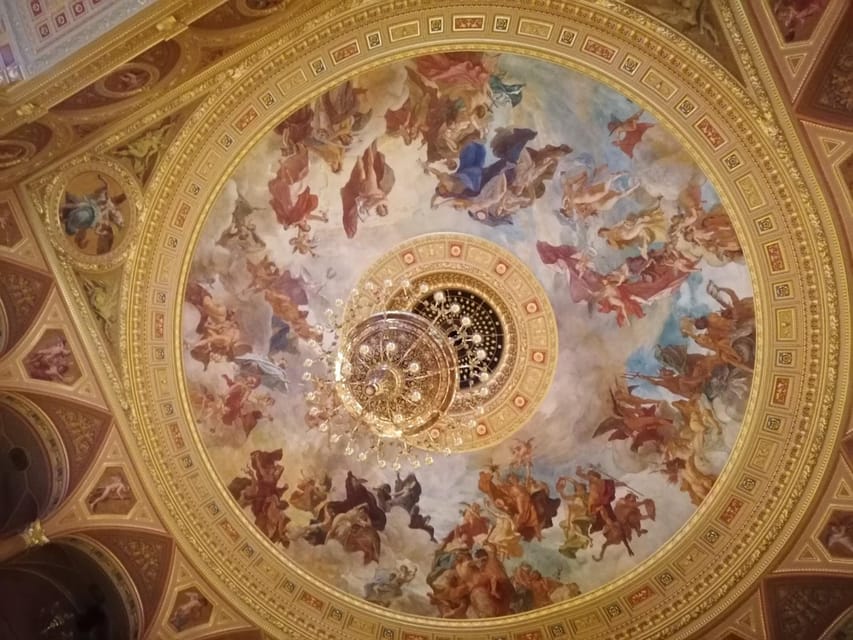
This tour is a good match if you like any of these:
- Architecture and historic interiors
- Opera culture, even if you’re new to it
- Short, well-structured activities with a clear ending
It also works well if you’re visiting with teens or friends who might think they don’t care about opera. The short performance changes the tone fast.
One caution: the tour is not suitable for wheelchair users. The building experience may involve stairs and movement that don’t work for wheelchair access based on the tour’s stated suitability.
If you have mobility needs beyond what a wheelchair handles, it’s worth checking with the provider before you book so you don’t arrive only to learn the plan won’t work.
Practical Tips That Make the Hour Feel Easier
A few small moves can help you enjoy this tour more.
First, plan for the meeting point inside the Opera House hall. Don’t loiter at the outside entrances waiting to figure it out. Go in, find the hall, and get with your group.
Second, remember this is a live guided tour in multiple languages. The guide language can be English, German, Spanish, Italian, or French, depending on your departure. If you’re booking with another language group in mind, confirm the language option when you select your time slot.
Third, keep expectations realistic about the auditorium lighting. The Opera House may offer reduced light conditions in the auditorium on some occasions, and tours can be canceled during rehearsals with an alternative date offered. If your schedule is tight, you’ll want to choose a time slot that gives you some flexibility.
Finally, you can skip thinking about food here. Food and drinks aren’t included, so if you’re doing lunch around it, plan that separately.
Should You Book This Budapest Opera House Tour?
If you want a fast, high-impact way to see the Opera House interior and hear a short live performance, then yes, you should book. For $33, you’re getting a guided architectural walkthrough tied to the building’s real milestones—built in 1884, designed by Miklós Ybl, and restored in 2022—then capped with a concert moment that makes the venue feel instantly more real.
I’d pass only if accessibility is a concern for you (wheelchair users) or if you’re the type who needs a longer, deeper program than an hour. If you’re otherwise flexible and you want value without sacrificing the magic of Budapest’s classic venues, this is an easy pick.
FAQ
How long is the Budapest Opera House guided tour?
The tour lasts 1 hour.
Where is the meeting point for the tour?
Meet in the hall of the Opera House. The meeting point is inside the Opera House.
What languages are offered for the live guide?
The live guide is available in English, German, Spanish, Italian, and French.
Does the tour include skipping the ticket line?
Yes, the tour includes skip-the-ticket-line entry.
Is a concert included during the tour?
Yes. A brief concert is included at the end of the tour.
Are food and drinks included?
No, food and drinks are not included.
What happens if tours are canceled during rehearsals?
The Opera House may cancel tours during rehearsals. If that happens, an alternative date is offered. Light conditions in the auditorium may be reduced on some occasions.
Can I cancel for a full refund?
Yes. You can cancel up to 24 hours in advance for a full refund.
Is this tour suitable for wheelchair users?
No, it is not suitable for wheelchair users.
Can I reserve now and pay later?
Yes. You can reserve now and pay later, with no payment required today.