REVIEW · BUDAPEST
Budapest: Organ Concert in St. Stephen’s Basilica
Book on GetYourGuide →Operated by Hungaria Koncert Ltd. · Bookable on GetYourGuide
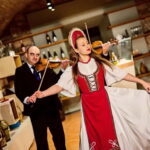
Instant cathedral-class music at dusk. St. Stephen’s Basilica makes this Budapest concert feel bigger than a normal hall, and I love how the setting turns organ sound into something you can almost feel. I also love the star power: Kolos Kováts, a major Hungarian concert and oratorio singer, is on the program and delivers the arias.
Come with ears open. The flute adds a bright new color through Eleonóra Krusic, so the concert doesn’t just stay in organ mode. One consideration: your ticket category matters, since seats are assigned by row ranges (I: rows 1–6, II: 7–16, III: 17–26), and that affects how close you are to the performers and the overall balance of sound.
In This Review
- Key highlights you’ll care about
- St. Stephen’s Basilica at 19:40: where the sound starts
- Picking your seat: Category I vs II vs III (rows 1–6, 7–16, 17–26)
- The performers: Kolos Kováts and Eleonóra Krusic bring two different kinds of magic
- The program walkthrough: Mozart fantasy, Verdi prayer, and Bach’s big organ ending
- Mozart: Fantasie in F minor, K 506
- Stradella: Pietà Signore
- Albinoni: Adagio
- Liszt / Saint-Saëns: Legend in A major (St. Francis of Assisi’s Sermon to the Birds)
- Verdi: Prayer of Fiesco from Simone Boccanegra
- Bach suite movements: Polonaise, Minuet, Badinerie (Suite in B minor, BWV 1067)
- Bach: Toccata and Fugue in D minor, BWV 565
- Why this organ + aria + flute mix works
- Value and logistics: concert tickets included, pickup costs extra
- Should you book this Budapest organ concert?
- FAQ
- Where is the meeting point for this concert?
- What time should I arrive?
- What is included in the ticket?
- Is pick-up and drop-off included?
- Who performs in the concert?
- Who performs the arias?
- What pieces are included in the program?
- How do ticket categories differ?
Key highlights you’ll care about
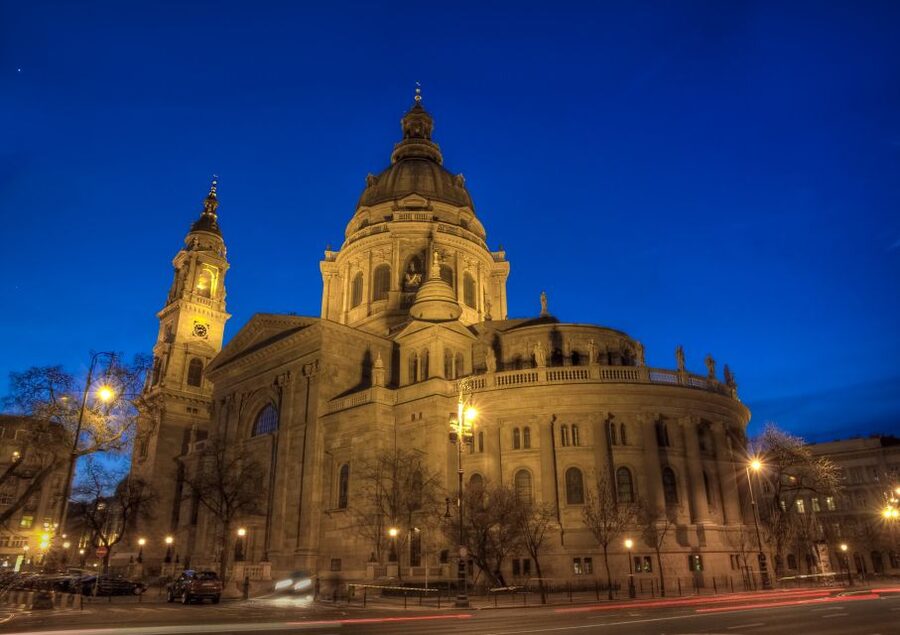
- St. Stephen’s Basilica venue: neo-classical grandeur built for acoustics and drama
- Kolos Kováts leads the arias: award-winning Hungarian singer (Liszt Ferenc Prize, Merit of Art, Kossuth Prize)
- Flute color with Eleonóra Krusic: a second layer of melody on top of the organ
- A smart mix of styles: Mozart fantasy, baroque vocal writing, Verdi prayer, and big Bach organ fireworks
- Clear seating tiers by row: Category I through III gives you control over closeness
St. Stephen’s Basilica at 19:40: where the sound starts

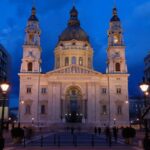
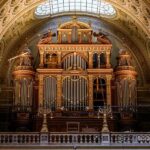
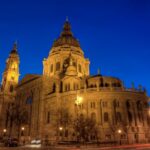
Plan to be at St. Stephen’s Basilica by 19:40. That timing matters because this is one of those venues where you want a moment to get your bearings first, not just arrive and guess where to stand. The basilica is described as one of Budapest’s most beautiful neo-classical buildings, and you’ll feel that right away: the space is made for reverberation, so the music doesn’t sit still. It floats, it stretches, and it sticks around.
This concert is presented by Hungaria Koncert Ltd., and the format is straightforward: buy your ticket, take your seat, and listen. The value here is that you’re not choosing between a “tour” and a “show.” You’re choosing one high-quality night-time event in a famous setting, with a performer lineup that’s clearly meant to carry a full program.
If you’re the type who likes to arrive, read a program note (even just casually), and then settle in, you’ll enjoy the pace. If you’re rushed and stressed, you might miss the best part: the first moments when the organ tone blooms and your brain starts syncing to the basilica’s rhythm.
You can also read our reviews of more tours and experiences in Budapest.
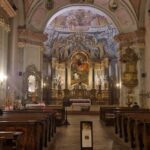
Picking your seat: Category I vs II vs III (rows 1–6, 7–16, 17–26)

Your ticket is divided into three categories based on row:
- Category I: row 1 to row 6
- Category II: row 7 to row 16
- Category III: row 17 to row 26
Even without a detailed seating map, this row-based system gives you a simple way to decide. If you want maximum clarity and a more “in the music” feeling, pick Category I. The trade-off is availability and likely the most in-demand seats. If you want a good compromise between comfort and value, Category II is the safer middle choice.
Category III (rows 17–26) can still be great if you care more about the overall sound than about being physically close to the performers. With organ music especially, being farther back can sometimes improve the sense of blend. The organ doesn’t care about your row number; it cares about how sound travels in the room. Still, if you like watching how singers shape phrases and how a flute lines up with the organ texture, being closer tends to be more satisfying.
Quick tip: when booking, think like this—do you want a “front-row listening spot,” or do you want an “everything in one picture” view? The categories map cleanly to those preferences.
The performers: Kolos Kováts and Eleonóra Krusic bring two different kinds of magic
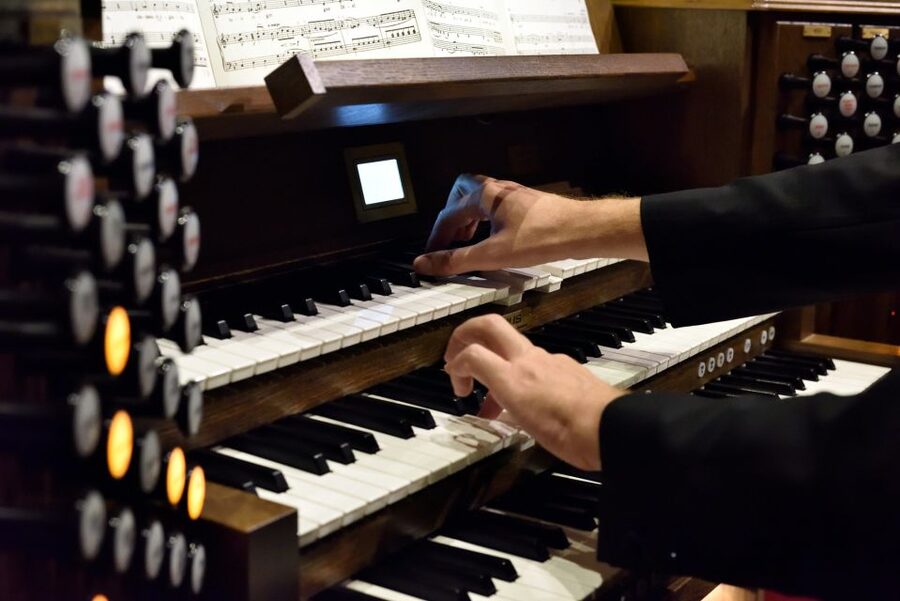
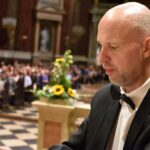
The concert’s standout vocal presence is Kolos Kováts. The program notes specify that the arias are performed by him, and his résumé isn’t vague or decorative—he has received major Hungarian honors, including the Liszt Ferenc prize, Merit of Art, and the Kossuth Prize. That’s a good sign if you care about more than just polite singing. It usually means solid musicianship and control, the kind that makes a lyrical line feel intentional rather than simply beautiful.
On top of that, the concert adds Eleonóra Krusic on flute. She’s described as having played many times and in many orchestras in Hungary and abroad in recent years. What that means for you in practice: the flute part likely won’t feel like an afterthought. It’s there to add contrast—light, human breath against the massive organ sound.
There’s also participation listed for Miklos Teleki alongside Kováts. The details we have don’t spell out specific roles, but the important thing is this: the concert is built as a real performance with multiple featured artists, not a solo act with a couple of extras.
The program walkthrough: Mozart fantasy, Verdi prayer, and Bach’s big organ ending
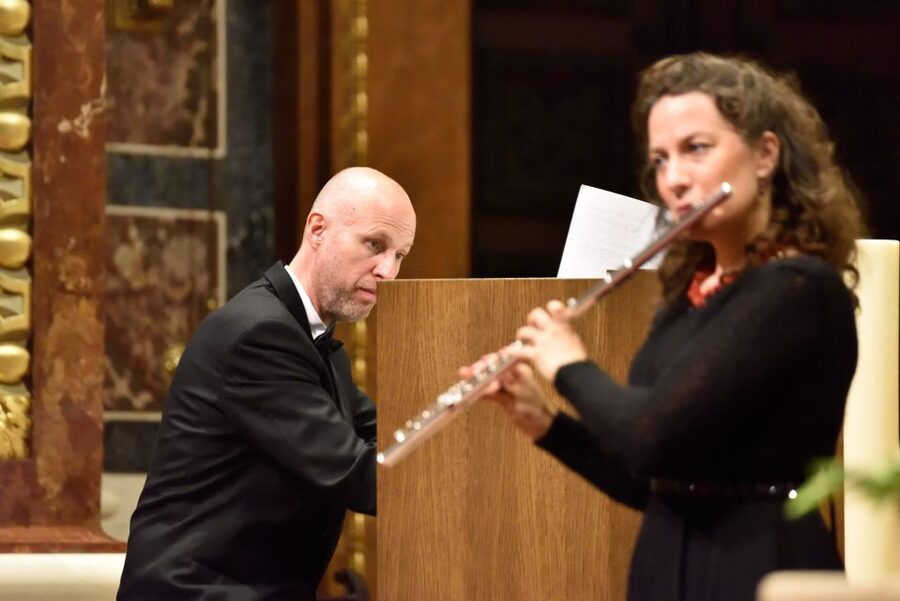
This is the kind of program that keeps changing “the color” of the concert, so you don’t get stuck in one mood for too long. Here’s what you can expect from the works listed.
Mozart: Fantasie in F minor, K 506
The concert opens with Mozart’s Fantasie in F minor (K 506). A fantasy by Mozart is often dramatic and emotionally quick—more free-spirited than a strict classical form—so it’s a strong opener for a basilica setting. If you want to judge the room fast, the early part does it for you: organ tone, resonance, and clarity show up immediately.

Stradella: Pietà Signore
Then you shift toward baroque-era vocal writing with Alessandro Stradella’s Pietà Signore. Since the notes say Kováts performs the arias, this is where you’ll likely hear his lyrical strength in a more intimate, prayer-like style. Listen for how the vocal line sits on top of the organ texture—this combination can be moving when the phrasing stays crisp even inside a reverberant space.
Albinoni: Adagio
Next comes Tomaso Albinoni’s Adagio. Adagios can be tricky in a big hall because they can blur if the performers don’t control timing. In a basilica, though, a well-shaped adagio can turn into a slow-moving ribbon of sound, and you’ll hear the room “hold” notes longer than you’re used to in smaller venues.
Liszt / Saint-Saëns: Legend in A major (St. Francis of Assisi’s Sermon to the Birds)
This piece—Liszt Ferenc / Camille Saint-Saëns: Legend in A major (St. Francis of Assisi’s Sermon to the Birds)—is a title that basically signals you’re in for imagery. Even if you’re not chasing the story word-for-word, these bird-related legends usually reward attentive listening to musical motion: little flutters, rising lines, and moments that sound like the music is painting the scene.
Verdi: Prayer of Fiesco from Simone Boccanegra
Now you get Giuseppe Verdi’s Prayer of Fiesco from Simone Boccanegra. Verdi prayers are all about controlled emotion. In a basilica, this can land extra hard because the space makes the singing feel weighty. If you like hearing how a performer shapes a long vocal arc without rushing the feeling, this is one of the spots to focus.
Bach suite movements: Polonaise, Minuet, Badinerie (Suite in B minor, BWV 1067)
Then the program turns to Bach with Polonaise, Minuet, and Badinerie from Suite in B minor, BWV 1067. These movements bring more dance-like definition—especially the Badinerie, which is often light on its feet. Here, you can compare how the basilica handles rhythmic clarity versus how it handles slow, sustained lines earlier in the concert.
Bach: Toccata and Fugue in D minor, BWV 565
Finally, you close with Bach’s Toccata and Fugue in D minor (BWV 565). This is one of the big-name organ showpieces, and it’s the right kind of ending: fast, dramatic, and full of momentum. If you want a “last ten minutes” that resets your whole evening mood, this is it. In a space like St. Stephen’s Basilica, the organ’s low power plus the fugue’s logic tends to feel like the music is building a structure you can walk inside.
Why this organ + aria + flute mix works
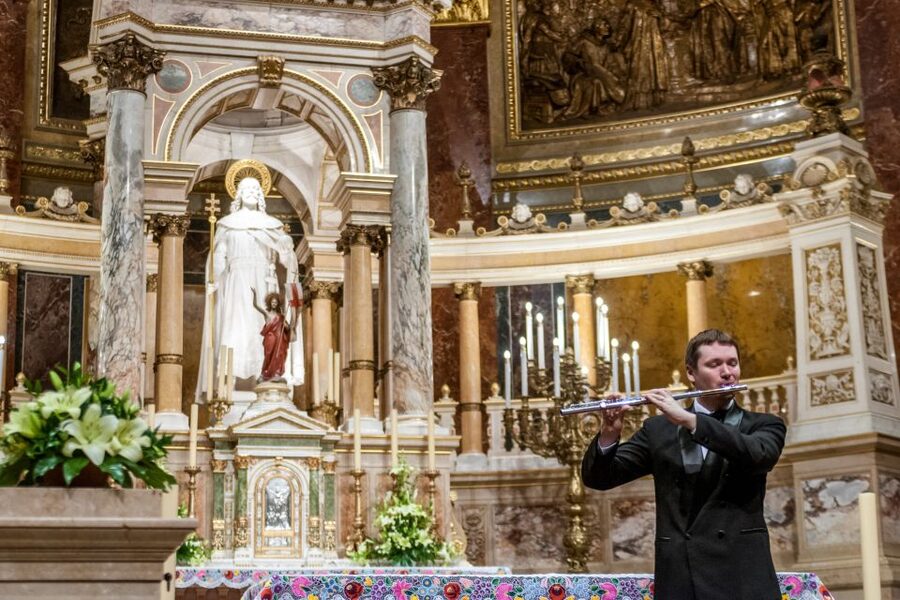
The most satisfying part of a concert like this is the balance between three sound worlds.
- Organ gives weight and cathedral scale.
- Aria singing gives the human story and breath.
- Flute gives brightness and movement that cuts through the thickness.
When the program bounces between composers like Mozart, Verdi, and Bach, you aren’t just getting variety for variety’s sake. You’re hearing how different styles react to the same room. The basilica becomes an instrument too, shaping how each composer’s character lands.
And Kováts’ role as the aria performer means the vocal moments aren’t random. They’re placed as emotional anchors inside the instrumental arc. Add the flute, and suddenly you have a second melodic voice—something airy to counter the organ’s gravity.
If you’re a first-time concert-goer in Budapest, this mix is friendly. If you’re an experienced listener, the program still feels smart because it includes both famous organ writing and high-credibility vocal and chamber-color contributions.
Value and logistics: concert tickets included, pickup costs extra
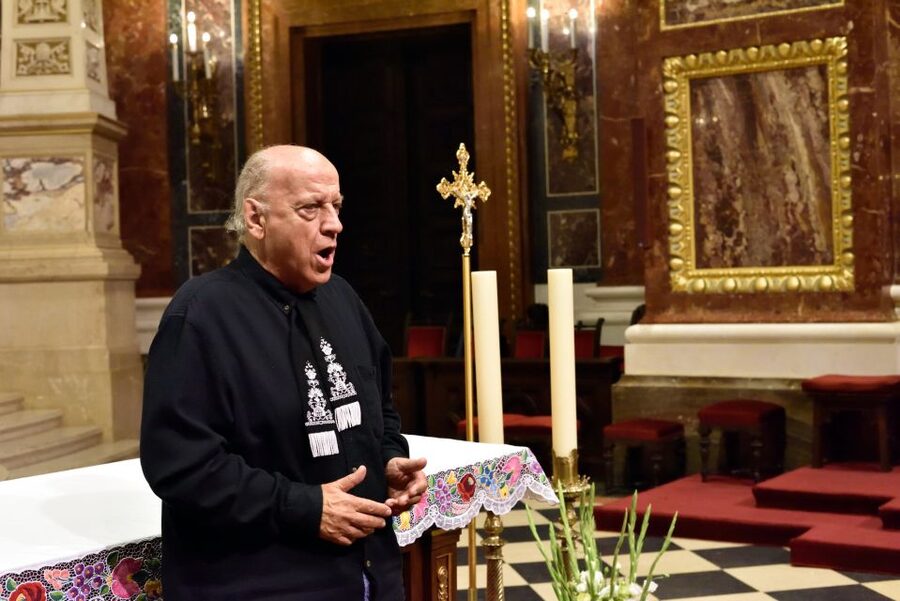
Good news for planning: concert tickets are included. That means you’re paying for the actual event, not a bundled “thing on the side.”
The only practical note is that pick-up and drop-off are not included, though they are available at an additional cost. So you’ll want to either:
- get yourself to St. Stephen’s Basilica for the 19:40 meeting time, or
- consider paying extra for transport if it fits your schedule.
No matter what, the key is simple: arrive at the basilica, get seated, and let the music do the work.
Should you book this Budapest organ concert?
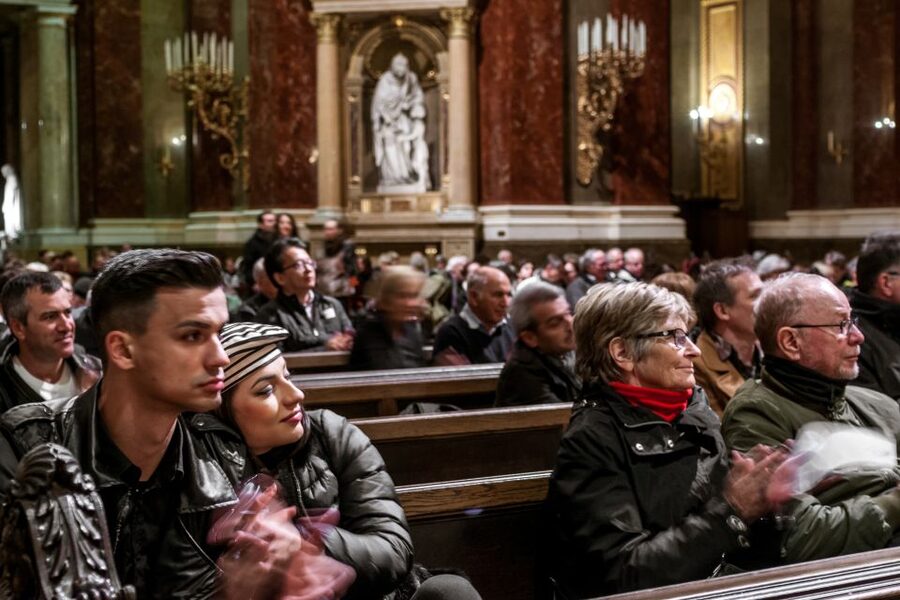
I think this is worth booking if you want one focused evening that combines Budapest’s most famous kinds of architecture with a serious musical program. It’s especially strong if you care about vocal performance quality, because Kováts is not listed as a casual cameo—he’s the aria lead, with major Hungarian honors, and the program places his voice in meaningful spots (Stradella and Verdi are a clear emotional bet).
It’s also a great choice if you like organ music but don’t want the whole night to be just one texture. The flute with Eleonóra Krusic adds a clear second color, and the program’s movement from Mozart into baroque, then into Verdi, then into Bach keeps your attention from settling into one mood.
I’d only hesitate if you’re very sensitive to seating distance or sightlines, because ticket categories are tied to row ranges. Decide in advance whether you want closer rows (Category I) or a more budget-friendly listening spot (Category III).
If that decision is easy for you, book it. One evening, one iconic room, and a program that ends on Bach’s D minor fireworks.
FAQ
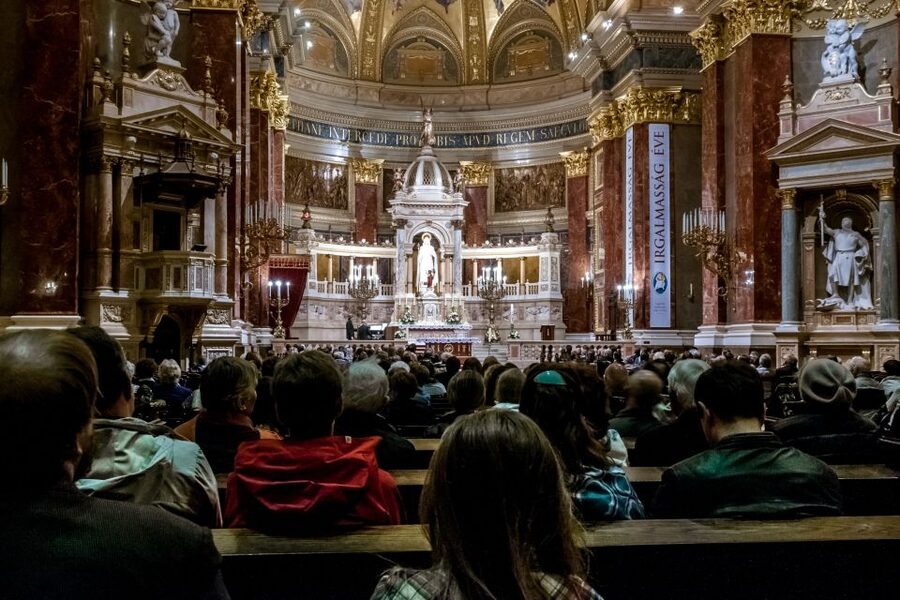
Where is the meeting point for this concert?
Please come to St. Stephen’s Basilica.
What time should I arrive?
The meeting time is 19:40.
What is included in the ticket?
The concert ticket includes concert tickets.
Is pick-up and drop-off included?
No. Pick-up and drop-off are not included, but they are available for an additional cost.
Who performs in the concert?
Performances include Miklos Teleki and Kolos Kováts, plus a flute performance by Eleonóra Krusic.
Who performs the arias?
The arias of the program are performed by Kolos Kováts.
What pieces are included in the program?
The program includes works by Mozart, Stradella, Albinoni, Liszt Ferenc / Camille Saint-Saëns, Giuseppe Verdi, and Bach (including the Toccata and Fugue in D minor, BWV 565, plus movements from Suite in B minor, BWV 1067).
How do ticket categories differ?
Ticket categories are assigned by row range: Category I (rows 1–6), Category II (rows 7–16), and Category III (rows 17–26).