REVIEW · BUDAPEST
Budapest: St.Stephen’s Basilica Grand Organ Concert Tickets
Book on GetYourGuide →Operated by Hungaria Koncert Ltd. · Bookable on GetYourGuide
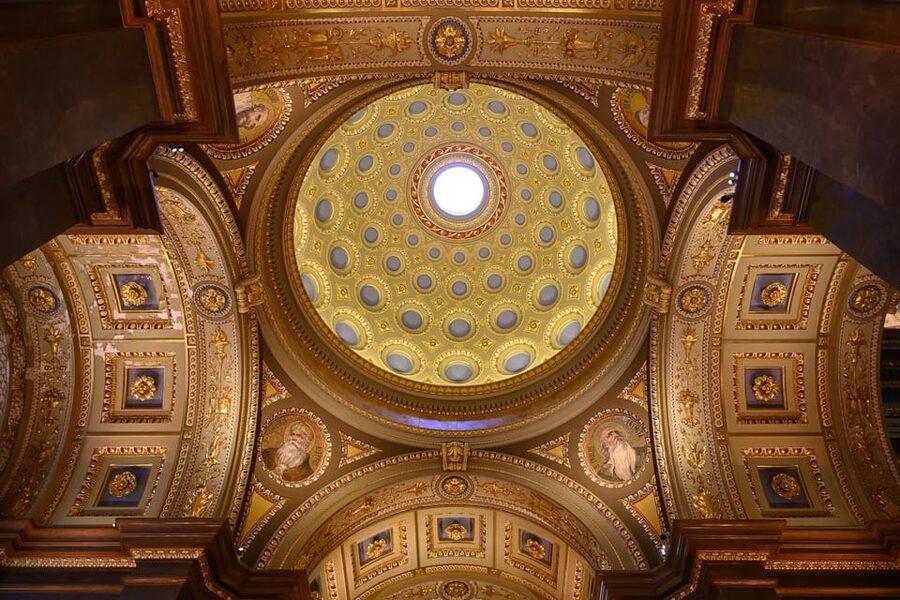
St. Stephen’s Basilica is already impressive, but the Grand Organ makes it special. You’ll get a close-up look at the instrument and then hear classic organ music in a short, focused concert. Two things I really like here: the organist-led explanation of how the instrument works, and the way the 20-minute program pairs music with historic architecture.
One consideration: the live music portion is only 20 minutes. If you’re hoping for a long concert night, you’ll want to manage expectations and plan your time inside the basilica afterward.
In This Review
- Key highlights to know before you go
- The Basilica’s Grand Organ: what makes this concert format work
- Why the pre-concert explanation matters
- What you’ll hear: the two 20-minute set lists
- Set List 1: Organ Classics
- Set List 2: From Baroque to Romanticism
- How to listen like a pro (without being a musician)
- Gallery viewing: getting close without feeling lost
- After the concert: use your time in the basilica wisely
- The treasury stop: Holy Dexter and a striking kind of sacred
- Practical tip: don’t rush
- Panoramic terrace views: the best payoff for finishing strong
- Timing tip for the views
- Price and value: is $61 per person worth it?
- Who should book these St. Stephen’s Basilica Grand Organ tickets?
- Should you book it?
- FAQ
- How long is the St. Stephen’s Basilica Grand Organ concert ticket experience?
- What’s included besides the organ performance?
- What language is the organist explanation delivered in?
- Where do I pick up or exchange my ticket?
- Are there different music programs during the concert?
- Is free cancellation available?
Key highlights to know before you go
- Organist talk up close in the gallery before the performance starts
- A short 20-minute concert with either Organ Classics or Baroque-to-Romantic picks
- Two possible set lists featuring composers like Handel, Bach, Schubert, Liszt, and Franck
- Treasury entry included, with relics such as the Holy Dexter (King St Stephen’s mummified right hand)
- Panoramic terrace access for city views after the music
The Basilica’s Grand Organ: what makes this concert format work
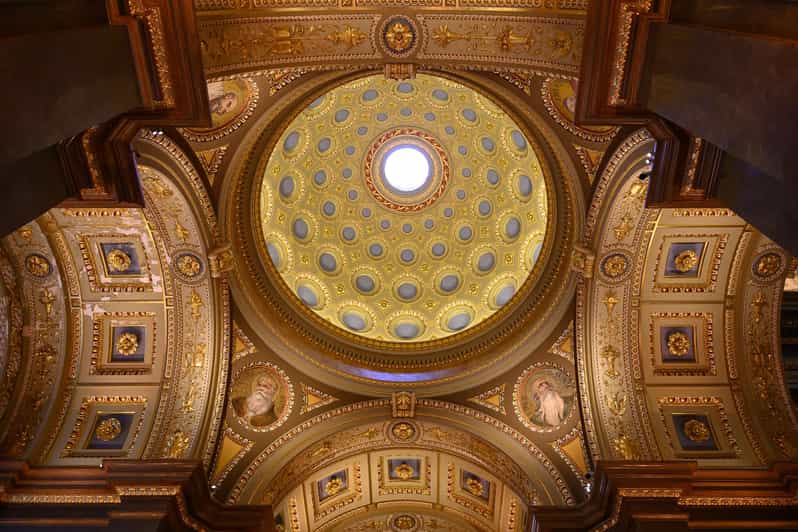
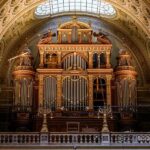
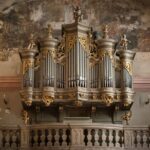
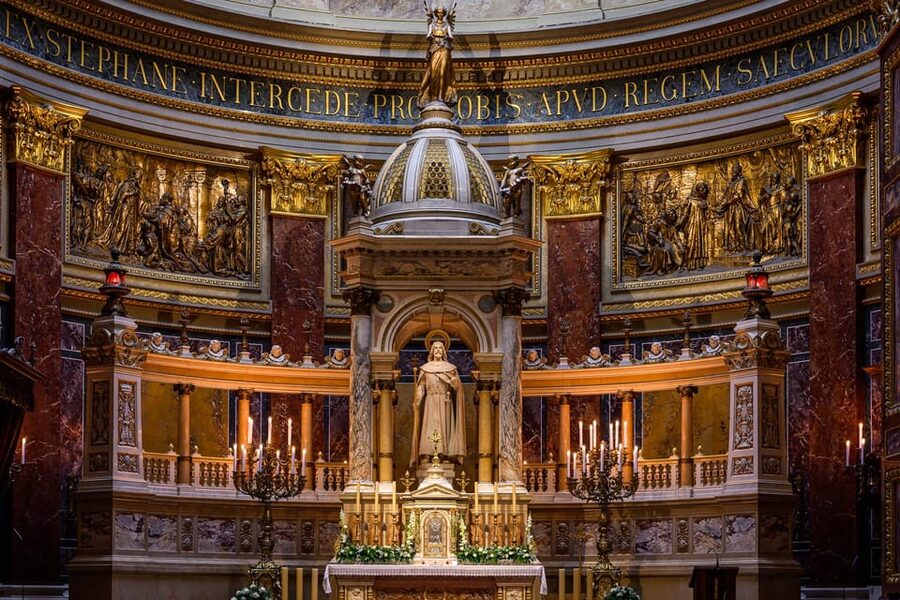
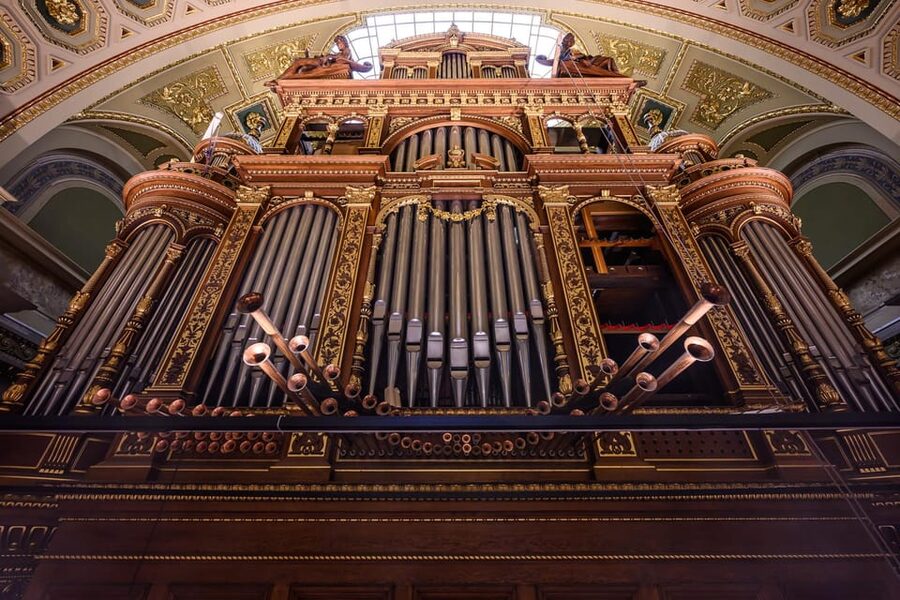
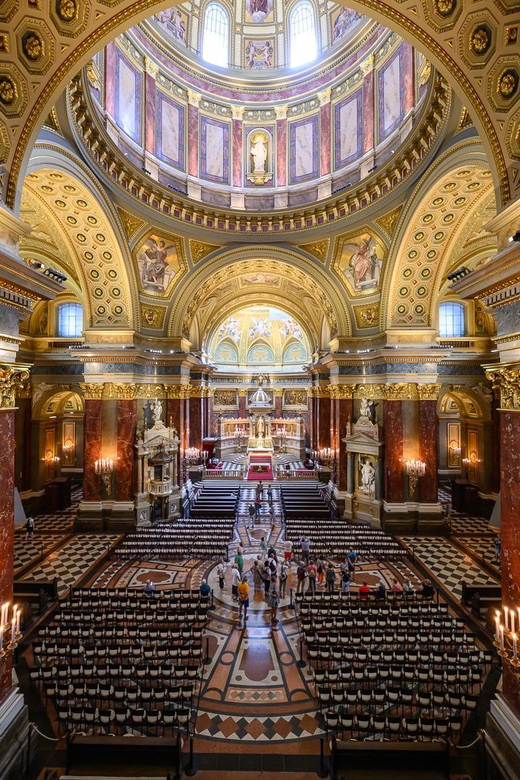
If you like big buildings but also want something you can actually hear and feel, this is a smart way to do St. Stephen’s Basilica. The basilica is one of Budapest’s most recognizable landmarks, but the real hook is that the Grand Organ isn’t just background. You get time to see the instrument up close, then a live performance that uses the room’s acoustics rather than fighting them.
I also like that the organist doesn’t treat the audience like an afterthought. The format centers on explanation first, then sound. In at least one recent group, the guide named Garry stood out for being both personable and professional, with answers that worked for people who play music and people who simply love it.
You can also read our reviews of more tours and experiences in Budapest.


Why the pre-concert explanation matters
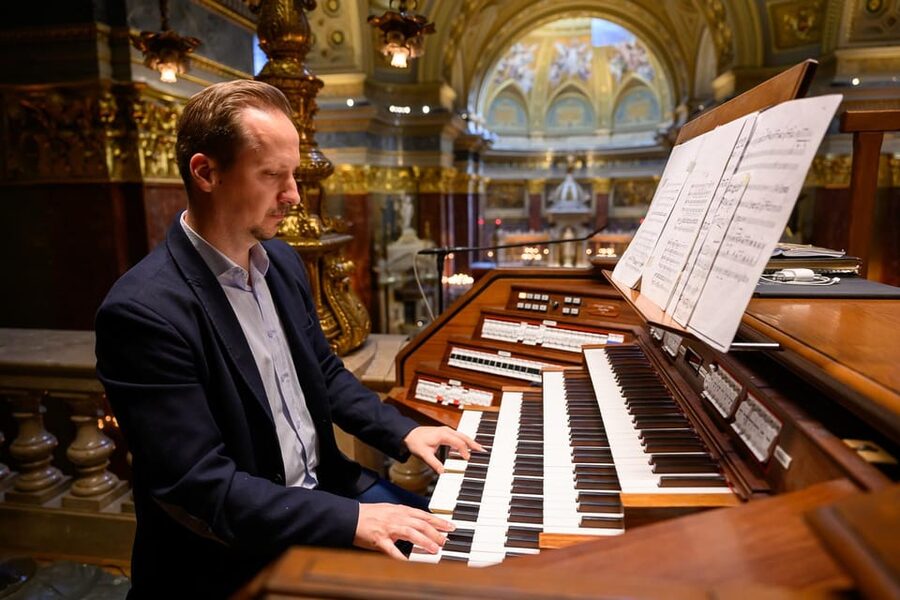
You’ll hear how the organ is built and how the console plays a key role in making it all happen. That detail changes the whole experience. Instead of only thinking, Wow, that’s loud and beautiful, you start noticing how the organist shapes the music in real time. Even if you don’t know technical terms, you’ll pick up the basic structure and the idea that the “heart” of control is the console.
This is the kind of extra context that turns a quick ticket into a memorable stop, especially in a city where you’ll see dozens of famous sights.
What you’ll hear: the two 20-minute set lists
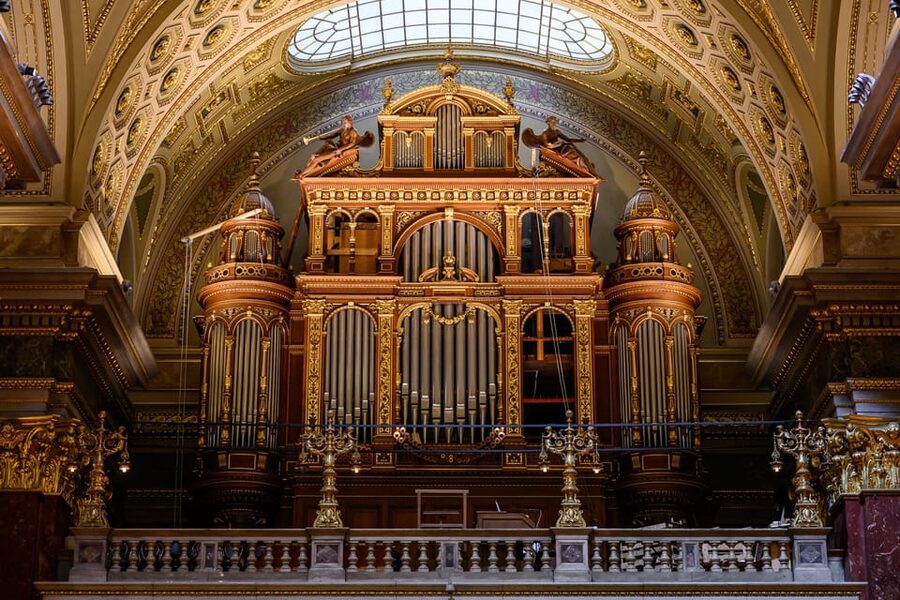
The concert is short, so you’ll want to know what’s possible. There are two set lists, and the program you get may be one or the other.
Set List 1: Organ Classics
Expect familiar names and major organ showpieces such as:
- G. F. Händel: Halleluja
- F. Schubert: Ave Maria
- J. S. Bach: Toccata and Fugue in D minor
- J. Pachelbel: Canon in D major
- F. Liszt: Canzonetta del Salvator Rosa
- Ch.-M. Widor: Toccata from Symphonie for Organ No. 5
If you want recognizable themes and dramatic organ writing, this is the set that tends to feel most instantly rewarding. Bach and Widor alone can make the organ sound massive and precise, and Händel’s style gives you a grand, festival-like lift.
Set List 2: From Baroque to Romanticism
This one moves through styles and emotions, including:
- G. F. Händel: Zadok the Priest – Coronation Hymns
- A. Vivaldi: Concerto in A minor – Allegro
- J. S. Bach / F. Liszt: Chorus – Ich hatte viel Bekümmernis from Cantate BWV 214
- G. Fauré: Après un Rêve
- F. Liszt: Legend of St. Elizabeth – The Crusaders
- C. Franck: Prelude in H minor
- A. Guilmant: Final from Sonata No. 1
This set is great if you enjoy variety. You’ll hear the organ handle bright, Baroque energy, then shift into more Romantic moods. Even within a 20-minute window, it can feel like a mini tour of musical eras.



How to listen like a pro (without being a musician)
Because the concert is brief, your best strategy is simple: don’t just wait for the big moments. Instead, try this:
- Pay attention to how the music changes when the organist adds or removes layers.
- Notice how the room shapes the sound. In a huge church space, notes bloom longer than you expect.
- Pick one piece to “follow” closely from beginning to end. You’ll remember the contrast more than the individual details.
If the organist explains things clearly, you’ll catch these cues fast.
Gallery viewing: getting close without feeling lost
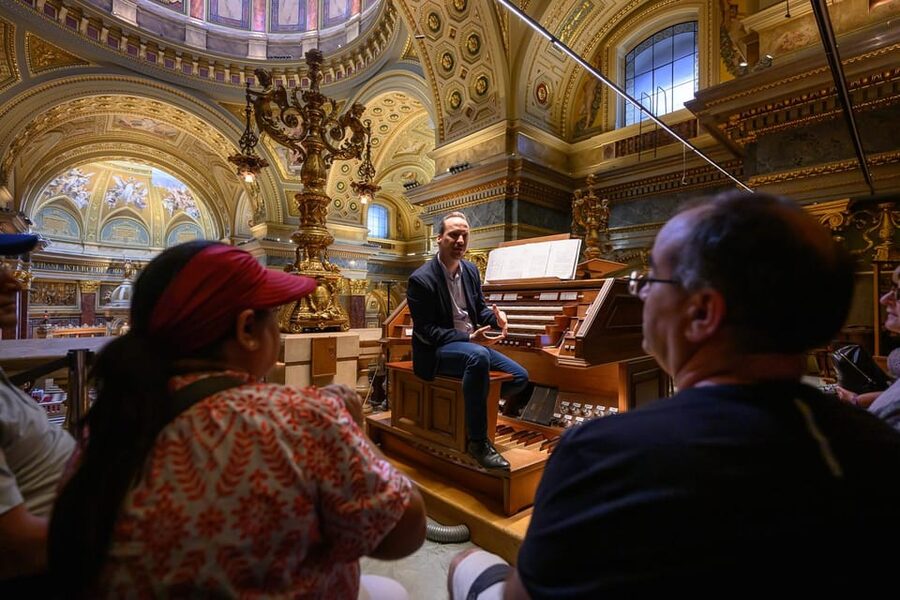
The experience starts with you exchanging your mobile or printed voucher at St. Stephen’s Basilica’s ticket office. After that, you’ll go to the venue and meet your group at the main entrance to connect with your organist.
From there, your escort leads you toward the gallery for a close-up look at the Grand Organ. This is a big deal. Many music performances in major buildings are mostly a seat-and-watch situation. Here, you get that extra step of seeing the console and understanding what you’re hearing.
And if you’re the type who likes good explanations, you’ll probably appreciate that the organist addresses the room in a way that works across experience levels. In a standout example, the organist tailored comments to both musicians and non-musicians, which is exactly how you want a live music explanation to land.
After the concert: use your time in the basilica wisely
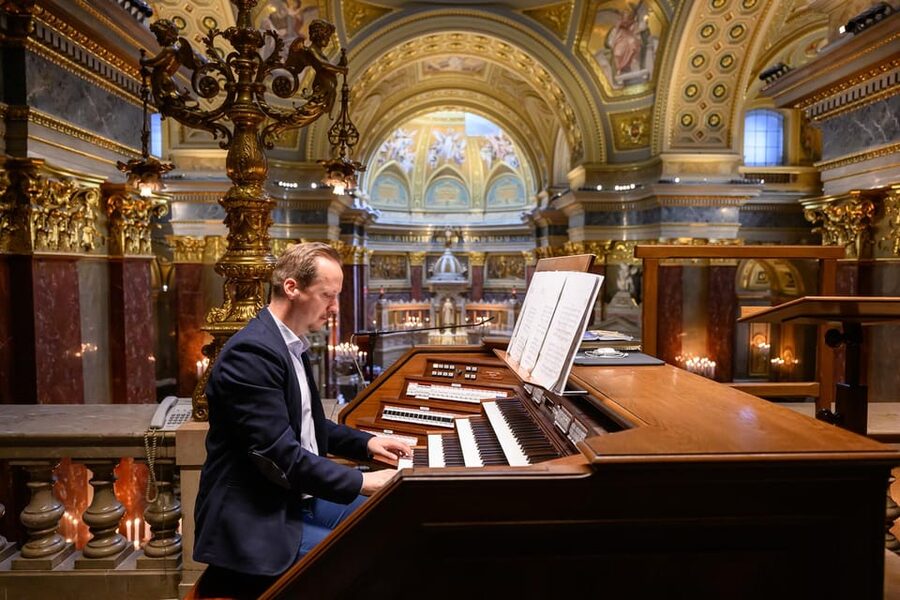
One nice part of this ticket is that the concert doesn’t end your visit. You’re free to explore the rest of St. Stephen’s Basilica at your own pace.
The treasury stop: Holy Dexter and a striking kind of sacred
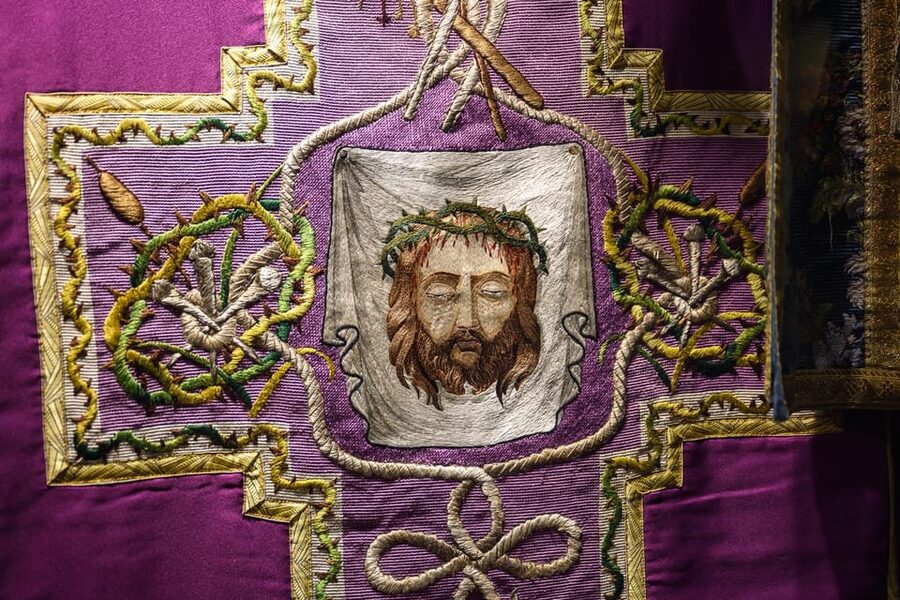
If you only think about this basilica in terms of architecture, the treasury adds a different layer. Entry to the treasury is included, and it holds relics such as the Holy Dexter, described as the mummified right hand of the church’s patron, King St Stephen.
That’s not a detail you should skip over. Even if you’re not into religious relics, it gives you a tangible, human connection to why the basilica matters. It’s history you can see, not just read.
Practical tip: don’t rush
Because you only have a short concert, you’ll probably want to slow down after. Give yourself time to move through the building calmly, especially if you plan to look up at ceilings and take in the scale.
If you’re visiting in busy periods, keep your pace steady. The basilica is popular, and you’ll enjoy it more if you don’t feel like you’re sprinting from room to room.
Panoramic terrace views: the best payoff for finishing strong
After the performance and your basilica time, you’ll head to the panoramic terrace. This is included, and it’s a major reason to choose this experience over just a plain entry ticket.
The terrace gives fantastic views across the city from a unique vantage point. Even if you’ve already seen Budapest’s riverside and bridges, getting height and angles from this vantage adds another layer. It helps you connect the basilica’s position to the wider city plan.
Timing tip for the views
Because the music portion is scheduled and you’ll also want to explore indoors, don’t leave the terrace for the last minute of your day. Plan it as your “finish.” That way you can enjoy the shift from indoor quiet (and organ sound) to outdoor air and city scale.
Price and value: is $61 per person worth it?
At $61 per person for about an hour, this isn’t the cheapest thing you’ll do in Budapest. But it’s also not overpriced for what you actually get: a guided organ-focused experience plus included access to multiple parts of the basilica.
Here’s why the value can feel fair:
- You’re not just buying a seat for a concert. You’re getting an organist explanation of the instrument and its console.
- The 20-minute live performance is tightly programmed with either classic organ staples or a style mix from Baroque to Romantic.
- Entry includes the church areas connected to the experience, the treasury, and the panoramic terrace.
If you’ve got limited time and you want a concentrated cultural stop that uses Budapest’s top landmark, this ticket can be a good use of your hours.
The only “value” risk is your personal preference. If you’re hoping for a long concert experience, the 20 minutes might feel short. But if you like focused, high-impact cultural moments—this hits that sweet spot.
Who should book these St. Stephen’s Basilica Grand Organ tickets?
This works best if you:
- Want a landmark experience that includes more than sightseeing photos
- Like live classical music but don’t want to commit to a long concert
- Enjoy context and explanations, especially when they’re delivered in English
It can also be a strong choice if you’re traveling with mixed interests. The combination of basilica touring, a short musical program, and terrace views makes it easier for different personalities to enjoy the same outing.
If you’re purely chasing a long performance with minimal talking, you may feel like you wanted more music time. In that case, you might pair this with another evening concert elsewhere, but for many people, the explanation plus short program is exactly the right rhythm.
Should you book it?
Yes, I’d book it if you want a high-quality cultural stop that fits neatly into a busy Budapest day. The big selling points are the organist-led instrument explanation, the live concert with a recognized set list, and the included basilica extras: treasury and the panoramic terrace.
It’s especially smart if you don’t have unlimited time and you want to squeeze the best out of one iconic site. Just go in expecting a short, polished concert, then spend the rest of your energy soaking up the basilica’s spaces and views.
FAQ
How long is the St. Stephen’s Basilica Grand Organ concert ticket experience?
The duration is 1 hour, with a 20-minute live organ concert included.
What’s included besides the organ performance?
You’ll get detailed explanation of the instrument with the organist, entry for the church, entry to the treasury (including relics like the Holy Dexter), and access to the panoramic terrace.
What language is the organist explanation delivered in?
The instructor and experience language are English.
Where do I pick up or exchange my ticket?
You exchange your mobile or printed voucher for a ticket at St. Stephen’s Basilica’s ticket office, then proceed to the venue to meet your group at the main entrance.
Are there different music programs during the concert?
Yes. There are two possible set lists. One focuses on Organ Classics, and the other moves From Baroque to Romanticism.
Is free cancellation available?
Yes, cancellation is free up to 24 hours in advance for a full refund.