REVIEW · BUDAPEST
St.Stephen’s Basilica: Grand Organ Concert & Ticket
Book on Viator →Operated by Hungária Koncert Kft · Bookable on Viator
You get closer to the pipes than you expect. I love the close-up console view and the way the organist explains how the instrument really works before launching into a 20-minute concert. Afterward, I like that you can wander the basilica at your own pace and still cover big-name sights like the Treasury relics and the panoramic terrace. One thing to weigh: the experience is priced like a ticketed concert event, and the concert portion depends on the day you pick.
This is a tidy, mostly straightforward program that starts at 10:00 am, in English, and is designed so you’re not just waiting in the church for sound to happen. You’ll get an escorted moment in the gallery, then the rest is yours to manage. The basilica itself is a jaw-drop setting, but the value here is the behind-the-scenes organ access.
In This Review
- Key highlights worth your time
- St Stephen’s Basilica organ: what makes this different from a regular visit
- The 10:00 am flow: how the experience typically runs
- Close-up with the console: what you’ll actually learn
- The 20-minute concert: intensity without the time drain
- After the music: exploring at your own pace (and what to look for)
- The Treasury stop: St Stephen’s Holy Dexter and why it’s a big deal
- Panoramic terrace views: the payoff after the concert
- Price and value: is $62.55 worth it?
- Practical logistics: timing, transport, and what to watch for
- Who this suits best (and who might skip it)
- Should you book St Stephen’s Basilica Organ Concert & Ticket?
- FAQ
- How long does the St Stephen’s Basilica organ concert experience take?
- What time does the experience start?
- Is the tour offered in English?
- What does the ticket include?
- Is the organ concert always included on any day?
- What’s in the Treasury that’s included?
- Can I cancel for a full refund?
Key highlights worth your time
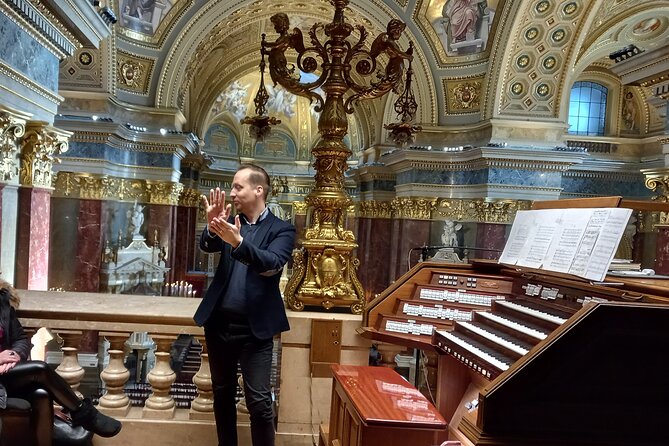
- Close-up organ console: Stand where you can actually see the instrument’s workings and role of the console.
- An organist introduction first: You’ll get an explanation before the music starts, plus time for questions in some sessions.
- A short, focused concert: About 20 minutes, with two possible set lists.
- Treasury relics: See the Holy Dexter (St Stephen’s mummified right hand).
- Terrace city views: A standout panoramic viewpoint from the basilica area.
- Limited seating vibe: Some performances feel like a small, intimate session—arrive on time.
St Stephen’s Basilica organ: what makes this different from a regular visit
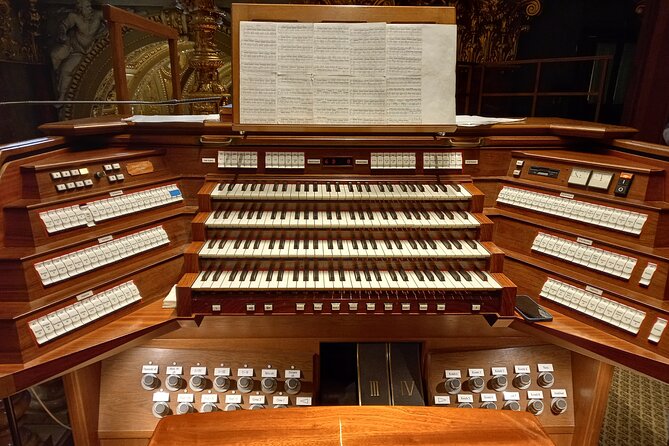
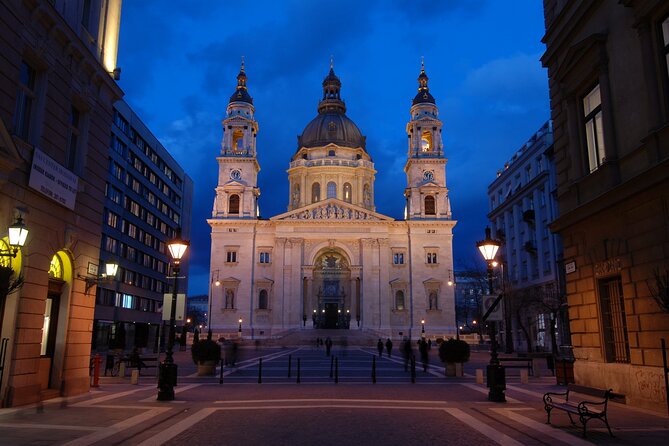
Budapest’s St Stephen’s Basilica is the kind of place where you can easily spend hours looking up, then more hours trying to find your way back to ground level. This experience adds one key element that most casual visits don’t include: meaningful access to the organ.
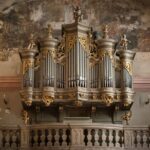
The first big wow moment is the gallery time. Instead of only hearing the organ after you’ve already picked a seat, you’re brought to a close-up position to see the console and get a plain-language walkthrough of what you’re about to hear. That changes how you listen. You start noticing patterns in phrasing and how different stops can change the sound. Even if you’re not an organ person, this helps you feel the instrument as a machine and as a voice.
The second big difference is the pacing. You’re not locked into a long guided tour. The format is concert, then freedom. After the performance, you can explore the basilica at your own pace—plus fit in the Treasury and the terrace view as part of the pass. In other words, you get a structured highlight, then you get time to breathe.
You can also read our reviews of more tours and experiences in Budapest.


The 10:00 am flow: how the experience typically runs

The start time is 10:00 am, and you’ll gather at the main entrance before following an escort to the gallery area. From there, the organist introduces the instrument and explains the structure and the role of the console—the control center where the music gets shaped.
Then comes the concert itself: about 20 minutes, with two possible set lists depending on the session. That short length matters. It keeps this from turning into a half-day commitment, and it also means you’ll spend your energy on the experience rather than on endurance.
A helpful detail for planning: this is an English-language offering. If you’re traveling with non-Hungarian speakers, that’s a big plus. It also means the organist’s explanation lands for most people, even if the technical parts are moving fast.
Close-up with the console: what you’ll actually learn
This is the part that most people walk away talking about, and I get it. Standing close to a pipe organ is one thing. Understanding what you’re looking at is another.
During the pre-concert introduction, the organist explains the instrument’s structure and specifically points out the importance of the console—basically, the organ’s command post. You’re learning how the player connects to all those pipes and how the sound gets routed. That makes the concert feel less like a mysterious sound show and more like a skilled performance on a complex instrument.
In some sessions, the organist is described as friendly, professional, and able to answer questions. One confirmed example in the past has been an organist named Gábor, who’s been praised for explaining the parts clearly and introducing each selection with context. You can expect that kind of approachable teaching style, since the whole format is built around you getting the background first.
Also, organ concerts can vary wildly in repertoire. Some programs include very famous pieces—like Bach’s Toccata in D minor—and others lean toward works such as Handel’s Messiah. You should treat those as examples of the sort of range you might hear, not a guarantee.
The 20-minute concert: intensity without the time drain
Here’s what I’d call the “value sweet spot” of this ticket: the music time is short, but the setup is special. You’re not just seated somewhere and hoping you chose a good acoustics spot. You’ve already seen the instrument up close and heard it explained.
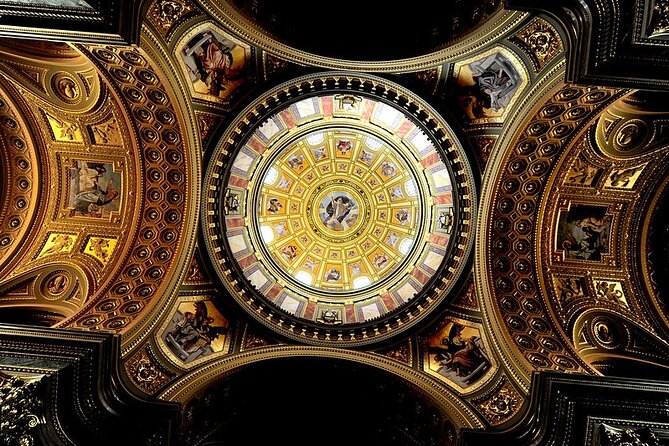
The basilica setting makes the sound feel bigger and cleaner. Even when you’re standing at the edges, the space is made for resonance. Several people describe the setting as serene, and that matches the vibe you’d want in a mid-morning concert.
The concert itself is around 20 minutes. That timing is ideal if you’re balancing sightseeing. You get a highlight that feels memorable, but it doesn’t steal your whole morning or force you into a later dinner scramble.
After the music: exploring at your own pace (and what to look for)
Once the concert ends, the experience doesn’t end. You get to explore the basilica at your own pace. This is where you can slow down and do the “stand, stare, reframe your brain” part that major churches invite.
The pass includes admission, so you’re not forced to choose between the organ concert and the building itself. I like that because it turns the day into a single plan, not two separate ticket hunts.
If you’re the type who likes details—chapels, side altars, and that slow scan upward—this free-exploration window is where you can spend it. If you’re more of a “see the big things fast” visitor, you can still keep moving and hit the Treasury and terrace without getting stuck in every corner.
A practical note: a few people have flagged that what they expected from additional upper areas wasn’t always included the way it was advertised to them. So I’d treat the guaranteed highlights as the organ concert experience plus the included interior access, Treasury, and terrace view—and plan your dome or upper-church ambitions carefully.



The Treasury stop: St Stephen’s Holy Dexter and why it’s a big deal
If the organ is the star attraction, the Treasury is the “only-in-this-place” kicker.
Inside, you can see relics, including the Holy Dexter—described here as the mummified right hand of King St Stephen, the church’s patron. This isn’t casual sightseeing. It’s part of why St Stephen’s Basilica is one of those sites people remember long after they’ve left Budapest.
What I like about this stop is the contrast. One minute you’re in a concert built around sound and architecture. The next, you’re in the quiet, controlled atmosphere of a relic-focused display. It adds meaning beyond the building’s beauty.
If you’re even mildly curious about Hungarian history, this is the moment where it connects. St Stephen isn’t just a name on a map—he’s tied directly to the church’s story, and the Treasury puts that connection right in front of you.
Panoramic terrace views: the payoff after the concert
After you’ve seen the concert and the Treasury, the panoramic terrace is a strong closer.
The key point for planning is that this is included with your pass, and the view is specifically highlighted as a viewpoint you’re not likely to stumble into on a standard walk-up. It’s the kind of perspective that helps you reorient yourself in Budapest—especially if you’ve already been wandering around the core neighborhoods and want to see how it all lines up.
Go into this part with a simple mindset: take the photos you’ll actually use later, then spend a minute just looking. The best views are the ones where your brain stops rushing to the next stop.
Price and value: is $62.55 worth it?
Let’s talk money like adults.
At $62.55 per person, this isn’t a cheap add-on. It’s priced as a ticketed concert plus included sights (admission, Treasury access, and terrace time), not as general basilica entry.
So, is it worth it?
- If you care about sound + architecture and you want the organ explained before you hear it, the value makes sense. Many regular basilica visits won’t give you that close-up access to the console.
- If you mainly want to check off a landmark and climb whenever possible, this might feel pricey compared to the flexibility of general entry.
The “Wednesday factor” also changes the equation. The organ-concert portion is held on Wednesdays, and this concert-included ticket type is only available for Wednesdays. If you book for the wrong day and the concert isn’t part of your session, the whole value proposition changes fast.
My advice: treat this as a concert-and-Treasury package. If that matches your travel style, you’ll probably feel like you got your money’s worth.
Practical logistics: timing, transport, and what to watch for
The start time is 10:00 am, and the basilica is near public transportation, which helps. Still, big churches can be chaotic at peak hours. Show up with time to spare so you don’t end up stressed during voucher checks or escort grouping.
English is supported, which matters for the organ introduction. Plan to listen closely during the console explanation. Even if you’re not into organ mechanics, the language helps you follow what the organist is doing.
One more planning tip: concert seats can be limited in some sessions. If you’re the type who always arrives early, this is your moment to cash that habit in.
And if you’re relying on the “extra” parts of the visit (like dome or upper areas), don’t assume they’re automatic. The safest approach is to anchor your expectations on what’s explicitly included: the organ concert, basilica admission, the Treasury with the Holy Dexter, and the terrace view.
Who this suits best (and who might skip it)
This is best for you if:
- You want a ticketed, guided highlight inside a major Budapest church.
- You like short, high-impact activities that don’t eat your whole day.
- You enjoy instruments, architecture, or any kind of behind-the-scenes access.
It might be less satisfying if:
- You’re purely budget-focused and only want general access to the basilica.
- You don’t want to commit to a specific day for the concert portion.
- You expect a long, structured tour of the entire church complex beyond the included features.
For most visitors, though, this is a smart blend: a guided organ moment plus enough freedom afterward to make the day feel like yours.
Should you book St Stephen’s Basilica Organ Concert & Ticket?
I’d book it if you want one truly memorable “Budapest highlight” that’s not just visual. The close-up console time and the short concert setup are the magic, and the included Treasury relics plus terrace views mean you’re not leaving with only one neat memory.
Skip or rethink it if you’re flexible on day-of-week and haven’t checked the Wednesday concert inclusion. Also, if $62.55 feels hard to justify, you’ll need to be honest with yourself: do you really want the concert-and-organ access, or would general basilica time give you the same trip satisfaction?
If your answer is yes to the organ part, this is one of the better-value ways to experience St Stephen’s Basilica beyond the postcard route.
FAQ
How long does the St Stephen’s Basilica organ concert experience take?
It’s listed at about 1 to 3 hours.
What time does the experience start?
The start time is 10:00 am.
Is the tour offered in English?
Yes. It’s offered in English.
What does the ticket include?
Admission ticket is included, along with the organ concert and access tied to the experience highlights like the Treasury and terrace views.
Is the organ concert always included on any day?
The concert portion is held on Wednesdays, and this concert-included ticket type is only available for Wednesdays.
What’s in the Treasury that’s included?
The Treasury includes relics such as the Holy Dexter, described as the mummified right hand of King St Stephen.
Can I cancel for a full refund?
Yes. You can cancel up to 24 hours in advance of the experience start time for a full refund.